admin
admin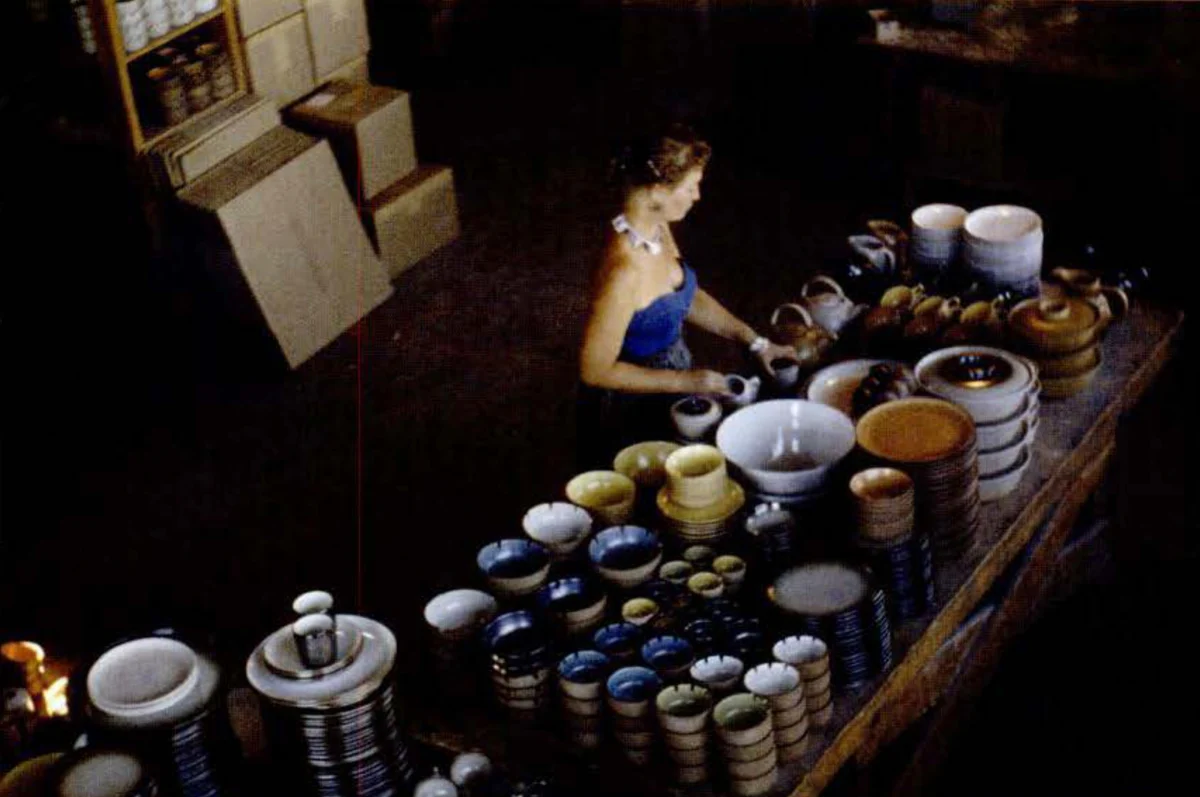
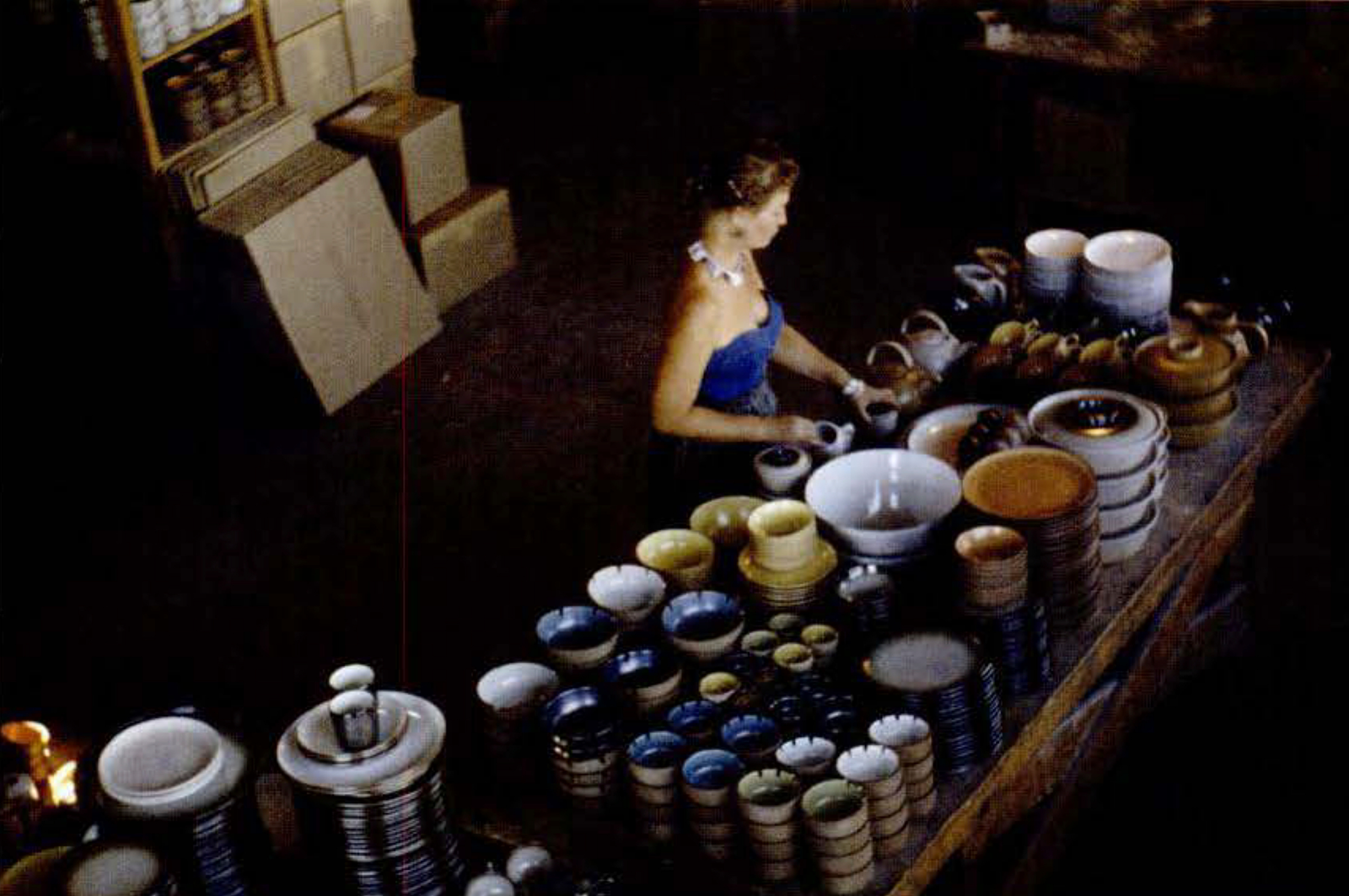
The passing of Edith Heath in December at the age of 94 marked the end of an era, but cemented her treasured legacy as a seminal figure in American design, leaving behind a profound impact as a dedicated studio potter, a pioneering industrial designer, and the visionary behind Heath Ceramics, one of the few remaining American potteries to maintain continuous operation and relevance. Today, within the bustling factory in Sausalito, California, a short distance across the Golden Gate Bridge from San Francisco, the palpable influence of Heath permeates every corner of the production floor. A subtle haze of clay dust hangs in the air, a testament to the ongoing creation inspired by her ingenuity. From the more than 90 distinct dinnerware shapes she meticulously designed, many of which remain in continuous production, to the vibrant and organically inspired tile experiments adorning the walls, Heath’s enduring presence and unwavering persistence manifest as a rich, dense tapestry of clay and color, a testament to a career that spanned over six decades and redefined the landscape of modern ceramics.
The Genesis of a Design Icon: Early Life and Formative Influences
Edith Kiertzner Heath’s journey into the world of ceramics was anything but conventional, shaped by the austere realities of rural Iowa during the Great Depression. Born in 1911, her early life instilled in her a deep sense of resourcefulness and an appreciation for enduring utility—qualities that would later become hallmarks of her design philosophy. The economic hardships of the 1930s meant that every object had to serve a purpose and withstand the test of time, a stark contrast to the often ephemeral trends of consumer culture.
Her formal artistic development began later, blossoming significantly after she moved to Chicago. There, she enrolled at the School of Design, a pivotal institution where she studied under the tutelage of László Moholy-Nagy, a towering figure of the Bauhaus movement. Moholy-Nagy’s experimental and interdisciplinary approach, emphasizing the integration of art, craft, and technology, proved profoundly influential for Heath. The Bauhaus philosophy, which advocated for functional design, material honesty, and the merging of art with industrial production, resonated deeply with her nascent ideas about making beautiful, durable, and accessible objects. This educational experience provided her with a critical theoretical framework, moving her beyond mere craft into the realm of thoughtful, systematic design.
During these lean years, Heath supported herself by teaching classes for the Federal Art Project, a New Deal initiative designed to employ artists and enrich public life. This period not only provided financial stability but also proved serendipitous, as it was there she met and subsequently married Brian Heath, a fellow artist and coworker who would become her indispensable partner in both life and business.
The Californian Crucible: A Scientific Approach to Ceramics
In 1941, the newlyweds relocated to San Francisco, a move that would prove instrumental in the evolution of Edith Heath’s career. With limited formal ceramics education, she sought to deepen her understanding by auditing classes at the California School of Fine Arts (now the San Francisco Art Institute). It was here that she became utterly captivated by the material properties of clay – its malleability, its substantiality, and its transformative potential. This fascination quickly evolved into a rigorous academic pursuit.
Recognizing the profound impact of clay formulas on the aesthetic and functional qualities of finished pottery, Heath embarked on a scientific quest rarely seen outside a dedicated laboratory. She convinced the University of California at Berkeley to host a year-long intensive course specifically focused on the intricate science of ceramic chemistry. This was not merely an artistic whim but a methodical investigation into the very molecular structure of her chosen medium. She rejected the prevailing reliance on premixed commercial clays, which she dismissively labeled "gutless" for their lack of character and distinctiveness. Instead, Heath cast a wide net, seeking out more unique and expressive ingredients from the rich geological landscape of California.
Her quest led her on extensive travels, motoring from remote clay pits to bustling brickyards and industrial sewer-pipe factories across the state. From each location, she meticulously collected samples, bringing them back to her small studio for rigorous testing. She analyzed each sample for crucial properties such as porosity, shrinkage rates, and inherent strength, understanding that these factors would dictate the final form and durability of her ceramics. Recalling this intensive period of material exploration, Heath explained her motivation: "I was looking for a clay that nobody knew anything about, that had unique properties that I could utilize and develop, that would be expressive of the region. So I began working with California clays that would turn out looking like something that nobody else had ever made." This dedication to localized, distinctive materials became a foundational principle of Heath Ceramics, setting her work apart from mass-produced competitors.
From Exhibition to Empire: The Birth of Heath Ceramics
The culmination of her scientific rigor and artistic vision was the development of a distinctive stoneware clay body. Characterized by its relatively low firing temperature, which contributed to energy efficiency in production, and notably high percentages of manganese, this unique blend yielded a remarkable speckled pattern when paired with her elegantly understated glazes. This subtle, organic texture became an immediate identifier of Heath’s work, a testament to her philosophy of letting the material speak for itself.
Her innovative approach and the striking beauty of her hand-thrown dinnerware quickly caught the eye of Jermayne MacAgy, then the acting director of the California Palace of the Legion of Honor museum. MacAgy, recognizing the groundbreaking quality of Heath’s work, immediately offered her an exhibition. The show opened in September 1944, a critical moment during World War II when American manufacturing was largely focused on the war effort, creating a void in the consumer market for quality home goods. Heath’s work filled this void with a fresh, modern aesthetic that resonated with a populace eager for beauty and functionality in their homes.
The exhibition was an unqualified success, generating significant buzz. Within a few months, Heath’s pottery was being sold at exclusive, high-end outlets across the nation, including the prestigious Gump’s in San Francisco, Bullock’s in Los Angeles, Marshall Field’s in Chicago, and Neiman Marcus in Dallas. These partnerships were not merely sales channels; they were endorsements from leading retailers, signaling the arrival of a new, influential voice in American design. The widespread demand affirmed the commercial viability of her artistic vision.
A mere year later, armed with a national distribution agreement, Edith officially established Heath Ceramics. Her husband, Brian, transitioned from his artistic role to become the indispensable business manager, accountant, and shipping clerk, providing the operational backbone that allowed Edith to focus on design and production. This partnership was crucial; while Edith was the creative genius, Brian’s acumen ensured the business’s stability and growth.
Bridging the Divide: Industrial Innovation and the Craft Debate
The burgeoning success of Heath Ceramics necessitated rapid expansion of production facilities and capabilities. The Heaths soon moved their nascent operation to the bohemian enclave of Sausalito, a community known for its artistic spirit and proximity to San Francisco. Here, they began to integrate light-industrial applications into their production process, moving beyond purely hand-thrown methods. Techniques such as jiggering (a method for shaping plates and bowls on a potter’s wheel using a template) and slip casting (pouring liquid clay, or slip, into molds) were introduced to meet the ever-growing demand for their products. This strategic shift allowed for greater consistency and volume without sacrificing the core aesthetic and quality.
This pivot towards industrialization, however, was not without its critics. Many traditional studio potters, adhering to a purist craft ethos, viewed Heath’s move as "selling out"—a betrayal of artistic integrity in favor of commercial gain. This sentiment reflected a broader tension within the post-war design world, where the divide between fine art and industrial design was often sharply drawn. Edith Heath, however, firmly rejected this narrow categorization. Her response to such criticism articulated a foundational principle of her design philosophy: "Good design doesn’t depend upon whether something is made by hand. In fact, there are some very junky things that can be made by hand. The idea of making things on a potter’s wheel in an industrial society really is an anachronism as far as I am concerned."
Heath’s stance was revolutionary for its time. She argued that the true measure of design lay in its quality, functionality, and accessibility, not solely in the method of its creation. Her goal was to bring well-designed, durable, and beautiful ceramics to a wider audience, democratizing good design. She believed that industrial processes, when thoughtfully applied, could enhance consistency and affordability, making her "Sunday best" quality accessible for everyday use. This philosophy was perfectly aligned with the burgeoning mid-century modern movement, which championed clean lines, functionality, and mass production as means to improve daily life.
The Heath Aesthetic: Mid-Century Modernism and Beyond
The Heath aesthetic became synonymous with an easy-going, colorful California style, perfectly embodying the spirit of mid-century modernism. Her designs were characterized by their understated elegance, warm earthy tones, and a tactile quality that spoke of handcrafted care, even when produced industrially. The durability and affordability of her wares, combined with an unwavering commitment to quality and appearance, ensured that Heath Ceramics products were cherished items in American homes.
The mid-20th century saw a dramatic increase in suburban development and a rising middle class, creating a robust market for home furnishings that were both stylish and practical. Heath Ceramics flourished in this environment, offering products that seamlessly blended into modern interiors while retaining a unique, artisanal charm.
The company’s influence extended beyond the dinner table in the 1960s with the addition of tile production. This expansion opened new avenues for architects and designers to incorporate Heath’s distinctive aesthetic into built environments. Renowned architects such as William Pereira, known for his modernist structures like the Transamerica Pyramid; Eero Saarinen, celebrated for his iconic TWA Flight Center and Gateway Arch; and Alexander Girard, a visionary textile designer and architect, began to integrate the quality and flexibility of Heath tiles into their projects. These collaborations elevated Heath Ceramics from a household name to a significant contributor to architectural modernism, demonstrating the versatility and enduring appeal of her designs in diverse contexts, from residential interiors to large-scale public and commercial spaces.
A Unique Niche: Bridging Craft and Industrial Manufacturing
Edith Heath carved out a special niche in American design history as a crucial bridge between the singular hand of the craftsperson and the commercial world of industrial manufacturing. She demonstrated that it was possible to maintain an artisanal sensibility and a commitment to quality even when scaling up production. Her work challenged the conventional wisdom that mass production inherently led to a degradation of design and craftsmanship. Instead, she proved that thoughtful design, meticulous material science, and human-scale manufacturing could coexist, producing objects that were both beautiful and accessible.
Her legacy is not merely about the objects she created, but about the enduring philosophy she instilled in her company. Heath Ceramics represented a model where artistic integrity and commercial success were not mutually exclusive but mutually reinforcing. This approach allowed the company to thrive as many other American potteries succumbed to foreign competition or outdated business models. Heath’s dedication to using local materials, her scientific rigor in developing unique clay bodies and glazes, and her unwavering commitment to design excellence distinguished her and her company.
The Enduring Legacy: Heath Ceramics Today
Edith Heath’s passing in December 2005 marked the end of her direct stewardship, but her vision continues to thrive under the guidance of its current owners, Robin Petravic and Catherine Bailey. Since acquiring the company, Petravic and Bailey have enthusiastically committed themselves to practicing and preserving the core values that Edith Heath "set in stone" (or, more accurately, in clay) over six decades ago. These foundational principles dictate that form is paramount, production operates on a human scale, and the hand of the artist remains evident in every finished piece. This commitment ensures that each Heath Ceramics product, whether a dinner plate or an architectural tile, carries the spirit of its founder.
Under their leadership, Heath Ceramics has not only maintained its historical integrity but has also seen a resurgence in popularity, resonating with contemporary consumers who increasingly value authenticity, craftsmanship, and sustainable production. The company continues to source local materials where possible, maintain its Sausalito factory, and emphasize a responsible approach to manufacturing.
Catherine Bailey articulated their forward-looking vision and the broader implications of Heath’s model: "As a model, we hope to continue to inspire designers and industrialists alike to consider American manufacturers and think creatively about their business models: less emphasis on volumes, profit margins, and design for the masses; more focus on passion for excellence in design and craftsmanship." This statement underscores the enduring relevance of Heath’s original philosophy in a globalized economy often dominated by mass production and disposable goods.
The story of Edith Heath and Heath Ceramics is a powerful testament to the impact of a single individual’s vision, perseverance, and innovative spirit. Her ability to blend artistic sensibility with scientific inquiry, and her courage to bridge the gap between craft and industry, created a legacy that continues to inspire. Thankfully, though Edith Heath has passed into history, her profound influence on American design, manufacturing, and the very definition of modern ceramics will undoubtedly live on, shaping future generations of designers and consumers alike.