admin
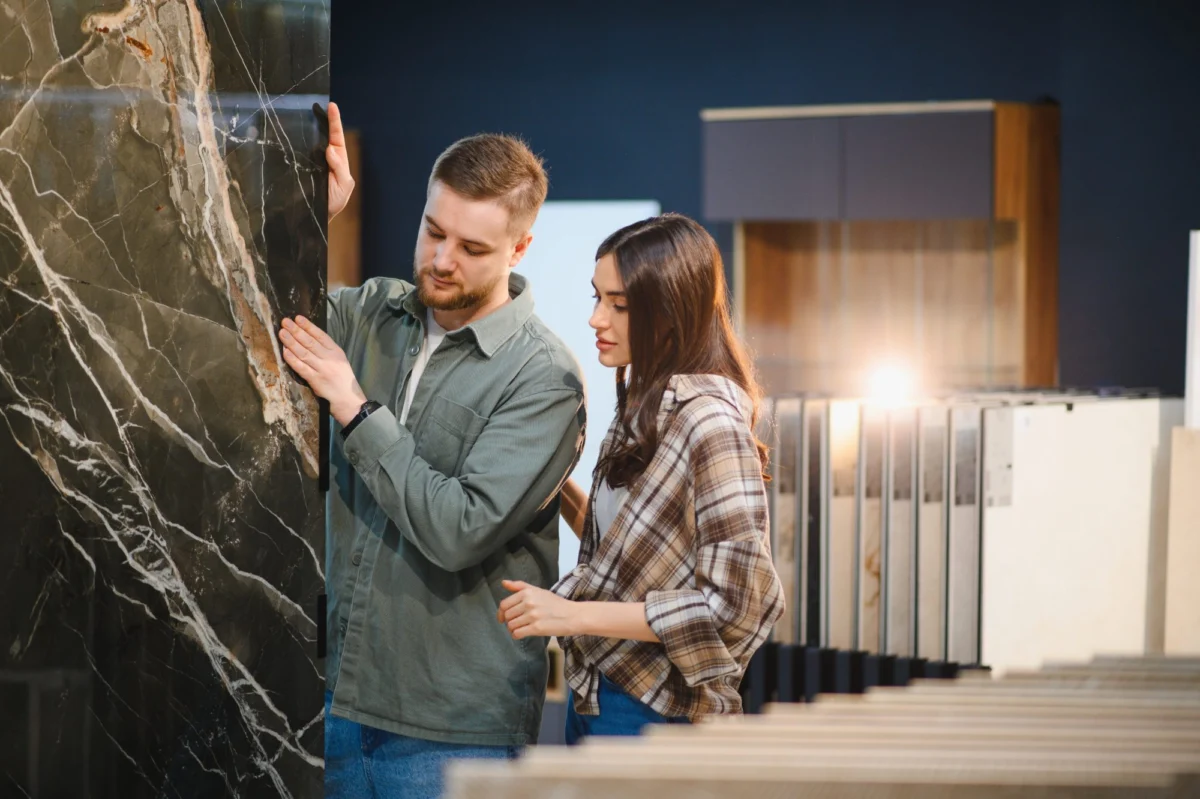
The global interior design and home renovation industries are currently navigating a significant transition as the long-standing dominance of quartz countertops faces unprecedented scrutiny. For nearly two decades, engineered quartz has been the premier choice for residential and commercial surfaces, prized for its exceptional durability, nonporous surface, and aesthetic consistency. However, a growing body of medical evidence and a wave of international regulatory actions have highlighted a severe health crisis affecting the workers who fabricate these materials. The primary concern centers on crystalline silica, a mineral that, when inhaled as fine dust during the cutting and grinding process, causes irreversible and often fatal lung diseases. As a result, homeowners, architects, and designers are increasingly turning toward safer, more sustainable alternatives that offer the same performance without the associated human cost.
The Crystalline Silica Crisis: A Health and Regulatory Overview
The crisis stems from the composition of engineered stone. While natural granite typically contains about 30 percent crystalline silica and marble contains even less, engineered quartz can consist of up to 90 percent or more of the mineral. When fabricators cut, grind, or polish these slabs—particularly when done "dry" without sufficient water suppression—they release microscopic silica particles into the air. These particles are small enough to be inhaled deep into the alveolar sacs of the lungs, where they cause inflammation and scarring, a condition known as silicosis.
Silicosis is a progressive disease with no known cure. In recent years, medical professionals have reported an alarming spike in "accelerated silicosis" among young stone workers, many of whom require lung transplants or succumb to the disease in their 30s and 40s. Beyond silicosis, exposure to silica dust is linked to lung cancer, chronic obstructive pulmonary disease (COPD), and various autoimmune disorders.
The international response to this health hazard has been swift. In July 2024, Australia became the first nation to implement a comprehensive ban on the use, supply, and manufacture of engineered stone. In the United States, California has led the regulatory charge, enacting emergency standards to protect workers and proposing rules that would strictly limit or prohibit the fabrication of materials containing high concentrations of crystalline silica. These developments have sent shockwaves through the supply chain, prompting a surge in demand for materials that prioritize worker safety.
A Chronology of the Industry’s Transformation
The path to the current industry upheaval began in the late 2000s when the first clusters of silicosis among engineered stone workers were identified in Israel and Spain. By the mid-2010s, similar clusters were reported in the United States, particularly in regions with high concentrations of fabrication shops.
In 2019, the Centers for Disease Control and Prevention (CDC) published a sobering report detailing the rise of the disease among stone masons, which served as a catalyst for increased oversight. By 2023, as the legal liabilities for manufacturers mounted and the human toll became impossible to ignore, major retailers and design firms began reevaluating their inventories. The current year marks a definitive pivot point, where "low-silica" or "silica-free" has become a primary selling point for new surface products entering the market.
Expert Perspectives on the Consumer Shift
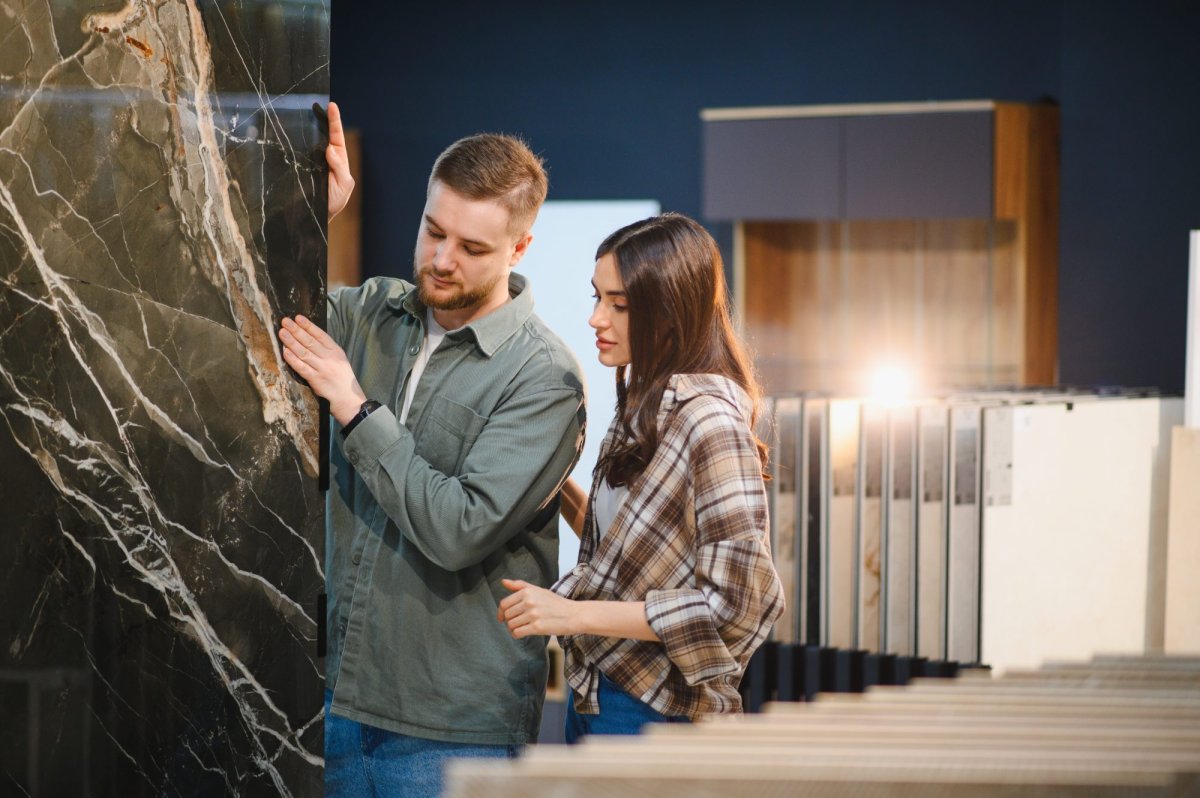
The shift in consumer behavior is already being felt on the ground by design professionals. Kaycee Conallen, owner of Kaycee Conallen Design Studio in Swarthmore, Pennsylvania, observes that the modern homeowner is more informed and ethically conscious than ever before. "We have found some homeowners shying away from quartz surfaces," Conallen notes. This trend is driven not only by a desire for personal safety—though experts clarify that installed quartz poses no risk to the end-user—but also by a broader commitment to ethical sourcing and the well-being of the tradespeople involved in the construction of their homes.
Blima Ehrentreu, founder and CEO of The Designers Group (TDG), echoes this sentiment, emphasizing that the industry is looking toward materials that provide a balance of form, function, and safety. "Sintered stone is another strong option for its resistance to heat, scratches, and stains," Ehrentreu says, highlighting a category of material that has seen explosive growth as a direct result of the quartz controversy.
Leading Alternatives: Recycled Glass and Paper Composites
As the market moves away from high-silica quartz, several innovative materials have emerged as frontrunners. Among the most eco-friendly options are recycled glass and paper composite surfaces. These materials not only eliminate the risks associated with crystalline silica but also contribute to a circular economy by utilizing post-consumer waste.
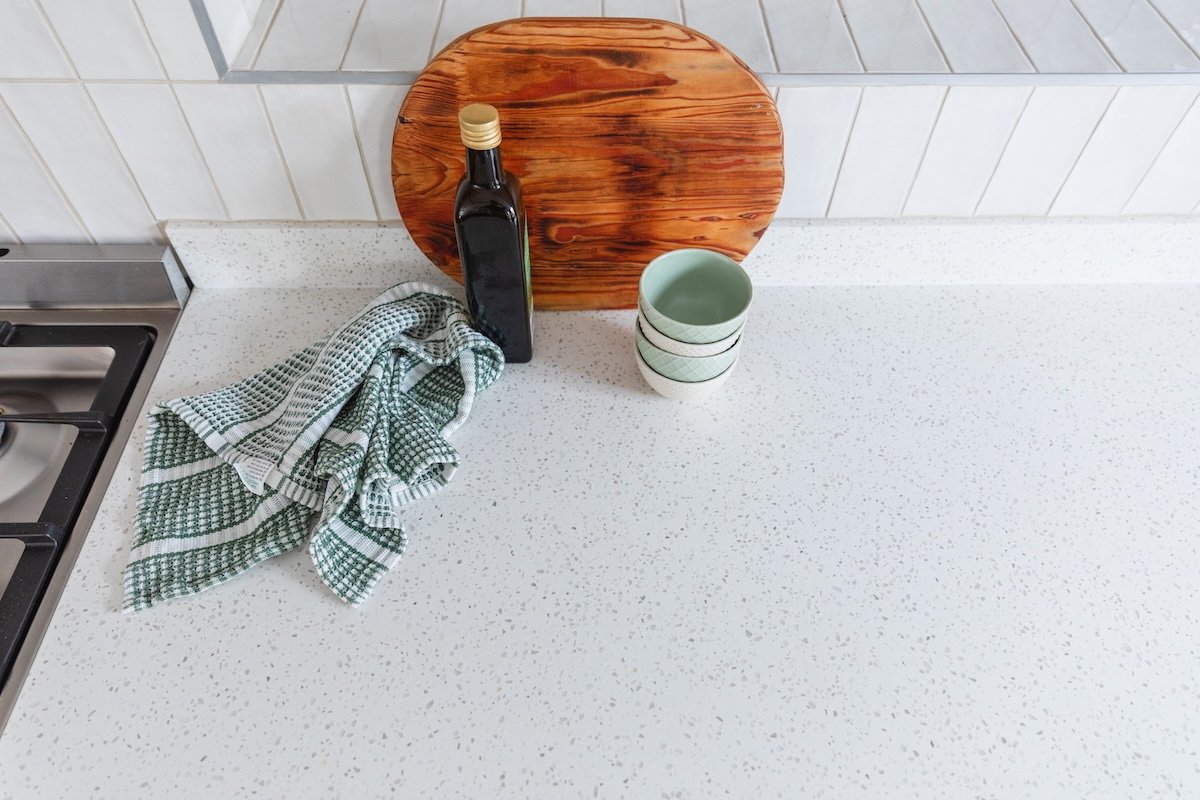
Recycled glass countertops are manufactured by binding glass fragments—sourced from bottles, windows, and industrial waste—with either a cement or resin base. Brands such as IceStone, Vetrazzo, and Curava offer a wide array of visual textures, from sophisticated, monochromatic looks to vibrant, mosaic-like patterns. From a performance standpoint, these surfaces are highly resistant to scratches and heat. However, consumers must distinguish between binders; resin-based glass surfaces are generally more stain-resistant, while cement-based options require periodic sealing to maintain their integrity.
Paper-based composites represent another significant leap in material science. Products like PaperStone and Richlite are crafted from layers of FSC-certified or recycled paper, which are saturated with petroleum-free phenolic resins and compressed under intense heat and pressure. The result is a dense, durable slab that feels soft to the touch but possesses the strength of stone. Conallen highlights the Italian-developed brand Fenix as a standout in this category, praising its beautiful matte finish and extreme durability. While these surfaces are heat resistant up to approximately 350 degrees Fahrenheit, they are also unique in that minor surface scratches can often be buffed out or repaired by the homeowner, a feature not typically found in natural stone.
The Rise of Sintered Stone: High-Tech Performance
Sintered stone has quickly become the primary competitor to traditional quartz for high-end kitchens and heavy-use environments. The manufacturing process, known as "sintering," mimics the natural metamorphic process that creates stone deep within the earth. Natural minerals, including porcelain and glass, are subjected to extreme pressure (over 5,000 tons) and temperatures exceeding 2,100 degrees Fahrenheit.
This process bonds the particles without the need for the high volumes of resin or silica found in engineered quartz. Leading brands such as Dekton by Cosentino, Neolith, and Lapitec have pioneered this category. The resulting slabs are virtually non-porous, making them immune to staining, UV-resistant for outdoor use, and so heat-tolerant that hot pans can be placed directly on the surface. Furthermore, many manufacturers are now producing "zero-silica" versions of sintered stone to stay ahead of tightening global regulations.
Soapstone: The Enduring Appeal of Natural Materials
For those seeking a return to authentic, natural materials, soapstone is experiencing a renaissance. A metamorphic rock composed primarily of talc, soapstone is naturally free of crystalline silica. Its aesthetic is characterized by a velvety texture and a color palette that ranges from soft grays and greens to deep charcoals.
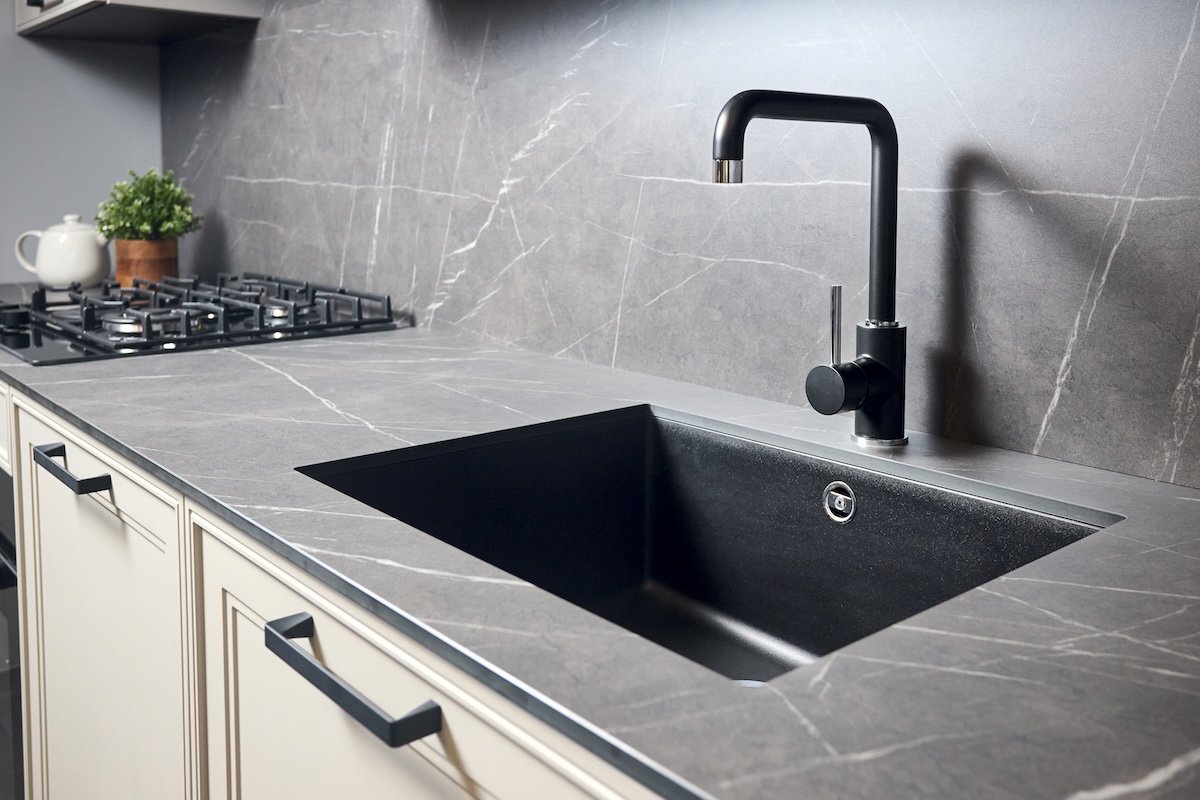
Soapstone is unique in its thermal properties; it is chemically inert and highly heat-resistant, historically used for wood stoves and laboratory tables. Because it is non-porous, it does not require chemical sealants and is naturally resistant to bacteria and acidic etching from lemon juice or wine. "Each slab of stone carries unique characteristics, personality, and porosity," Conallen explains. While soapstone is softer than quartz or sintered stone—meaning it may develop a "patina" of small scratches over time—these marks can be easily sanded away or treated with mineral oil to deepen the stone’s color.
Economic and Industrial Implications
The transition away from high-silica quartz is expected to have long-term economic implications for the global construction market. Manufacturers who fail to adapt their formulas to low-silica standards risk losing access to major markets like Australia and potentially the United States. Conversely, the demand for sintered stone and recycled composites is driving investment in new manufacturing facilities and R&D.
Furthermore, the shift is forcing a re-professionalization of the fabrication industry. Stricter enforcement of "wet cutting" techniques and the requirement for advanced ventilation systems are increasing the overhead costs for stone shops. While this may lead to a marginal increase in the price of finished countertops, industry advocates argue that the cost is a necessary trade-off for the elimination of a preventable occupational plague.
Conclusion: A New Standard for Home Design
The movement away from quartz is more than a passing design trend; it is a fundamental shift toward a more ethical and health-conscious building philosophy. As regulatory bodies continue to tighten the noose on crystalline silica, the innovation of silica-free alternatives will only accelerate.
For the modern homeowner, the wealth of available options—from the high-tech resilience of sintered stone to the sustainable charm of recycled glass and paper—ensures that style and performance do not have to be sacrificed for safety. By choosing these alternatives, designers and consumers are collectively setting a new standard for the industry, one where the beauty of a home is not built at the expense of those who help create it. Although existing quartz countertops remain safe for use in the home, the future of the industry clearly lies in materials that protect both the environment and the artisans who shape them.