admin
While spring is traditionally viewed as the primary season for garden activity, horticultural experts and soil scientists are increasingly emphasizing the strategic advantages of autumn planting for long-term landscape health. The period between late August and early November offers a unique environmental window characterized by warm soil temperatures and cooling ambient air, providing an optimal setting for root development without the physiological stress of summer heat. By shifting the planting schedule for spring-blooming perennials to the fall, gardeners allow plants to establish robust subterranean systems that translate into more vigorous growth and increased floral production during the subsequent growing season.
The Science of Autumn Root Establishment
The biological rationale for fall planting centers on the conservation of energy. As deciduous plants enter dormancy, they redirect their metabolic focus from foliage and flower production toward root expansion. Soil temperatures in the fall remain significantly higher than they are in the early spring, often lingering between 55°F and 75°F well into October in many temperate regions. This warmth, combined with the increased seasonal rainfall typical of autumn, encourages roots to grow into the surrounding soil before the ground freezes.
According to data from various university agricultural extensions, perennials planted in the fall are less likely to suffer from "transplant shock." In the spring, a newly planted perennial must simultaneously develop roots and support new leaf growth, a dual demand that often leads to water stress. In contrast, a fall-planted specimen enters the spring with an established root system, allowing it to capitalize on the first signs of warmth to produce foliage and blooms.
Chronology of the Planting Window: The Six-Week Rule
Timing is the most critical factor in successful autumn landscaping. Horticulturalists generally recommend a "six-week window" prior to the first hard frost. This duration is necessary for the plant to anchor itself and begin the process of nutrient storage.
- Late August to Mid-September: Ideal for dividing existing perennials and planting species that require more time to settle, such as Peonies or Oriental Poppies.
- Late September to Mid-October: The peak period for most herbaceous perennials. Soil moisture is generally consistent, and the threat of extreme heat waves has subsided.
- Late October to November: Primarily reserved for planting spring-flowering bulbs and the hardiest of perennials in southern USDA zones (7 through 11).
Comprehensive Profiles of Spring-Blooming Perennials
To maximize the aesthetic and ecological value of a garden, selecting a diverse array of species is essential. The following twenty-two perennials are specifically identified by landscape professionals as ideal candidates for fall installation.
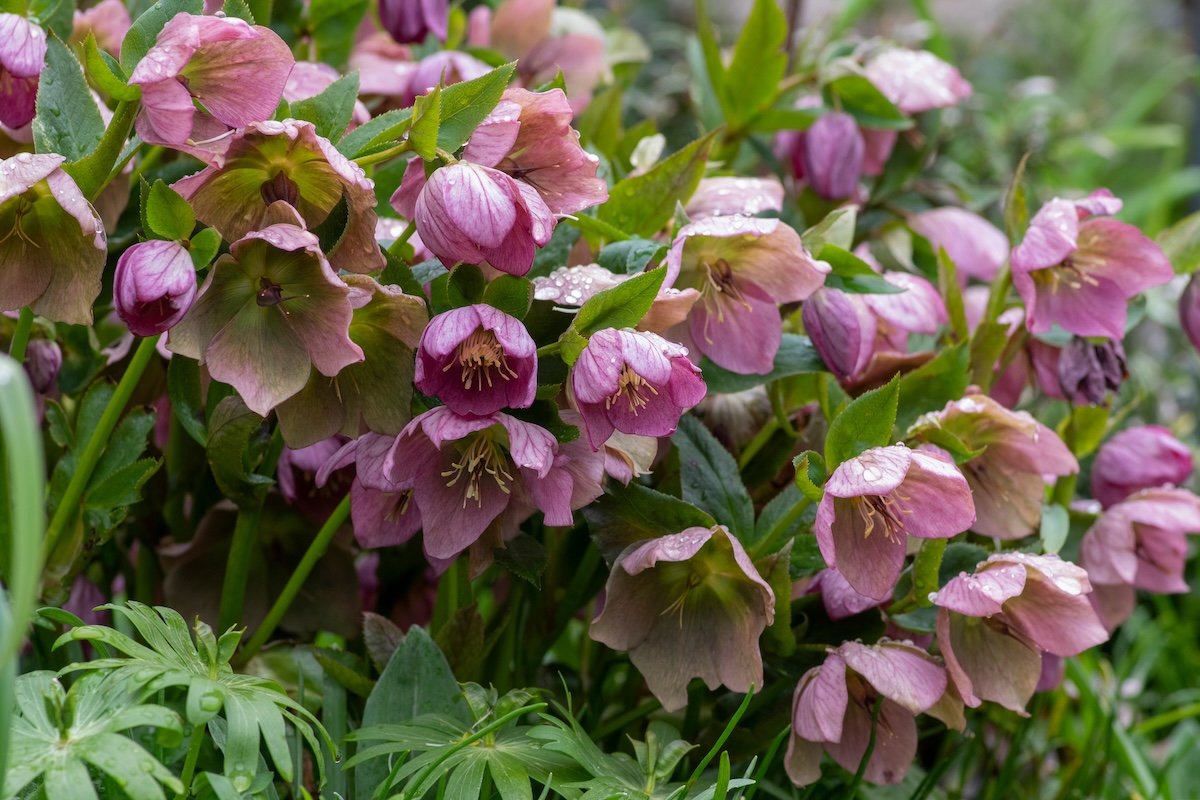
1. Hellebores (Helleborus spp.)
Commonly known as the Lenten Rose, Hellebores are among the earliest bloomers, often appearing while snow is still on the ground. They thrive in USDA zones 5 through 8 and prefer dappled sunlight. Their thick, leathery evergreen leaves provide year-round interest, while their nodding, cup-shaped flowers offer essential early-season nectar for emerging pollinators.
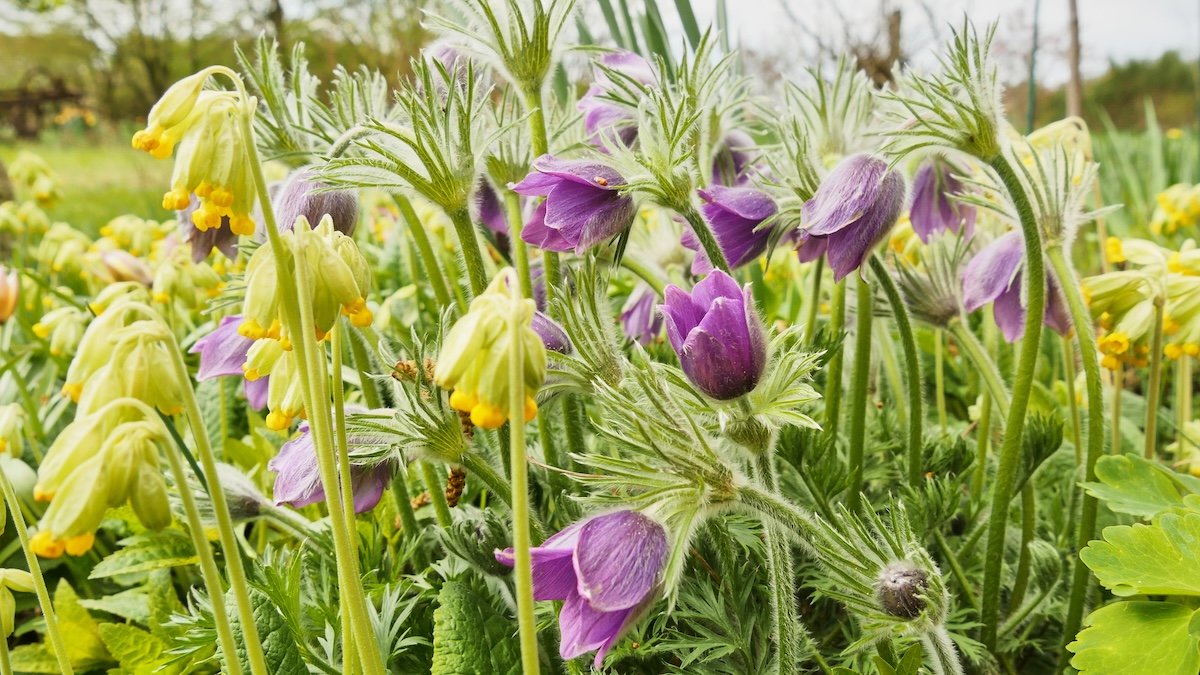
2. Pasque Flower (Pulsatilla vulgaris)
Native to the subalpine meadows of Europe and Asia, the Pasque Flower is a hardy specimen for zones 4 through 8. It features silky, filamentous foliage and vibrant purple blooms. Planting in early autumn allows this species to develop the deep taproot it requires for drought resistance.
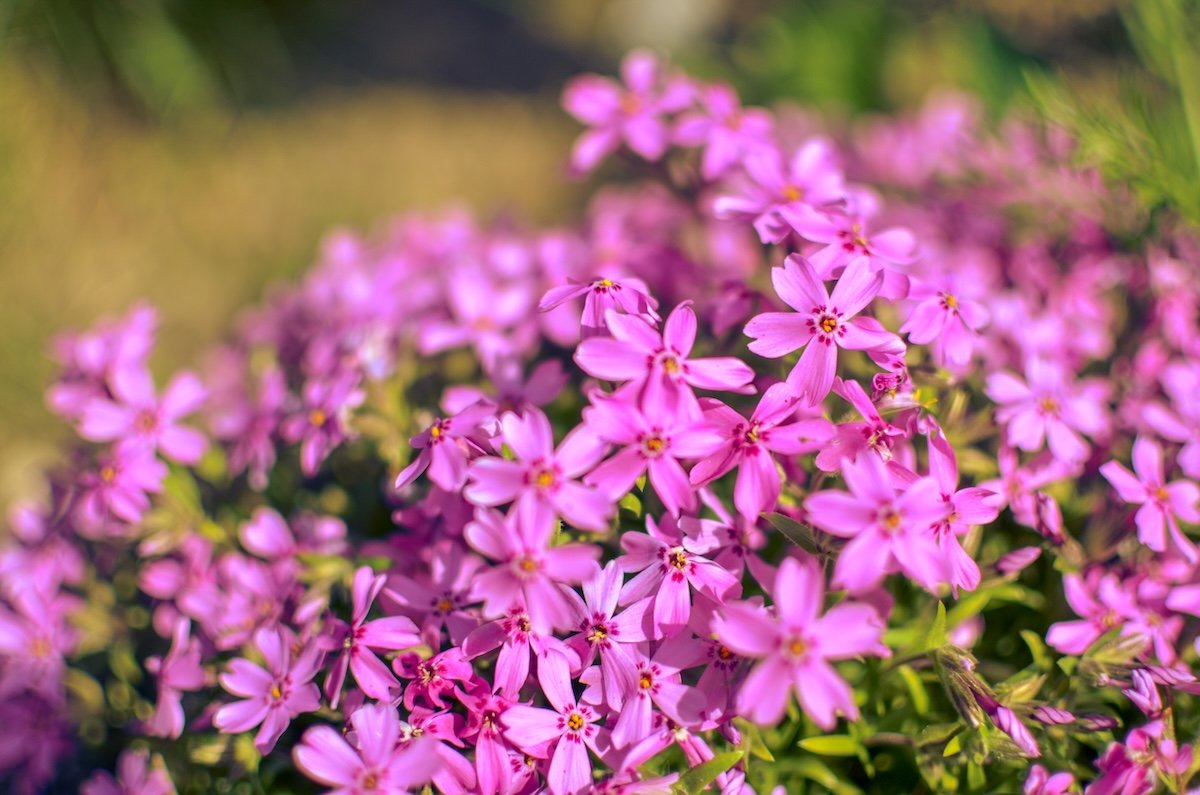
3. Creeping Phlox (Phlox subulata)
A staple of rock gardens, Creeping Phlox acts as a living carpet. When planted in the fall, it establishes the density required to produce a "blanket" of color by March or April. It is exceptionally hardy, spanning zones 3 through 9.
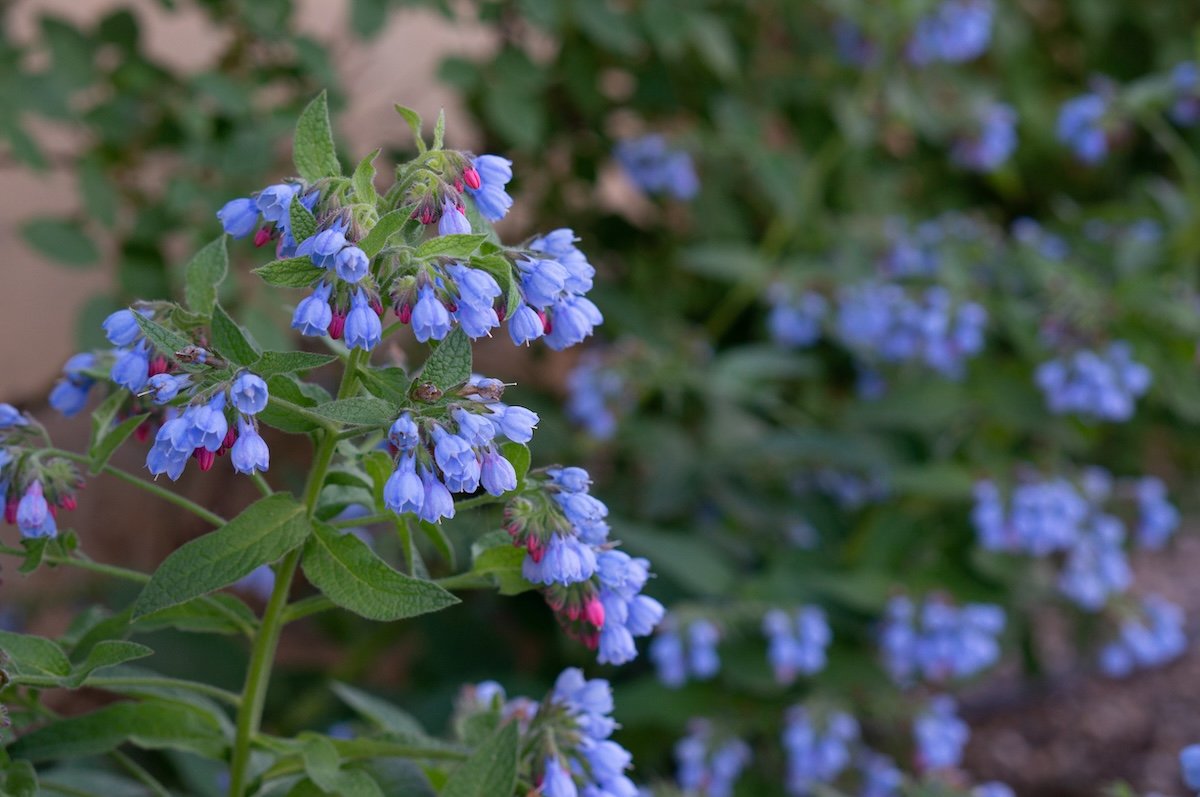
4. Virginia Bluebells (Mertensia virginica)
As a spring ephemeral, the Virginia Bluebell completes its life cycle quickly. Fall planting ensures the rhizomes are positioned to sprout at the first sign of spring thaw. They are best suited for moist, woodland-style gardens in zones 3 through 9.
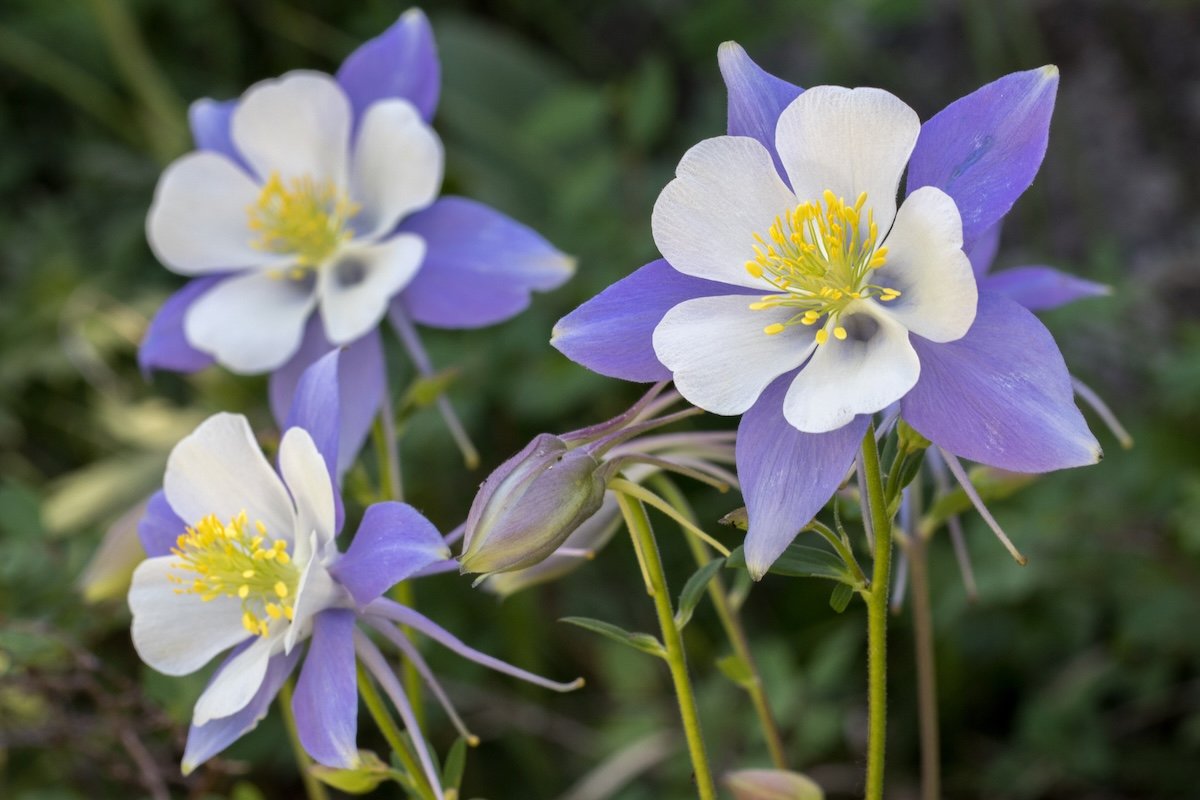
5. Columbine (Aquilegia spp.)
Known for their unique spurred petals, Columbines are short-lived perennials that readily self-seed. Planting them in the fall mimics their natural reproductive cycle, leading to higher germination rates for seed-grown varieties.
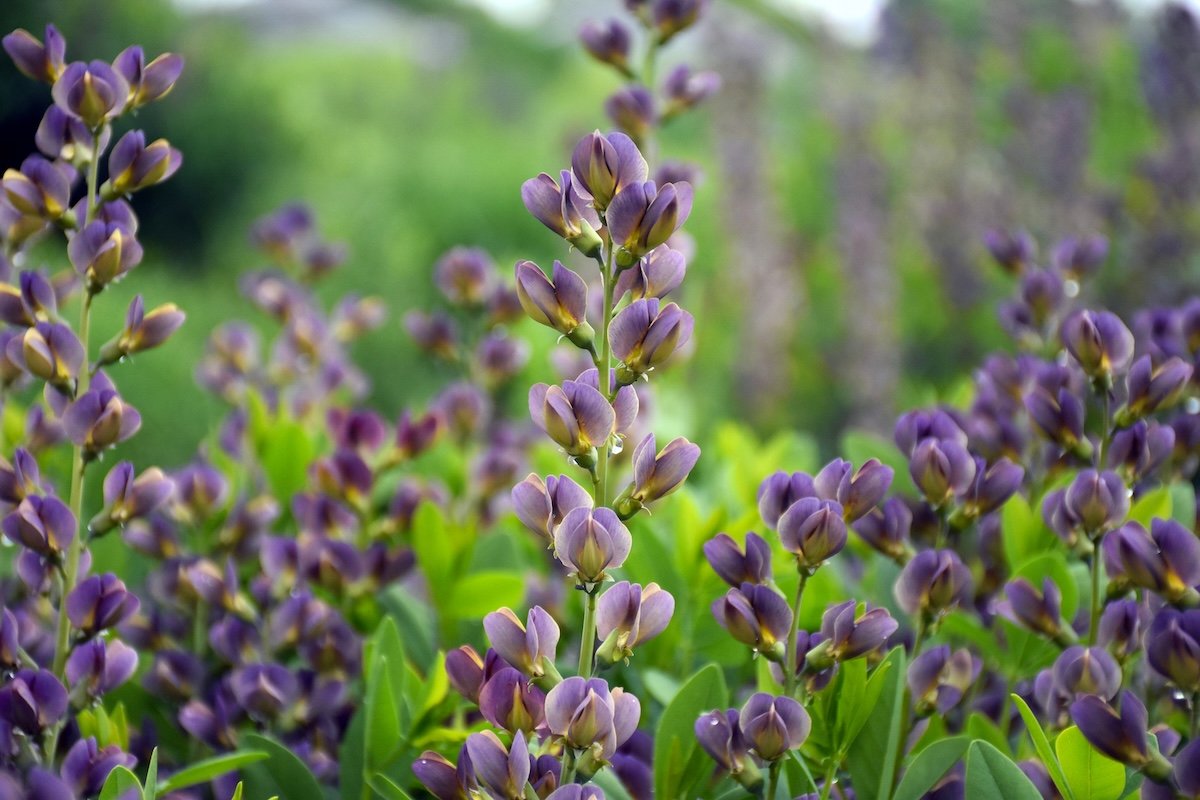
6. False Indigo (Baptisia spp.)
Baptisia is a nitrogen-fixing legume that develops a massive, shrub-like presence over time. Because it resents being moved once established, fall is the perfect time to site it permanently in a sunny location.
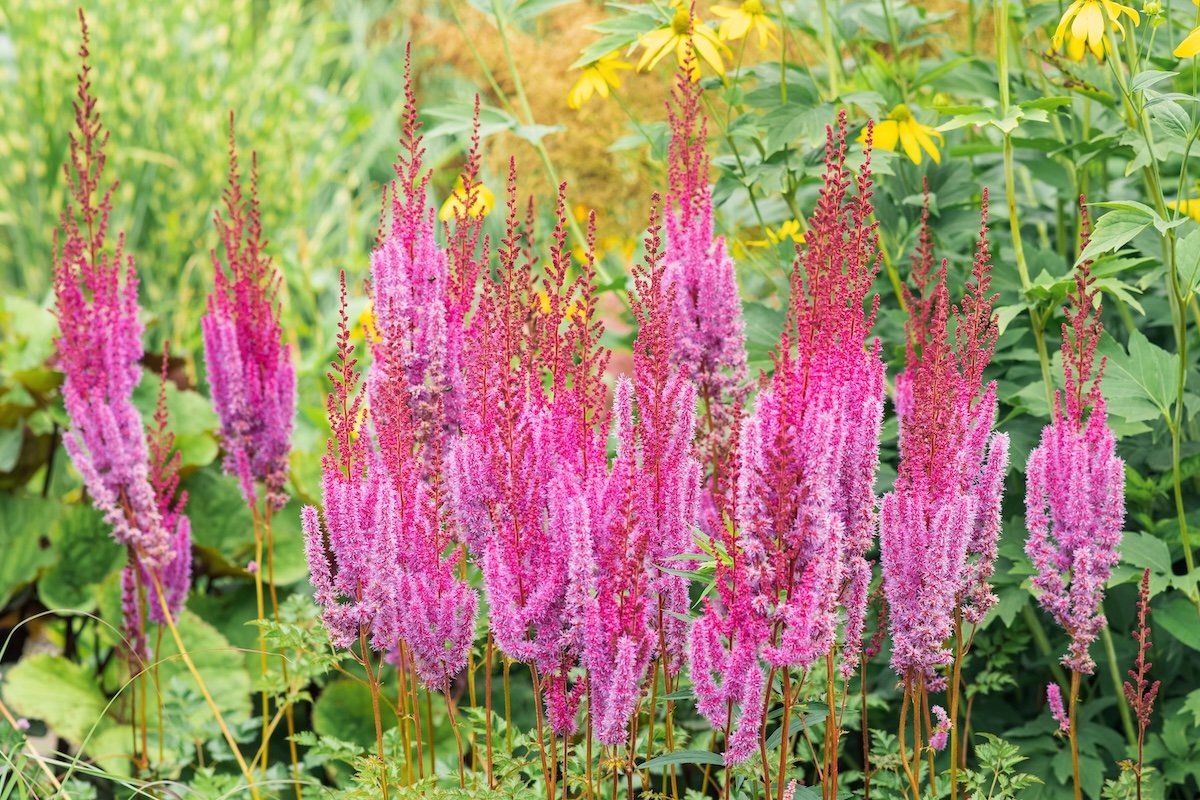
7. Astilbe (Astilbe spp.)
Astilbe is prized for its fern-like foliage and plumy flower spikes. It requires consistently moist soil, making the naturally wetter conditions of autumn an ideal time for installation to prevent the root ball from drying out.
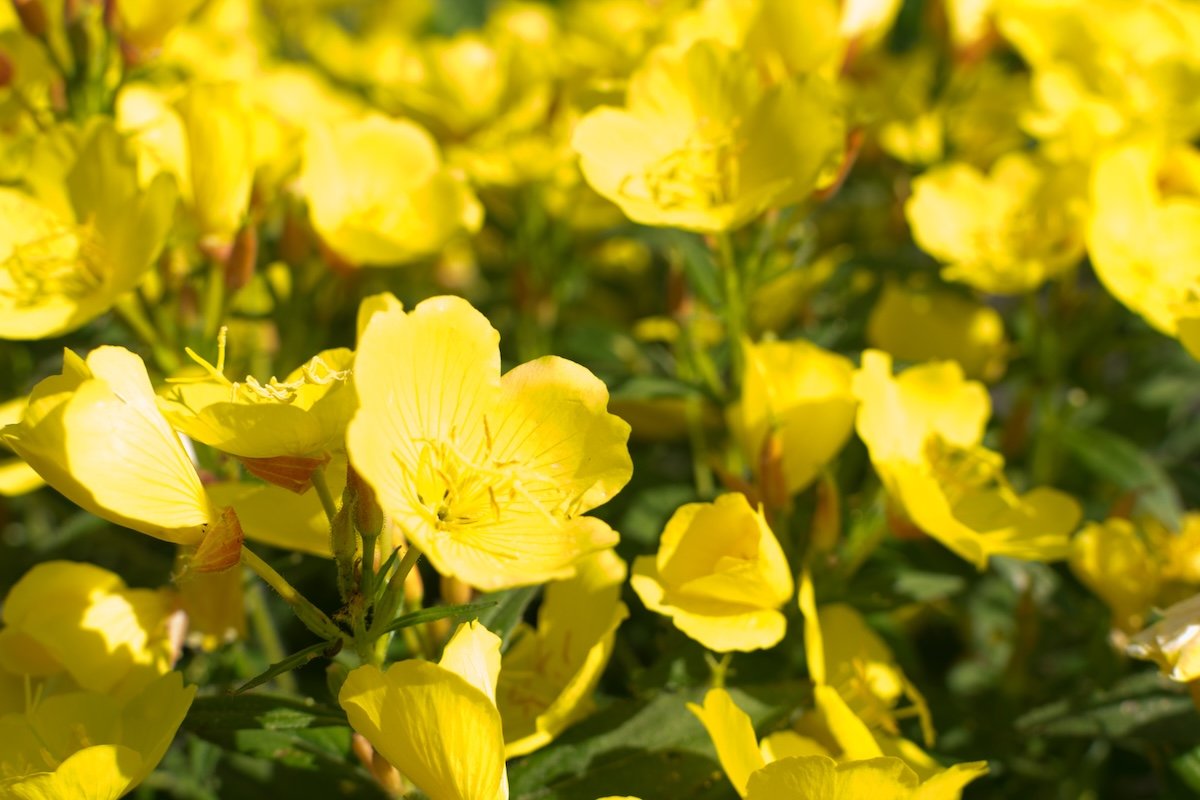
8. Sundrops (Calylophus hartwegii)
A drought-tolerant native of the Southwest, Sundrops produce brilliant yellow flowers. In warmer zones (5-9), fall planting allows them to settle without the threat of the intense sun that characterizes their native habitat.
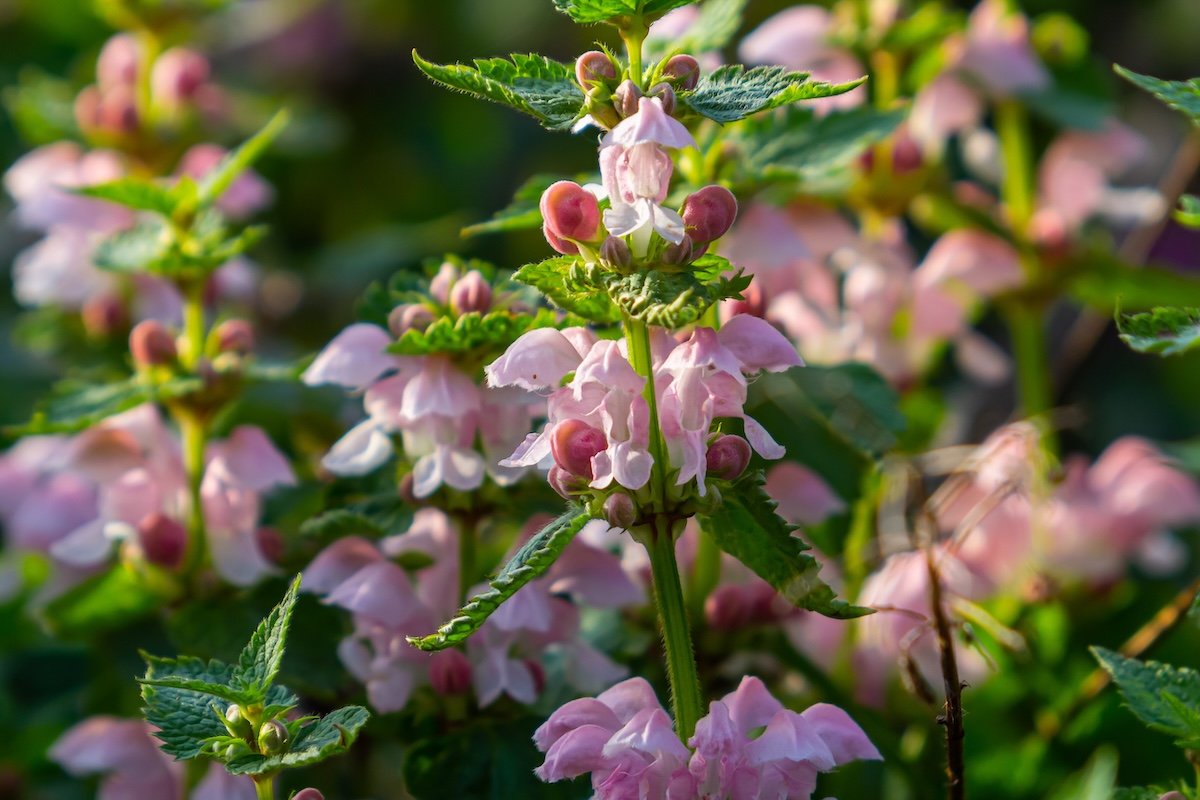
9. Spotted Dead Nettle (Lamium maculatum)
This vigorous groundcover is excellent for suppressing weeds in shaded areas. Its variegated foliage provides light in dark corners of the garden, and fall planting helps it spread before the spring growth surge.
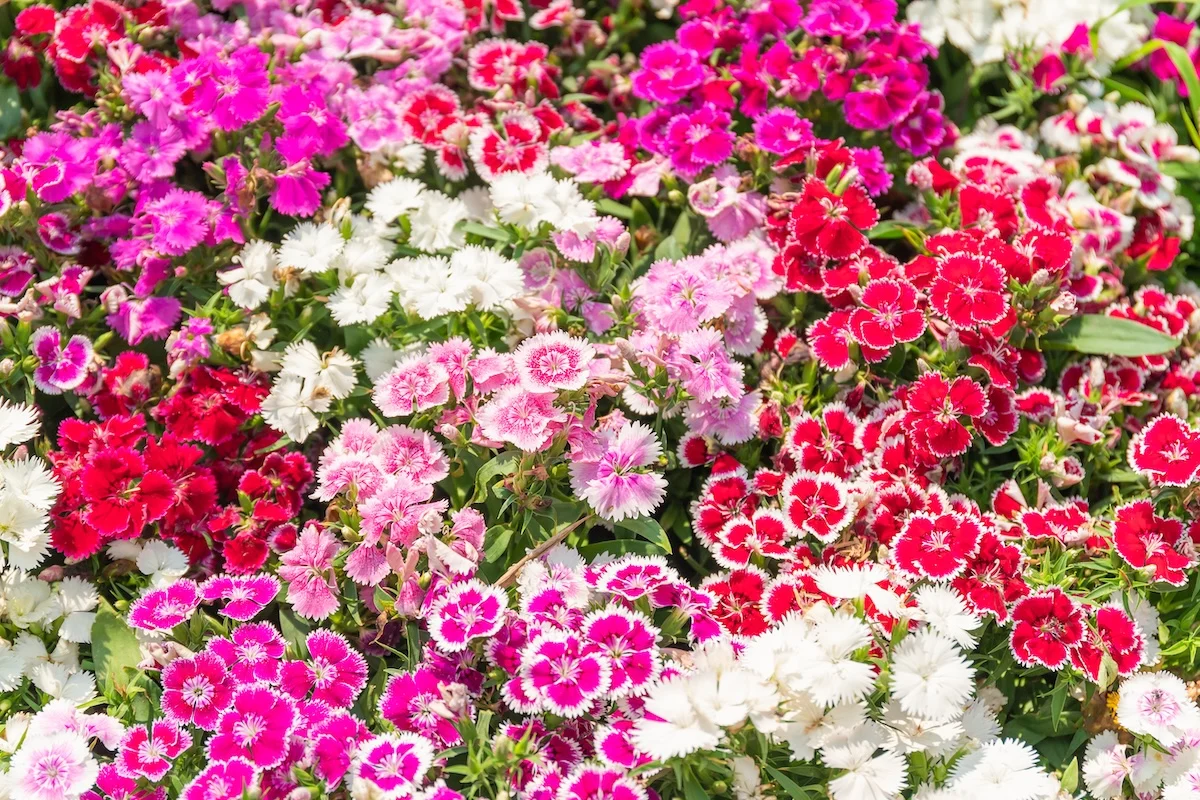
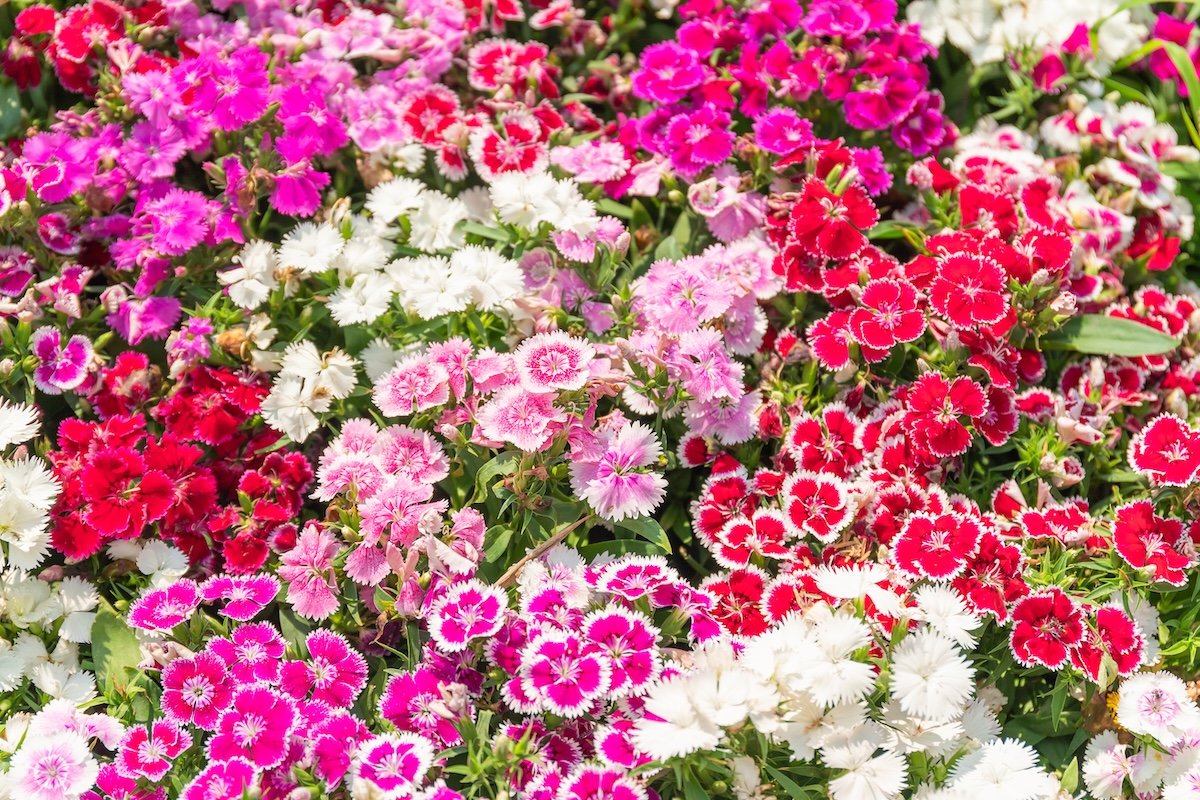
10. Dianthus (Dianthus spp.)
Often called "Pinks" due to their fringed edges, Dianthus offers a spicy, clove-like fragrance. They require excellent drainage, which is easier to monitor and manage during the moderate fall season.
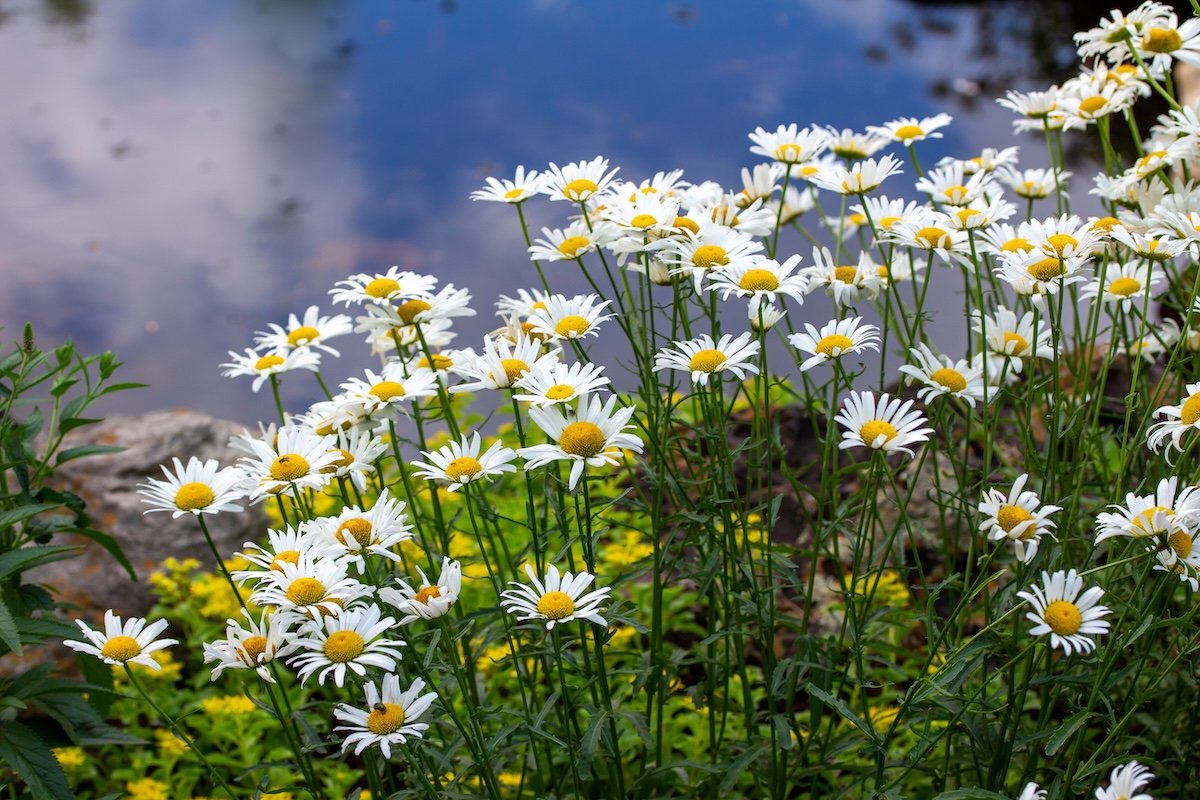
11. Shasta Daisy (Leucanthemum x superbum)
A classic of the perennial border, Shasta Daisies are exceptionally cold-hardy. Fall planting results in sturdier stems that are less likely to flop under the weight of their large white blooms in early summer.
12. Pincushion Plant (Scabiosa columbaria)
Scabiosa is a favorite for butterfly gardens. Its long-lasting blooms can extend from spring into autumn if deadheaded, and a fall start gives it the necessary vigor for this extended performance.
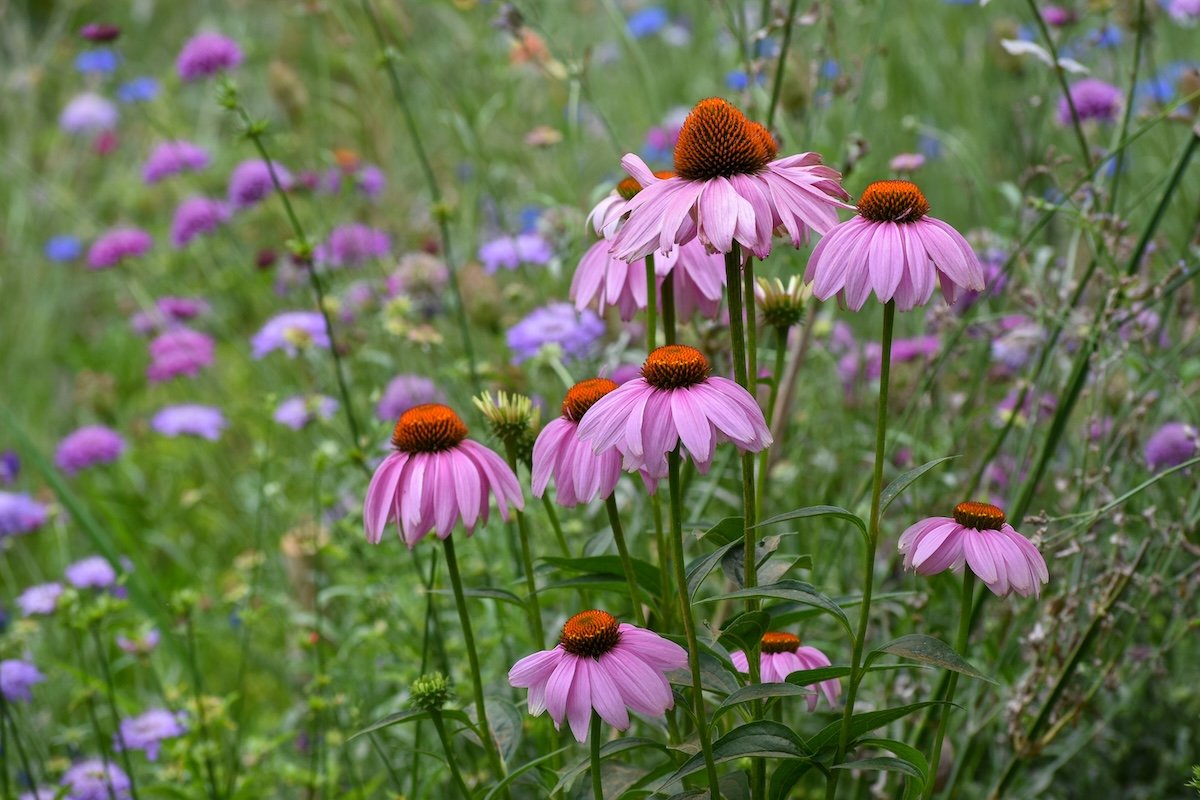
13. Purple Coneflower (Echinacea purpurea)
Echinacea is a cornerstone of the native prairie garden. It is a rugged plant that benefits from fall planting by establishing the deep roots necessary to withstand the mid-summer droughts of subsequent years.
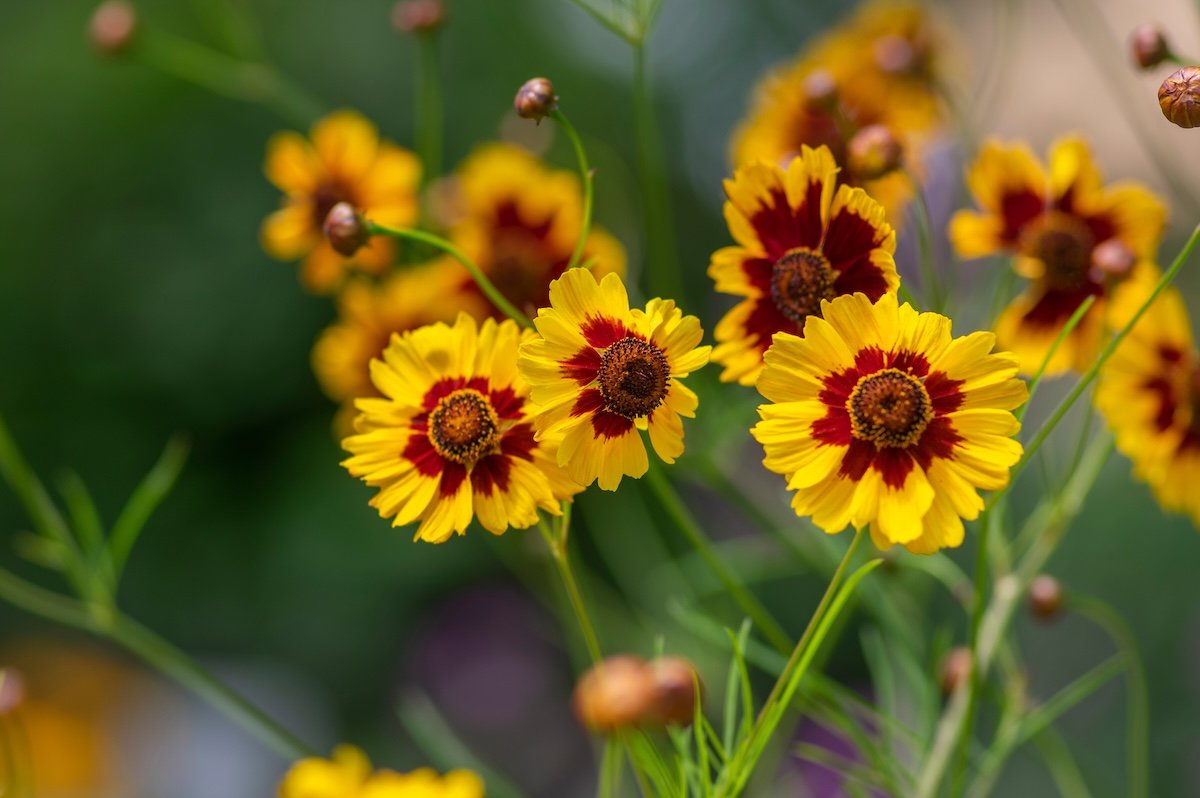
14. Tickseed (Coreopsis spp.)
Available in both mounding and upright varieties, Coreopsis provides a wealth of yellow, orange, and red blooms. It is a highly resilient genus that adapts well to various soil types when introduced during the cool season.
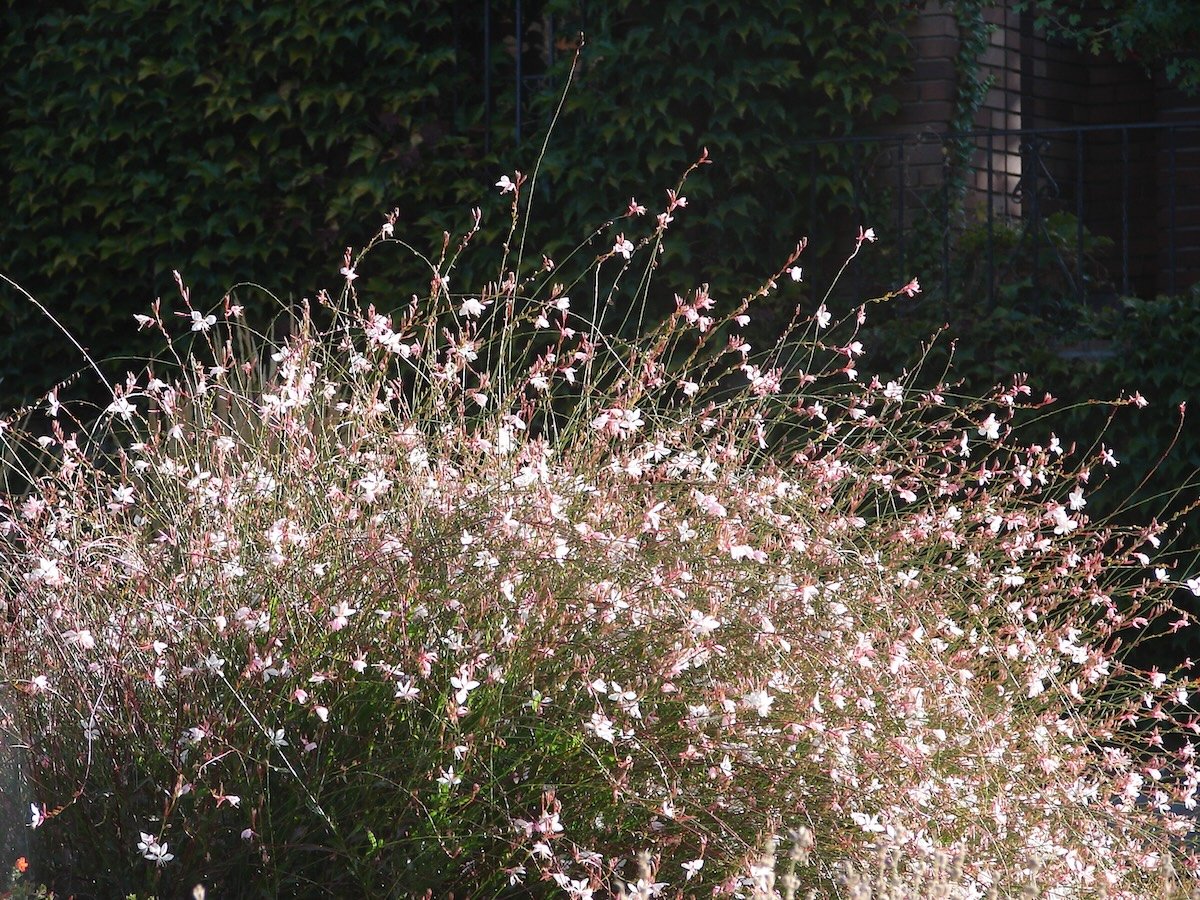
15. Whirling Butterflies (Oenothera lindheimeri)
Formerly known as Gaura, this plant features airy wands of white or pink flowers. It has a long taproot, which is best developed in the warm, loose soil of a fall garden bed.
16. Catmint (Nepeta spp.)
Catmint is a robust alternative to lavender for colder climates. It is highly attractive to bees and provides a soft, grey-green texture to the garden edge.
17. Bleeding Heart (Lamprocapnos spectabilis)
This old-fashioned favorite features heart-shaped flowers hanging from arching stems. It prefers the cool, moist conditions of fall to establish its fleshy root system.
18. Lantana (Lantana camara)
In zones 7 through 11, Lantana acts as a woody perennial. Planting in the fall in these regions allows it to become established before the minor frosts of winter, leading to a much larger shrub by the following summer.
19. Yarrow (Achillea millefolium)
Yarrow is nearly indestructible once established. Its feathery foliage and flat-topped flower clusters are hallmarks of the sustainable garden.
20. Cushion Spurge (Euphorbia epithymoides)
This plant provides a geometric, mounded shape and electric-yellow bracts in early spring. It is highly drought-tolerant and deer-resistant.
21. Oriental Poppy (Papaver orientale)
Oriental Poppies go dormant in the heat of summer. Therefore, fall is the only time they should be moved or planted, as they begin their new growth cycle during the cool autumn months.
22. Mexican Bush Sage (Salvia leucantha)
A late-season star that also benefits from fall planting to ensure its survival through winter in marginal zones, providing a velvet-textured floral display.
The Three-Year Rule: Managing Expectations
A common principle in perennial gardening is the "Sleep, Creep, Leap" adage. This framework helps gardeners understand the physiological timeline of their investments:
- Year One (Sleep): The plant focuses entirely on root establishment. Top growth may be minimal, and flowers may be sparse.
- Year Two (Creep): The plant begins to expand horizontally and vertically. Root systems are now capable of supporting more significant foliage.
- Year Three (Leap): The perennial reaches its mature size and produces the full abundance of flowers expected of the species.
By planting in the fall, the "Sleep" phase is partially completed during the winter months, often accelerating the transition to the "Creep" and "Leap" stages.
Broader Economic and Ecological Impact
The shift toward fall planting carries significant implications beyond individual aesthetics. From an economic perspective, landscaping is one of the few home improvements that offers a consistent return on investment. According to the Appraisal Institute, a well-landscaped home can see a price premium of 7% to 15% over properties with minimal greenery. Perennials are particularly cost-effective because, unlike annuals, they do not require yearly replacement.
Ecologically, fall-planted perennials contribute to "pollinator pathways." Early-blooming species like Hellebores and Phlox provide critical food sources for queen bees and other insects emerging from hibernation when few other nectar sources are available. Furthermore, the use of perennials reduces soil erosion and improves water infiltration compared to bare soil or turfgrass.
Technical Recommendations for Success
To ensure the survival of fall transplants, horticulturalists recommend the following technical steps:
- Hydration Management: Continue watering new plants until the ground is frozen. Even as top growth stops, roots remain active.
- Mulching: Apply a two-to-three-inch layer of organic mulch (such as shredded bark or compost) after the first light frost. This acts as insulation, preventing "frost heave"—a process where the soil freezes and thaws, physically pushing new plants out of the ground.
- Soil Amendment: Fall is an excellent time to incorporate compost. As the organic matter breaks down over winter, it improves soil structure and nutrient availability for the spring surge.
Conclusion
Autumn gardening represents a sophisticated approach to landscape management that aligns with the natural rhythms of plant physiology. By selecting the right species and adhering to a strategic planting timeline, property owners can ensure a more resilient, biodiverse, and aesthetically pleasing environment. The investment made in the cooling days of October yields a dividends of color and vitality that defines the hallmark of a mature, successful garden.