admin
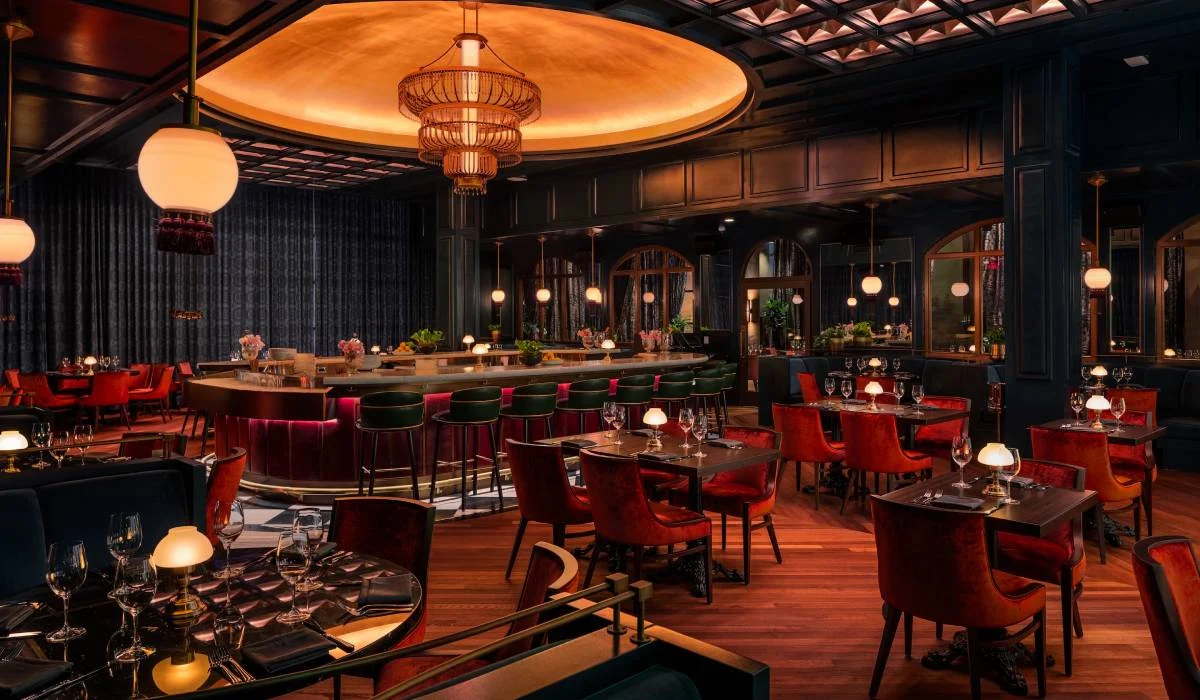
The landscape of the American hospitality industry marked a significant transition this week as Sam Fox, the visionary founder of Fox Restaurant Concepts (FRC), officially concluded his tenure with the organization he built over nearly three decades. The departure comes seven years after the initial agreement to sell the company to The Cheesecake Factory, signaling the final phase of a meticulously planned leadership transition. Fox’s last day was October 30, a date that represents both the end of an era for one of the nation’s most successful restaurant incubators and the beginning of a new chapter centered on luxury lifestyle hotels and independent culinary ventures.
The exit follows a multi-year period of integration and growth under the umbrella of The Cheesecake Factory (NASDAQ: CAKE). While the initial sale of Fox Restaurant Concepts occurred in 2019, the partnership between Fox and the parent company was designed to be collaborative and enduring. In a statement regarding his departure, Fox characterized the move as a natural evolution, noting that the timing was determined through a gradual, year-over-year transition rather than a rigid contractual deadline. He acknowledged the complexities of remaining at the helm of a business after its acquisition, stating that the extended partnership allowed for a stable hand during the company’s most significant scaling phase.
The Evolution of Fox Restaurant Concepts and the 2019 Acquisition
Sam Fox’s trajectory from a college dropout to a dominant force in the hospitality sector is often cited as a quintessential success story within the industry. Since opening his first concept, Wildflower, in Tucson in 1998, Fox has been responsible for the creation of more than 20 unique brands and the development of nearly 200 restaurants. His portfolio, which includes high-performing names such as True Food Kitchen, Flower Child, The Henry, and North Italia, earned him more than a dozen James Beard Award nominations and a reputation for "lifestyle" dining that prioritizes both aesthetic design and culinary consistency.
The acquisition by The Cheesecake Factory in October 2019 was a landmark deal valued at approximately $353 million. At the time of the sale, FRC operated 45 restaurants across seven states and Washington, D.C. The deal was structured to allow FRC to continue operating as a wholly-owned subsidiary based in Phoenix, Arizona, serving as an "innovation lab" for The Cheesecake Factory.
The strategy proved effective. Since 2019, FRC has expanded its footprint significantly, growing to 13 distinct concepts with more than 100 locations nationwide. North Italia, which was part of the broader acquisition strategy, has seen particularly aggressive growth, now boasting 52 locations. Analysts have frequently pointed to FRC as a primary growth engine for The Cheesecake Factory, providing the parent company with a diversified portfolio that appeals to a younger, more design-conscious demographic.
The Shift to Author & Edit Hospitality
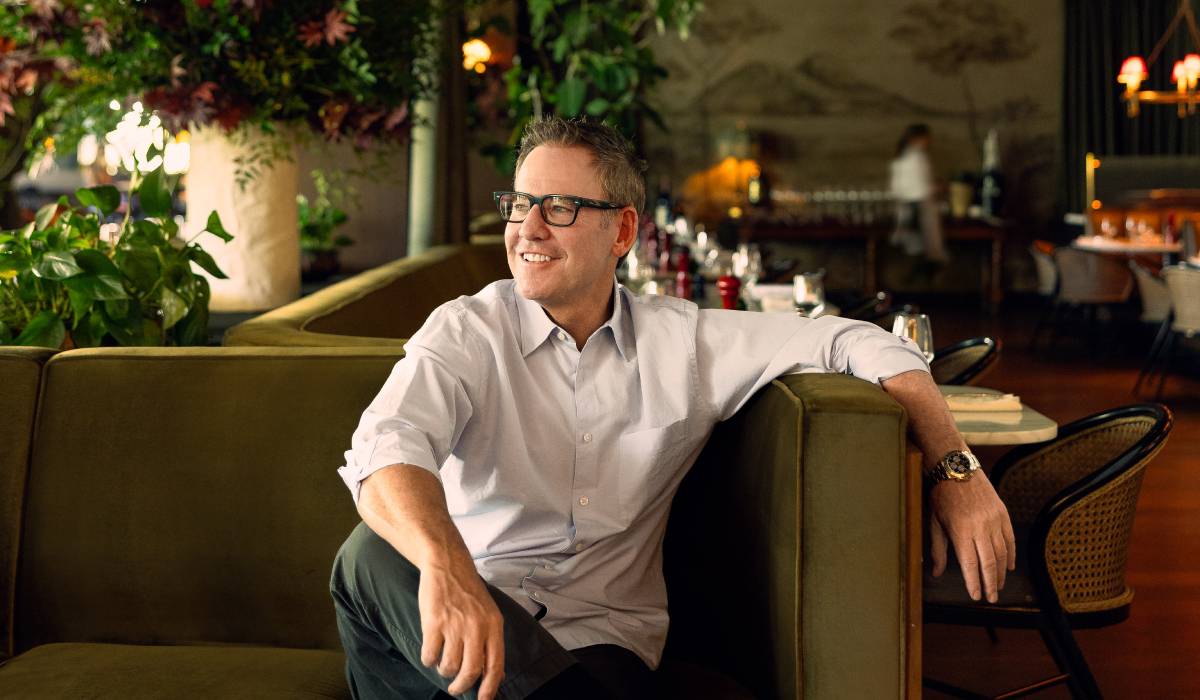
As the FRC transition team took over day-to-day operations, Fox shifted his creative focus toward a new entity: Author & Edit Hospitality. Founded in 2021, this new organization serves as the vehicle for Fox’s most ambitious projects to date, moving beyond the traditional restaurant model into the realm of luxury hotels and multi-level entertainment destinations.
The name "Author & Edit" reflects Fox’s personal philosophy regarding brand development. He describes the process as "authoring" an idea from scratch—taking a vision from paper to execution—and then "editing" it relentlessly based on real-world feedback from guests and employees. This iterative process is, according to Fox, where the "magic happens" in hospitality.
The first major project under this banner was The Twelve Thirty Club in Nashville, Tennessee. Developed in partnership with entertainer Justin Timberlake, the multi-level destination is inspired by the supper clubs of the Prohibition era, combining high-end dining with live music and social lounges. The success of the Nashville project established a blueprint for the type of experiential, high-touch hospitality Fox intended to pursue outside the corporate structure of FRC.
Redefining the Hotel Dining Experience: The Global Ambassador
The centerpiece of Fox’s current portfolio is The Global Ambassador, a luxury hotel in Phoenix that opened in December 2023. The project represents Fox’s entry into the hotelier space, a move prompted by his dissatisfaction with traditional hotel management models. Fox has historically criticized the "siloed" nature of hotel operations, where third-party companies often manage different aspects of the guest experience—such as valet, spa, and dining—leading to a fragmented and often diluted service culture.
In a departure from industry norms, Fox elected to operate The Global Ambassador as a truly independent hotel. He declined partnerships with major international brands like Marriott or Hyatt, opting instead to own and operate every facet of the business within the "four walls." This integrated approach was designed to ensure that the level of thoughtfulness and care usually reserved for boutique restaurants extended to every part of the hotel stay.
The Global Ambassador features five distinct original dining concepts, which have quickly become local landmarks:
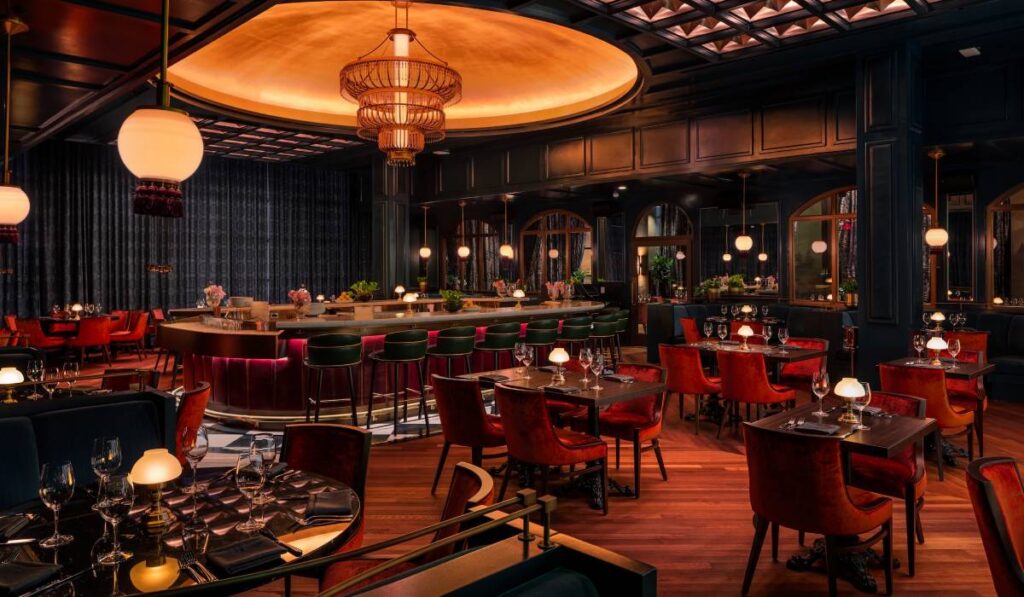
- Théa Mediterranean Rooftop: A Mediterranean-inspired destination offering mezze and house-made pastas with views of Camelback Mountain.
- Le Âme: A Parisian-style steakhouse and bistro.
- Pink Dolphin: A poolside bar and restaurant featuring Mexican and Peruvian influences.
- Le Market: A French-inspired bakery and café.
- Lobby Bar: A cocktail lounge featuring live jazz.
The hotel’s success was cemented in its first year when it earned a Michelin Key, a prestigious recognition for excellence in hotel hospitality. Fox noted that the transition from restaurateur to hotelier required a significant shift in operational mindset. While hotel rooms offer significantly higher profit margins—estimated at 70 to 75 cents per revenue dollar compared to the 20-cent margin typical of restaurants—the labor-intensive nature of Fox’s "everything-in-house" model required his team to adopt a "scrappier" restaurateur’s focus on efficiency.
Chronology of Key Milestones
- 1998: Sam Fox opens Wildflower in Tucson, marking the birth of Fox Restaurant Concepts.
- 2008: Launch of True Food Kitchen in partnership with Dr. Andrew Weil.
- 2011: North Italia begins its expansion as a flagship FRC brand.
- October 2019: The Cheesecake Factory acquires FRC for $353 million.
- 2021: Fox founds Author & Edit Hospitality and opens The Twelve Thirty Club in Nashville.
- December 2023: Opening of The Global Ambassador in Phoenix.
- October 30, 2024: Fox officially steps down from his role at FRC.
- 2027 (Projected): Planned openings for new ventures in Austin and Dallas.
Broader Industry Implications and Future Outlook
The departure of Sam Fox from FRC reflects a broader trend in the hospitality industry where successful creators are increasingly looking toward "lifestyle" and "mixed-use" developments. As the traditional casual dining segment faces headwinds from rising labor costs and changing consumer habits, high-end, experiential hospitality offers a way to capture a more resilient affluent market.
Industry analysts suggest that while FRC remains a healthy component of The Cheesecake Factory’s portfolio, the loss of Fox’s direct creative oversight will require the parent company to prove it can maintain the "innovation lab" spirit without its founder. For Fox, the future involves replicating his successful boutique models in new markets.
Author & Edit has already announced plans to expand The Twelve Thirty Club to Austin, Texas, and to bring the Théa Mediterranean Rooftop concept to Dallas, both scheduled for 2027. Furthermore, Fox has hinted at the development of a "sibling" hotel brand in Phoenix, which would likely be a smaller, more focused version of The Global Ambassador.
Fox’s shift away from the company that bears his name is not merely a retirement but a strategic pivot. By moving into the independent hotel and luxury realm, he is positioning himself to compete in a space where design, culture, and integrated service provide a competitive advantage over large-scale corporate hospitality. As he enters this new phase, Fox maintains that his 30 years of experience in the "scrappy" world of restaurants provides the necessary foundation for redefining the luxury hotel experience.
The official conclusion of his tenure at Fox Restaurant Concepts marks the end of one of the most successful founder-led runs in modern American dining. However, through Author & Edit Hospitality, the influence of Sam Fox on the national hospitality landscape appears poised to expand into even more sophisticated and integrated territories.