admin

The landscape of New Zealand Pinot Noir has undergone a significant transformation, moving beyond the "jammy, oak-laden Pinots of the early 2000s" to embrace a sophisticated profile characterized by freshness, sleekness, and an increasingly savoury complexity. While fruit purity remains a cornerstone, contemporary winemaking practices emphasize subtlety and terroir expression, with whole-bunch fermentation gaining popularity and oak influence receding to a supportive, background role. This stylistic evolution reflects a maturing industry, deeper understanding of diverse microclimates, and a global shift in consumer preferences towards wines of balance and nuance.
A Historical Trajectory: From Nascent Vineyards to Global Recognition
New Zealand’s viticultural journey began in the early 19th century, but it wasn’t until the latter half of the 20th century that the industry truly began to flourish. Pinot Noir, a notoriously fickle grape, found its footing in the country’s cool-climate regions, initially inspired by successes in Burgundy. Early plantings were experimental, and winemaking techniques often mirrored those of more established New World regions, sometimes leading to wines that prioritized ripeness and overt oak character. The 1990s and early 2000s saw a surge in production and international recognition, particularly for Marlborough Sauvignon Blanc, which inadvertently paved the way for other varietals. During this period, New Zealand Pinot Noir often presented with pronounced dark fruit, a plush texture, and a noticeable influence from new oak barrels, aiming for immediate appeal and a distinctive New World identity. This style, while popular, sometimes overshadowed the grape’s inherent elegance and regional specificities.
The turning point arrived as winemakers gained invaluable experience with their vineyards and the unique characteristics of New Zealand’s diverse terroirs. A new generation of viticulturists and winemakers, often with international experience, began to challenge the status quo, seeking to craft wines that spoke more clearly of their origin. This shift coincided with a broader global movement towards minimal intervention winemaking, organic and biodynamic viticulture, and a preference for freshness and restraint over power.
The Modern Paradigm: Purity, Precision, and Terroir Expression
Today’s New Zealand Pinot Noir embodies a philosophy centered on fruit purity and refined structure. The concept of "fruit purity" in this context refers to the unadulterated expression of the grape’s natural aromatics and flavours, unmasked by excessive winemaking interventions. This means meticulously managed vineyards, precise harvesting times, and gentle handling in the winery.
Evolving Winemaking Techniques
One of the most notable shifts is the increased adoption of whole-bunch fermentation. This technique, where entire grape bunches including stems are fermented, contributes several key elements to the wine:
- Structure and Tannin: Stems introduce fine, savoury tannins, adding complexity and backbone.
- Aromatic Complexity: They impart distinctive spicy, herbal, and earthy notes (e.g., black pepper, cardamom, forest floor) that complement the fruit.
- Freshness: Whole bunches can lower the overall pH, contributing to a fresher acidity profile.
- Texture: They can lend a certain textural suppleness and lengthen the finish.
While not universally applied, its strategic use in varying percentages has become a hallmark of many premium New Zealand Pinot Noirs, moving away from the more fruit-forward, destemmed styles of the past.
Alongside whole-bunch fermentation, oak management has become significantly more nuanced. The era of overt, new oak aromas (vanilla, toast, coconut) has largely subsided. Modern winemakers predominantly use older, larger format oak barrels (puncheons, foudres) or a judicious proportion of new oak that is carefully integrated. The goal is to provide textural enhancement, allow for slow oxygen exchange, and contribute subtle spice notes without dominating the delicate fruit character. This shift highlights a desire for oak to be a supporting actor, not the lead. Furthermore, some producers are experimenting with concrete eggs or amphorae for fermentation and aging, further emphasizing texture and pure fruit expression.
Regional Diversity: A Tapestry of Terroirs
New Zealand’s long, narrow geography and diverse geological history create a mosaic of distinct wine regions, each imparting a unique character to its Pinot Noir. While the original article highlights Central Otago, Marlborough, and Martinborough, a deeper exploration reveals the specific environmental factors and historical developments that define their signature styles.
Central Otago: Concentrated Dark Fruit and Alpine Influence
Central Otago, nestled in the heart of the South Island, stands as the world’s most southerly wine region. Its unique inland, continental climate is characterized by significant diurnal temperature variations—hot, dry summers with intense sunlight, followed by dramatically cool nights. This extreme fluctuation promotes slow ripening, preserving acidity while allowing for optimal phenolic maturity. The region’s soils are predominantly schist-derived, often mixed with glacial loess and alluvial gravels, providing excellent drainage and varying mineral profiles.
Pinot Noirs from Central Otago are renowned for their concentrated darker fruit profiles, often exhibiting notes of black cherry, plum, blackberry, and wild berry, frequently intertwined with savoury elements of dried herbs, liquorice, and a distinct mineral backbone. The wines tend to be robust, with firm tannins and a powerful structure, yet maintain a vibrant acidity that ensures longevity. Key sub-regions like Bannockburn, Gibbston, Bendigo, and Pisa each offer subtle variations: Gibbston, with its cooler, higher altitude vineyards, tends towards brighter acidity and redder fruit; Bannockburn produces wines of great intensity and ripeness; while Bendigo often yields powerful, structured wines with deep colour. The region’s pioneering efforts in the 1980s and 90s, by estates like Rippon and Felton Road, laid the groundwork for its current global prestige.
Marlborough: Juicy Red Fruit and Maritime Finesse
Marlborough, located at the northeastern tip of the South Island, is synonymous with Sauvignon Blanc, but its Pinot Noir production has steadily gained prominence. Despite its relatively cooler, maritime climate compared to Central Otago, Marlborough benefits from abundant sunshine and a dry growing season, protected by mountain ranges. The soils are predominantly alluvial gravels and silts, deposited by ancient rivers, offering good drainage and varying fertility.
Marlborough Pinot Noirs present a juicy, redder spectrum of fruit, typically showcasing flavours of raspberry, cranberry, red cherry, and sometimes a hint of strawberry. These fruit notes are often complemented by subtle herbal characteristics, floral notes, and a fine thread of minerality. The wines tend to be vibrant and approachable, with softer tannins than their Central Otago counterparts, yet possessing a refreshing acidity and a silky texture. The focus here is often on elegance and immediate appeal, while more complex examples demonstrate significant ageing potential. The Wairau and Awatere Valleys, the primary sub-regions, contribute different nuances, with Awatere wines often exhibiting a more savoury, mineral edge due to its cooler, windier conditions.
Martinborough: Savoury Structure and Old-World Resonance
Situated at the southern tip of the North Island, Martinborough is a small yet highly influential wine region. Its climate is characterized by low rainfall, significant wind exposure, and distinct diurnal temperature shifts, reminiscent in some ways of Burgundy’s Côte d’Or. The region’s defining feature is its ancient alluvial terraces, composed of deep, free-draining gravels over a clay subsoil. This unique geological formation, often referred to as the "Martinborough Terrace," forces vines to struggle, leading to low yields and concentrated fruit.
Pinot Noirs from Martinborough are celebrated for their savoury structure, often displaying complex notes of forest floor, mushroom, game, dried herbs, and spice, layered over a core of dark cherry and plum fruit. The wines are typically distinguished by their firm, often chewy tannins, excellent acidity, and a profound textural complexity that suggests age-worthiness. Martinborough’s pioneering wineries, such as Ata Rangi and Martinborough Vineyard, were instrumental in establishing New Zealand’s reputation for high-quality Pinot Noir in the 1980s, focusing on clonal selection and vineyard management tailored to the region’s specific conditions. Their wines often exhibit a compelling balance between fruit intensity and earthy complexity, appealing to those who appreciate a more Burgundian style.
Emerging and Complementary Regions
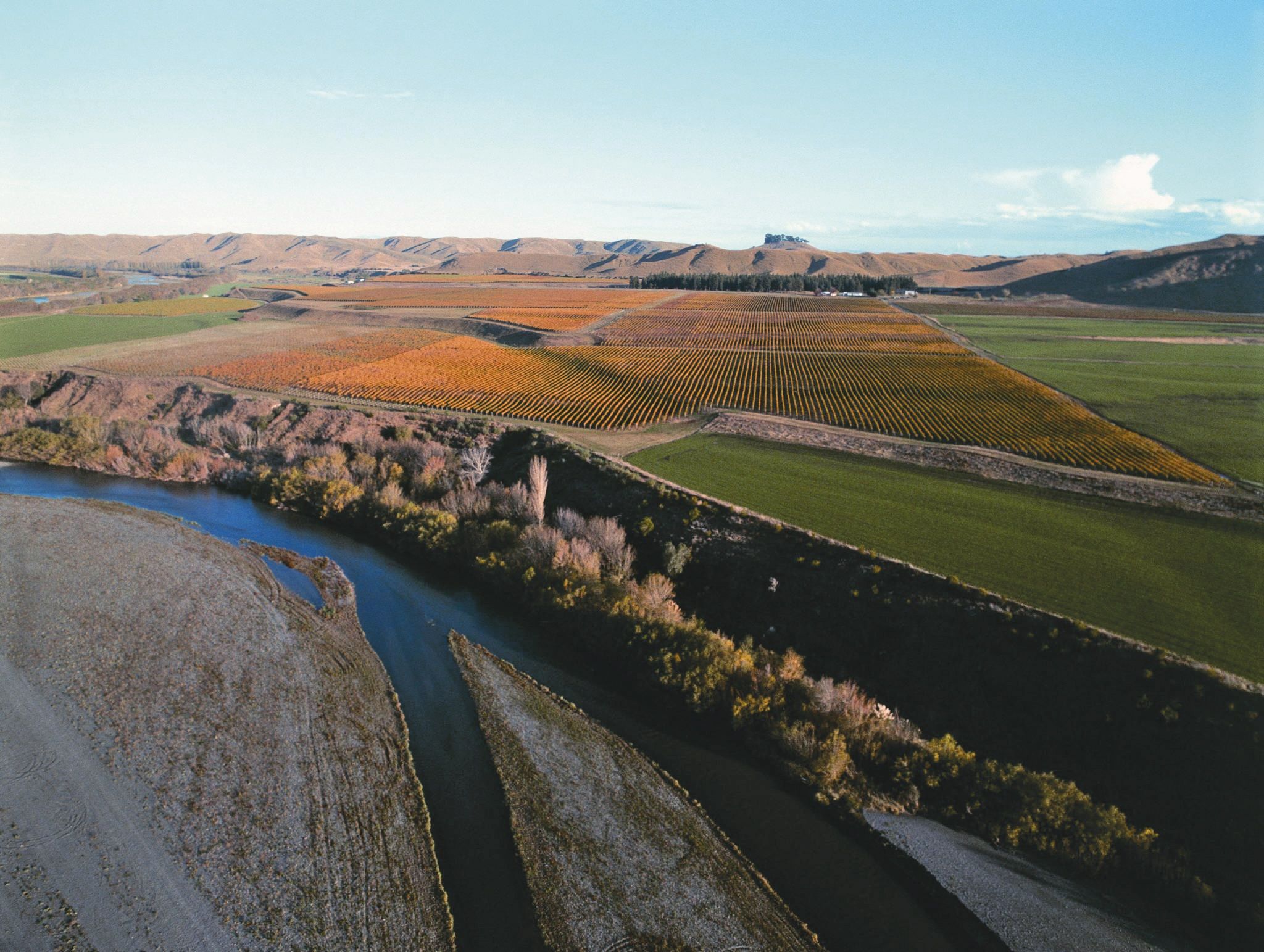
While these three regions dominate the narrative, other areas contribute to New Zealand’s diverse Pinot Noir portfolio. Waipara Valley in North Canterbury, for instance, offers a similar savoury profile to Martinborough but often with a distinct mineral streak from its limestone soils. Hawke’s Bay, traditionally known for Cabernet blends and Syrah, also produces elegant Pinot Noirs, often displaying a softer, fruitier style with good structure, reflecting its warmer climate and diverse soils. The vineyard pictured, Woodthorpe Terrace, is part of Te Mata Estate Winery in Hawke’s Bay, underscoring the region’s broader viticultural ambitions beyond its most famous varietals. These regions further enrich the "style chameleon" aspect, demonstrating the grape’s adaptability across New Zealand’s varied landscapes.
Supporting Data and Market Dynamics
The evolution of New Zealand Pinot Noir is underscored by robust growth in production, exports, and critical acclaim. According to New Zealand Winegrowers, Pinot Noir is the country’s second-most planted grape varietal after Sauvignon Blanc, accounting for approximately 15% of the total vineyard area, with over 5,900 hectares under vine as of 2023. This represents a significant expansion from the early 2000s, reflecting sustained investment and confidence in the varietal.
Export figures highlight Pinot Noir’s increasing global appeal. While Sauvignon Blanc remains the dominant export, Pinot Noir contributes substantially to the country’s premium wine portfolio. Key export markets include Australia, the United Kingdom, the United States, and Canada, where consumers are increasingly seeking out high-quality, distinctive red wines. The average value per litre for New Zealand Pinot Noir exports often exceeds that of other varietals, indicating its premium positioning and strong brand perception.
International wine critics and competitions consistently award high scores and medals to New Zealand Pinot Noirs, further cementing their reputation. Publications like Decanter, Wine Spectator, and Robert Parker’s Wine Advocate frequently feature glowing reviews, praising the wines for their balance, complexity, and regional authenticity. This critical endorsement plays a crucial role in driving consumer interest and market demand.
Industry Perspectives and Strategic Vision
The New Zealand wine industry, represented by organizations like New Zealand Winegrowers, actively supports the development and promotion of Pinot Noir. Their strategic focus includes continued investment in viticultural research, particularly concerning clonal selection, canopy management, and sustainable practices. The "Sustainable Winegrowing New Zealand" (SWNZ) programme, established in 1995, is a testament to the industry’s commitment to environmental stewardship, with over 96% of all vineyard area certified sustainable. This commitment resonates with environmentally conscious consumers globally and reinforces the premium image of New Zealand wines.
Winemakers across the country express a collective dedication to allowing the terroir to speak through their wines. There is a strong sense of collaboration and knowledge-sharing within the industry, fostering innovation and continuous improvement. Many winemakers emphasize a philosophy of minimal intervention, aiming to guide the grape from vine to bottle with respect for its inherent characteristics. This approach is fundamental to achieving the "purity" and "savoury structure" that define modern New Zealand Pinot Noir.
Broader Implications and Future Outlook
The stylistic evolution of New Zealand Pinot Noir carries significant implications for the country’s wine industry and its global standing.
- Strengthening Brand Identity: It reinforces New Zealand’s position as a producer of world-class, premium wines beyond its iconic Sauvignon Blanc. This diversification enhances the country’s overall brand image and resilience in competitive global markets.
- Economic Impact: The growth of the Pinot Noir sector contributes significantly to regional economies, supporting employment in vineyards, wineries, and related industries, as well as boosting wine tourism.
- Sustainability Leadership: The industry’s proactive stance on sustainability sets a benchmark for other wine-producing nations, aligning with growing consumer demand for ethically produced goods.
- Innovation and Adaptation: Ongoing experimentation with viticultural techniques, clonal material, and winemaking practices ensures that New Zealand Pinot Noir will continue to evolve. This includes adapting to the challenges of climate change, with research into drought-resistant rootstocks and new vineyard sites being crucial.
- Consumer Engagement: The increasing complexity and regional diversity of New Zealand Pinot Noir offer a richer, more engaging experience for wine enthusiasts, encouraging exploration and appreciation of different styles.
In conclusion, the journey of New Zealand Pinot Noir from its early, often fruit-forward iterations to its current state of sophisticated elegance is a testament to the dedication, innovation, and deep understanding of its winemakers and unique terroirs. The "style chameleon" has not merely adapted; it has matured, revealing a multifaceted personality that promises continued critical acclaim and enduring appeal on the global stage, solidifying New Zealand’s reputation as a premium wine-producing nation.