admin
admin
The craft beer industry, which began its meteoric rise in the United States during the 1980s and 1990s, has undergone a radical transformation characterized by shifting consumer preferences and technical experimentation. In the early days of the movement, breweries focused largely on reviving traditional European styles, such as Pale Ales, Porters, and Stouts. However, as the market reached a point of saturation—with over 9,000 craft breweries operating in the U.S. as of the early 2020s—the necessity for differentiation has driven brewers to explore the boundaries of fermentation. This exploration has led to the emergence of the "smoothie sour," a style that blends the acidity of traditional sour beers with the viscous, fruit-heavy profile of a culinary smoothie.
The Genesis of the Smoothie Sour Style
The smoothie sour did not emerge in a vacuum. It is the result of a multi-decade evolution that began with the revival of historical styles like the German Gose and the Belgian Lambic. By the mid-2010s, "kettle sours"—beers soured quickly in the brew kettle using Lactobacillus—became a staple of craft taprooms. These beers offered a tart, refreshing alternative to the hop-heavy India Pale Ales (IPAs) that had dominated the market for years.
As breweries sought to distinguish their products, they began adding increasingly large volumes of fruit purée to these sour bases. The transition from "fruited sour" to "smoothie sour" occurred when brewers stopped filtering the fruit and started incorporating "adjuncts"—ingredients not traditionally found in beer—such as marshmallow, vanilla, lactose (milk sugar), and even cacao nibs. The result is a beverage that often resembles a thick fruit juice or a dessert more than a traditional lager or ale.
Pioneer Case Study: Imprint Beer Company
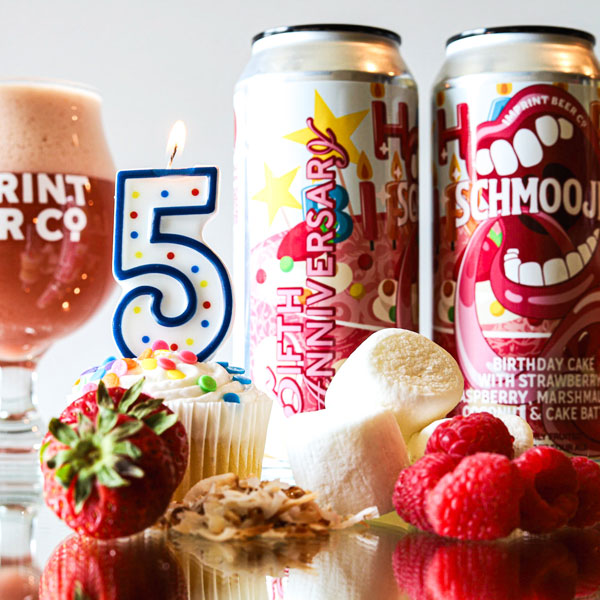
Located in Hatfield, Pennsylvania, Imprint Beer Company is widely recognized as a pioneer in the smoothie sour movement. Founded in 2018, the brewery initially gained traction with a variety of styles, but it was a specific event that defined their trajectory. According to co-founder and brewer Ryan Diehl, the brewery’s "coming out party" featured the debut of Puffsicle, a smoothie sour brewed with a complex blend of raspberry, blueberry, pineapple, and marshmallow.
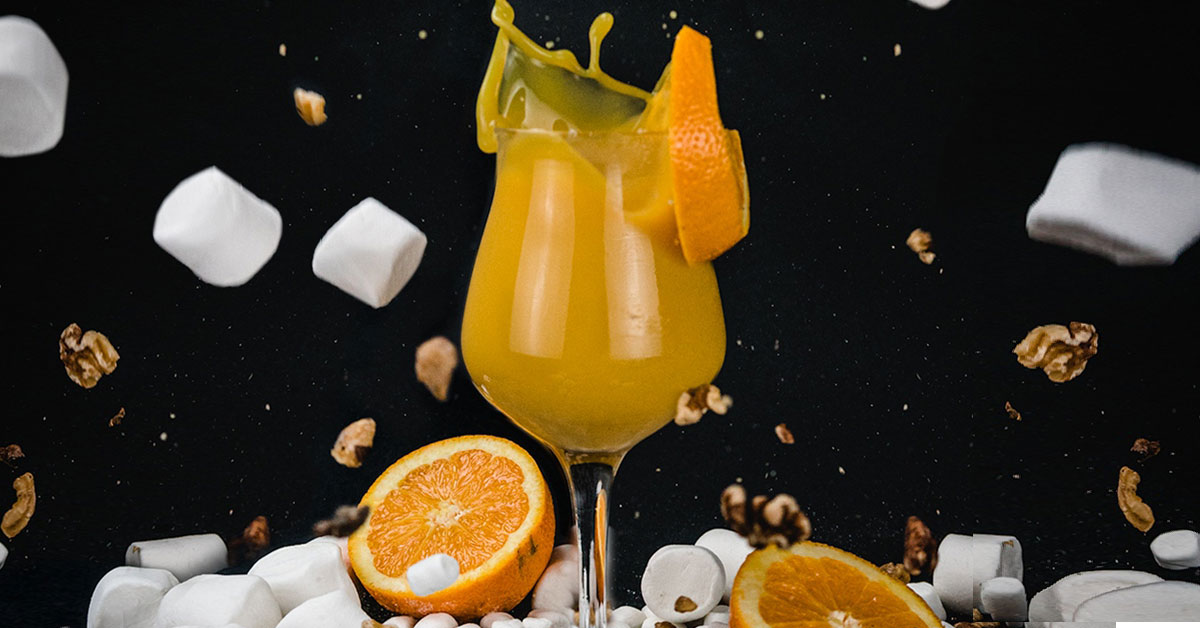
The overwhelming consumer response to Puffsicle led to the creation of the "Schmoojee" line, which has since become a cornerstone of the brewery’s identity. The Schmoojee series is noted for its bold use of culinary ingredients, including cheesecake, white chocolate, and fudge. The production process for these beers is distinct from traditional brewing; after an initial fermentation period of eight to eleven days, the base sour is blended with massive quantities of unfermented fruit and adjuncts. This method requires precise temperature control and, frequently, post-packaging pasteurization to ensure stability, as the high sugar content could otherwise lead to secondary fermentation and potential packaging failure.
Strategic Reinvention: 903 Brewers
In Dallas, Texas, the adoption of the smoothie sour was a strategic response to a changing beverage market. 903 Brewers had been in operation for six years before they ventured into the style. Owner Jeremy Roberts noted a significant shift in consumer behavior, specifically the rise of ready-to-drink (RTD) cocktails and hard seltzers, which began to draw consumers away from traditional beer.
To recapture this audience, 903 Brewers launched a cherry limeade sour, designed to mimic the flavor profile of popular drive-in fountain drinks. The success of this release led to the "Slushy" line, which features whimsical flavors such as Blueberry Donut, Cotton Candy, and the "Dad’s Day Out" Slushy, which famously includes edible glitter. For Roberts, the goal was not necessarily to adhere to Reinheitsgebot (the German Beer Purity Law) but to create a "fun and exciting" product that appealed to individuals who claimed they "didn’t like beer."
Technical Innovation and Safety at Oozlefinch Beers & Blending
As the smoothie sour style grew in popularity, technical challenges regarding shelf stability and texture became more prominent. Oozlefinch Beers & Blending, based in Fort Monroe, Virginia, addressed these challenges through innovative brewing and chemistry. Founder Russ Tinsley observed that early iterations of fruited sours often lost their sweetness over time as yeast consumed the residual sugars.
To combat this, Oozlefinch’s head brewer, Logan Morris, utilizes specific yeast strains that produce lactic acid during fermentation, providing a consistent tartness. The brewery also employs a process known as "back-sweetening," where flavors and sugars are added after the primary fermentation is complete. To ensure these beers do not explode on store shelves—a risk associated with unfermented fruit sugars—Oozlefinch uses a pasteurizer to kill any remaining yeast. Furthermore, the brewery has experimented with unconventional thickening agents, such as charcoal, to achieve the desired "smoothie" mouthfeel. Their "Party Dinosaur" and "Das Yummy" lines have since become benchmarks for the style in the Mid-Atlantic region.
The Culinary Philosophy of Corporate Ladder Brewing
In Palmetto, Florida, Corporate Ladder Brewing has leaned heavily into the "culinary-inspired" aspect of the movement. Founded in 2018 by Blake Kleppe, the brewery saw a shift in 2019 when James Herrholz joined the team, bringing a focus on dessert-themed profiles. Their "Dessert Station" line treats beer as a canvas for complex flavor pairings, such as banana and caramel (Laffy Taffy) or pumpkin and vanilla ice cream (Pumpkin Pie A La Mode).
Herrholz emphasizes that the objective is sensory accuracy. The brewery invests heavily in ingredient sourcing to ensure that a "creamsicle" beer actually tastes like the frozen treat. For the team at Corporate Ladder, the debate over whether these beverages should be classified as "beer" is secondary to the consumer’s enjoyment. Their philosophy centers on inclusivity, aiming to provide "liquid for everyone," regardless of whether the drinker prefers a traditional lager or a fruit-laden pastry sour.
Market Analysis and Industry Implications
The rise of smoothie sours reflects a broader trend in the alcohol industry: the blurring of lines between categories. According to data from the Brewers Association, while India Pale Ales remain the top-selling craft style, the "Sours/Wild" category has seen consistent interest, particularly among younger demographics (Gen Z and Millennials) who value variety and flavor intensity over traditional bitterness.
Several factors contribute to the sustained success of this style:
- Event-Based Marketing: Many breweries release smoothie sours in limited "drops," creating a sense of urgency and community among "hype-beast" consumers who trade and collect rare cans.
- Visual Appeal: The vibrant colors and thick textures of these beers make them highly "Instagrammable," providing free social media marketing for the breweries.
- Gateway Potential: Smoothie sours often serve as a "gateway" beverage, drawing in wine, cocktail, and cider drinkers who may eventually explore other craft beer styles.
However, the style is not without its critics. Traditionalists argue that the use of massive amounts of fruit and lactose masks the technical skill required to brew a clean lager or ale. Furthermore, the high production costs—driven by the price of fruit purées and the need for specialized equipment like pasteurizers—make smoothie sours some of the most expensive cans on the market, often retailing for $20 to $30 per four-pack.
Collaboration and the Future of the Movement
A defining characteristic of the smoothie sour sub-culture is the high level of collaboration between breweries. Notable names such as Drekker Brewing Company (North Dakota), Mortalis Brewing Company (New York), Burley Oak Brewery (Maryland), 450 North Brewing Company (Indiana), and The Answer Brewpub (Virginia) frequently partner on releases. These collaborations allow brewers to share technical knowledge regarding fruit stability and flavor combinations, fostering a "brotherhood and sisterhood" within the niche.
As the craft beer industry moves deeper into the 2020s, the smoothie sour appears to have transitioned from a passing fad to a permanent fixture of the landscape. While the "shock value" of ingredients like edible glitter or charcoal may fade, the underlying demand for bold, fruit-forward, and sweet flavor profiles remains strong.
In conclusion, the smoothie sour represents the "frontier" of craft brewing—a space where culinary arts and fermentation science collide. By prioritizing the sensory experience and challenging the traditional definitions of beer, breweries like Imprint, 903, Oozlefinch, and Corporate Ladder are not just selling a beverage; they are expanding the demographic reach of the craft beer movement. As Corporate Ladder’s Blake Kleppe suggests, the ultimate goal is to introduce drinkers to a "wide variety of flavors they’ve never experienced before," ensuring that the industry remains as dynamic and diverse as the ingredients found in a Schmoojee or a Slushy.