admin
admin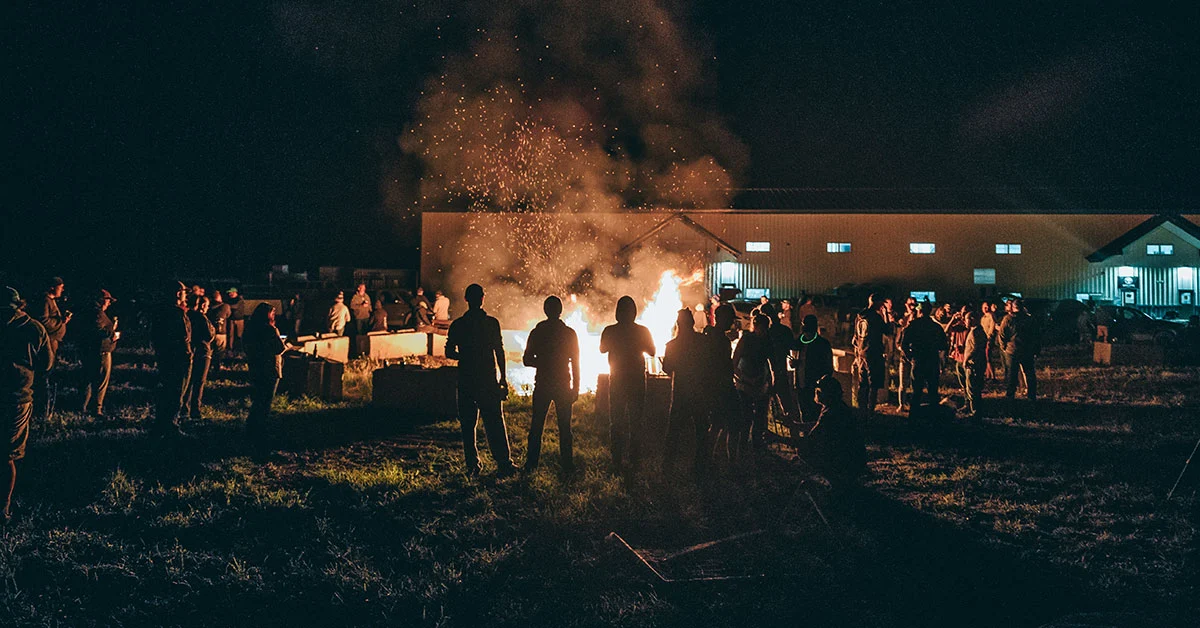
The craft beer industry in the United States, once defined by rapid-fire expansion and a "build it and they will come" philosophy, has entered a period of intense maturation and competition. With over 9,500 breweries operating across the country, according to data from the Brewers Association, the novelty of local beer is no longer sufficient to guarantee foot traffic. This market saturation, coupled with shifting consumer preferences following the COVID-19 pandemic, has forced owners to rethink the utility of their physical assets. Among the most successful innovations emerging from this period is the integration of camping and RV hospitality directly onto brewery grounds, a move that transforms underutilized land into a high-margin revenue stream.
Ryan Roberts, the owner of R&R Brewing in Mount Olive, North Carolina, serves as a primary example of this shift toward experiential land management. Roberts opened his brewery in 2018, initially focusing on the traditional model of a taproom and an outdoor yard for food trucks. However, he soon noticed a discrepancy between the potential of his property and its actual utilization. While the fenced-in yard was popular for events, a significant portion of the land remained dormant. "That land still has taxes paid on it, so it’s like, what can we do to make this dirt more valuable?" Roberts noted.
The answer arrived in late 2020 via Harvest Hosts, a membership-based platform that connects self-contained RV travelers with unique overnight stays at farms, wineries, and breweries. For a minimal investment—roughly $60 for signage and the labor to clear flat ground—Roberts converted his "dirt" into a destination. By December 2020, R&R Brewing welcomed its first campers. The result was an immediate boost in high-margin taproom sales. Travelers, relieved to avoid the sterile environment of a big-box retail parking lot, often spent upwards of $80 per stay on pints, BBQ, and merchandise. This "captive audience" model has since become a cornerstone of Roberts’ business strategy, offering one of the highest returns on investment in the brewery’s history.
The Post-Pandemic Camping Surge and the Craft Beer Demographic
The rise of brewery campgrounds is not an isolated trend but is instead tethered to a broader surge in outdoor recreation. The pandemic catalyzed a massive interest in camping as a safe, socially distanced form of travel. According to the RV Industry Association (RVIA), RV shipments hit record highs in 2021, and while the market has stabilized, the demand for unique, private camping locations remains elevated.
Data from the camping platform The Dyrt indicates a significant overlap between the outdoor enthusiast and the craft beer consumer. Their surveys reveal that 45 percent of campers bring beer on their trips, and 37 percent of those specifically prefer craft varieties. This demographic alignment makes breweries ideal hosts. Unlike traditional campgrounds, which may be located far from dining and entertainment, a brewery provides an "all-in-one" experience: a place to sleep, a place to eat, and a curated social atmosphere.
Kevin Long, CEO of The Dyrt, observes that breweries are realizing they have an untapped resource. The appeal for the camper is also practical; the proximity of the "hotel room" to the bar eliminates the need for driving after consumption, a safety benefit that enhances the overall guest experience.
A Chronology of Diversification: From Dispersed Sites to Boutique RV Parks
The integration of camping into the brewery business model varies significantly based on geography and existing infrastructure. The timeline of this trend shows a progression from informal "dispersed" camping to highly structured, professional hospitality operations.
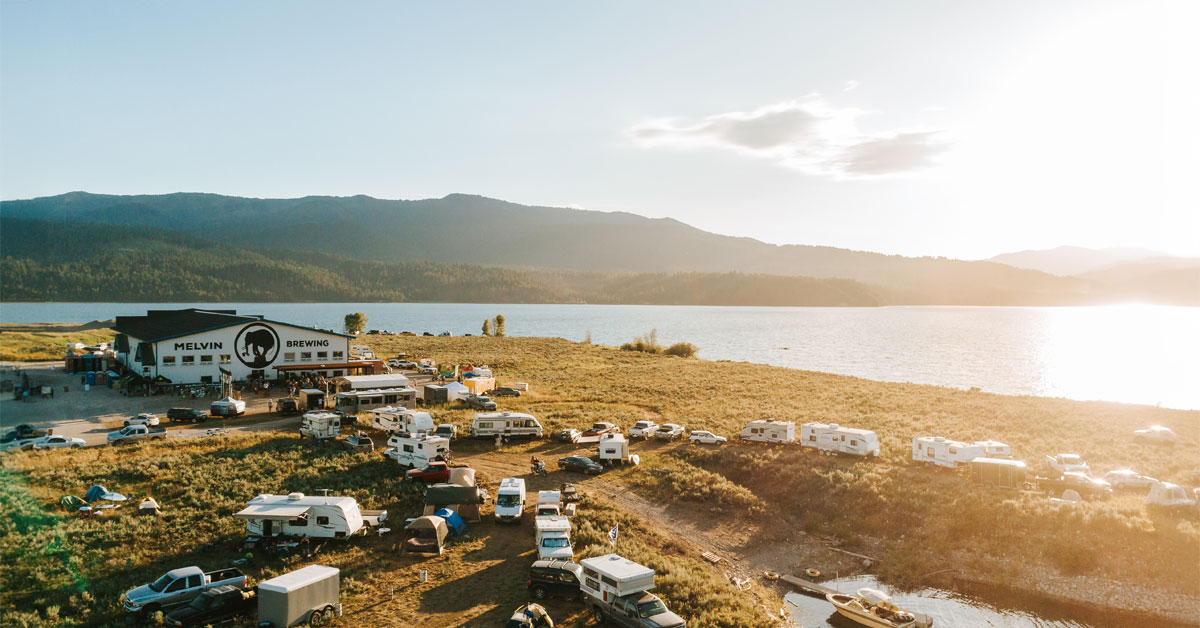
In Alpine, Wyoming, Melvin Brewing utilizes its proximity to the Palisades Reservoir and Bureau of Land Management (BLM) property to offer a rugged, "wild" experience. Since its inception, the brewery has allowed campers to use first-come, first-served sites on the adjoining land. Molly Reilly, Vice President of Marketing for parent company Pure Madness Group, describes the experience as an extension of the Wyoming brand: "out of bounds" and "free." Here, the brewery acts as a community hub for those seeking an off-the-grid experience under dark skies.
In contrast, Golden Grove Farm & Brew in Piedmont, South Carolina, has taken a more infrastructure-heavy approach. Opened in 2017 near the heavily trafficked Interstate 85, the brewery sits on 100 acres. Co-founder Andrew Brown recognized the potential of the 50,000 vehicles passing daily and integrated an 18-hole disc golf course and dedicated camping spots. Golden Grove is currently in the process of expanding its power grid to accommodate 20 additional campers, signaling a long-term commitment to the campground as a primary business pillar.
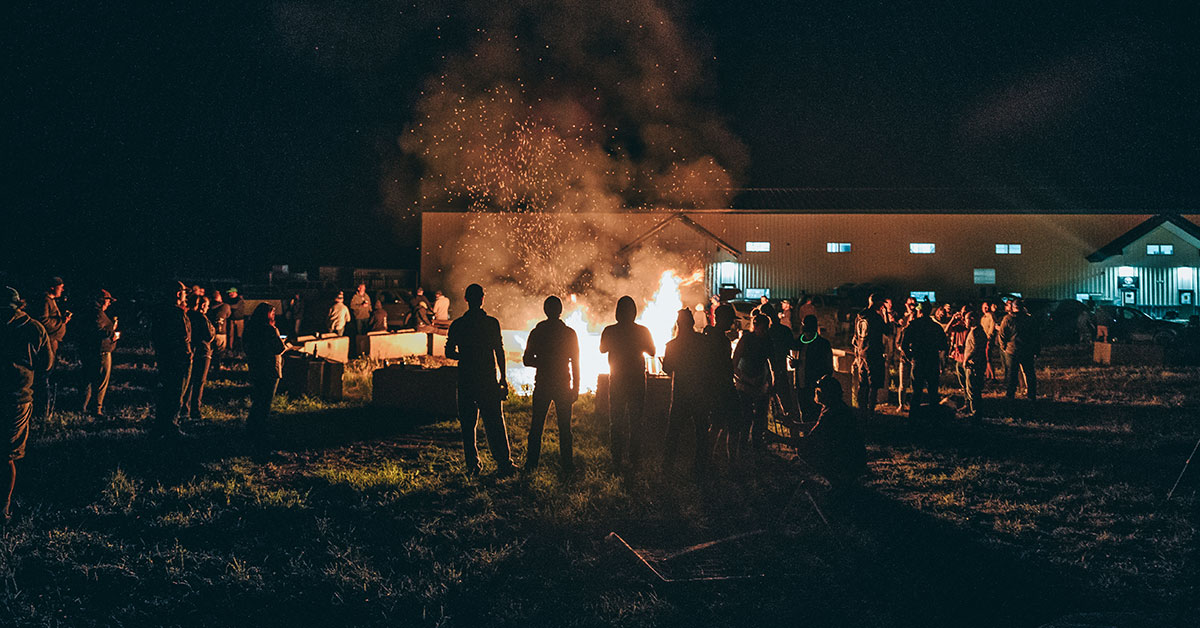
A third model involves the acquisition of existing campgrounds by brewery owners. In 2023, Doug Olsen purchased Indian Lake Adventures in Huntsville, Ohio, and subsequently launched Camp Brewing within the facility in 2024. Olsen’s strategy reverses the typical order; instead of adding a campground to a brewery, he added a brewery to a campground to ensure the site stays occupied throughout the season. This model has proven so successful that Olsen is expanding the concept to a second location, Adventure Trails in Bellefontaine, Ohio, where the brewery will use contract-brewing to meet the high demand from both locals and overnight guests.
Educational Agritourism and Urban Integration
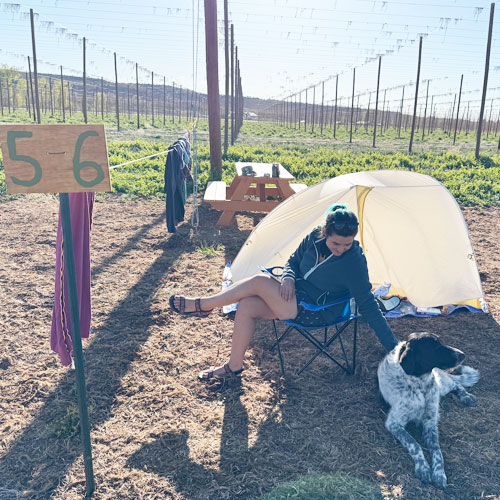
The trend has also reached the agricultural side of the industry. Billy Goat Hop Farm in Montrose, Colorado, recently opened "Down at the Hopyard," a campground that allows visitors to sleep among the towering trellises of hop bines. Audrey Gehlhausen, the farm’s president, views the campground as an educational tool. Guests wake up in the heart of the raw ingredients used to make the beers they consume, creating a "trellis-to-table" connection that builds brand loyalty.
Even urban breweries with limited acreage are finding ways to participate. Mash Mechanix Brewing in Colorado Springs, Colorado, converted its paved parking lot into a micro-campground. By reserving two spaces specifically for smaller Sprinter vans and truck-bed campers, co-owner Leif Anderson has tapped into the massive tourist market visiting Pikes Peak. This low-cost adaptation allows urban breweries to capture "van life" travelers who are often looking for safe, legal overnight parking in city centers.
Regulatory Challenges and Operational Realities
Despite the clear financial benefits, the merger of alcohol production and hospitality is fraught with logistical and regulatory hurdles. Operating a campground requires a different set of permits, insurance policies, and staffing requirements than a standard taproom.
For instance, at Camp Brewing in Ohio, strict rules must be maintained regarding where alcohol can be consumed. While campers can bring their own beverages to their specific sites, they are prohibited from bringing outside alcohol into the brewery’s licensed taproom. Conversely, the brewery must offer "to-go" options, such as growlers or plastic cups, for those who wish to enjoy the brewery’s product at their campfire.
Furthermore, the hospitality aspect requires a shift in mindset. "We have to play catch up," says Doug Olsen, referring to the production demands of serving two distinct but overlapping customer bases. Maintenance of grounds, waste management for RVs, and noise control are all factors that a traditional brewer might not be prepared to manage without additional specialized staff.
The Festival Connection and Immersive Marketing
Brewery-based camping is also solving a perennial problem for rural beer festivals: transportation. Events like the Burning Foot Beer Festival in Muskegon, Michigan, have integrated camping as a core safety and logistical feature. By offering 300 beachfront campsites on the shores of Lake Michigan, the festival ensures that attendees have a safe place to stay, circumventing the lack of local hotel space and rideshare availability.
At Brewery Ommegang in Cooperstown, New York, camping has historically been used to create an immersive "bottle share" culture during their "Belgium Comes to Cooperstown" event. While the brewery recently faced the difficult decision to cancel the 2024 iteration of the festival due to lower-than-projected ticket sales—a reflection of the tightening broader economy—the model of using camping to foster community remains a gold standard in the industry.
Long-Term Implications for the Craft Beer Industry
The shift toward brewery campgrounds represents a fundamental change in how craft beer businesses view their role in the "experience economy." For owners like Win and Lori Mitchell of Boothbay Craft Brewery in Maine, the evolution into a "boutique RV park" has been a 20-year journey of refining the guest experience. By combining high-end culinary offerings, such as local oysters and lobster-packed pretzels, with full-service RV hookups, they have created a destination that transcends the beer itself.
As the craft beer market continues to face headwinds from changing consumption habits and economic pressures, the ability to diversify revenue through land use and hospitality will likely separate the thriving breweries from those that struggle. The "captive audience" provided by on-site camping offers a buffer against fluctuating local foot traffic and creates a high-engagement environment where brand loyalty is forged over campfires rather than just bar counters. For the modern brewery, the most valuable asset may no longer be the stainless steel in the brewhouse, but the acreage surrounding it.