admin
admin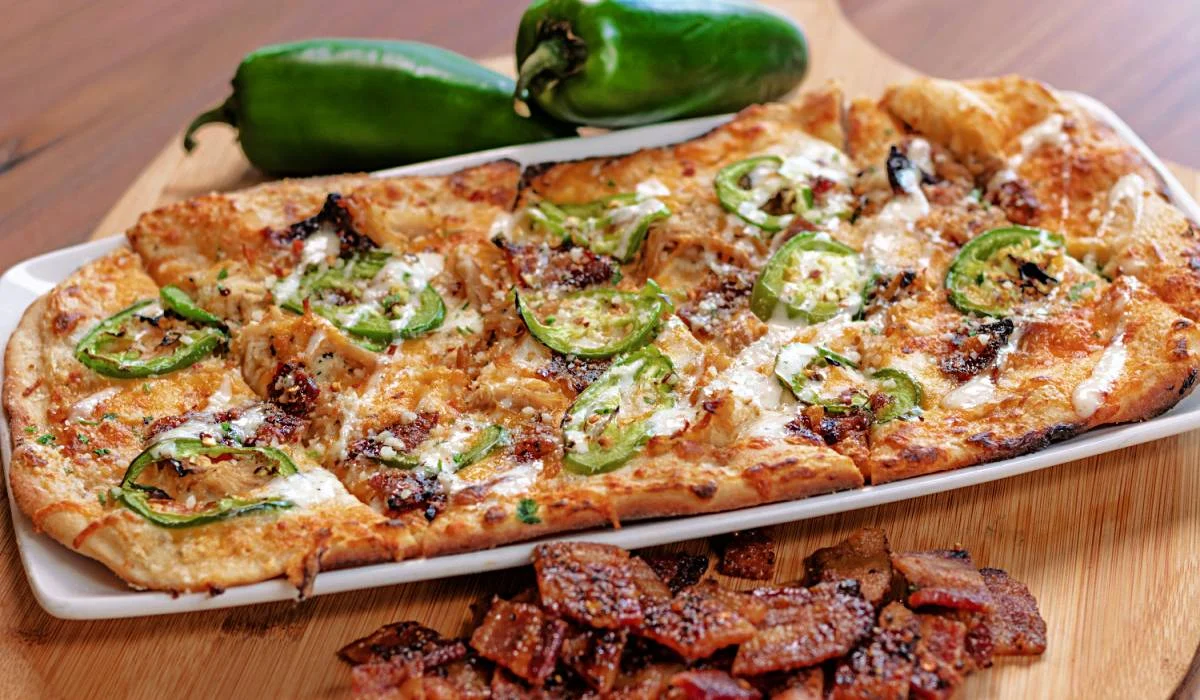
The casual dining sector is currently witnessing a strategic pivot as major players seek to recapture a demographic that largely evaporated during the global pandemic: the late-night diner. Leading this charge are Twin Peaks and Bad Daddy’s Burger Bar, two brands that are betting on a combination of scratch-made quality, aggressive value pricing, and a focus on "shareable" culinary experiences to win back the after-hours crowd. By moving away from the "frozen-to-fryer" model typical of late-night offerings and leaning into sophisticated, hand-crafted menus, these chains are positioning themselves as high-value alternatives to both fast-food outlets and traditional bars.
Reclaiming the "Fourth Meal" in a Post-Pandemic Economy
The landscape of late-night dining underwent a seismic shift in 2020. As COVID-19 mandates forced early closures and staffing shortages persisted long after lockdowns ended, the "fourth meal"—the period typically occurring after 9:00 p.m.—saw a dramatic contraction. Many full-service restaurants opted to permanently shorten their operating hours to manage labor costs, leaving a vacuum that was primarily filled by quick-service restaurant (QSR) drive-thrus.
However, as consumer behavior stabilizes in a high-inflation environment, there is a growing demand for "affordable indulgence." Melissa Fry, Chief Marketing Officer of Twin Peaks, noted that the current investment is aimed specifically at a segment of the population that had been underserved for years. The goal is not merely to extend the dinner service but to create a distinct "daypart" that appeals to a different set of consumer needs: socialization, value, and high-quality food that feels like an event rather than a convenience.
Twin Peaks: Engineering Social Interaction through Shareables
Twin Peaks, which currently operates more than 115 locations, has approached the late-night resurgence by focusing on the "communal" aspect of dining. The brand’s strategy revolves around the idea that late-night guests are rarely dining alone; they are seeking a destination to extend their evening. To facilitate this, the brand has curated a menu designed around shareable appetizers and handhelds that encourage guests to linger.
The culinary execution, led by Executive Chef Christian Stewart, emphasizes "simple at scale." For a chain with over 100 units, maintaining a scratch-made kitchen requires rigorous operational discipline. The late-night menu features discounted beverages paired with items such as crispy mini beef tacos, fire-roasted salsa, and "loaded" fries topped with cheddar, pepper jack, bacon bits, and green onions.
A centerpiece of this strategy is the $9 flatbread program. By rolling dough in-house daily and pre-portioning it for the late-night shift, the kitchen can deliver a high-quality, artisanal product with minimal ticket times. Varieties such as the "Backyard BBQ Brisket" and "The Hottie"—which features smoked chicken and "Billionaire’s Bacon"—are designed to be cut into six pieces, making them mathematically ideal for groups. Stewart’s culinary philosophy for this daypart focuses on "textural pairings," such as matching the crunch of a fried pickle or a crispy taco with the smooth, "frosted" mouthfeel of a sub-zero domestic beer.
Bad Daddy’s Burger Bar: Simplification as a Value Proposition
While Twin Peaks focuses on the social "destination" aspect, Bad Daddy’s Burger Bar is targeting the "trade-up" diner—the consumer who is tired of fast food but still demands speed and value. The 37-unit brand has extended its hours to 10:00 p.m. on weekdays and 11:00 p.m. on weekends, implementing a "half-off appetizers" promotion during the final two hours of operation.
John Masterson, Culinary Director for Bad Daddy’s, argues that the key to winning the late-night crowd is removing the "fine print" often associated with happy hours. The brand’s approach is one of radical transparency: half-off all appetizers, seven days a week, with no complex exclusions. This strategy is intended to remove the "mental friction" for guests who are looking for a spontaneous late-night bite.
The Bad Daddy’s menu distinguishes itself through a commitment to never using frozen products, a rarity in the late-night space. Featured items include street corn dip with cotija crumbles and Tajin, hand-breaded fried deviled eggs, and mozzarella medallions crusted in panko, thyme, and fresh basil. By offering sophisticated flavors like fresh cilantro and house-made marinara at a 50% discount, the brand creates a value proposition that is difficult for QSR competitors to match.
The Operational Logic of "Low Disruption" Menus
A critical component of both brands’ success is the operational efficiency of their late-night programs. In an era of high labor costs and supply chain volatility, neither Twin Peaks nor Bad Daddy’s is introducing a wide array of new, niche ingredients for the late-night shift. Instead, they are utilizing "cross-utilization"—taking ingredients already used in their primary lunch and dinner menus and reimagining them for the after-hours crowd.
For example, the brisket used in Twin Peaks’ dinner entrees is repurposed for late-night flatbreads. The fresh mozzarella and herbs used for Bad Daddy’s burgers are utilized for their fried medallions. This approach ensures that inventory turnover remains high, waste remains low, and the kitchen staff does not need to learn entirely new prep routines for a shorter window of time. This "low disruption" model allows the brands to offer significant discounts (like $9 flatbreads or 50% off appetizers) while maintaining healthy margins.
Data and Market Context: The Shift in Consumer Behavior
Market research suggests that the "late-night" daypart is one of the few remaining frontiers for growth in the casual dining industry. According to industry data from 2023, while breakfast and lunch traffic have largely returned to pre-2020 levels, the 9:00 p.m. to midnight window has seen the slowest recovery. However, spending per person during this window is often higher than at lunch, primarily due to increased alcohol sales and the "group" nature of the visits.
Furthermore, the rise of the "sober curious" movement and the shifting habits of Gen Z have changed what "late-night" looks like. It is less about heavy drinking and more about "elevated snacking." By focusing on high-quality, scratch-made food, Twin Peaks and Bad Daddy’s are appealing to a demographic that values food quality as much as the social atmosphere.
Future Outlook and Competitive Analysis
The move by these two chains signals a broader trend in the hospitality industry: the professionalization of the late-night experience. As Bad Daddy’s prepares to launch a fresh tuna poke appetizer served in a crispy wonton bowl later this year, it is clear that the goal is to move the goalposts for what "bar food" can be.
The implications for the wider market are significant. If casual dining brands can successfully execute high-quality, low-cost late-night programs, they pose a direct threat to the dominance of late-night fast food. The "value" being offered here isn’t just a low price point; it is the "experience value" of a sit-down environment, real glassware, and fresh ingredients.
For Twin Peaks, the goal is "creating regulars." By providing a high-quality experience at 11:00 p.m., they are betting that the same guest will return for a Saturday afternoon football game or a Tuesday night dinner. In this sense, the late-night menu functions as a powerful customer acquisition tool.
Conclusion
The strategies deployed by Twin Peaks and Bad Daddy’s Burger Bar represent a sophisticated response to the post-pandemic reality of the restaurant industry. By focusing on scratch-made shareables, operational efficiency, and transparent value, these brands are not just staying open later—they are redefining the late-night daypart as a premium, social experience. As the competition for the consumer dollar intensifies, the ability to capture the "fourth meal" with high-quality, affordable options may become a key differentiator for successful casual dining chains in the years to come.