admin
admin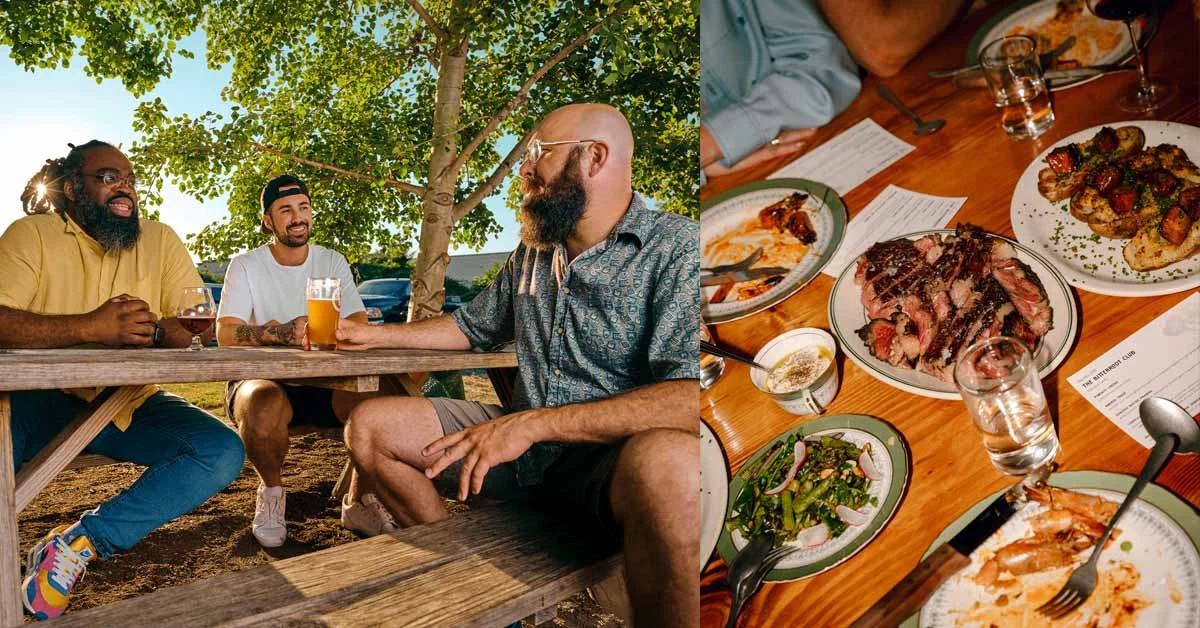
The Evolution of Beervana: How Portland’s Craft Beer Industry Adapts to a Discerning Global Market is currently being defined by a shift toward culinary integration and specialized consumer experiences as the traditional brewpub model faces a maturing and increasingly competitive marketplace. In the Buckman neighborhood of Southeast Portland, Oregon, establishments like Grand Fir Brewing are spearheading this transformation. By merging high-level culinary expertise with technical brewing mastery, the brewery exemplifies a broader trend where "elevated" offerings are no longer a luxury but a strategic necessity for survival in a city long known as the craft beer capital of the world.
The Rise of the Culinary Brewpub
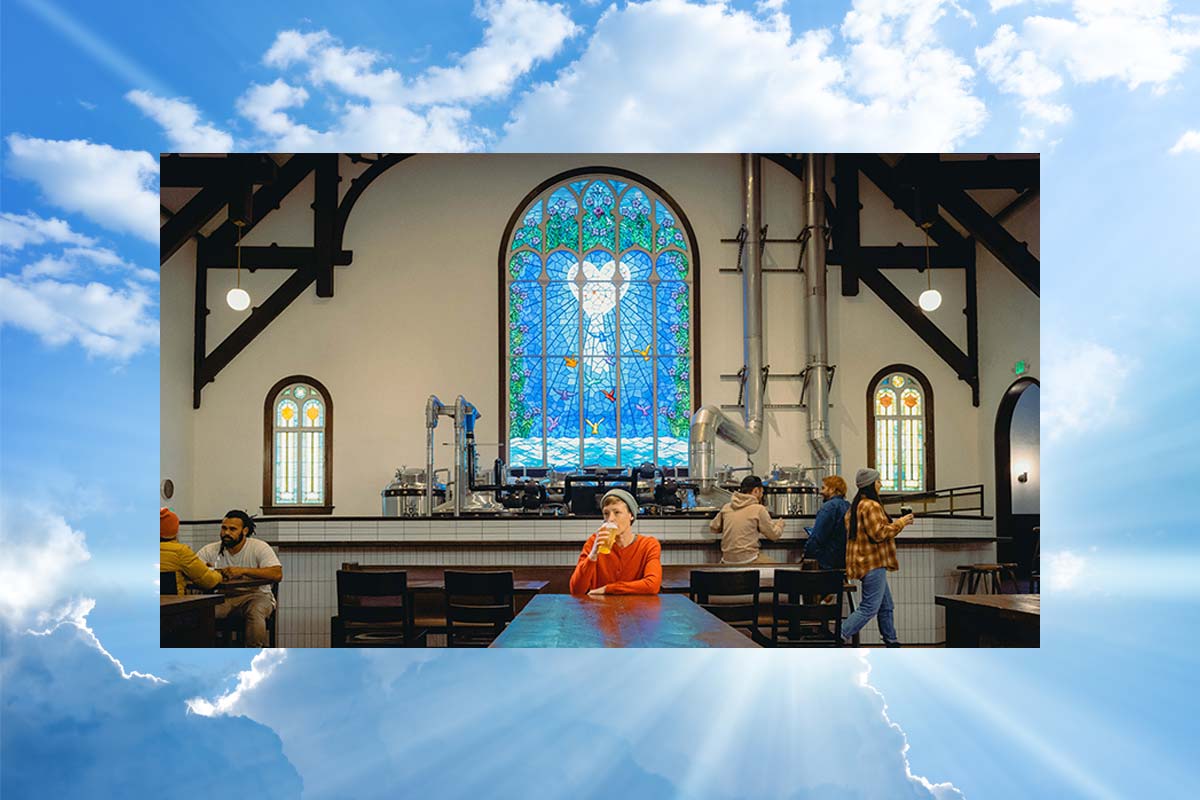
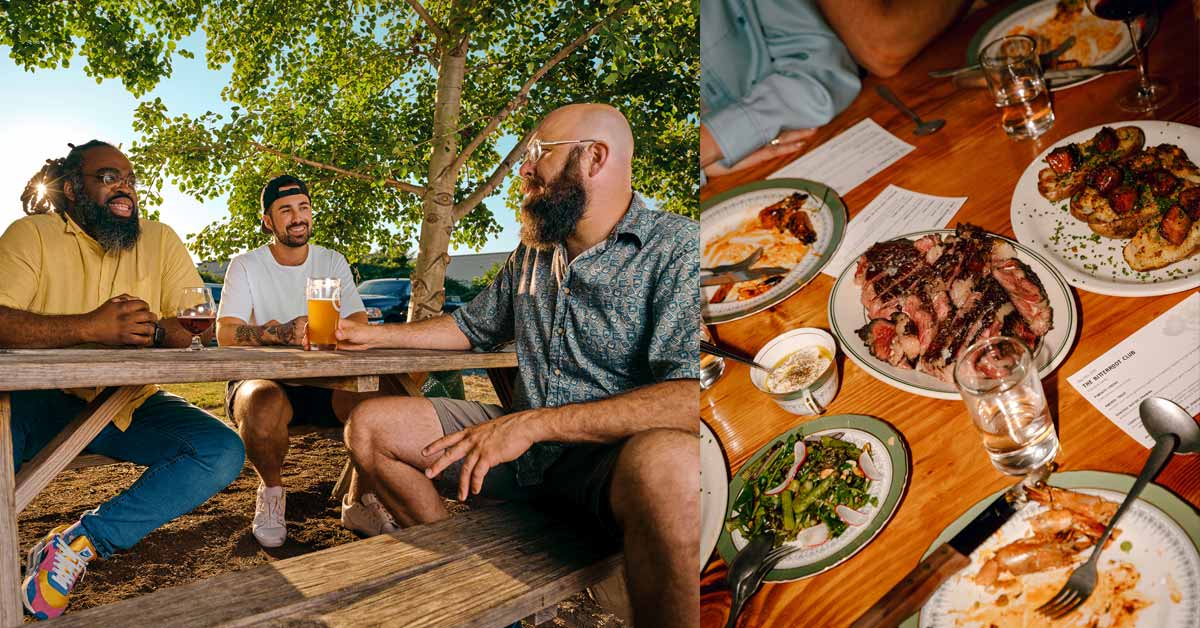
At the center of Portland’s modern beer evolution is Grand Fir Brewing, opened in November 2022 by the husband-and-wife team of Doug Adams and Whitney Burnside Adams. The venue serves as a dual-purpose space: a bustling neighborhood taproom characterized by rustic steel and warm wood, and a highly exclusive "backstage" experience known as The Bitterroot Club. This weekly supper club operates behind a nondescript door in an industrial hallway, offering a candlelit, hunting-lodge atmosphere where the boundaries between fine dining and craft brewing are blurred.
Doug Adams, a Top Chef finalist and James Beard Rising Star Award semifinalist, utilizes the club to showcase seasonal, locally sourced ingredients. These are paired with beers crafted by Whitney Burnside Adams, a veteran of the Northwestern brewing scene with a resume that includes Upright Brewing, Elysian, and a tenure as brewmaster at 10 Barrel Brewing Company. The $135-per-person prix fixe menu represents a significant departure from the standard "burger and fries" brewpub fare. For example, a bready Tamarack Festbier is paired with Columbia king salmon garnished with lemon, fig, and basil, while a charcoal-grilled pork chop with Nardello peppers finds its counterpoint in the crisp finish of a Bandit Run Mosaic American IPA.
According to Whitney Adams, this pivot toward an integrated food and beverage experience is a response to the current market reality. "I felt that if I were to just open up a brewery, I honestly don’t think it would make it," she noted, emphasizing that a "certain angle" is required to capture the attention of a consumer base that has seen it all.
A Historical Chronology of Beervana
The term "Beervana" was first coined by the local alternative weekly Willamette Week in 1994, but the roots of Portland’s beer dominance extend back to the early 1980s. The city’s rise was facilitated by a unique set of geographic and economic circumstances.
- The Pioneer Era (1984–1990): The founding of BridgePort Brewing in 1984 and Widmer Brothers in 1985 established the foundation. These pioneers benefited from Oregon’s "Brewpub Law," which allowed breweries to sell beer directly to consumers on-site.
- The Market Dominance (1990–2005): During this period, Portland remained geographically isolated from the primary distribution hubs of "Big Beer" brands like Miller and Budweiser. This isolation allowed local brands such as Deschutes (Black Butte Porter) and Full Sail (Amber Ale) to dominate the local market.
- The IPA Explosion (2006–2015): The introduction of the Northwest-style IPA—a hop-forward, aggressive profile utilizing local varietals—became the city’s signature. BridgePort IPA, introduced in 1996, served as a template for the citrusy, piney bombs that would later define the region.
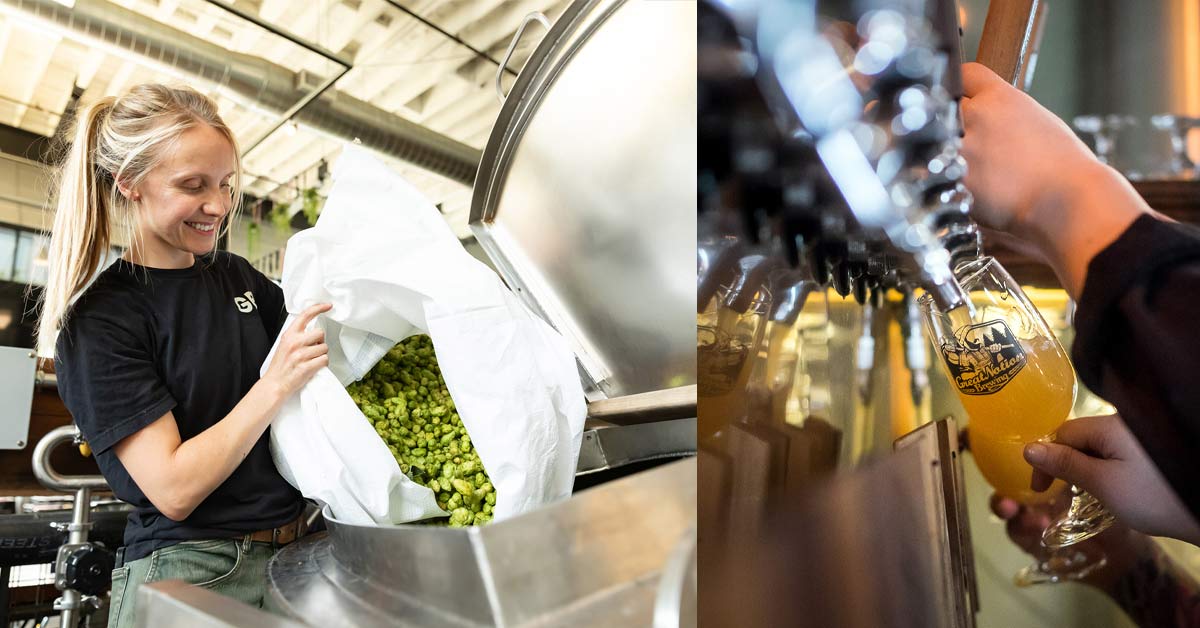
- The Diversification Era (2016–Present): As the market reached saturation, breweries began to specialize. This led to the rise of "pastry sours" from Great Notion, lager-focused programs at Wayfinder, and the "Cold IPA" movement, which uses lager yeast to create a cleaner, more hop-expressive profile.
Van Havig, master brewer and co-founder of Gigantic Brewing, observed that Portland’s development was unique because craft beer was never treated as a niche product. "No one uses the term ‘craft beer’ or ‘microbrew’ in Portland," Havig stated. "Here, it’s just beer."
Statistical Landscape and Economic Impact
The Oregon brewing industry is a vital pillar of the state’s economy. According to data from the Oregon Brewers Guild and the Brewers Association, the industry contributes more than $9 billion to the state’s economy annually. Oregon consistently ranks in the top five states for breweries per capita, with Portland alone boasting more than 70 breweries within its metropolitan area.
The state’s proximity to the Willamette Valley is a critical factor in this success. The valley is home to some of the most coveted hop fields in the world, contributing significantly to the United States’ position as a global leader in hop production. This proximity allows Portland brewers to source "fresh hops" during the harvest season, creating a seasonal beer category that is almost entirely unique to the Pacific Northwest.
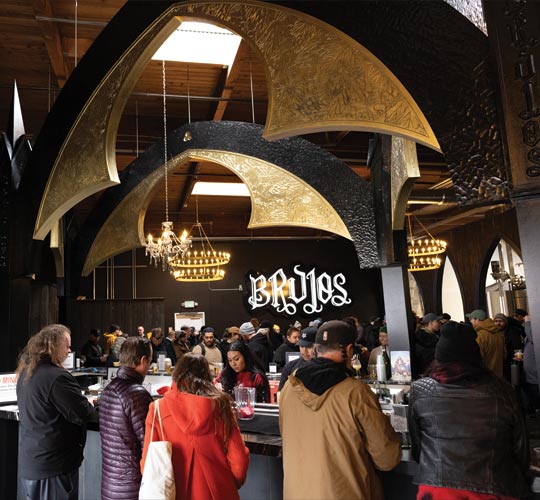
However, the industry is currently navigating a "slippery marketplace." Post-pandemic shifts in consumer behavior, coupled with skyrocketing real estate prices and the rise of ready-to-drink (RTD) cocktails and non-alcoholic (NA) alternatives, have forced breweries to innovate. Longtime stalwarts like Deschutes have recently invested heavily in meticulous NA versions of their flagship beers, such as Black Butte Porter and Fresh Squeezed IPA, to retain market share among health-conscious drinkers.
Industry Responses and the Discerning Consumer
Industry leaders suggest that the primary challenge in Portland is not a lack of drinkers, but the high level of sophistication among them. Ben Edmunds, brewmaster at Breakside Brewing, noted that consumer expectations in the city are higher than almost anywhere else in the world. "People feel like they can find good beer everywhere here," Edmunds said. This has created a "virtuous cycle" of quality, where brewers must constantly improve to survive.
The "family tree" of Portland brewing has also evolved. In the early decades, brewers tended to remain at established institutions for their entire careers. Today, a new generation of "pedigreed" brewers is branching out to start independent ventures. Establishments like Living Häus Beer Company, Brujos Brewing, and Ruse Brewing are all led by veterans of the city’s most respected programs. This influx of experienced talent ensures that even as the number of breweries fluctuates, the technical quality of the product remains world-class.
Analysis of Implications and Future Outlook
The transformation of the Portland beer scene suggests several key implications for the broader American craft beer industry:
- The End of the "Beer-Only" Taproom: As the marketplace becomes crowded, the "industrial park" taproom that offers only liquid refreshments is becoming less viable. Consumers are increasingly seeking "destination" experiences that combine high-quality food, atmosphere, and education.
- Quality as the Baseline: In a mature market like Beervana, high-quality beer is no longer a differentiator; it is the entry requirement. Success is now determined by branding, community integration, and the ability to pivot to new styles (such as the Cold IPA or NA options) without alienating the core base.
- Economic Resilience through Localism: Despite national trends showing a slowdown in craft beer growth, Portland’s deep-rooted "beer culture" provides a buffer. Because the local population views craft beer as a standard commodity rather than a luxury, brand loyalty remains higher than in emerging markets.
As the industry moves toward 2025, the resilience of Portland’s brewing community will depend on its ability to maintain its "Beervana" identity while embracing modern hospitality standards. The success of "elevated" concepts like Grand Fir Brewing’s Bitterroot Club indicates that there is still significant room for growth at the intersection of culinary arts and fermentation. In Portland, the "craft" has won, and the future lies in how that victory is refined for a new generation of drinkers.