admin
admin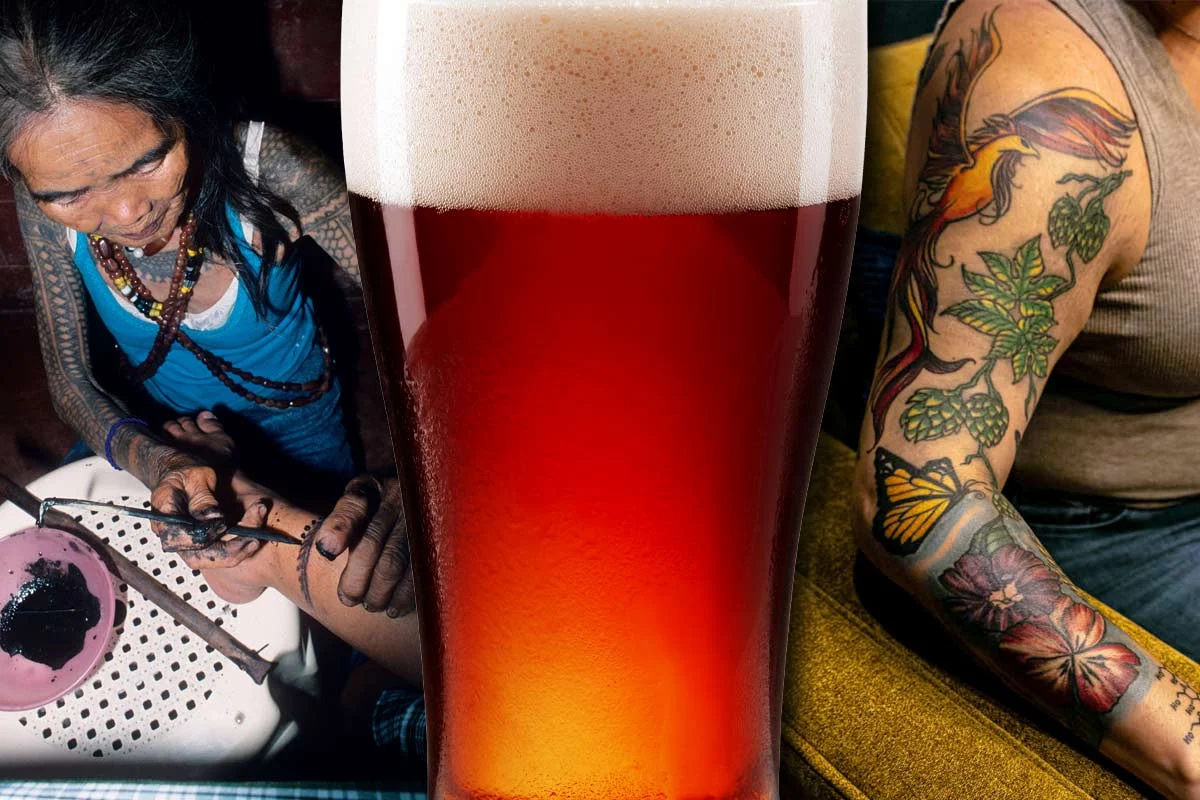
The practices of tattooing and fermentation, while seemingly disparate in the modern industrial world, share a profound and ancient lineage rooted in the transformation of raw materials into symbols of identity, community, and spiritual protection. Across the globe, from the subarctic islands of northern Japan to the tropical savannas of Guyana, these two crafts have historically operated within the same ritual domains. One inscribes the history of a people onto the skin, while the other preserves the harvest and nourishes the collective through shared consumption. Together, they represent a "grammar of transformation," a method by which human societies have historically negotiated their relationships with the land, their ancestors, and the divine.
The Chronology of Ritual Craft and Colonial Suppression
The intersection of ink and drink is not merely a matter of aesthetic coincidence but a reflection of indigenous epistemologies that prioritize the interconnectedness of all domestic and spiritual labor. For centuries, these practices flourished as oral traditions and embodied knowledge, passed from elders to youth through rigorous apprenticeship. However, the 19th and 20th centuries marked a significant shift in the timeline of these crafts.
During the late 1800s, colonial policies and missionary efforts across Asia, the Americas, and the Pacific sought to "civilize" indigenous populations by banning traditional body markings and regulating indigenous fermented beverages. In Japan, the 1899 Hokkaido Former Aborigines Protection Act facilitated the forced assimilation of the Ainu, leading to the near-extinction of their tattooing rituals. Similarly, in the Philippines and Guyana, western moral frameworks often categorized traditional tattoos as "primitive" and indigenous spirits as "unhygienic" or "sinful." The current revival of these practices represents a significant movement toward cultural reclamation and decolonization, as communities seek to restore the broken links between their physical bodies and their ancestral traditions.
The Ainu of Northern Japan: The Hearth as a Cosmological Center
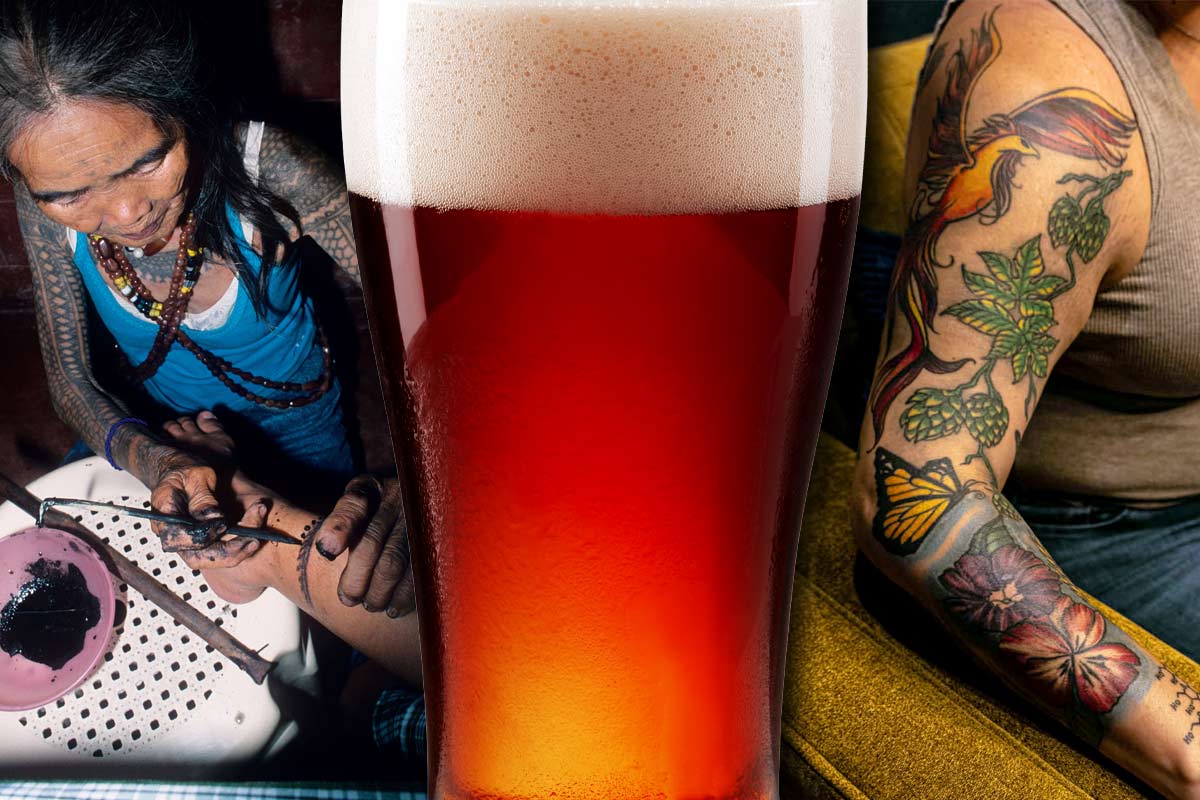
For the Ainu, the indigenous people of Hokkaido, Sakhalin, and the Kuril Islands, the hearth (abe) was the physical and spiritual anchor of the home. It was the domain of Kamuy Fuchi, the goddess of the fire and the protector of the domestic sphere. Both tattooing and brewing were sacred duties performed by women under the watchful eye of this deity.
Ainu women created tattoo ink by scraping soot from the bottom of earthenware pots used for brewing and cooking. This soot was mixed with water and steeped with ash tree bark to create a deep, indelible pigment. The resulting tattoos, particularly the prominent markings around the mouth, were believed to repel malevolent spirits and prepare a woman for her eventual transition to the afterlife.
Parallel to this was the production of tonoto, a fermented beverage made from rice or millet. The brewing process was a meticulous ritual; women offered prayers to the kamuy (divine beings) throughout the fermentation cycle. The use of the same hearth-derived materials—the fire to cook the grain and the soot to mark the skin—created a closed loop of spiritual significance. In this context, the tattooed body became a vessel of the hearth’s fire, just as the fermented drink was its liquid essence.
The Kalinga of the Philippines: Fermented Ink and Social Prestige
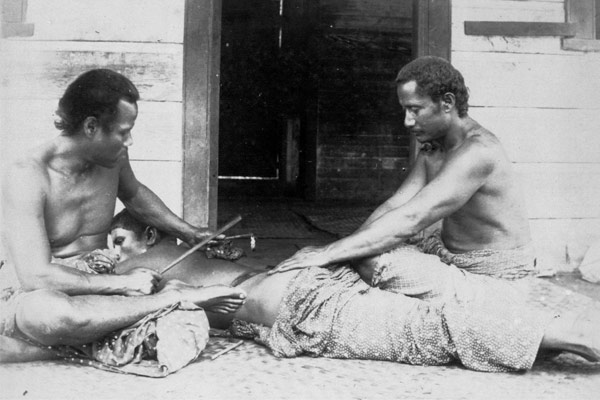
In the rugged Cordillera region of Luzon, the Kalinga people developed batok, a hand-tapped tattooing method that served as a biological record of a person’s life. For men, tattoos were traditionally earned through acts of bravery in defense of the community; for women, they were marks of beauty and maturity, often described as "permanent jewelry."
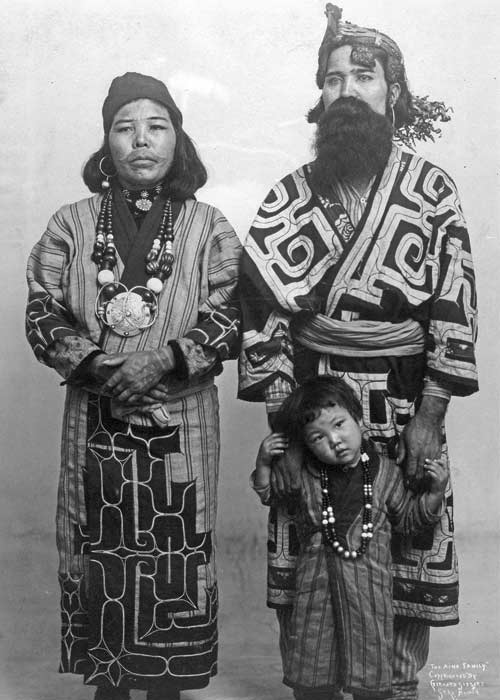
The technical intersection of tattooing and fermentation in Kalinga culture is found in the chemistry of the ink. Historically, some mambatok (tattoo artists) used a mixture of soot and sugarcane juice. Sugarcane juice, which contains high levels of natural sugars, begins to ferment almost immediately upon exposure to wild yeasts in the air. This fermentation process subtly altered the viscosity and chemical composition of the ink. While the primary function of the ink was to deposit carbon into the dermis, the use of a fermentable medium linked the act of tattooing to the broader agricultural cycles of the region.
Today, the most famous practitioner of this art is Apo Whang-od Oggay, who at over 100 years old, continues to practice in the village of Buscalan. Her work has brought global attention to the Kalinga, highlighting how batok and traditional fermented drinks like tapuy (rice wine) continue to anchor social gatherings and rites of passage, reinforcing a sense of communal belonging that has survived centuries of external pressure.
The Makushi of Guyana: Tattoos as Brewing Charms
In the Amazonian savannas of Guyana, the Makushi people illustrate a functional symbiosis between tattooing and fermentation. Their staple crop, cassava, requires complex processing to remove toxins and convert starches into fermentable sugars. The resulting beer, parakari, is unique for its use of a dual fermentation process involving both specialized molds and yeasts.
Historically, Makushi women received kansku tattoos, which functioned as "brewing charms." These markings were not merely decorative; they were believed to impart the spiritual and physical capacity to produce high-quality ferments. Specific patterns, such as those resembling bees or scorpions, were intended to influence the flavor profile of the parakari. A "sweet" tattoo might ensure a pleasant brew, while a "sting" tattoo (associated with the word yekî) might ensure the drink had the necessary potency or "kick."
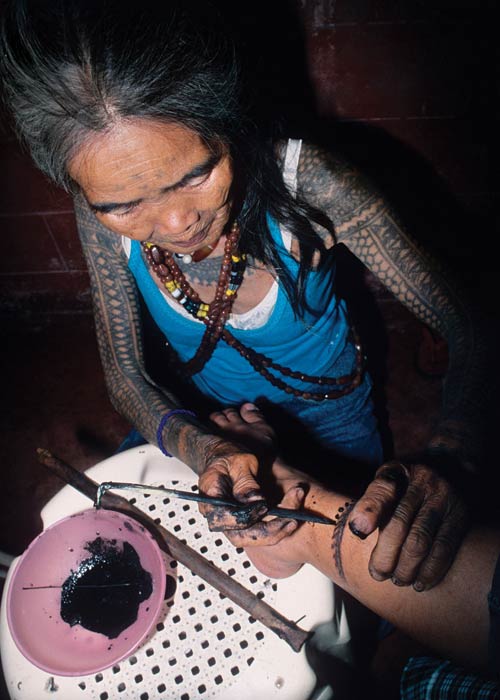
Anthropological data from Dr. Lars Krutak indicates that in many Cariban-speaking groups, the ability to serve a fermented beverage was contingent upon having the correct tattoos. A woman’s tattooed arm was seen as a prerequisite for the ritual purity required to handle the sacred brew. Here, the tattoo acted as a bridge between the human agent and the microbial world, ensuring that the transformation of the cassava was successful and socially acceptable.
Indigenous Epistemologies: The Science of Kinship
The common thread among these diverse cultures is a specific way of knowing—an epistemology—that views the body and the environment as a single, continuous system. In Hawaiian culture, this is exemplified by the relationship between kākau (tattooing) and poi (fermented taro).
Native Hawaiian traditions trace lineage back to Hāloa, the ancestral taro plant. Consequently, the cultivation and fermentation of taro is viewed as an act of caring for an elder sibling. Similarly, kākau is the physical manifestation of genealogy on the skin. Dr. Lindsay Malu Kido, a scholar of indigenous body sovereignty, notes that both practices are acts of kinship. To be tattooed is to wear one’s ancestors; to eat fermented taro is to consume them.
From a scientific perspective, both tattooing and fermentation are processes of "controlled trauma" and recovery. Tattooing involves the deliberate piercing of the skin to trigger an immune response that traps pigment in the macrophages of the dermis. Fermentation involves the controlled decomposition of organic matter by microbes to create a stable, nutrient-dense product. Both require a deep understanding of biological limits and a commitment to "long-form" craft that stands in opposition to the immediacy of modern consumer culture.
Contemporary Implications: The Modern Craft Brewery
In the 21st century, the relationship between ink and drink has migrated into the professional craft brewing industry. While the ancestral protocols of the Ainu or Makushi are distinct from modern commercial brewing, the underlying logic of using the body to signal a relationship with craft remains potent.
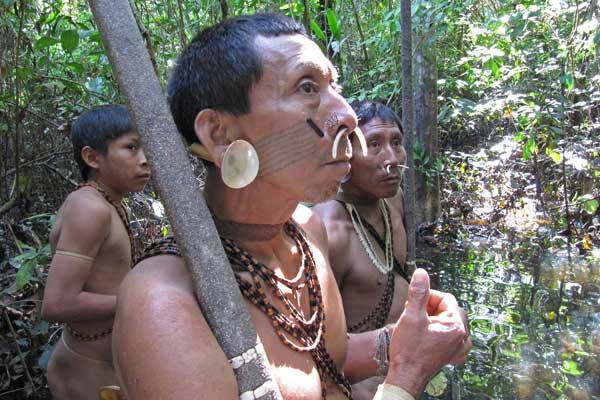
Data from the craft beer industry suggests a high density of tattoos among professional brewers. These tattoos often feature scientific diagrams of alpha acids, hop bines, or the chemical structures of yeast-derived esters. For many, these markings serve a similar purpose to the batok of the Kalinga: they are markers of identity and "acts of bravery" within a challenging, labor-intensive industry.
For individuals like Sandra Murphy of Murphy’s Law Brewery, tattoos provide a way to navigate personal transformation and grief, using the symbols of brewing (wheat, barley, and yeast) to reconstruct a sense of self. For Rachael Engel of Sound2Summit Brewery, the "hop sleeve" represents a reclamation of identity following a gender transition. In these modern contexts, tattooing remains a tool for externalizing internal change, much as it has been for millennia.
Analysis of Global Trends and Future Outlook
The resurgence of interest in both traditional tattooing and artisanal fermentation reflects a broader global trend toward "re-localization" and the search for authentic connection in a digital age. As industrial food systems and mass-produced aesthetics face increasing scrutiny, the "low-tech" transformations of ink and fermentation offer a sense of permanence and tactile reality.
The North American Guild of Beer Writers and the Brewers Association have increasingly recognized the importance of these cultural intersections through initiatives aimed at fostering diversity and inclusion. By acknowledging that brewing is not just a technical industry but a cultural practice with deep indigenous roots, the modern craft community can better support the preservation of these ancient "technologies of continuity."
Ultimately, tattooing and fermentation remind us that the human body is more than a biological entity—it is a site of history and a canvas for the soul. Whether it is the soot of an Ainu hearth or the hop-inspired sleeve of a modern brewer, the marks we carry and the drinks we share continue to tell the story of who we are and where we have been. Both practices leave indelible traces, ensuring that the transformations of the past remain visible in the present and viable for the future.