admin
admin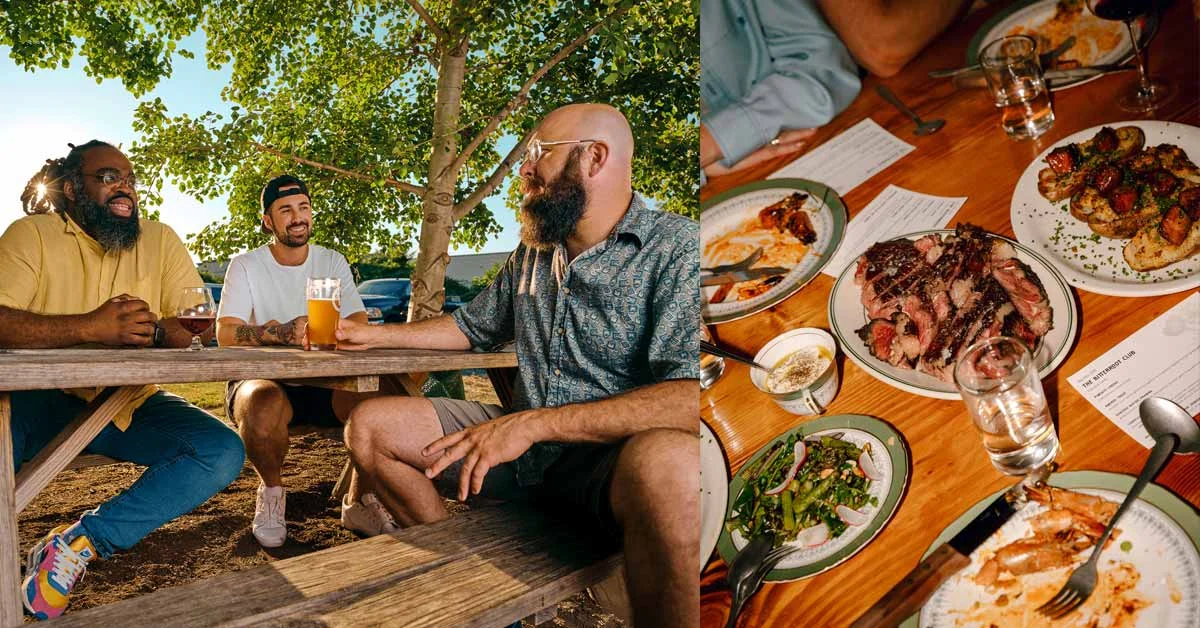
The landscape of American craft beer is undergoing a significant transformation, and nowhere is this evolution more visible than in Portland, Oregon. At Grand Fir Brewing, located in the historic Buckman neighborhood of Southeast Portland, the traditional brewpub model has been reimagined to meet the demands of an increasingly sophisticated consumer base. Through initiatives like The Bitterroot Club—a weekly, high-end supper club—owners Doug and Whitney Adams are demonstrating that the survival of independent breweries in a "post-peak" beer market may depend as much on culinary excellence as it does on brewing proficiency.
The Culinary Pivot: Grand Fir Brewing and The Bitterroot Club
Grand Fir Brewing opened its doors in November 2022, entering a market that was still reeling from the economic disruptions of the COVID-19 pandemic and shifting consumer preferences. To distinguish themselves, the founders leveraged their unique professional backgrounds. Whitney Adams is a veteran brewmaster with a pedigree that includes stints at Upright Brewing, Elysian, and 10 Barrel Brewing Company. Doug Adams, conversely, is a celebrated chef, known for his time as a Top Chef finalist and a James Beard Award semifinalist.
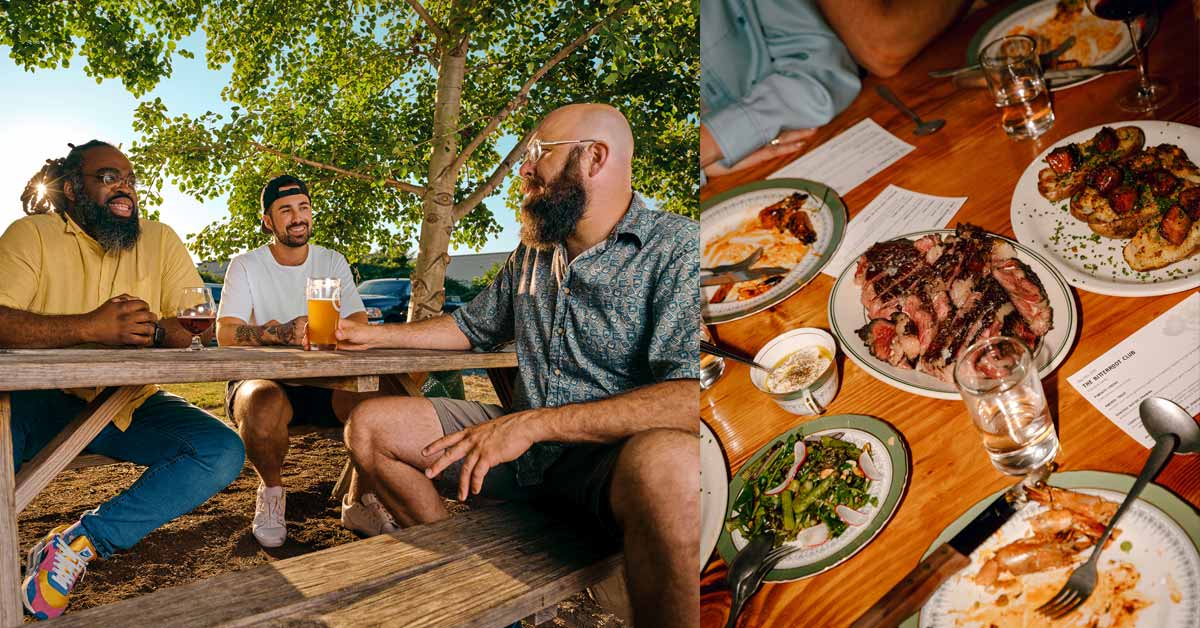
The Bitterroot Club represents the pinnacle of their collaborative efforts. Held in a secluded, wood-paneled room at the rear of the brewery—decorated with rustic steel and taxidermy that evokes a secret hunting lodge—the club offers a prix fixe menu priced at $135 per person. The experience pairs seasonal, locally sourced ingredients with specific beers crafted to complement the flavor profiles of the food.
A typical menu might feature Columbia king salmon served with lemon, fig, and basil, paired with the bready notes of a Tamarack Fest lager. This is followed by charcoal-grilled pork chops with Nardello peppers and hazelnuts, paired with a crisp Bandit Run Mosaic American IPA. The meal concludes with a lemon buttermilk pie served alongside a light-bodied, citrusy Fresh Hop Strata. This "elevated" approach, according to Whitney Adams, is a strategic necessity. In a saturated market, the ability to provide a comprehensive sensory experience is often what separates successful ventures from those that struggle to maintain on-premises patronage.
Statistical Context: The Oregon Brewing Industry
The shift toward premium experiences is backed by broader industry data. According to the Oregon Brewers Guild, the state is home to more than 300 breweries, contributing over $2.4 billion to the state’s economy. Portland consistently ranks among the cities with the highest number of breweries per capita in the United States. However, the Brewers Association has noted a national trend where total beer production volume has remained flat or slightly declined, while the "on-premise" experience—drinking at the source—remains a vital revenue stream for small producers.
In Oregon, the challenge is not necessarily a lack of interest in beer, but rather a hyper-informed consumer base. Industry analysts suggest that Portland’s "Beervana" status has created a "discerning drinker" phenomenon. Unlike other markets where craft beer is still a novelty, Portlanders view high-quality, independent beer as the standard rather than the exception. This high level of "beer literacy" forces local brewers to innovate constantly to capture market share.
A Chronology of Beervana: From Pioneers to Modern Icons
The development of Portland’s beer culture can be categorized into four distinct eras, each contributing to the city’s current identity.
The Pioneering Era (1984–1994)
The foundation of the scene was laid by early innovators such as the Widmer Brothers and the founders of BridgePort Brewing. In 1984, Oregon passed legislation allowing for brewpubs, which enabled brewers to sell their products directly to consumers on-site. This era saw the rise of iconic staples like Widmer Hefeweizen and Deschutes Black Butte Porter. The term "Beervana" was officially coined in 1994 by the local alternative weekly Willamette Week, marking the city’s emergence as a global brewing hub.
The IPA Explosion (1996–2010)
In 1996, BridgePort Brewing introduced its India Pale Ale, a beer that utilized local hop varieties to create a profile of citrus, floral, and pine notes. This became the template for the "Northwest-style IPA." During this period, Portland’s palate shifted toward aggressive bitterness and high hop aromatics. It was during this time that figures like Van Havig, now of Gigantic Brewing, noted that "Big Beer" (macro-breweries like Budweiser and Miller) had a minimal presence in Portland because local distributors and bars prioritized regional microbrews.
The Experimental Era (2012–2019)
By 2012, breweries like Gigantic Brewing and Breakside Brewing began pushing the boundaries of traditional styles. This era was defined by the "growler phenomenon," where grocery stores and gas stations installed draft towers to sell local beer. Innovation moved toward barrel-aging, kettle sours, and the "Cold IPA"—a style popularized by Wayfinder Beer that uses lager yeast to create a cleaner finish for hoppy ales.
The Post-Pandemic Resilience (2020–Present)
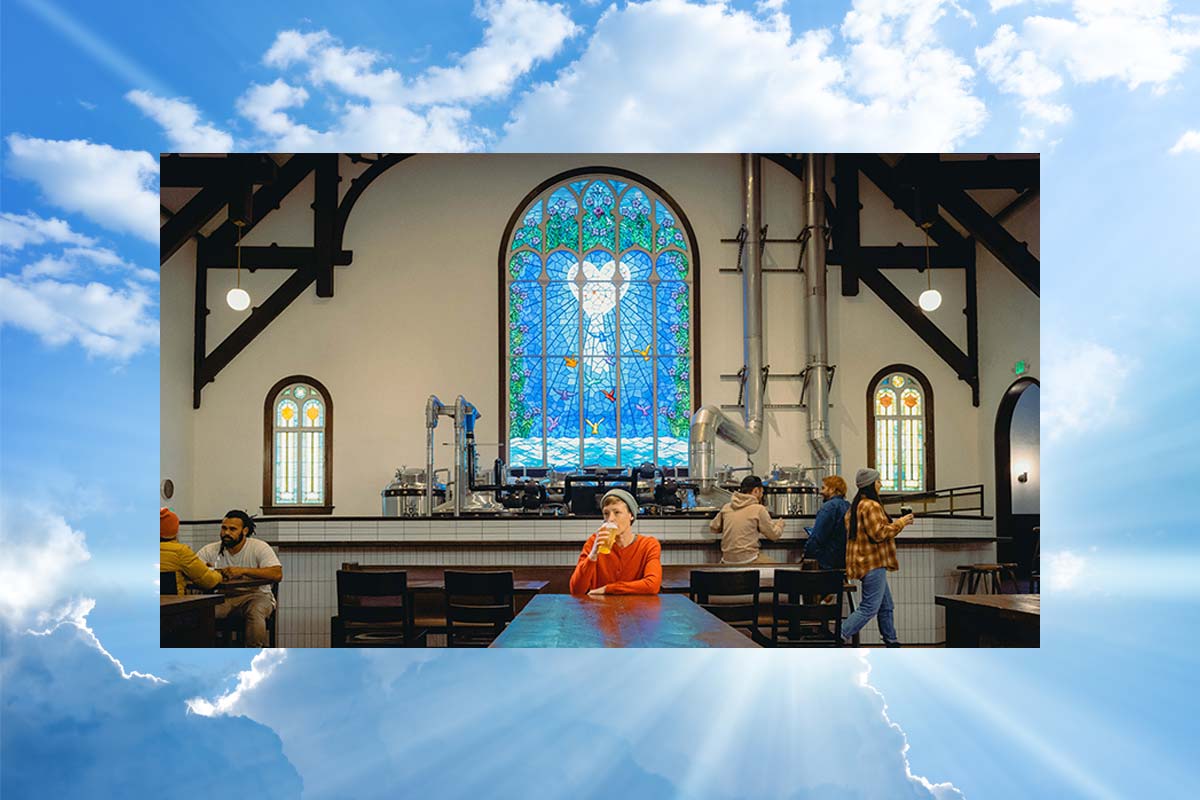
The current era is defined by a "flight to quality" and the diversification of the taproom experience. With rising real estate costs and inflation affecting consumer spending, breweries are transforming their spaces. While some have added dog parks or pickleball courts, Portland’s leading breweries, like Grand Fir and Living Häus Beer Company, are focusing on "elevated" hospitality and culinary integration.
Geographical Advantages and the Supply Chain
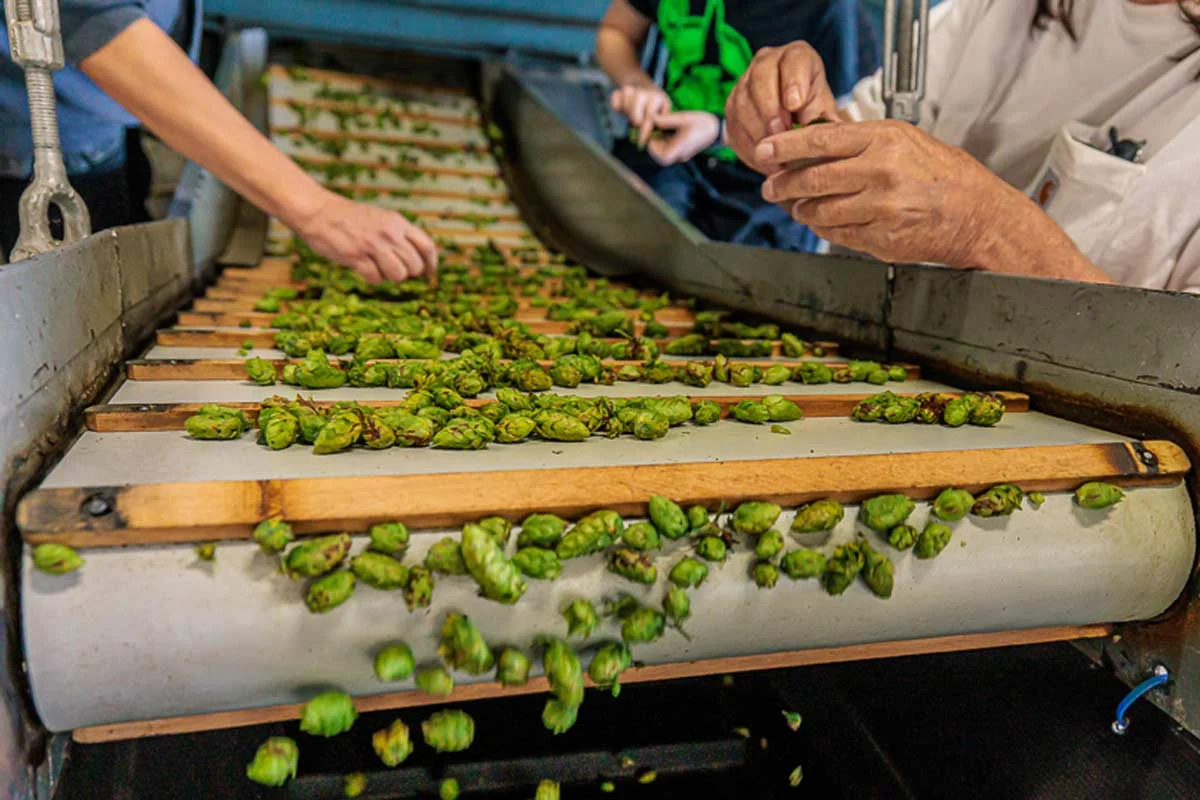
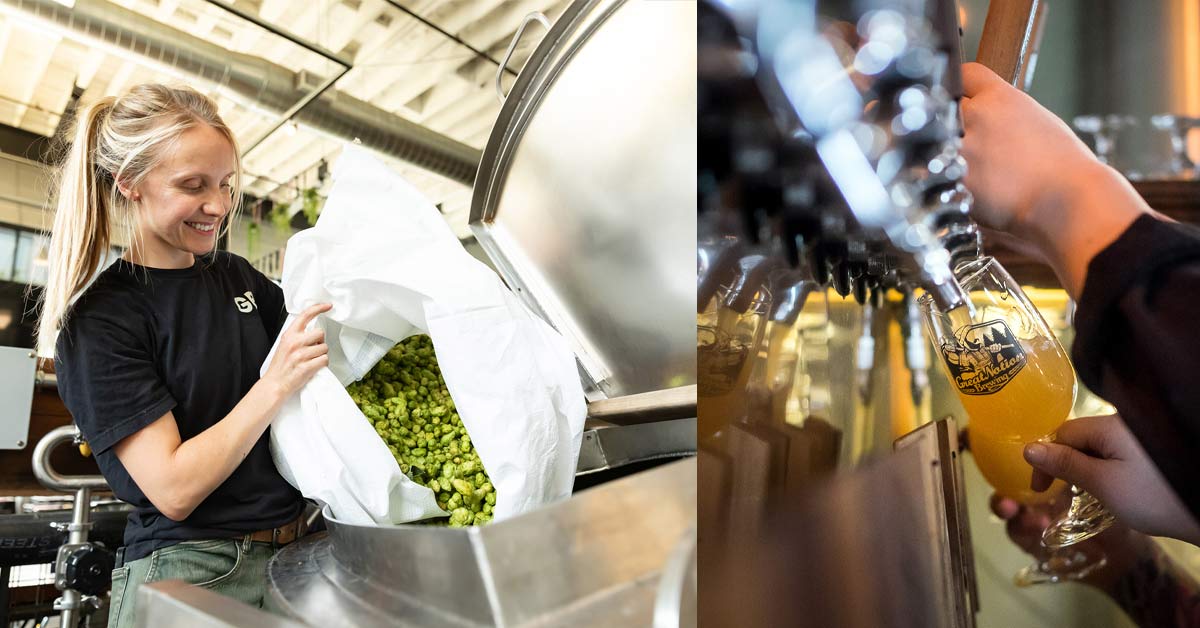
Portland’s dominance in the craft beer sector is inextricably linked to its geography. The city is located in close proximity to the Willamette Valley, one of the world’s premier hop-growing regions. This proximity allows Portland brewers to access "fresh hops" during the harvest season, leading to the creation of seasonal fresh-hop ales that are unique to the Pacific Northwest.
Furthermore, the region’s isolation from the traditional brewing centers of the Midwest and East Coast allowed a local ecosystem to flourish without heavy interference from national conglomerates. Van Havig of Gigantic Brewing observes that in Portland, the distinction between "craft beer" and "beer" has largely vanished. The cultural integration is so complete that the local population simply expects every establishment, from high-end restaurants to "squalid-looking dive bars," to carry a robust selection of local independent brews.
Industry Perspectives: The Resilience of the Brewing Family Tree
The longevity of Portland’s beer scene is often attributed to its collaborative nature. Ben Edmunds, brewmaster at Breakside Brewing, notes that the city has recently seen a shift in its "brewing family tree." For decades, brewers tended to stay at established companies for their entire careers. Now, a new generation of experienced brewers is branching off to start their own ventures.
"This influx of new blood keeps the scene vibrant," Edmunds stated. "Places like Grand Fir, Great Notion, Ruse, and Living Häus are being opened by people who have well-regarded pedigrees. They aren’t novices; they are experts who know exactly what the Portland drinker expects."
This internal growth fosters a resilient environment where breweries support one another even while competing for tap handles. This "ecosystem of excellence" ensures that the quality remains high across the board, which is essential for maintaining the city’s reputation as a global destination for beer tourism.
Broader Implications and Future Outlook
The challenges facing Portland—skyrocketing real estate prices, shifting post-pandemic foot traffic, and a national decline in alcohol consumption among younger demographics—are significant. However, the "Grand Fir model" suggests a path forward. By combining high-quality production with a "premium" on-site experience, breweries can maintain higher margins and foster deeper customer loyalty.
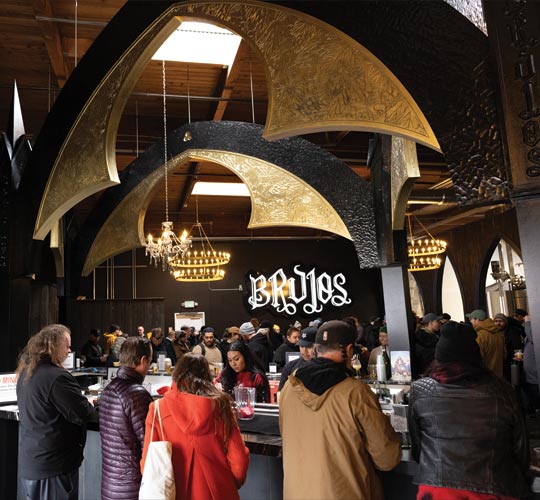
The success of The Bitterroot Club and the continued popularity of specialized taprooms like Brujos Brewing (known for "heavy metal hazies") and Wayfinder Beer indicate that the market is not shrinking so much as it is specializing. The future of Beervana likely lies in this niche-driven approach, where each brewery offers a distinct "personality" that goes beyond the liquid in the glass.
In conclusion, Portland’s beer culture remains a bellwether for the national industry. As brewers across the country grapple with a maturing market, the lessons from Southeast Portland are clear: success requires a blend of historic respect, technical mastery, and a willingness to innovate the consumer experience. In the words of Van Havig, Portland is where "craft beer won," and its current evolution suggests it has no intention of surrendering that title. The city continues to prove that even in a challenging economic climate, there is always a market for excellence, provided it is served with a clear sense of place and purpose.