admin
admin
As the winter season recedes, the culinary and brewing industries are witnessing a significant shift toward seasonal minimalism, prioritizing the raw integrity of ingredients over complex preparation. This transition, often referred to as the "spring awakening" of the palate, marks a period where restaurant menus and taproom offerings move away from the heavy, calorie-dense profiles of winter toward the bright, acidic, and herbaceous notes characteristic of early harvest. The current gastronomic trend emphasizes a philosophy of "less is more," where the success of a dish or a beverage is measured not by the number of components, but by the balance achieved between a few high-quality elements. This movement is particularly evident in the American craft beer sector, where small and independent breweries are increasingly focusing on sessionable, balanced styles that complement the delicate flavors of spring produce such as asparagus, ramps, and fava beans.
The Seasonal Transition: A Chronology of the Spring Harvest
The transition from late winter to early spring follows a predictable but brief chronological window that dictates the availability of specific ingredients. In the agricultural sector, this period begins with the emergence of cool-weather crops that thrive in the moist, temperate conditions of March and April. The first to arrive are often the "harbingers of spring," including ramps (wild leeks), which have a notoriously short foraging season, and radishes, which reach their peak crispness and peppery intensity during these months.
By mid-spring, the harvest expands to include more substantial greens and legumes. Asparagus, fava beans, and English peas become the focal points of seasonal menus. Historically, these ingredients were prized for their ability to provide fresh nutrients after a winter of preserved and fermented foods. In the modern culinary context, the timeline of these ingredients is closely monitored by chefs who seek to highlight their flavors through various techniques such as pickling, roasting, or serving them raw. The brevity of this season necessitates a fast-paced rotation of menu items, forcing a reliance on simplicity to ensure that the natural "clean and bright" flavors of the produce are not overshadowed by excessive manipulation.
Simultaneously, the brewing industry follows a parallel timeline. Many craft breweries release their spring seasonals—often Maibocks, Saisons, or lighter Pale Ales—to coincide with the warming weather. These styles are designed to be refreshing, moving away from the high-alcohol, malt-heavy stouts and porters of the colder months. This alignment between the farm and the brewhouse creates a unique window for pairing that celebrates the immediacy of the harvest.
Supporting Data: The Rise of Independent Craft and Seasonal Demand
The shift toward balanced, simple pairings is supported by broader economic and consumer data within the food and beverage industry. According to the Brewers Association, the non-profit trade group representing small and independent U.S. craft brewers, the craft beer industry contributed $76.3 billion to the U.S. economy in recent years. While the market has seen a proliferation of "extreme" beers—such as triple IPAs or pastry stouts—there is a growing consumer segment favoring "balance" and "drinkability."
Market research indicates that approximately 45% of craft beer drinkers prioritize "flavor variety" and "seasonal appropriateness" when making purchasing decisions. Furthermore, the farm-to-table movement, which emphasizes sourcing ingredients within a 100-mile radius, has seen a 20% increase in participation among mid-to-high-end dining establishments over the last decade. This data suggests that the consumer palate is becoming more sophisticated, seeking out pairings that tell a story of locality and seasonality.
In the realm of cheese production, which is a staple of spring pairings, the demand for "fresh" or "young" cheeses (those aged for less than 30 days) typically spikes in the spring. Cheeses such as chèvre, ricotta, and young Pecorino are designed for immediate consumption, mirroring the "eat it now" urgency of spring vegetables. The economic synergy between small-scale dairy farmers and craft brewers has created a robust micro-economy centered on these ephemeral seasonal windows.
The Science of Simple Pairings: Case Studies in Balance
The concept of balance in pairing is rooted in the chemical interaction between flavor compounds. To understand the drive toward simplicity, industry experts often point to foundational pairings that utilize minimal ingredients to achieve maximum sensory impact. A primary example is the pairing of a high-quality Parmesan Reggiano with a classic Pale Ale.
In this pairing, the complexity arises from the interaction of basic elements rather than a long list of ingredients. The Parmesan provides a dense, nutty, and umami-rich profile with a crystalline texture. When followed by a Pale Ale, the carbonation of the beer acts as a "scrubber," cleansing the palate of the cheese’s fats. The bitterness of the hops cuts through the saltiness of the cheese, while the malt backbone of the beer resonates with the cheese’s nutty undertones. This illustrates the "Balance" principle: the malt-to-hop ratio in the beer must mirror the protein-to-fat ratio in the cheese.
Another quintessential spring pairing involves the radish and the Saison. When a chef serves a fresh radish dipped in butter and garnished with sea salt, the objective is to highlight the harvest’s peak. The radish provides a peppery "pop" and a subtle sweetness, while the butter softens the heat. When paired with a Saison—a style known for its effervescence and spicy, phenolic yeast character—the beer’s peppery notes bridge directly to the radish’s natural spice. This creates what sommeliers call a "congruent pairing," where the flavors of the food and the drink move in the same direction, enhancing the overall experience without competing for dominance.
Industry Perspectives: The Difficulty of Minimalism
While simplicity may appear to be the "easy way out," professional chefs and brewers argue that it requires a higher level of technical skill and sourcing discipline. In a complex dish with twenty ingredients, a minor flaw in one component can be masked. However, in a dish centered on a single stalk of grilled asparagus or a single glass of balanced Pilsner, there is nowhere for errors to hide.
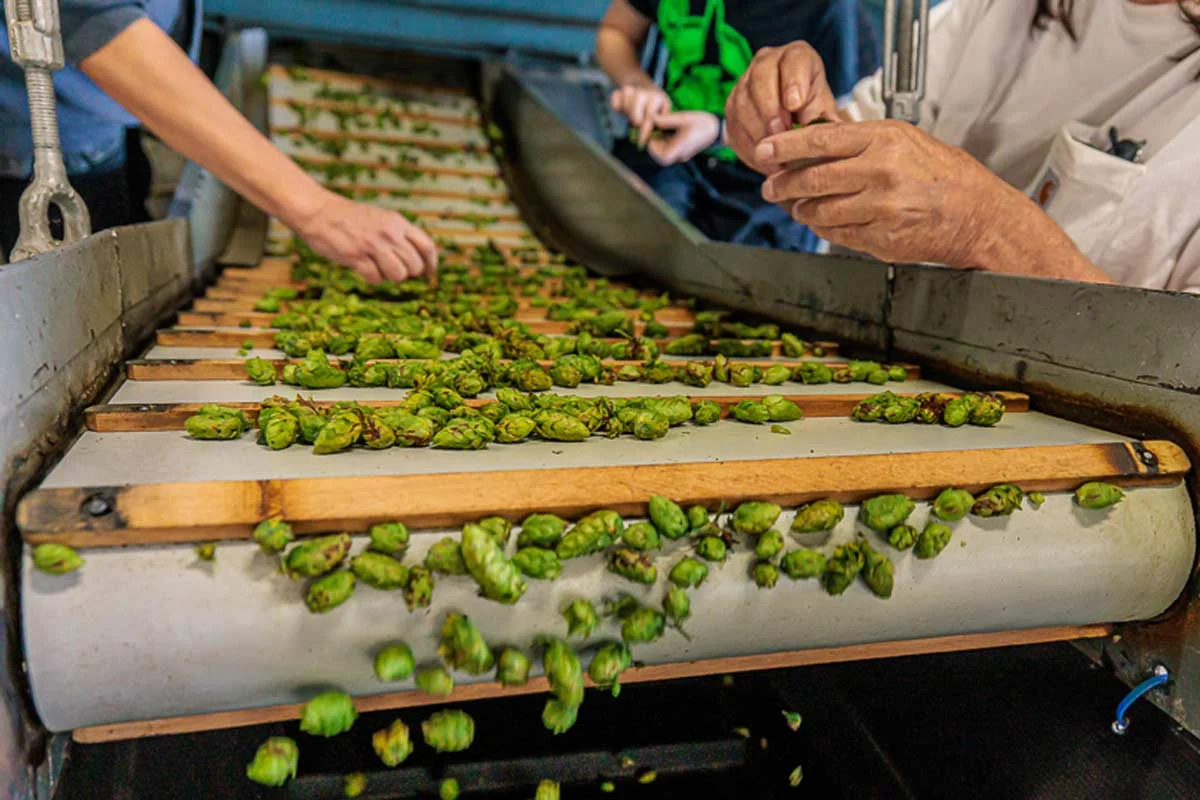
"Achieving simplicity and balance takes focus, dedication, and perseverance," notes the editorial team at CraftBeer.com. The process involves creating deep relationships with farmers to ensure that the produce is harvested at the exact moment of peak flavor. For the brewer, it means mastering the subtleties of water chemistry and fermentation temperatures to ensure that the final product is clean and free of off-flavors.
Chefs are increasingly "taking things off the plate" rather than adding them. This subtractive approach to cooking is a reaction to the "palate-wrecking" trends of previous years, where over-the-top richness or extreme bitterness were used to grab headlines. The current consensus among industry leaders is that the most memorable culinary moments are often the most straightforward, provided the ingredients are of the highest possible quality.
Broader Impact and Implications for the Culinary Landscape
The move toward simple, balanced spring pairings has broader implications for sustainability and regional identity. By focusing on seasonal ingredients like scapes, spring onions, and tender lettuces, restaurants reduce their carbon footprint associated with long-distance shipping. This "hyper-local" focus also supports biodiversity, as many of the vegetables featured in spring—such as heirloom radishes or specific varieties of English peas—are grown by small-scale farmers who prioritize heritage seeds over industrial output.
Furthermore, this trend is reshaping the educational aspect of the dining experience. Consumers are being taught to appreciate the "story" of the ingredient, bridging the gap between the farmer, the chef, and the diner’s palate. This transparency builds trust and encourages a more mindful approach to consumption.
As the craft beer industry continues to mature, the emphasis on balance is likely to influence future brewing trends. While the "hype" around experimental styles remains, the foundational styles that offer versatility in food pairing—such as Lagers, Kölsches, and Saisons—are seeing a resurgence in both production and consumer demand. This indicates a long-term shift in the American palate toward a more European-influenced appreciation for subtlety and sessionability.
In conclusion, the spring season serves as a reminder of the power of simplicity in gastronomy. By limiting ingredients to three or four high-quality components and seeking a balance between the bitter and the sweet, the creamy and the carbonated, chefs and brewers are able to create "moments" rather than just meals. These moments, though brief and tied to the fleeting harvest of the season, represent the pinnacle of modern culinary craft, where the focus remains squarely on the integrity of the ingredient and the harmony of the glass.