admin
admin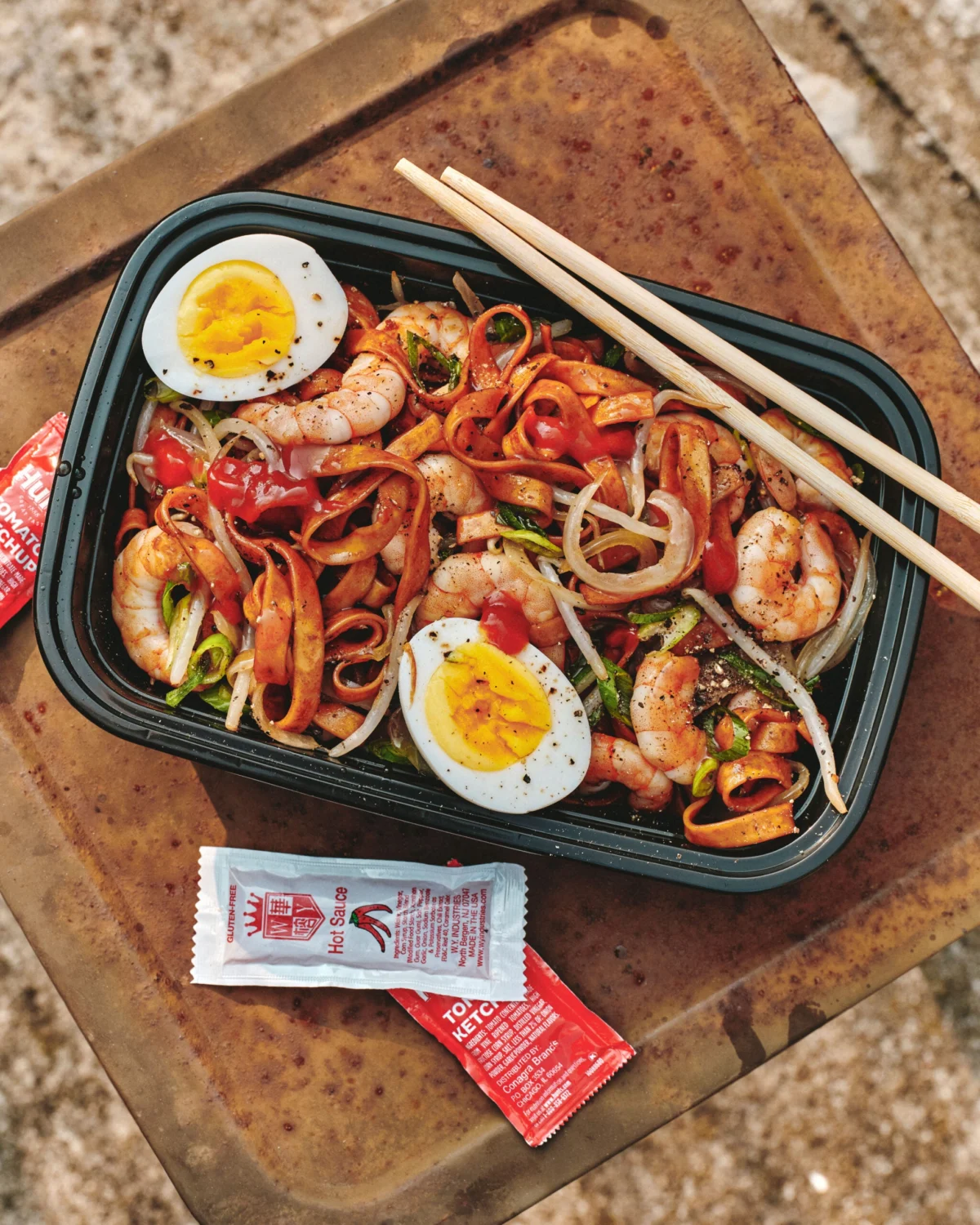
Baltimore Yak Mein, a dish affectionately known in its local iteration as "Baltimore yak" or "dirty yak," stands as a testament to the rich tapestry of American culinary evolution, specifically within the vibrant Chinese American food scene of Baltimore. This savory wheat noodle dish, a unique adaptation of Beijing’s zha jiang mian, traces its origins back to the late 19th century. During this period, Chinese immigrants began establishing communities in Baltimore, often settling in historically Black and working-class neighborhoods. Faced with the necessity of utilizing locally available ingredients, these early Chinese cooks ingeniously reimagined traditional recipes. The complex, fermented pastes common in their homeland were replaced with a more accessible, soy-based gravy, laying the groundwork for a distinctively Baltimorean flavor profile. The result is a comforting and deeply satisfying meal, characterized by its savory wheat noodles stir-fried with a medley of shrimp, beef, and vegetables, often crowned with the simple elegance of a hard-boiled egg. Today, this beloved dish remains a staple at numerous Baltimore carryout establishments, including iconic spots like Jimmy’s Carryout, Danny’s, and Pimlico Chinese Carry Out, where it continues to be a beloved comfort food.
The evolution of Baltimore Yak Mein is more than just a culinary adaptation; it’s a narrative woven into the social and economic history of Baltimore. The settlement patterns of Chinese immigrants in the late 19th and early 20th centuries often intersected with established Black communities. This proximity fostered a unique cultural exchange, not only in cuisine but also in the broader social fabric of these neighborhoods. The Chinese restaurants that emerged in these areas served as vital community hubs, offering affordable and accessible food options. The adaptation of dishes like zha jiang mian reflects a pragmatic approach to ingredient sourcing, where the availability of local produce and proteins directly influenced the final dish. This process of culinary fusion, driven by necessity and creativity, resulted in a dish that, while rooted in Chinese tradition, developed a distinct identity shaped by its Baltimorean context. The "simpler, soy-based gravy" mentioned in historical accounts likely involved readily available ingredients such as soy sauce, sugar, and perhaps local vegetables or less expensive cuts of meat, all contributing to a flavor profile that resonated with the local palate. The inclusion of a hard-boiled egg, a common and economical protein source, further cemented its place as an affordable and filling meal for the working-class communities it served.
The "Dirty" Secret: Unpacking the Flavor Profile
The moniker "dirty yak" offers a compelling insight into the dish’s distinctive flavor. This appellation doesn’t refer to its hygiene but rather to the complex, deeply savory notes that develop through a specific cooking technique. In an at-home rendition crafted by Steve Chu, the acclaimed chef behind Baltimore’s renowned Ekiben restaurant, this "dirtiness" is achieved through the intense heat of a wok. The process involves tossing smoky, wok-charred noodles with an umami-rich blend of soy sauce and oyster sauce, enriched with generous amounts of fat and the sweetness of caramelized onions. The key to the "dirty" flavor lies in the Maillard reaction, a chemical process that occurs when amino acids and reducing sugars react at high temperatures, leading to browning and the creation of complex flavor compounds. In the case of Baltimore Yak Mein, the soy sauce, sugar, and aromatics are intentionally allowed to scorch slightly against the hot metal of the wok. This controlled charring, rather than imparting a burnt taste, generates deep, savory notes that are beautifully balanced by a subtle sweetness.
Chef Chu emphasizes the critical role of high heat and constant stirring in achieving this signature flavor. This technique allows for the development of "wok hei," a Chinese culinary term that translates to "the breath of a wok." Wok hei is an elusive quality, referring to the smoky aroma and depth of flavor that is imparted to food when cooked in a well-seasoned wok over high heat. It’s a testament to the chef’s skill in managing intense heat and rapid cooking to infuse the ingredients with this characteristic smokiness. The final, and perhaps most surprising, element in some interpretations of Baltimore Yak Mein is a squeeze of ketchup. Far from being a mere condiment, the ketchup provides a crucial acidic punch that cuts through the richness of the dish, elevating the overall flavor profile and creating a perfectly balanced bite. This seemingly unconventional addition highlights the dish’s adaptability and its unique fusion of cultural influences, where a Western condiment finds its place in a Chinese-inspired noodle dish.
A Culinary Journey: From Immigrant Kitchens to Modern Menus
The historical trajectory of Baltimore Yak Mein can be seen as a microcosm of Chinese American culinary history. As Chinese immigrants arrived in the United States, they brought with them a rich culinary heritage. However, the realities of a new country—limited access to traditional ingredients, economic constraints, and the need to cater to local tastes—necessitated adaptation. Early Chinese restaurants in America often served as cultural bridges, introducing new flavors and dishes to a broader American audience while simultaneously evolving their own cuisine. The story of Baltimore Yak Mein exemplifies this process. It’s a narrative of resilience, innovation, and cultural synthesis.
The dish’s roots in zha jiang mian, a dish that itself has regional variations across China, suggest a layered history. Zha jiang mian typically features a rich sauce made from fermented soybean paste and minced pork, served over noodles. The adaptation in Baltimore likely involved substituting the fermented pastes with more readily available soy sauce, a common practice in Chinese American cooking where ingredients were adapted to local markets. The inclusion of proteins like shrimp and beef, alongside vegetables, would have provided a hearty and complete meal. The hard-boiled egg, a staple in many cuisines for its affordability and nutritional value, became a characteristic topping.
The enduring popularity of Baltimore Yak Mein in its city of origin is a testament to its successful fusion. It’s a dish that speaks to the comfort of familiar flavors while offering a unique taste experience. The continued presence of establishments like Jimmy’s Carryout, Danny’s, and Pimlico Chinese Carry Out ensures that this culinary legacy is passed down through generations. These restaurants are not just purveyors of food; they are custodians of a cultural history, offering a tangible link to the immigrant experience and the evolution of Chinese American cuisine in Baltimore. The dish’s ability to remain a beloved comfort food for decades underscores its intrinsic appeal, a blend of savory, sweet, and textural elements that resonate with a broad audience.
The Science of Flavor: Wok Hei and the Art of the Sear
The culinary significance of wok hei cannot be overstated when discussing Baltimore Yak Mein, particularly in its more contemporary interpretations. This technique, central to many Cantonese stir-fried dishes, is what elevates a simple noodle stir-fry into a dish of profound flavor and aroma. Wok hei is achieved through a combination of factors: the intense heat of a gas-powered wok burner, the high smoke point of cooking oils, the rapid movement of ingredients within the wok, and the well-seasoned surface of the wok itself. As ingredients are tossed at high temperatures, they come into contact with the hot metal, creating a thin layer of caramelized food particles that impart a smoky, slightly bitter, and deeply savory flavor. This is not simply about searing; it’s about infusing the food with the very essence of the wok.
Steve Chu’s emphasis on keeping the wok on high heat and stirring frequently is a direct nod to mastering wok hei. The "scorching" of soy sauce, sugar, and aromatics against the hot metal is a deliberate application of this principle. The goal is not to burn the ingredients to an unpleasant degree, but to create a controlled char that releases complex flavor compounds. The caramelization of onions, another key element in Chu’s recipe, adds a layer of sweetness that complements the savory and smoky notes, creating a well-rounded flavor profile. The addition of fat, such as duck fat in Chu’s recipe, plays a crucial role in conducting heat and ensuring even cooking, while also contributing to the richness of the dish. The interplay of these elements—high heat, rapid cooking, controlled charring, and the judicious use of flavorful ingredients—is what gives Baltimore Yak Mein its distinctive and addictive character.
The acidic component, often provided by a squeeze of ketchup, serves as a vital counterpoint. In culinary terms, acid is often used to balance richness and sweetness, brightening flavors and preventing the dish from becoming overly heavy. The tartness of the ketchup, with its subtle vinegar notes, cuts through the savory depth of the soy sauce and oyster sauce, as well as the richness of the fat, creating a more dynamic and palate-cleansing experience. This thoughtful inclusion demonstrates an understanding of flavor balance that goes beyond simply combining ingredients; it speaks to a sophisticated approach to taste, even in a dish often considered humble comfort food.
Broader Implications: Culinary Heritage and Cultural Identity
The story of Baltimore Yak Mein is more than just a local culinary curiosity; it is a powerful illustration of how food can serve as a vehicle for cultural identity and historical narrative. The dish’s journey from the kitchens of Chinese immigrants adapting to a new land to its status as a beloved local specialty reflects the broader experience of immigrant communities in America. These communities often bring their culinary traditions with them, but they also engage in a dynamic process of adaptation and innovation, creating new foodways that are uniquely their own.
The success of dishes like Baltimore Yak Mein highlights the economic and cultural contributions of immigrant groups to American society. These culinary adaptations not only enriched the American food landscape but also provided essential economic opportunities for immigrant entrepreneurs. The persistence of these dishes in their adopted homes, often through family-run businesses passed down through generations, speaks to their enduring appeal and their ability to connect people to their heritage.
Furthermore, the recognition of dishes like Baltimore Yak Mein by chefs like Steve Chu, who are reinterpreting and elevating them, signifies a growing appreciation for the depth and complexity of Chinese American cuisine. This can lead to a broader understanding and celebration of diverse culinary traditions, moving beyond superficial stereotypes to acknowledge the rich history and cultural significance embedded within these foods. The "dirty yak" is not just a meal; it’s a delicious chapter in the ongoing story of America’s culinary mosaic, a testament to the enduring power of food to bridge cultures, preserve history, and nourish communities. The continued existence and evolution of Baltimore Yak Mein ensures that this important part of Baltimore’s cultural heritage remains vibrant and accessible for years to come.