admin
admin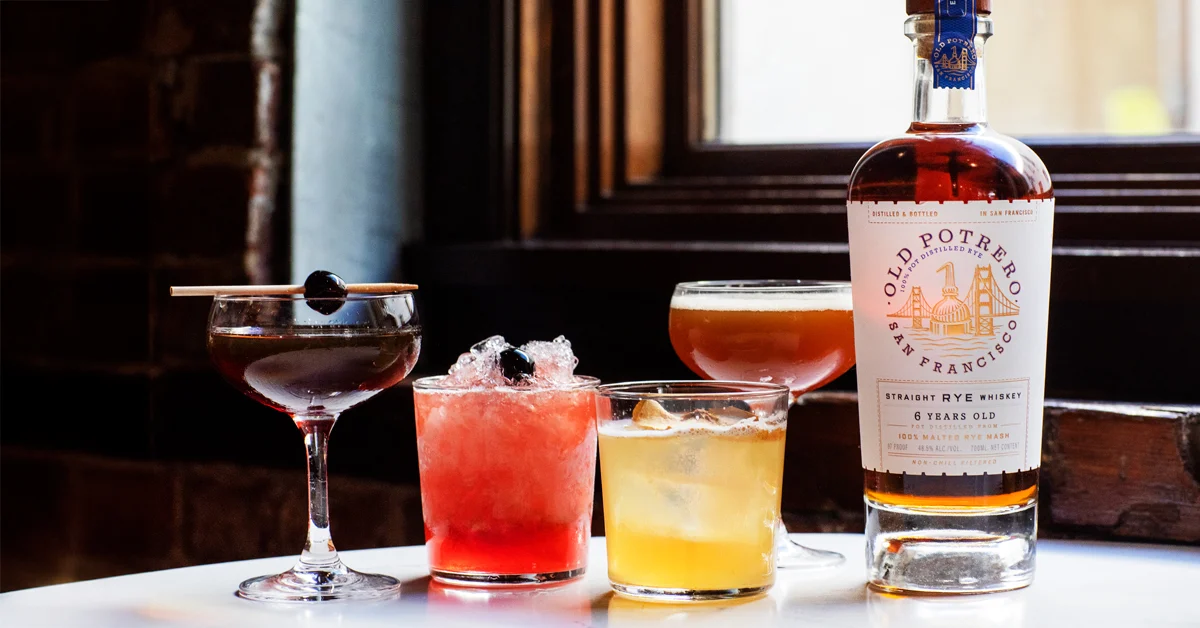
The American craft beer industry, once defined by meteoric growth and a cult-like consumer base willing to wait hours for limited-edition "freshies," is currently undergoing a fundamental structural transformation. According to the Brewers Association’s 2024 "Year in Beer" report, the sector saw the closure of 399 breweries over the last calendar year, while overall production dipped by 2%. This contraction marks the end of a decade-long expansion phase and the beginning of what industry analysts describe as a "maturation era." Faced with a diversifying consumer base—particularly among Gen Z, who increasingly favor non-alcoholic beverages, THC-infused ready-to-drink (RTD) products, and spirits—long-established craft breweries are looking beyond the tap handle to secure their financial futures. For many of the nation’s most decorated brewers, the strategic answer to market volatility lies in the copper still.
The Natural Evolution from Mash Tun to Still
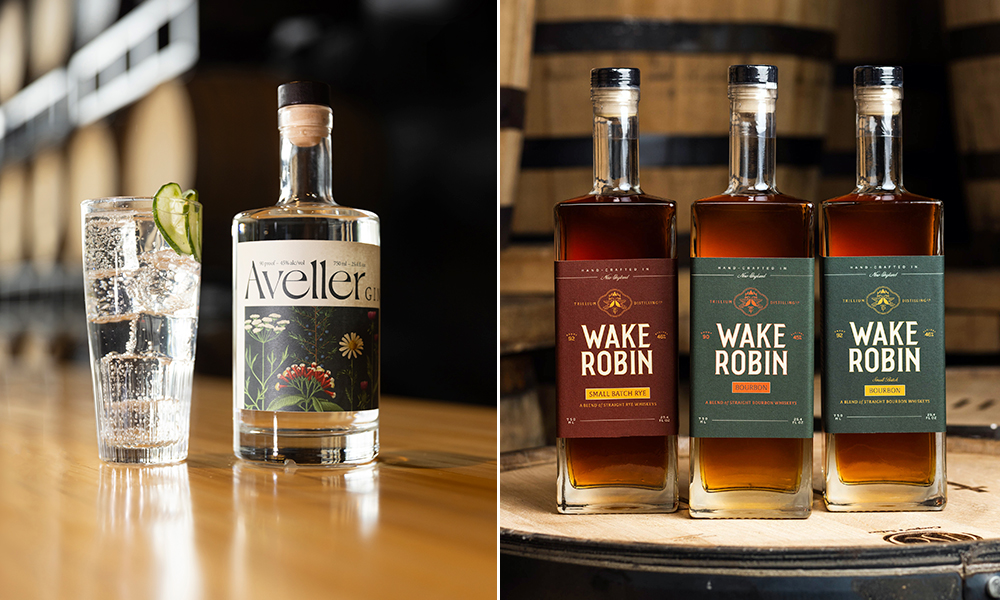
The transition from brewing to distilling is rooted in a fundamental shared chemistry. JC Tetreault, co-founder of Boston’s Trillium Brewing, observed early in his company’s trajectory that the infrastructure for craft beer is nearly identical to that required for spirits. To produce whiskey, a distiller must first create a "mash"—essentially a beer without the hops. This fermented liquid, known as "distiller’s beer" or "wash," is then heated in a still to concentrate the alcohol before being aged in charred oak barrels.
Trillium, which opened in 2013 in Boston’s Fort Point neighborhood, rose to prominence during the "hazy IPA" boom. However, Tetreault recognized that the skills inherent in high-level brewing provided a 90% foundation for whiskey production. This realization has led to a broader trend where breweries leverage their existing knowledge of grain bills, yeast management, and fermentation temperatures to enter the spirits market. While the technical bridge is short, the regulatory and branding hurdles remain significant. In many jurisdictions, including Massachusetts, breweries must maintain entirely separate distilling spaces and licenses, necessitating significant capital investment and a long-term vision that extends beyond the traditional beer taproom.
A Chronology of the Craft Spirit Movement
While the current wave of brewery-distilleries feels like a reaction to recent market cooling, the movement has deep roots in the American craft revolution. The timeline of this crossover reveals a slow-burning trend that has recently reached a boiling point.
In 1993, the late Fritz Maytag of Anchor Brewing—widely considered the father of modern American craft beer—pioneered this path by launching Anchor Distilling (now Hotaling & Co.). His release of Old Potrero, a single malt rye whiskey, proved that the artisanal ethos of craft brewing could be successfully applied to spirits. Following Anchor’s lead, Rogue Ales in Oregon began distilling in 2003, eventually becoming one of the few operations in the United States to manufacture its own barrels.
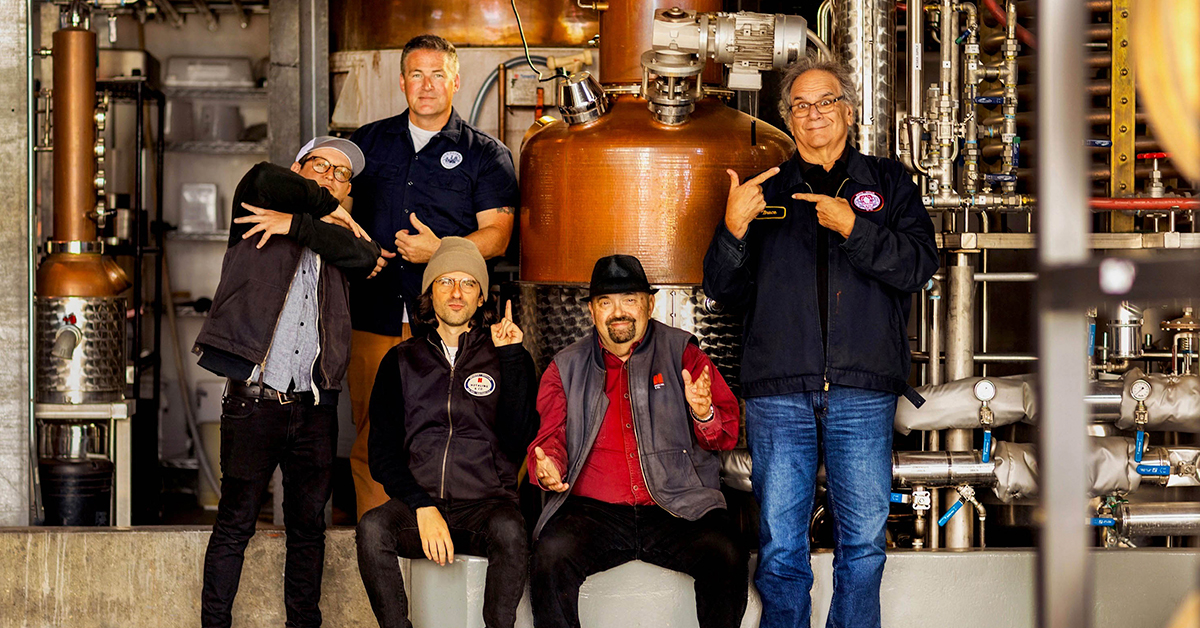
By the mid-2000s, other regional powerhouses joined the fray. Michigan’s New Holland Brewing added a distillery in 2005, and San Diego’s Ballast Point followed in 2006. The latter’s spirits division, eventually rebranded as Cutwater Spirits, became such a formidable market player that it was acquired by Anheuser-Busch InBev in 2019, highlighting the massive valuation potential for breweries that successfully diversify into the spirits and RTD categories.
Technical Nuances and the Challenge of "Jumping the Aisle"
Despite the similarities in the initial stages of production, brewing and distilling require distinct disciplinary focuses. Traditional beer recipes, which often rely on malted barley and specific hop profiles, do not always translate directly to high-quality spirits. Whiskey mashes frequently incorporate high percentages of unmalted grains, such as corn or rye, which require different handling during the mashing process.
John Britton, who leads the distilling program at Tree House Brewing Company in Charlton, Massachusetts, emphasizes that while a good spirit starts with a good mash, the "artful spirits at scale" require a different level of precision. Tree House, arguably the most acclaimed brewery of the last decade, began its "grain-to-glass" distilling operation in 2021. Their program focuses on Old Growth Bourbon and Rye, sourced exclusively from New England grains. By controlling the process from the brew deck to the barrel, they maintain the same quality control that earned their IPAs a global following.
The diversification also allows breweries to enter the rapidly growing RTD market. By utilizing their existing canning lines, breweries like Tree House and Finback Brewing in New York can produce canned cocktails such as Tom Collins, Gin and Tonics, and Palomas. These products serve as a "bridge," attracting consumers who may be deterred by the bitterness of hops but are comfortable with the price point and convenience of a 12-ounce can.
Regulatory Realities and the "Cocktail Lounge" Strategy
The pivot to spirits is often as much about legal strategy as it is about flavor. In states like Massachusetts, "Farmer-Brewery" licenses can be restrictive regarding what can be served on-premise. For a brewery to offer a full cocktail menu in its taproom, it often must produce the base spirits—vodka, gin, rum, or agave-based distillates—on-site.
This regulatory requirement has inadvertently created a new revenue stream: the high-end cocktail lounge. Trillium’s Headroom Hi-Fi Cocktail Lounge, located above its Fort Point taproom, represents a shift toward a more sophisticated, late-night hospitality model. This space attracts a demographic that may have "aged out" of the rowdy beer hall environment or a younger cohort that prioritizes atmosphere and spirits over craft ales.
"I have no ego associated with this at all," JC Tetreault noted, reflecting on the fact that many patrons of the cocktail lounge are entirely unaware of Trillium’s status as a world-class brewery. This lack of brand pigeonholing is essential for survival in a market where "craft beer" as a category is no longer the novel draw it was in 2015.
Data and Market Implications for 2025 and Beyond
The shift toward distilling is supported by broader beverage consumption data. While beer production is down, the Distilled Spirits Council of the United States (DISCUS) reported that spirits have continued to gain market share over beer for several consecutive years. In 2023, spirits accounted for roughly 42% of total beverage alcohol market share, surpassing beer for the second year in a row.
For a mid-to-large-sized craft brewery, the implications of these numbers are clear: reliance on a single product category is a high-risk strategy. Diversification into spirits offers several economic advantages:
- Shelf Life: Unlike IPAs, which degrade within 90 days, spirits are shelf-stable and often increase in value as they age in the barrel.
- Higher Margins: Spirits generally command higher price points per ounce than beer, providing better margins in a high-inflation environment.
- Consumer Retention: As the "craft" generation enters middle age, their preferences often shift toward spirits and wine. By offering both, breweries can retain their customer base throughout their lifecycle.
The Future of the "Craft Beverage" Entity
The success of programs like Finback’s Halftone Spirits or 3 Floyds’ distilling arm suggests that the future of the industry may not lie in "breweries" but in "craft beverage companies." These entities operate as multi-functional laboratories where hops, grains, botanicals, and fruits are used across various platforms—from traditional ales to botanical gins and amaro.
This evolution is not without its risks. The spirits market is becoming as crowded as the beer market once was, and the capital required for barrel-aging programs can strain a company’s cash flow. However, the precedent set by pioneers like Anchor and the recent successes of Tree House and Trillium indicate that the "spirit of diversification" is more than a trend; it is a necessary adaptation to a landscape where the consumer is no longer standing in line for a four-pack, but rather sitting at a bar, looking for a well-crafted cocktail.
As the industry moves through 2025, the distinction between a brewer and a distiller will continue to blur. The breweries that survive the current "shakeout" will likely be those that view their facility not just as a place to make beer, but as a hub for liquid innovation across all categories. The era of the "beer geek" may be fading, but the era of the sophisticated, multi-category craft consumer is only just beginning.