admin
admin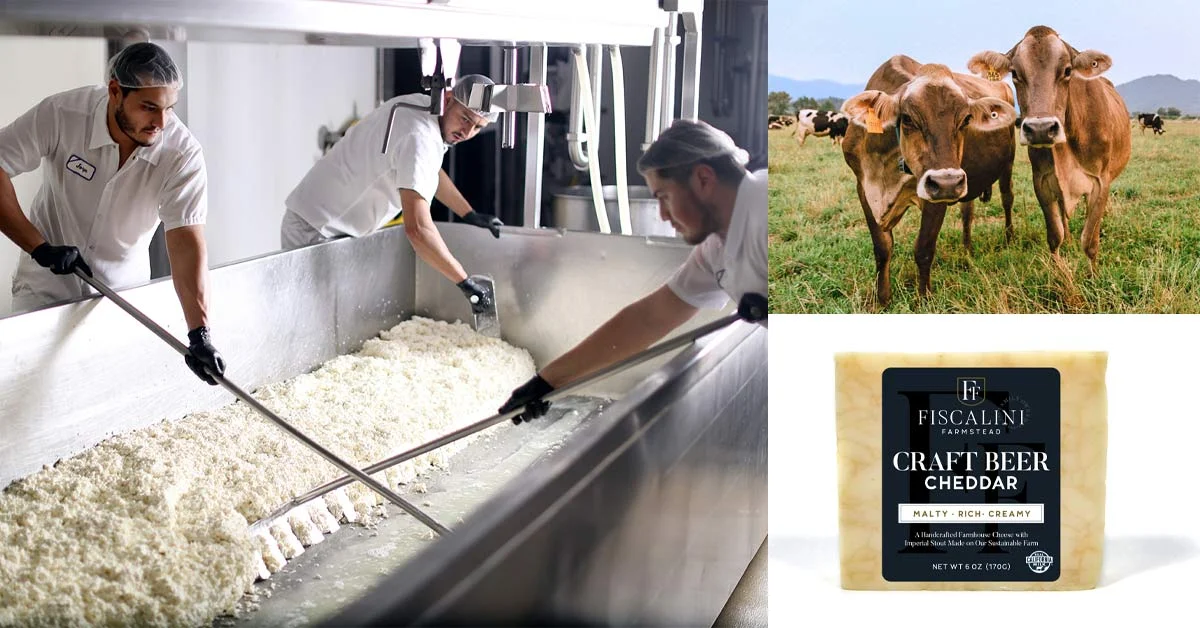
The landscape of American specialty food is currently witnessing a sophisticated convergence between two of the nation’s most storied craft industries: brewing and cheesemaking. While the concept of beer cheese has existed in the American culinary lexicon for over eighty years, the category is undergoing a radical transformation. What began as a resourceful way to utilize leftover ingredients in the post-Depression era has evolved into a high-stakes arena of farmstead innovation, where microbial chemistry and regional terroir dictate the success of complex, collaborative products. This shift represents a move away from the traditional tangy, spicy spreads of the mid-20th century toward a new paradigm of "infused" and "washed-rind" cheeses that prioritize the integrity of both the dairy and the brew.
The historical trajectory of beer cheese is rooted in the 1940s in Clark County, Kentucky. The product is widely believed to have first been served at Johnny Allman’s, a restaurant located on the banks of the Kentucky River. At its inception, beer cheese was an exercise in sustainability and thrift. According to Kathy Gorman Archer, president of Howard’s Creek Authentic Beer Cheese—the successor to the Allman brand—the original recipes were designed to salvage surplus ingredients. Leftover sharp cheddar cheese provided the base, while flat or excess beer acted as the thinning agent and flavoring. To "kick up" the profile, Allman incorporated southwestern influences, specifically cayenne pepper and garlic, creating a sharp, spreadable snack that eventually gained a cult following and spurred the creation of the annual Beer Cheese Festival in Winchester, Kentucky.
However, the modern era of the 21st century has seen the definition of beer cheese expand far beyond the boundaries of Kentucky-style spreads. As the American craft beer movement exploded—growing to over 9,000 breweries by the 2020s—cheesemakers began to view beer not just as a secondary additive for a dip, but as a primary ingredient in the fermentation and aging process.
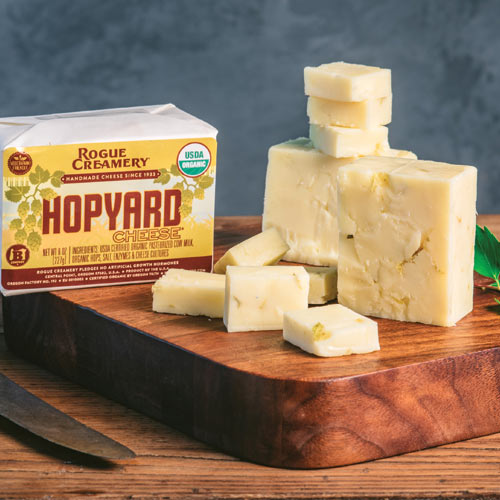
In the Pacific Northwest, the relationship between Rogue Ales and Rogue Creamery serves as a foundational example of this evolution, despite the two entities being separate business concerns. Rogue Creamery, established in 1933 and famous for producing the first cave-aged blue cheese west of the Mississippi in 1953, has spent decades experimenting with infusion techniques. Their collaboration with Hopworks Brewery in Portland resulted in a Chocolate Stout Cheddar that has remained a staple for nearly ten years.
Marguerite Merritt, the brand manager for Rogue Creamery and a certified sommelier, notes that the process involves adding the beer to the cheese at a critical juncture: just as the whey begins to separate from the curd. This timing allows the milk and curd to absorb a balanced maltiness without overwhelming the dairy’s natural profile. The result is a marbled aesthetic and a flavor profile that Merritt describes as savory and sweet, rather than aggressively bitter. The creamery has pushed these boundaries further with products like "Hopyard," a cheddar where fresh, local Northwest-grown hops are mixed directly into the curds. This technique mimics the "dry-hopping" process used in IPAs, reinforcing citrus and pine notes within the fatty structure of the cheese.
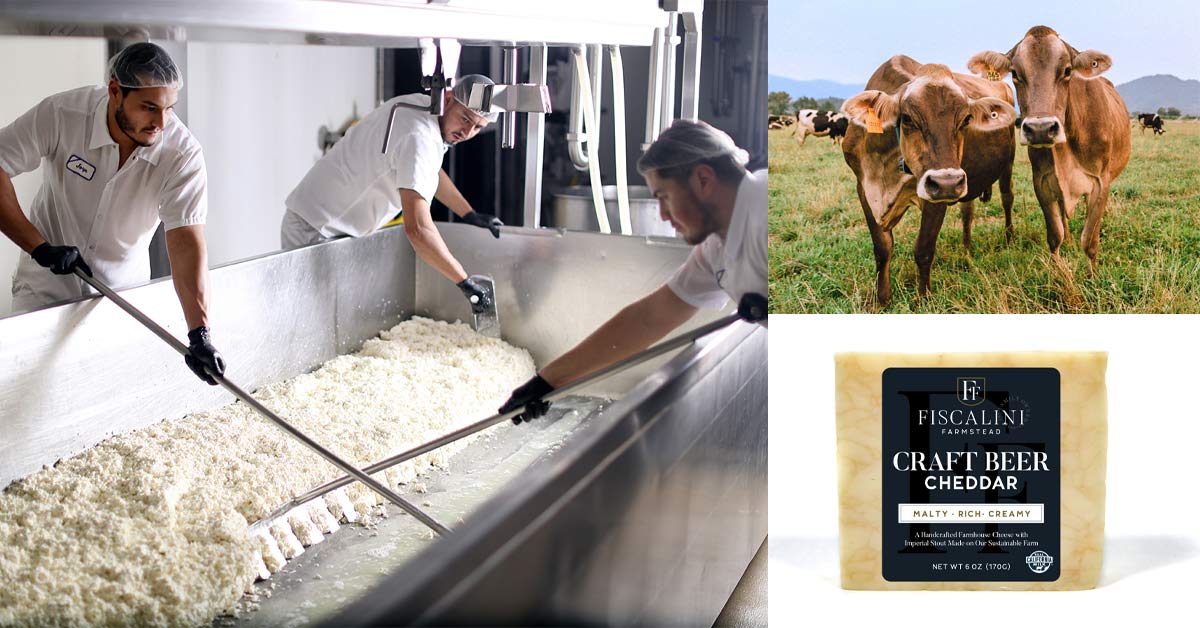
Further south in Modesto, California, Fiscalini Farmstead has approached the trend through the lens of traceability and vertical integration. Operating since 1914, Fiscalini transitioned to farmstead cheesemaking in 2000, meaning they only use milk produced by their own herd. This control over the raw material allows for precise collaborations, such as their Craft Beer Cheddar made with Black Blizzard Imperial Stout from the nearby Dust Bowl Brewing.
Fourth-generation owner Laura Genasci and cheesemaker Alex Borgo emphasize the culinary "collision" of the two crafts. The technical synergy is found in the enzymes; just as brewers heat malted barley to activate enzymes for fermentation, cheesemakers use starter cultures and rennet to separate solids from liquids. By mixing the imperial stout with the curds before pressing them into 40-pound blocks overnight, the beer flavor is forced into the interior of the cheese, creating a mottled pattern and a profile rich with coffee and chocolate notes. Industry data suggests that such "terroir-based" collaborations are increasingly popular as consumers seek products with a documented sense of place and local partnership.
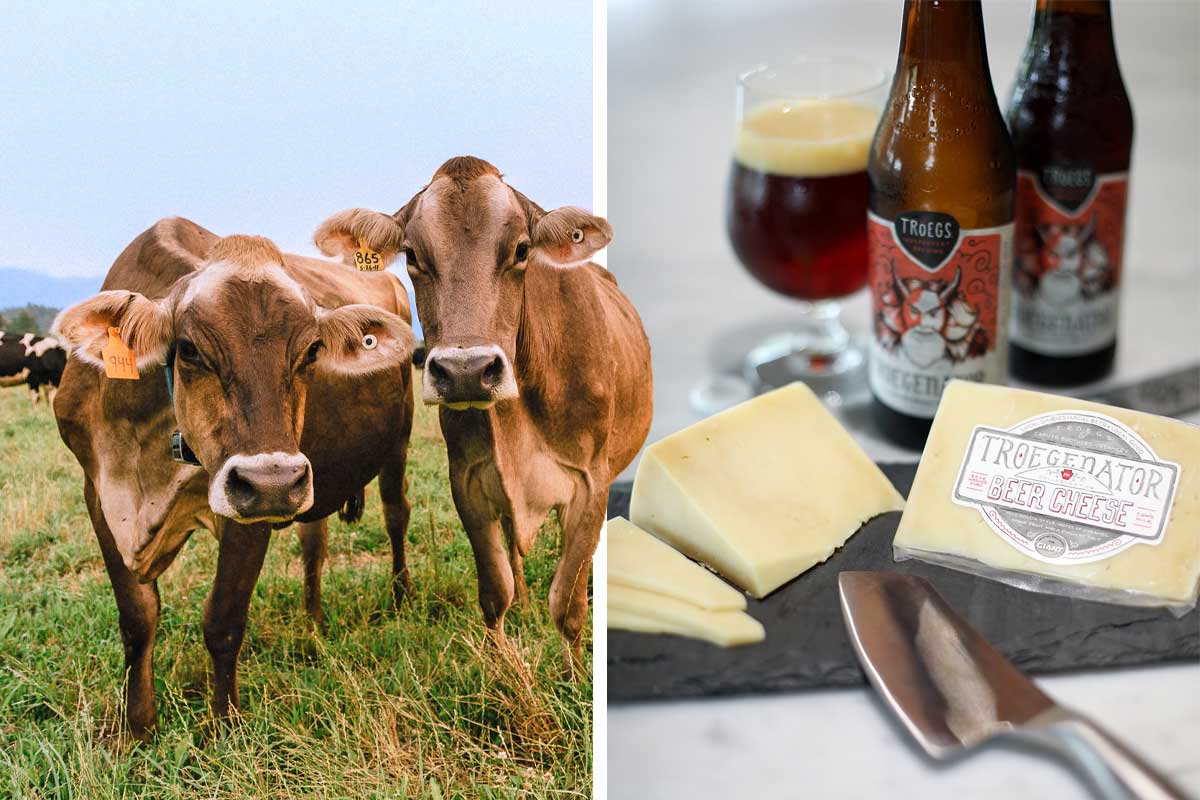
On the East Coast, the commercial potential of beer cheese has attracted the attention of major retail players. In Pennsylvania, the Giant Food Stores chain facilitated a three-way partnership between itself, Caputo Brothers Creamery, and Tröegs Independent Brewing. This collaboration was strategically designed to support the regional dairy industry, which has faced significant economic headwinds over the last decade.
Rynn Caputo, co-founder of Caputo Brothers, noted that the project began with a Gouda-style cheese infused with Troegenator, a storied Double Bock from Tröegs. The success of the initial launch led to more experimental ventures, including a cheese infused with Mad Elf, an 11% ABV Belgian holiday ale featuring notes of cherry and cinnamon. To achieve the desired complexity, the creamery marinates the curd in the beer and then rubs a mixture of cocoa, cinnamon, espresso, and more beer into the rind.
The technical challenges of these infusions are significant. Caputo highlights the importance of pH levels in the process. Milk typically sits at a pH of 6.4 to 6.8. If the acidity of the added beer pushes the pH too low (below 4), the curds become rubbery; if it remains too high, they fail to bind. This scientific precision led to the creation of "Custom Cheesemakers," a subsidiary of Caputo Brothers that now produces bespoke beer cheeses for breweries nationwide, signaling a maturing market for private-label artisanal collaborations.
While many producers focus on internal infusions, others utilize beer in the "washing" of the rind. Tulip Tree Creamery in Indianapolis employs this traditional European technique to create "Hops Beer Cheese." Rather than adding beer to the curds, they wash the exterior of the cheese wheels with a solution of bacteria cultures, beer, water, and salt. This permeates the cheese with the essence of local brews from Sun King, Big Lug, and 3 Floyds without altering the internal moisture content of their double-cream styles. Laura Davenport, co-owner of Tulip Tree, suggests that lower-bitterness beers, such as pilsners or porters, often yield better results in washed-rind cheeses than high-IBU (International Bitterness Units) IPAs, which can sometimes produce an unpleasant metallic note when aged.
The urban creamery movement is also contributing to the category’s diversity. In Cincinnati, Urban Stead Cheese has sought to honor the city’s German heritage by producing fresh Quark and "Kentucky-style" beer cheese. Co-founder Andrea Robbins utilizes Braxton Brewing’s Storm Golden Cream Ale to create a fresh cheese with the texture of a hybrid between ricotta and cream cheese. Unlike aged cheddars or goudas, which can take up to 20 months to mature, these fresh beer cheeses can be produced and sold within days. This provides a vital "cash flow" balance for small creameries while offering consumers a versatile culinary ingredient that can be used in everything from pasta fillings to baking.
The implications of this trend extend beyond the palate. Economically, these collaborations provide a "halo effect" for both the brewery and the creamery. According to the Brewers Association, "localness" is a primary driver for craft beer consumers, and artisanal cheese provides a tangible way for breweries to expand their brand presence into the grocery and specialty food sectors. For dairies, these partnerships offer a way to differentiate their products in a crowded market and command the premium pricing necessary to sustain small-scale farming operations.
Furthermore, the rise of "beer cheese" as a respected artisanal category reflects a broader shift in American food culture. The transition from the 1940s sustainable "leftover" spread to the 2024 pH-balanced, dry-hopped farmstead cheddar demonstrates an increasing consumer demand for complexity and craftsmanship. As cheesemakers like those at Rogue, Fiscalini, and Caputo Brothers continue to refine the science of infusion, the boundary between the brewhouse and the creamery will likely continue to blur.
In summary, the American beer cheese journey is a testament to the power of collaborative innovation. By combining the microbial wonders of fermentation with the traditional art of the dairy, these producers are creating a new class of food that is deeply rooted in local history but technically advanced in its execution. Whether it is a fresh urban Quark or a two-year reserve stout-infused cheddar, the modern beer cheese is no longer just a dip—it is a sophisticated expression of the American craft spirit.