admin
admin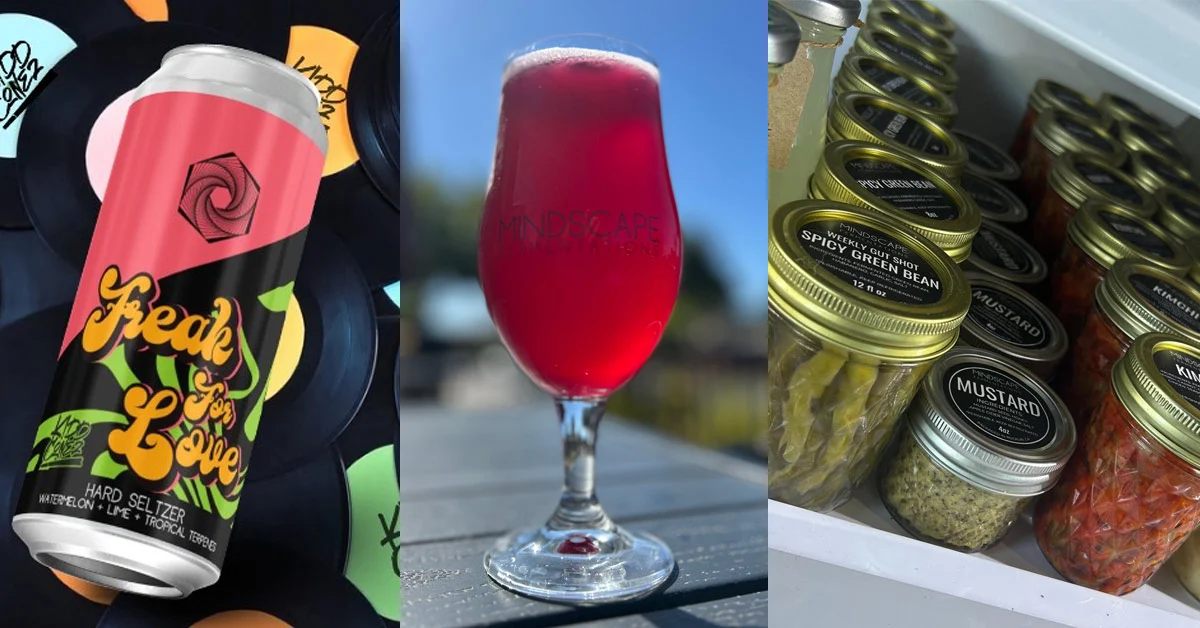
The traditional image of a brewery as a localized production facility with a simple tasting room is undergoing a fundamental transformation as economic pressures and shifting consumer preferences force a re-evaluation of the business model. No longer content with serving merely as manufacturing hubs, modern breweries are increasingly positioning themselves as "third places"—sociological anchors between the home and the workplace—by integrating diverse community services, cooperative manufacturing structures, and expanded fermentation portfolios. This evolution represents a strategic response to a maturing global market where standing out requires more than just high-quality beer; it requires a deep integration into the social and economic fabric of the local community.
The Tiers-Lieu Model and Rural Integration
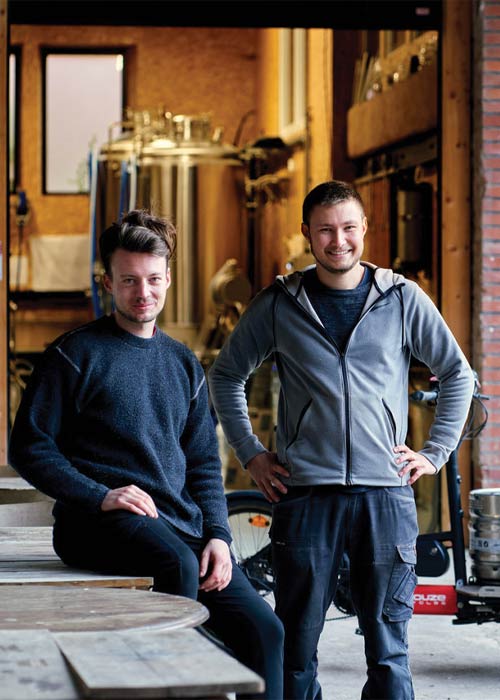
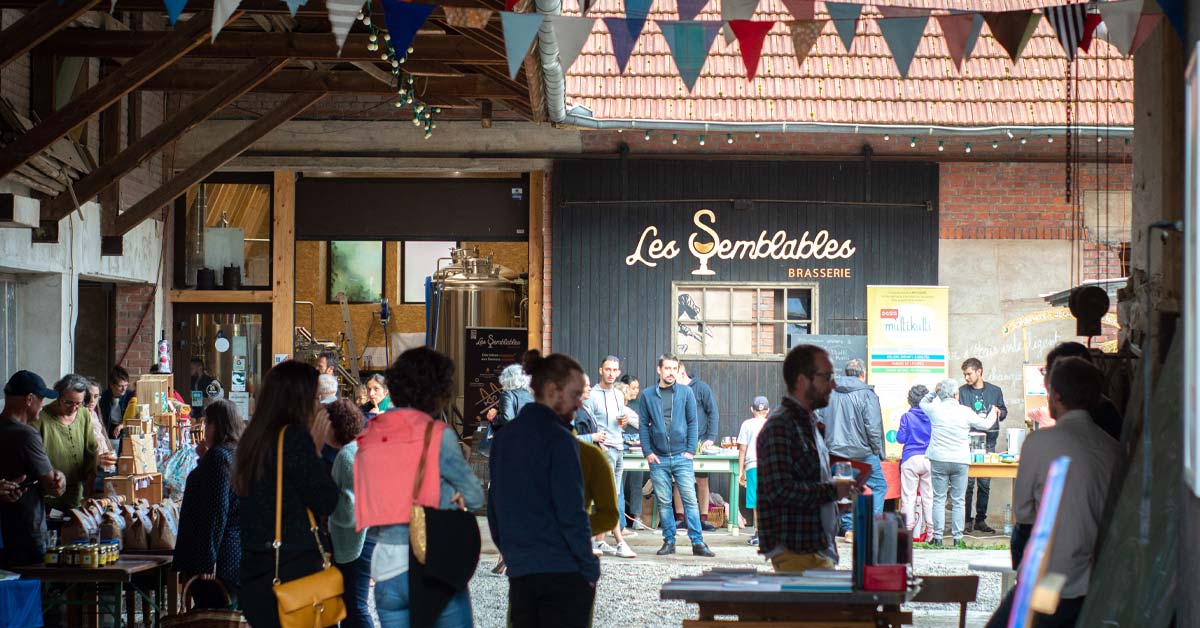
In the Alsace region of eastern France, Brasserie Les Semblables exemplifies the shift toward the "tiers-lieu" or "third place" model. Founded by Eliott Pernelle and Etienne Voinson, the brewery was established not in a standard industrial park, but within Oasis Multikulti, a community-run collective located on a historic farm in the village of Mietesheim. This model, common in French rural development, prioritizes educational, sustainable, and cultural goals over pure commercial output.
The decision to settle within an existing collective was driven by a desire to avoid the isolation often associated with startup manufacturing. By integrating into Oasis Multikulti, Les Semblables gained immediate access to an established audience that visits the site for pottery classes, community gardens, and farmer’s markets. However, this symbiotic relationship requires a commitment beyond brewing. Pernelle and Voinson operate as active volunteers within the association, managing social media and assisting with site maintenance. This "sweat equity" serves as a form of social rent, ensuring the brewery remains a welcomed pillar of the local ecosystem rather than a detached commercial entity.
Collaborative Infrastructure and the Shared Economy
While the French model focuses on social integration, a burgeoning movement in Brussels, Belgium, is addressing the economic hurdles of craft brewing through radical collaboration. The high capital expenditure required for brewing equipment—often exceeding several hundred thousand dollars for a modest setup—has led to the rise of the cooperative brewhouse.
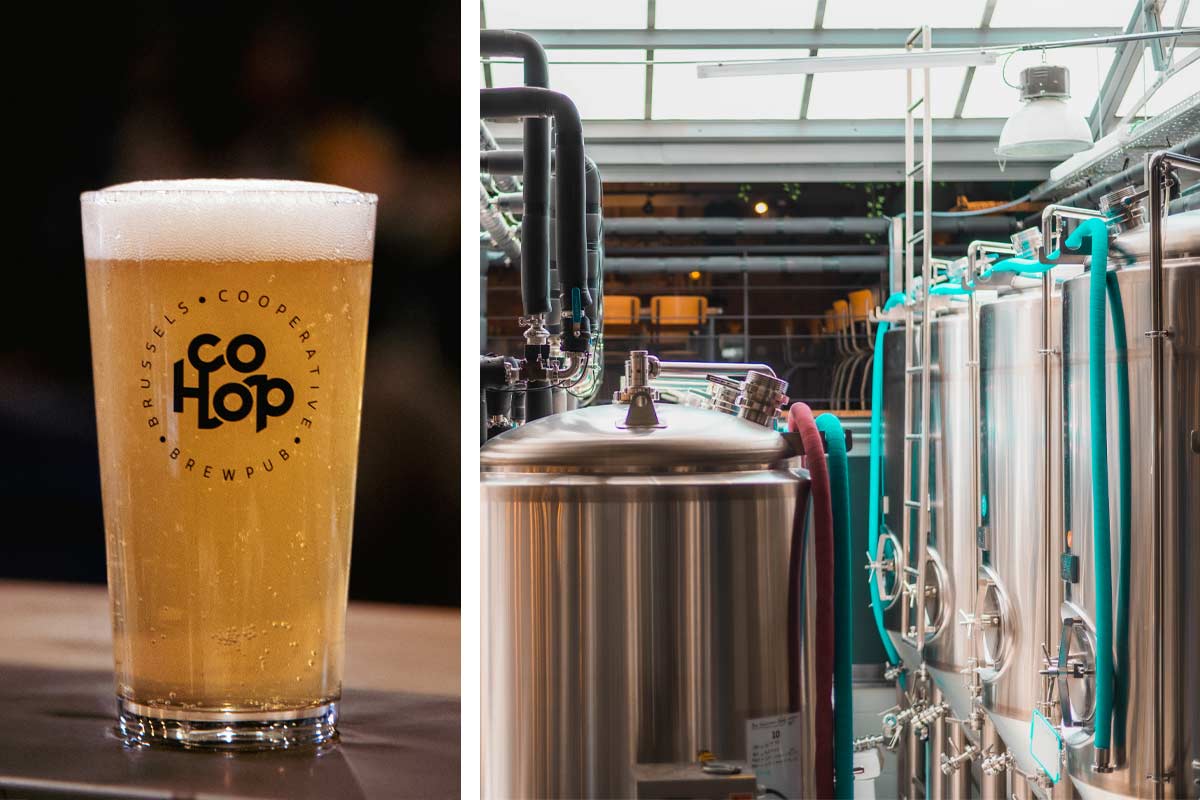
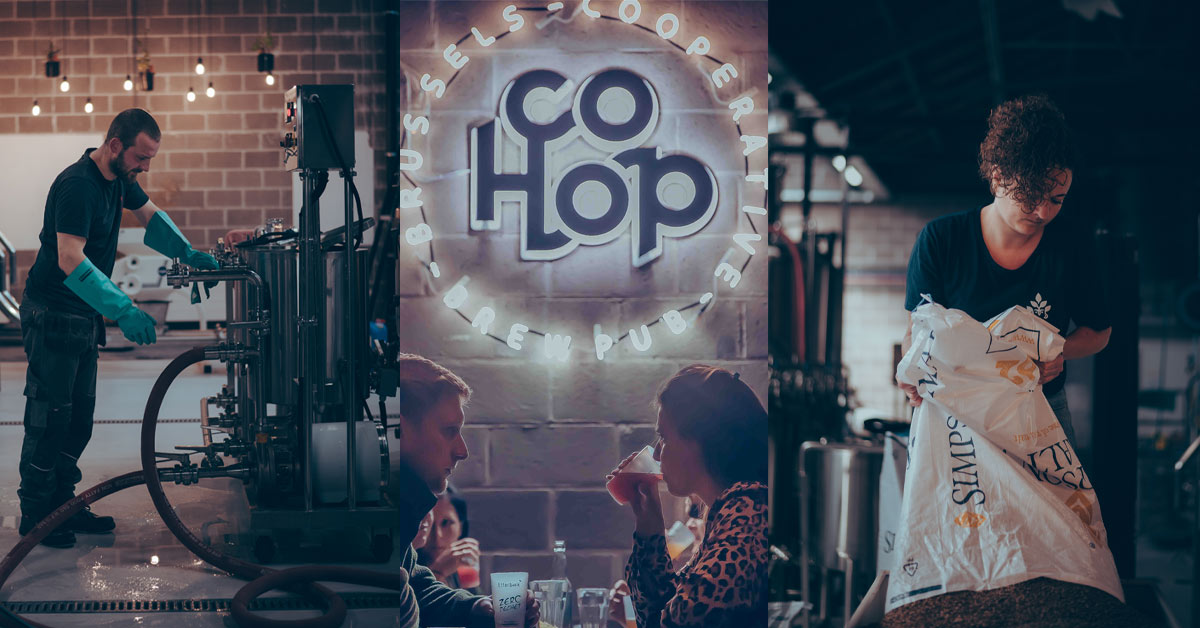
In 2021, Thomas Detourbe of Brasserie Witloof spearheaded the creation of CoHop, a shared production facility. Recognizing that individual contract brewing was becoming economically unsustainable due to rising rents and energy costs, four initial breweries—La Bagarre, Janine, and 1Bière 2Tartines, alongside Witloof—pooled their resources to open a single, high-spec facility. In 2025, the collective expanded to include a fifth member, La Flaque.
The CoHop model functions through a rigorous division of labor. Rather than employing a single head brewer for all brands, each entity maintains its own brewing team and creative identity, but shares the logistical burden. One brewery manages the brewing schedule, another handles raw material procurement (leveraging bulk buying power), and a third oversees equipment maintenance. This shared-services model significantly reduces overhead and allows for a more sustainable environmental footprint, as a single brewhouse operates at higher efficiency than five separate, smaller facilities.
Historical Precedents and the Zoiglbier Tradition
The contemporary move toward shared brewing is not a modern invention but a revival of ancient communal practices. The German tradition of Zoiglbier, which dates back several centuries, serves as the historical blueprint for today’s cooperatives. In the Upper Palatinate region of Bavaria, five towns—Eslarn, Falkenberg, Mitterteich, Neuhaus, and Windischeschenbach—still maintain communal brewhouses owned by the municipality.
In these towns, citizens hold "brewing rights" attached to their property deeds. They prepare their wort in the communal facility and transport it to their private cellars for fermentation. When a batch is ready, a "Zoigl star" (a six-pointed star similar to the Star of David) is hung outside the house to signal that the home is temporarily open as a public tavern. This tradition was recognized by UNESCO in 2018 as part of Germany’s "intangible cultural heritage," highlighting the enduring social value of shared production. Modern cooperatives like CoHop are essentially digitizing and scaling this medieval concept to survive the 21st-century economy.
The Rise of the Fermentarium: Diversifying the Portfolio
Parallel to changes in business structure is a shift in the chemical focus of the industry. Many new entrants are distancing themselves from the "brewery" label, preferring terms like "fermentery" or "fermentorium." This linguistic shift reflects a strategic diversification into non-beer beverages and fermented foods, responding to a global decline in per-capita alcohol consumption and a rising interest in functional health products.
In Rocklin, California, Lauren Price and Lauren Houston established Mindscape Fermentations with a mission to explore the broader spectrum of fermentation. Their portfolio includes traditional beers but emphasizes kombuchas, seltzers, and fermented foods. This approach serves as a hedge against market volatility. If interest in craft beer wanes or a specific demographic moves away from gluten-heavy beverages, the business remains viable through its other fermented offerings.
Other notable examples of this trend include:
- Fermentery Form (Philadelphia): Utilizes winemaking techniques and Solera systems for complex, co-fermented beverages.
- Fox Tale Fermentation (San Jose): Integrates brewing with high-end kombucha production.
- L’Annexe (Brussels): Focuses on botanical fermentations using flowers and local herbs.
- Fermenterie des Champs Marmo (France): Operates as an experimental laboratory for alternative fermentations, including ciders and kefirs.
Economic Drivers and Market Pressures
The pivot toward these complex models is largely driven by a challenging economic climate. According to data from the Brewers Association, while the number of operating craft breweries in the U.S. remains at historic highs (over 9,000), production growth has leveled off to low single digits. In Europe, the industry has been hit particularly hard by the energy crisis following the invasion of Ukraine, with CO2 prices and grain costs seeing significant spikes between 2022 and 2024.
By operating as a "fermentarium" or a collective, businesses can tap into multiple revenue streams. A shared taproom that serves beer, kombucha, and cider appeals to a broader demographic than a traditional beer-only bar. Furthermore, the inclusion of "workspaces" and "coffee shops"—a trend noted over the last decade—allows breweries to capture revenue during daylight hours, transforming a facility that typically only earns money in the evenings into a 12-hour-a-day business.
Demographic Shifts and Social Implications
The move toward more inclusive, community-focused spaces is also a response to the changing demographics of the "craft" consumer. Historically, the craft beer industry has struggled with diversity, often catering to a narrow, male-dominated audience. However, the "fermentarium" model appears to be breaking these barriers.
Lauren Houston of Mindscape Fermentations noted that their focus on health-conscious fermentation and sustainability has resulted in a customer base that includes significantly more women and a wider range of ages than the industry average. By positioning the facility as a center for fermentation science and community gathering rather than just a place to consume alcohol, these businesses are fostering a more inclusive environment. This inclusivity is not just a social goal but a commercial necessity; as the "core" craft beer drinker ages, breweries must attract younger, more health-conscious, and more diverse patrons to ensure long-term survival.
Broader Impact and the Future of the Industry
The evolution of the brewery into a multifaceted community hub suggests a maturation of the craft movement. The first wave of craft brewing was defined by the product—moving away from light lagers to bold, hoppy ales. The second wave was defined by the destination—the rise of the taproom. The current third wave is defined by the "concept"—the integration of production into social, economic, and ecological systems.
As we move toward the latter half of the 2020s, the "lone wolf" brewery model—isolated in an industrial park and reliant solely on beer sales—faces increasing risks. The success of projects like Les Semblables and CoHop indicates that the future of the industry may lie in "collective resilience." By sharing costs, diversifying products, and embedding themselves into the daily lives of their neighbors, brewers are redefining what it means to be a local business.
In conclusion, the modern brewery is no longer just a place where beer is made. It is a bakery, a community center, a fermentation lab, and a cooperative office. This blurring of boundaries is a sophisticated survival strategy in a crowded market, ensuring that even if the "beer bubble" continues to settle, the brewery remains an indispensable part of the community’s social and economic landscape. The question for the next generation of brewers is no longer just "What will you brew?" but "How will you belong?"