admin
The landscape of American specialty food is currently witnessing a sophisticated transformation of beer cheese, moving beyond its mid-20th-century origins as a tangy tavern spread into a complex category of farmstead cheesemaking. While the traditional "beer cheese" known to many consumers is a cold-pack spread characterized by sharp cheddar, spice, and a splash of flat beer, a new generation of American artisans is integrating craft brewing directly into the vat. This shift represents a broader trend in value-added agriculture, where local breweries and independent dairies collaborate to create products that reflect regional terroirs and technical brewing prowess.
The Historical Foundations of the Kentucky Classic
The narrative of beer cheese in the United States begins in the 1940s along the banks of the Kentucky River in Clark County. Johnny Allman is widely credited with serving the first iteration of the spread at his namesake restaurant, originally known as Johnny Allman’s and later Howard’s Creek. According to historical accounts and modern practitioners like Kathy Gorman Archer, president of Howard’s Creek Authentic Beer Cheese, the original recipe was born from a desire for sustainability. In an era before modern supply chain efficiency, leftover sharp cheddar cheese and surplus beer were combined to create a shelf-stable, flavorful appetizer.
The traditional Kentucky style is defined by its "kick," a profile established by Allman’s affinity for Southwestern flavors. This typically involves the inclusion of cayenne pepper, garlic, and other proprietary spices. In 2013, the Kentucky State Legislature officially recognized Clark County as the birthplace of beer cheese, and the region now hosts an annual Beer Cheese Festival that draws tens of thousands of visitors. This traditional segment of the market continues to thrive, but it serves as the ideological floor for the more experimental "beer-infused" cheeses now appearing in high-end creameries.
The Science of the Vat: Integrating Beer into Cheesemaking
Modern artisan cheesemakers are moving away from the "spread" model and toward a process where beer is introduced during the actual production of the cheese wheel. This requires a deep understanding of biochemistry, specifically the management of pH levels and microbial activity. In the cheesemaking process, milk typically maintains a pH between 6.4 and 6.8. The introduction of beer, which is naturally acidic (often ranging from 4.0 to 4.5 pH), can significantly disrupt the binding of curds if not handled with precision.
According to Rynn Caputo, co-founder of Caputo Brothers Creamery in Pennsylvania, the chemistry is a delicate balance. If the pH level remains too high (above the low 5s), the curds fail to bind properly. Conversely, if the acidity is too high (a pH below 4.0), the resulting cheese becomes rubbery and loses its desired texture. Artisans have mastered this by adding beer at specific intervals—sometimes dry-hopping the milk itself or marinating the curds after the whey has been drained but before the cheese is pressed into blocks.
The West Coast Innovation: Rogue Creamery and Fiscalini
In the Pacific Northwest, Rogue Creamery has long been a pioneer in experimental dairy. Although often confused with Rogue Ales due to their shared name and proximity in Oregon, the two entities operated independently for decades. Rogue Creamery’s foray into beer-infused cheese was driven by a commitment to organic collaboration. For nearly ten years, they have produced a Chocolate Stout Cheddar in partnership with Hopworks Brewery in Portland.
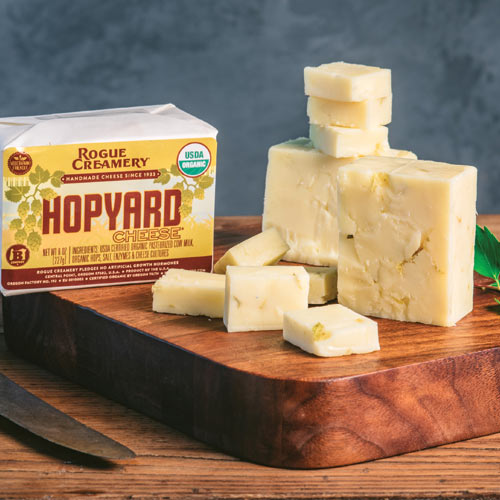
Marguerite Merritt, brand manager at Rogue Creamery and a certified sommelier, explains that the beer is added just as the whey begins to separate from the curd. This timing allows the milk and curd to absorb the malty sweetness of the stout without overwhelming the natural profile of the dairy. The result is a marbled cheese that offers a subtle maltiness rather than a direct beer flavor. This success led to the creation of "Hopyard," a cheddar where fresh, local Northwest-grown hops are mixed directly with the curds. This product highlights the floral bitterness of the hops, creating a sensory profile that mirrors a West Coast IPA.
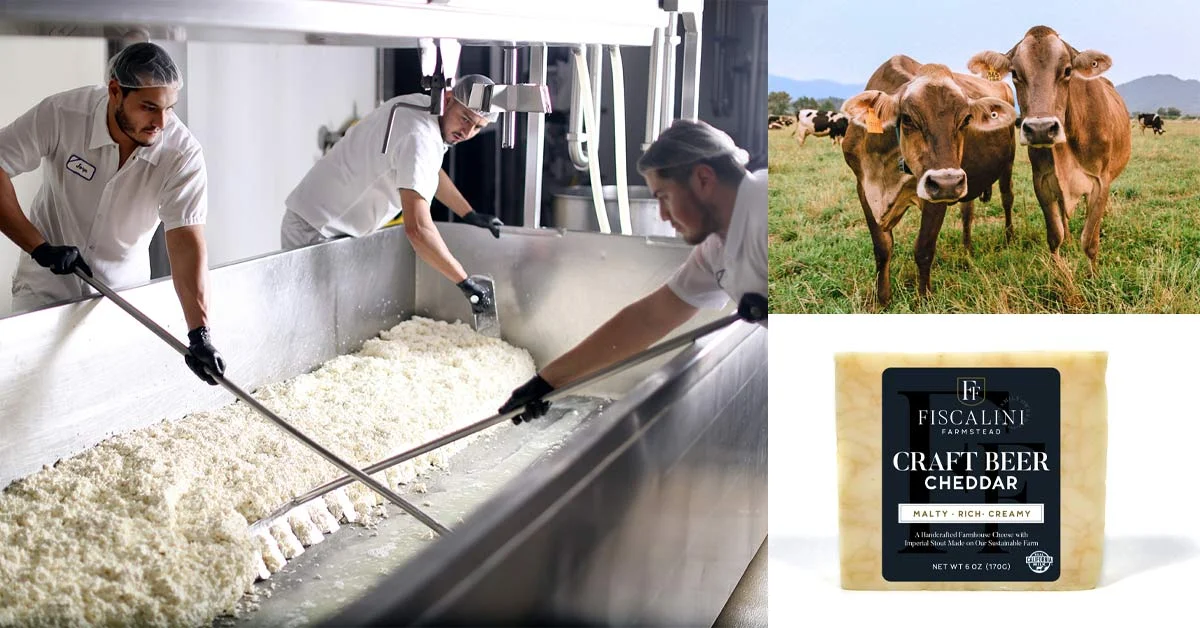
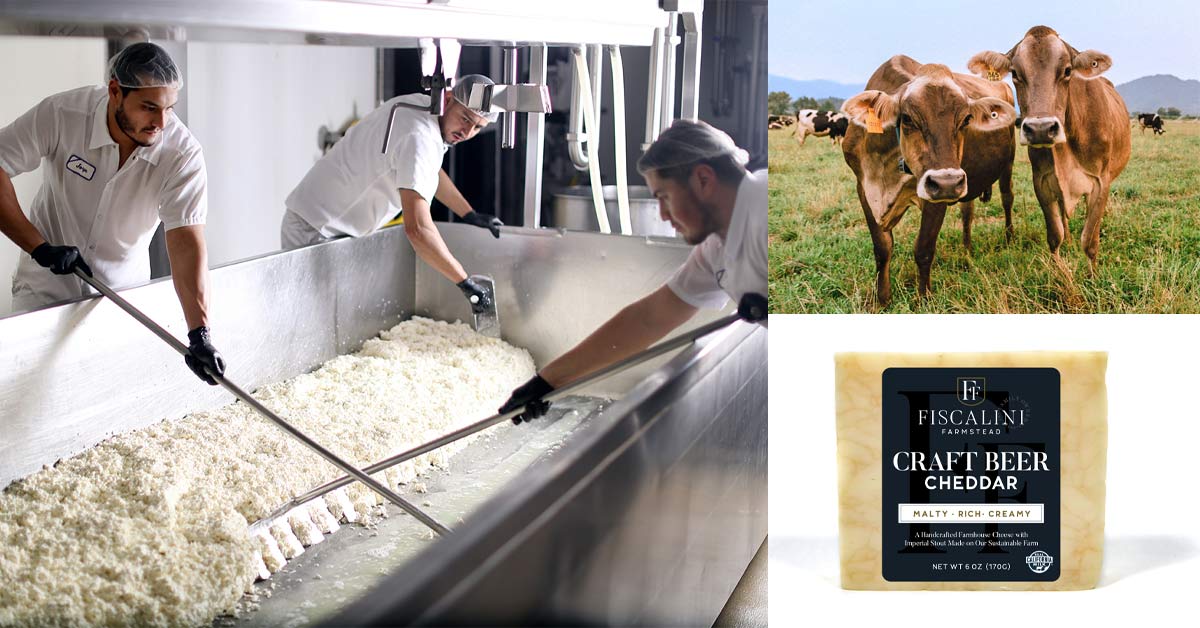
Further south in Modesto, California, Fiscalini Farmstead has been operating as a dairy since 1914. Under the leadership of fourth-generation owner Laura Genasci, Fiscalini has leveraged its "estate-grown" milk to create the Fiscalini Craft Beer Cheddar. This collaboration utilizes the Black Blizzard Imperial Stout from nearby Dust Bowl Brewing. Unlike spreads, this cheese is pressed into 40-pound blocks and aged for a minimum of three months. The pressing process infuses the beer flavor deep into the matrix of the cheese, resulting in a mottled appearance and a flavor profile rich with notes of coffee and roasted malt.
Regional Synergy: The Pennsylvania "Triangle" of Production
The economic impact of these collaborations is perhaps most visible in Pennsylvania, where Giant Food Stores facilitated a partnership between Caputo Brothers Creamery and Tröegs Independent Brewing. This initiative was designed to create a hyper-local product that benefited Pennsylvania dairy farmers. Rynn Caputo noted that the dairy farms supplying the milk sat geographically between the brewery and the creamery, creating a closed-loop regional economy.
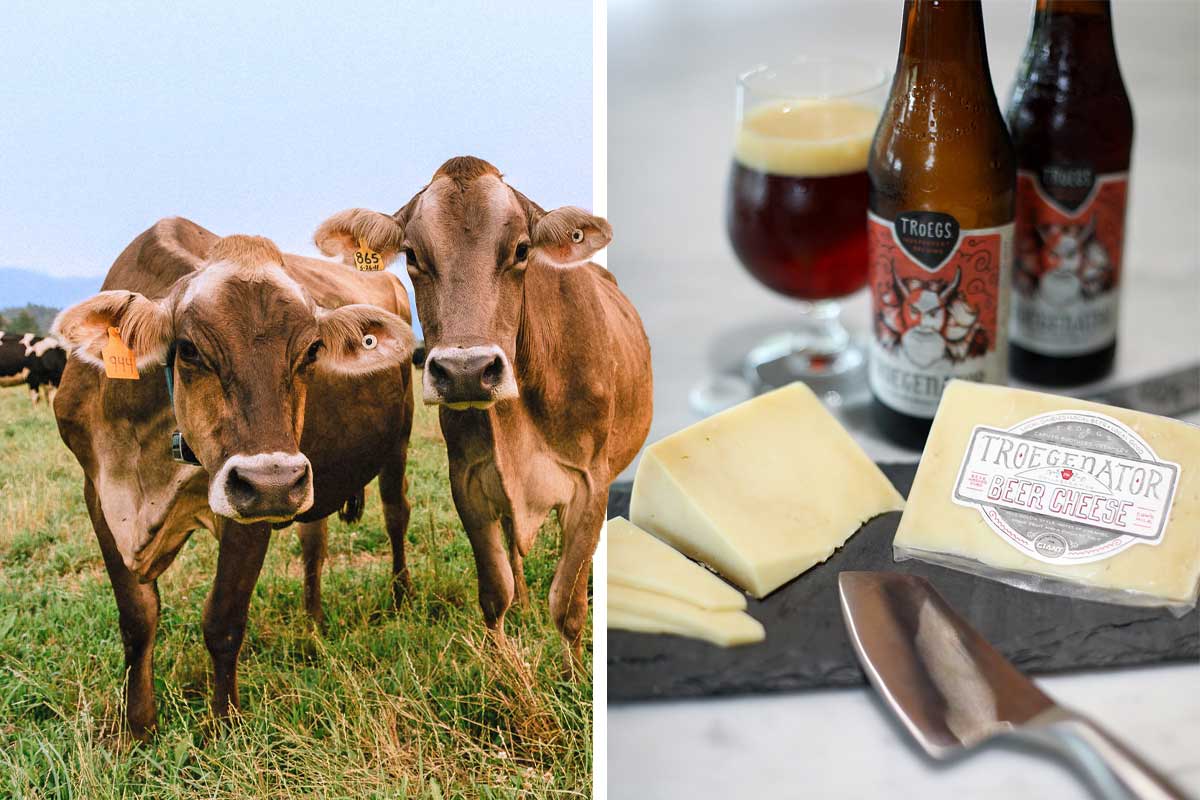
The collaboration resulted in several distinct products based on Tröegs’ most popular beers. The "Troegenator" beer cheese, based on a double bock, utilizes an entire keg of beer per batch, imparting a noticeable sweetness and golden hue to a gouda-style base. For their "Perpetual" beer cheese, Caputo Brothers innovated by dry-hopping the milk with Citra hops before the cheesemaking began, followed by spraying the rinds with IPA during the aging process. This multi-stage infusion ensures that the volatile aromatics of the hops are preserved in the final product.
Washed Rinds and Fresh Varieties: Diversifying the Category
While cheddars and goudas dominate the aged beer cheese market, other creameries are exploring different textures. Tulip Tree Creamery in Indianapolis specializes in washed-rind cheeses. Instead of mixing beer into the curd, they wash the exterior of the cheese wheels with a solution of salt, water, and local craft beer from breweries such as Sun King and 3 Floyds. This technique allows the yeast and bacteria in the beer to interact with the cheese’s surface, creating a pungent, savory rind and a creamy interior.
In Cincinnati, Urban Stead Cheese is honoring the city’s German heritage by producing a fresh "Kentucky-style" beer cheese. Using Braxton Brewing’s Storm Golden Cream Ale, they create a spreadable cheese that bridges the gap between the traditional 1940s snack and modern artisan standards. Co-founder Andrea Robbins emphasizes that using a fresh cheese like quark or a young cheddar allows for a faster "farm-to-shelf" turnaround, which helps balance the cash flow of a creamery that also produces long-aged English-style cheddars.
Market Trends and Economic Implications
The rise of artisan beer cheese coincides with significant growth in both the craft beer and specialty cheese sectors. According to data from the Brewers Association, while the overall beer market has faced headwinds, the "local and independent" segment continues to hold a dedicated consumer base that values provenance. Similarly, the Specialty Cheese Association reports that American consumers are increasingly willing to pay a premium for "farmstead" and "artisan" labels that guarantee traceability.
The collaboration between these two industries offers several strategic advantages:
- Brand Cross-Pollination: Breweries gain entry into the deli and specialty food aisles, while creameries tap into the loyal "beer geek" demographic.
- Value-Added Dairy: By turning raw milk into a high-value, branded cheese, farmers can command higher margins than they would in the fluid milk market.
- Sustainability: As seen in the original Kentucky recipes, these products often provide a use for "over-runs" or seasonal beer releases, reducing waste.
Broader Impact on the American Palate
The evolution of beer cheese reflects a maturing American palate that seeks complexity and "story" in its food. The transition from a simple mixture of leftovers to a scientifically controlled fermentation product marks a new era in domestic food craft. Industry analysts suggest that this trend is likely to expand into other beverage-cheese hybrids, including cider-washed rinds and wine-soaked curds, as creameries seek to differentiate themselves in a crowded marketplace.
As these artisan products gain national distribution, the definition of "beer cheese" is permanently widening. Whether it is a fresh, spicy spread served with a soft pretzel in a Cincinnati taproom or a hop-infused, cave-aged cheddar from the Oregon coast, the category now stands as a testament to the innovative spirit of American fermentation. The collaboration between the brewmaster and the cheesemaker has moved beyond a culinary novelty, becoming a staple of the modern American charcuterie board and a vital component of the local food movement.