admin
In March 2021, a landmark initiative intended to celebrate Indigenous women through the medium of craft beer ignited a nationwide conversation that laid bare the profound tensions between cultural pride and a legacy of colonial trauma. Spearheaded by the Indigenous Brew Crew (IBC), a trio of Indigenous brewers, the "Celebrating Sisters" campaign sought to raise funds and awareness for Indigenous women’s causes across Canada. While the project initially garnered significant enthusiasm, it quickly became a flashpoint for a much deeper debate regarding the presence of alcohol within Indigenous communities—a presence inextricably linked to a history of systemic exploitation and state-mandated control.
The controversy surrounding the campaign was epitomized by the reaction to a label designed by Anishinaabe artist Chief Lady Bird. Her artwork, featuring a blackbird with outstretched wings set against a woodland backdrop of stars, was met with a polarized response. While many praised the aesthetic and the intent of the project, others voiced anguished criticisms, citing the devastating impact of alcohol on Indigenous families and the perceived incongruity of using a substance associated with historical harm to celebrate cultural identity. The subsequent dissolution of the IBC months later underscored the difficulty of reconciling the burgeoning Indigenous craft beer movement with the shadows of the past. However, the silence that followed has since been filled by a growing number of Indigenous entrepreneurs, brewers, and advocates who are redefining the industry on their own terms.
The Legislative Legacy of the Indian Act
To understand the current complexities of Indigenous participation in the Canadian beer industry, one must examine the legislative framework that historically governed—and marginalized—Indigenous peoples. The Indian Act of 1876 served as the primary instrument of Canadian colonial policy, aiming to assimilate Indigenous populations and eliminate their distinct identities. Under this act and subsequent amendments, the Canadian government exercised totalizing control over "Indian" identity, land management, and governance.
Crucially, the Indian Act enforced a strict prohibition on alcohol for Indigenous people. For decades, Indigenous individuals were legally barred from purchasing, consuming, or possessing alcohol. This exclusion extended to the commercial sphere; while settlers built a robust brewing and distilling industry, Indigenous people were relegated to "Indian Beer"—a term used at the time to describe non-alcoholic substitutes. This prohibition was not merely a matter of public health but a tool of social and economic control. Paradoxically, while the law prohibited legal access, settlers and traders frequently used alcohol as a predatory tool to destabilize Indigenous trading systems and facilitate the seizure of land.
The 2015 Truth and Reconciliation Commission (TRC) described these policies as "cultural genocide." The trauma of the residential school system and the "Sixties Scoop"—a period in which Indigenous children were removed from their families and placed in the foster care system—created cycles of intergenerational pain. For many, alcohol became a coping mechanism for the psychological wounds inflicted by the state. As Anishinaabe professor Niigaan Sinclair notes, while forms of alcohol existed in some Indigenous cultures for medicinal or ceremonial purposes, the modern dependency issues seen in many communities are direct results of centuries of trauma.

Shifting Paradigms and the Rise of Indigenous Ownership
Legislative changes between the 1950s and 1980s eventually dismantled the formal prohibition against Indigenous people, yet the economic and social barriers remained. Today, the landscape is shifting as Indigenous brewers assert their right to self-determination within the industry. This movement is not characterized by a monolithic viewpoint but rather by a spectrum of approaches ranging from harm reduction to entrepreneurial sovereignty.
In British Columbia, Melanie MacInnes, a Métis woman and co-owner of Locality Brewing in Langley, represents a growing segment of owners who view the brewery as a site of community gathering and land-based growth. MacInnes’s journey highlights the internal conflict many Indigenous entrepreneurs face. In 2022, she hesitated before accepting a nomination for Best Indigenous-Led Business at the BC Food & Beverage Awards. The weight of representing her community brought a "visceral response" of anxiety, rooted in the responsibility of "walking the walk" as a Métis leader in a fraught industry. Her eventual acceptance and subsequent win served as a milestone for Métis representation in the province’s business sector.
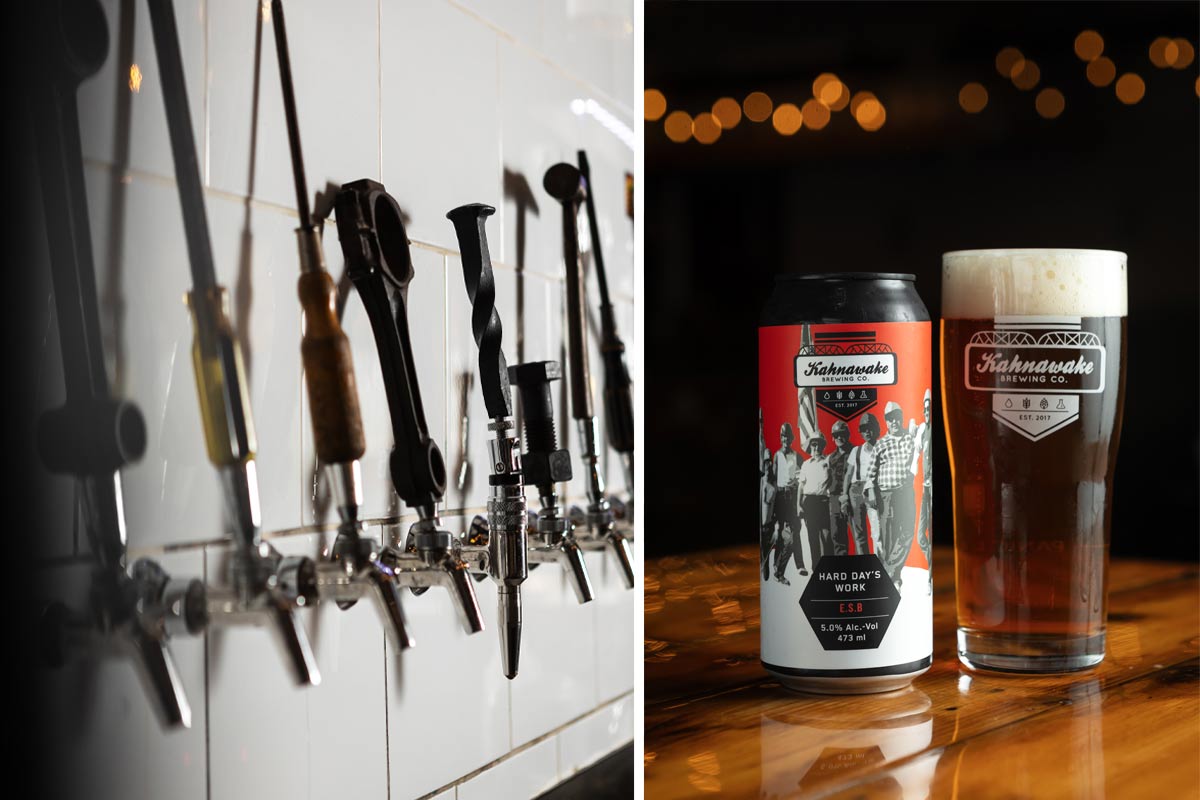
The success of Kahnawake Brewing Company & Black Bridge Taproom in Quebec further illustrates the maturation of the sector. As the first openly Indigenous-owned craft brewery situated on Indigenous land, Kahnawake Brewing draws directly on Mohawk history. The "black bridge" in its name refers to the Saint-Laurent Railway Bridge, built in 1900 by Mohawk ironworkers. Co-owner Fred Leblanc, himself a former ironworker, has steered the brewery to national recognition, including multiple medals at the 2024 and 2025 Canada Beer Cup. This success demonstrates that Indigenous-owned businesses can compete at the highest levels of the Canadian industry while maintaining a distinct cultural narrative.

Redefining Indigenous Beer through Practice and Ingredients
The question of what constitutes an "Indigenous beer" is central to the industry’s evolution. For many, it is not merely about ownership but about the integration of traditional knowledge, ingredients, and ethical land use.
In Toronto, Sarabeth Holden, an Inuit brewer and co-owner of Red Tape Brewery, utilizes ingredients that reflect her heritage and the geography of the North. Her "Paunnat" Saison—named after the Inuktitut word for dwarf fireweed—is a seasonal offering that connects urban consumers with Northern botany. Similarly, her amber ale incorporates orange pekoe tea, a staple in Northern hunting and fishing camps. For Holden, the brewery is a family-oriented space where even those who abstain from alcohol, such as her own family members, can take pride in the business’s success and merchandise.
In Winnipeg, Matthew Sabourin of La Brasserie Nonsuch Brewing Co. has focused on creating cultural experiences that prioritize quality over quantity. The brewery’s "Beer Bannock" experience allows customers to learn about Indigenous history—specifically the legacy of Louis Riel—while engaging in the traditional practice of making bannock. This approach reframes the brewery as an educational space, shifting the focus from consumption to cultural exchange.

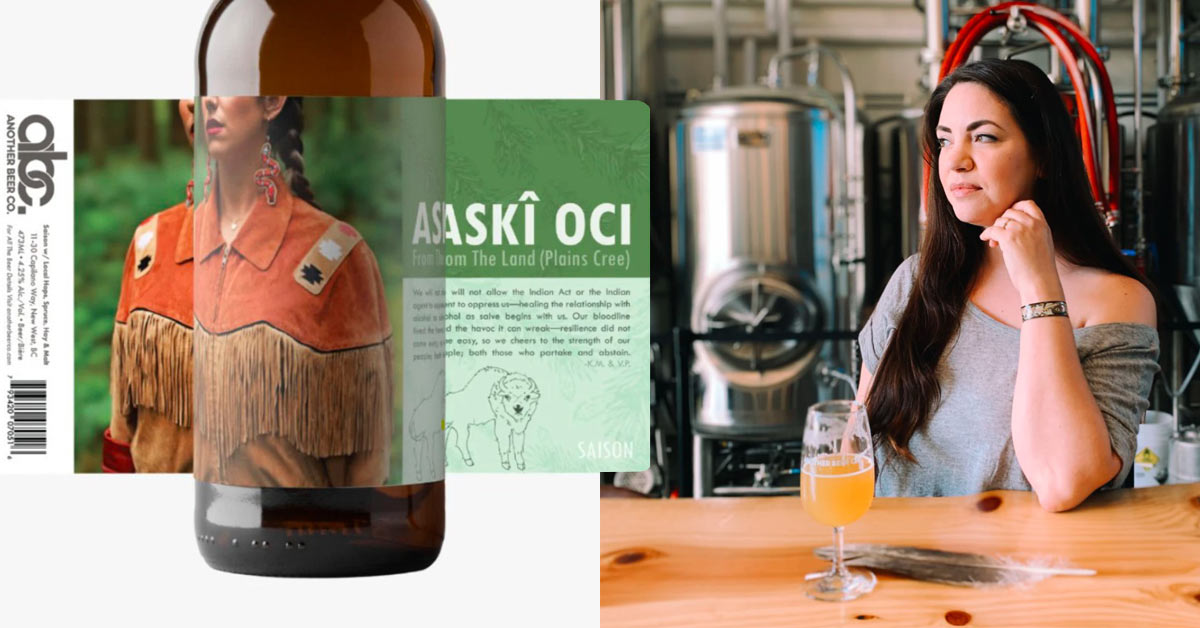
Nadine Jopson, a member of the Cree Nation and co-founder of the former Another Beer Co. (ABC), used beer as a medium for explicit political and social statements. The "Askî Oci" saison, brewed with alfalfa and spruce tips, featured a label that addressed the Indian Act directly. The messaging emphasized that healing the community’s relationship with alcohol must begin from within, honoring both those who choose to partake and those who choose to abstain.
Economic Sovereignty and the Path to Reconciliation
From an economic perspective, the growth of Indigenous brewing is seen by many as a vital step toward sovereignty. Darnell Stager of Indigenous Tourism BC argues that antagonism toward Indigenous brewers is often a remnant of colonial economic gatekeeping. He points out that "Indian status cards" historically labeled Indigenous people as "wards of the state," a designation that stripped them of agency. Self-determination, in his view, requires that Indigenous people be allowed to participate in every sector of the economy, including those with complicated histories.
This sentiment is echoed by Jason Tremblay, head brewer at Toronto’s Two Loons Brewing. Tremblay, who identifies as Métis, credits the "entrepreneurial spirit" of his ancestors—who were forced to "hustle in plain sight" after the government theft of Métis lands in the 1870s—as the foundation for modern Indigenous business success. Organizations such as the Manitoba Métis Federation and Farm Credit Canada have begun providing the financial infrastructure necessary to support these ventures, acknowledging that economic independence is a prerequisite for true reconciliation.
Industry-Wide Implications and Recommendations
As the Canadian craft beer industry faces a period of economic cooling and shifting consumer habits, the integration of Indigenous perspectives offers a potential path forward based on values rather than mere profit. Industry leaders and advocates suggest several steps for non-Indigenous breweries to foster genuine inclusion:
- Direct Engagement: Inez Cook, co-founder of Vancouver’s Salmon n’ Bannock restaurant and a member of the Nuxalk Nation, emphasizes that breweries must engage with local tribal nations as people, not just as businesses. This involves introducing oneself to the community, acknowledging past absences, and seeking partnerships based on mutual respect.
- Supply Chain Diversity: Inclusion must extend beyond the taproom. Brewers like Kevin Symington and Jason Tremblay advocate for increased Indigenous representation throughout the supply chain, from hop farming and malting to distribution and marketing.
- Ethical Land Acknowledgement: Moving beyond performative statements, breweries are encouraged to follow the lead of farm-based operations like Crannog Ales, which prioritize justice and the historical context of the land they occupy.
Professor Niigaan Sinclair suggests that the ultimate goal is not to encourage alcohol consumption but to navigate a responsible relationship with a substance that has been a "violent intrusion" but also possesses natural elements. "Sovereignty," Sinclair explains, "comes with the responsibility to avoid causing harm to others."
The evolution of the Indigenous craft beer movement in Canada is a testament to the resilience of a community reclaiming its narrative. By breaking the silence surrounding the historical trauma of alcohol and replacing it with a dialogue centered on self-determination, land stewardship, and cultural pride, Indigenous brewers are not just making beer—they are crafting a new framework for reconciliation within the Canadian marketplace. The industry’s ability to listen to these voices may well determine its relevance and sustainability in a more socially conscious future.