admin
admin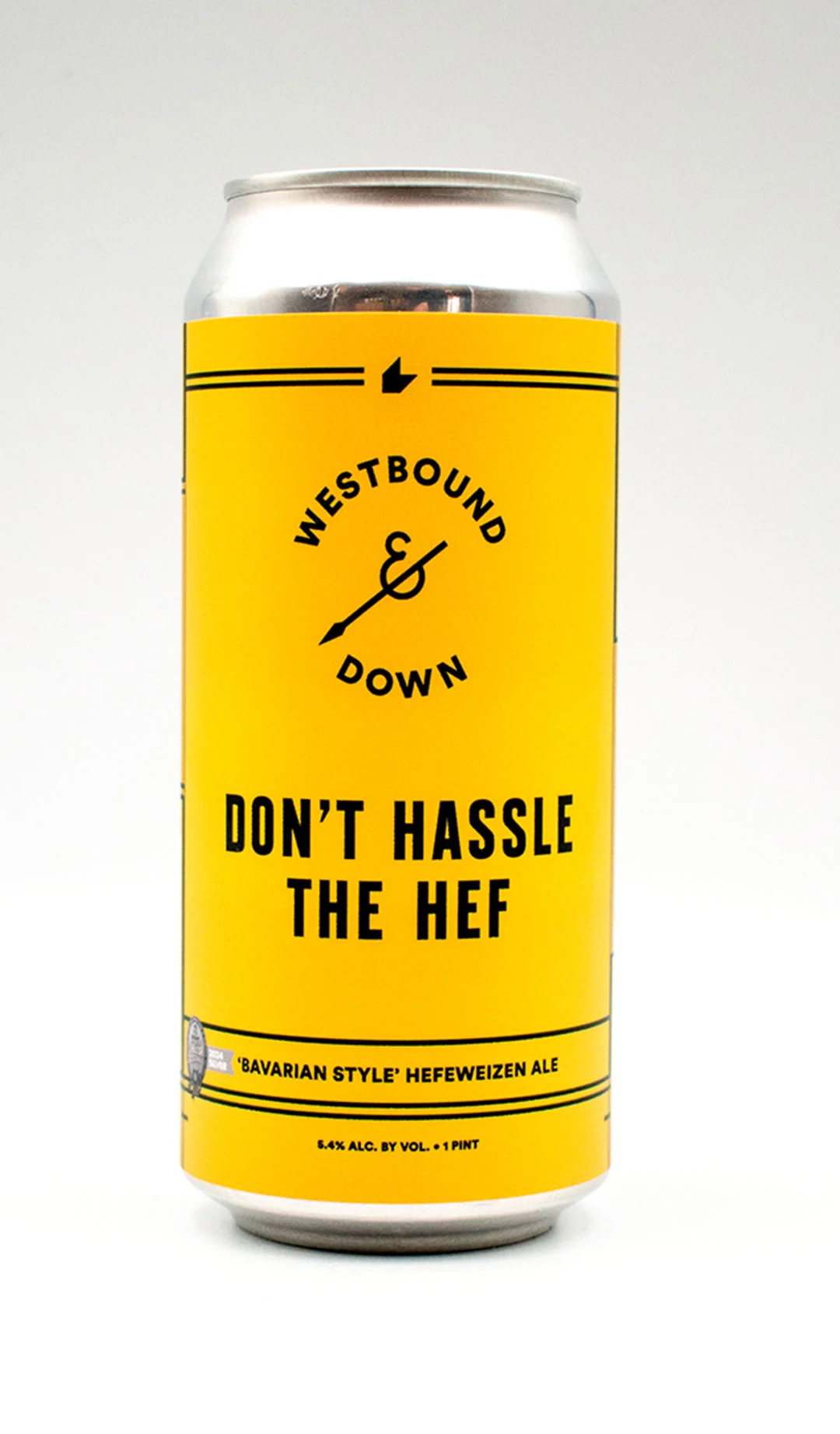
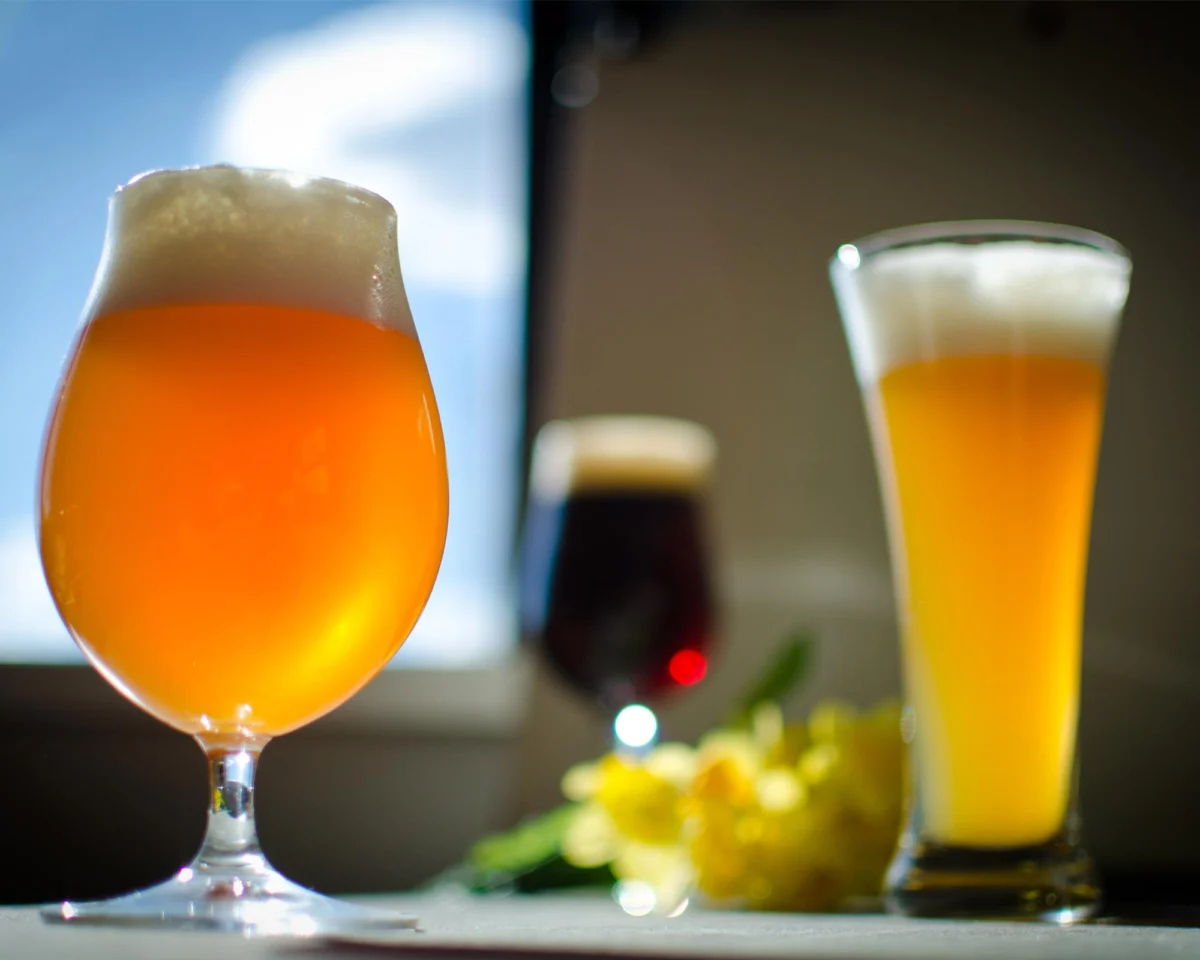
When DankHouse Brewing received an invitation to showcase its portfolio at the Juicy Brews IPA festival in Pittsburgh, co-founder Josh Lange faced a significant logistical and culinary hurdle. The Newark, Ohio-based brewery, which opened its doors in 2017, intended to serve "Banana Peel’d," a hazy IPA characterized by its heavy use of banana purée. Despite its status as one of the brewery’s most successful offerings, the couple found the flavor profile lacking just days before the February 2020 event. A series of experiments followed, involving store-bought fruit that oxidized into an unappealing brown hue and dried chips that failed to impart the necessary aromatic intensity. The solution ultimately came from an unlikely source: Gerber banana baby food. After sourcing the product from every grocery store in the Newark area, the brewing team successfully amplified the beer’s profile, eventually serving the unconventional concoction alongside industry titans like The Alchemist.
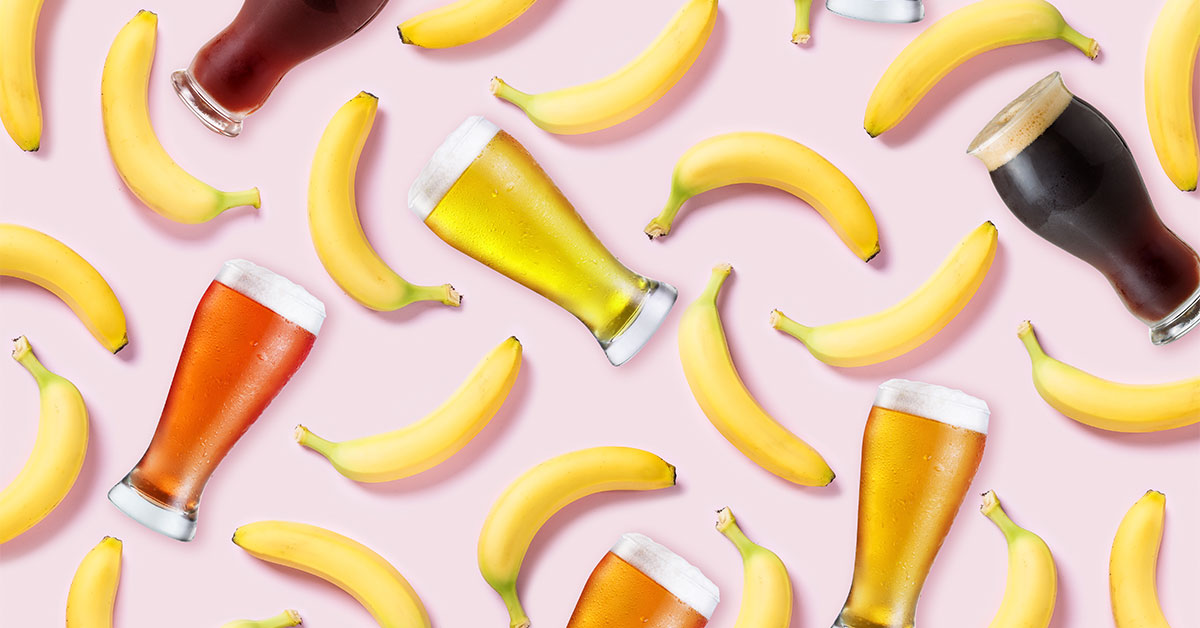
This anecdote serves as a microcosm of a broader, more complex relationship between the American craft brewing industry and the banana. Long associated with the clove and fruit esters of traditional German wheat beers, the banana has evolved into a versatile, if technically demanding, ingredient for modern brewers. Today, the fruit appears in everything from pastry stouts that mimic banana-split sundae flavors to high-gravity Belgian-style ales. However, achieving a consistent and appealing banana character requires a sophisticated understanding of yeast management, global supply chains, and a shifting regulatory landscape.
The Chemistry of Scent: From Gros Michel to Cavendish
To understand the current fascination with banana-flavored beer, one must look back at the agricultural history of the fruit itself. A century ago, the dominant banana in the American market was the Gros Michel, or "Big Mike." This cultivar was characterized by high levels of isoamyl acetate, a fruity ester that provides the pungent, sweet aroma often associated with artificial banana flavorings. Following a devastating fungal outbreak in the 1950s, the Gros Michel was largely replaced by the Cavendish variety. The Cavendish, while more resistant to disease, contains significantly lower levels of isoamyl acetate.
This botanical shift created a sensory disconnect. Modern consumers often associate "real" banana flavor with products like Runts or Laffy Taffy, which use synthetic isoamyl acetate to replicate the profile of the extinct Gros Michel. In the brewing world, isoamyl acetate is a natural byproduct of fermentation. While it is present in nearly all beers—Coors Banquet is often cited for its subtle banana notes developed during cold fermentation—it is usually considered an "off-flavor" if it becomes too prominent in lagers or traditional ales.
In the context of a German hefeweizen, however, this ester is the signature characteristic. Derek Goodman, head brewer at Westbound & Down Brewing in Colorado, notes that a high-quality hefeweizen does not necessarily smell like a fresh Cavendish banana. Instead, it leans into the intense, candy-like aroma of the isoamyl acetate produced by specific yeast strains under stress.
Technical Yeast Management and the Hefeweizen Revival
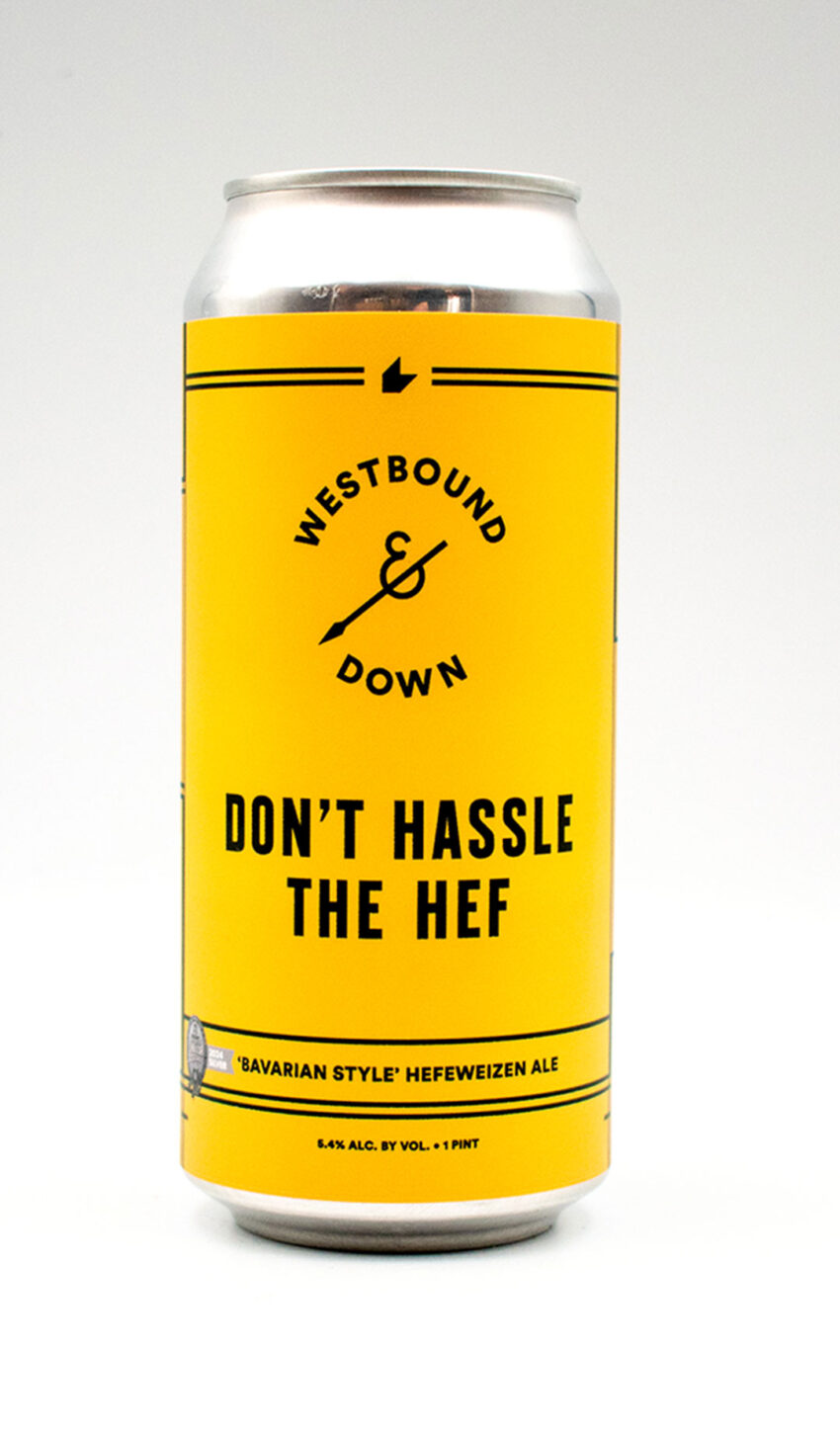
The production of a medal-winning hefeweizen, such as Westbound & Down’s "Don’t Hassle the Hef," involves a delicate manipulation of biological variables. To coax maximum banana and orange aromas from the yeast, brewers often employ a technique known as "under-pitching." By introducing only a fraction of the recommended yeast cells to the wort and minimizing oxygen availability, brewers force the yeast into a state of rapid reproduction. As the yeast struggles to adapt to the nutrient-rich but oxygen-poor environment, it produces a higher concentration of fruity esters.
This resurgence of interest in traditional styles is reflected in the data provided by yeast suppliers. Jeff Mello, founder of Bootleg Biology and Spot Yeast, reports that hefeweizen yeast has become the second best-selling strain in his catalog, trailing only the ubiquitous hazy IPA yeast. This trend suggests a move toward "Banana Brunch" events and a growing consumer appreciation for yeast-driven fruit profiles rather than just additive-driven flavors. At Wallenpaupack Brewing in Pennsylvania, the "Hawley Hefeweizen" has become a flagship precisely because of its approachable, fruit-forward profile, often ordered by patrons simply as "the banana beer."
The Regulatory Shift: TTB and Formula Exemptions
For years, the use of bananas in commercial brewing was hampered by federal regulations. Until late 2023, the Alcohol and Tobacco Tax and Trade Bureau (TTB) did not classify bananas as a "traditional" brewing ingredient. Unlike malts, hops, or certain citrus peels, brewers were required to submit complex formula exemptions and wait for federal approval before they could legally bring a banana-infused beer to market.
The TTB’s decision to expand the list of exempt ingredients has lowered the barrier to entry for smaller craft breweries. This regulatory change acknowledges the reality of the modern craft market, where fruit-forward and "pastry" styles have become staples of the industry. By removing the administrative burden of formula approval, the TTB has allowed for greater experimentation, leading to the current proliferation of banana-centric styles.
High-Gravity Innovation and the "Cheetos Dilemma"
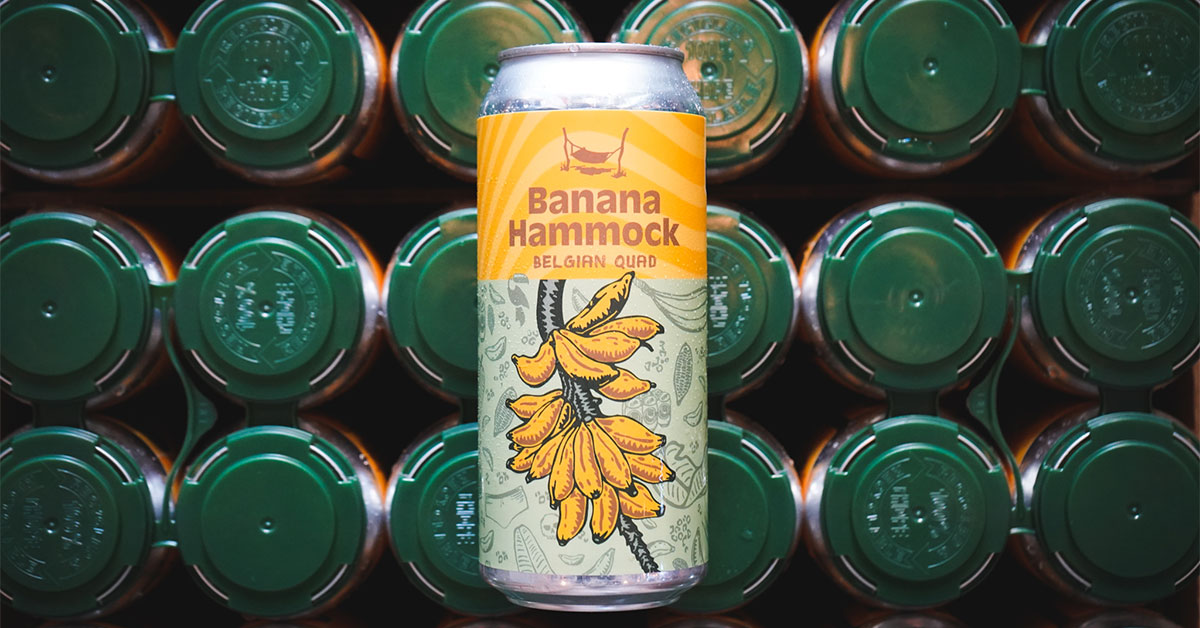
While yeast can provide a certain level of banana character, brewers seeking an intense dessert-like experience often turn to bulk purées or juices. This is particularly common in the production of pastry stouts and Belgian quads. At Crooked Hammock Brewery, the "Banana Hammock" quadrupel utilizes cocoa nibs and banana purée to create a profile reminiscent of chocolate-dipped fruit.
However, adding large quantities of fruit sugar to a fermenting beer presents a biological challenge. Larry Horwitz, director of brewing operations at Crooked Hammock, describes this as the "Cheetos dilemma." If yeast is presented with simple fruit sugars (the metaphorical "junk food") at the same time as more complex malt sugars, it may become sluggish or stall fermentation entirely. To mitigate this, brewers often add the banana purée after the primary fermentation is complete. This ensures the yeast has already processed the complex sugars and allows the fruit to contribute residual sweetness and body without compromising the beer’s structural integrity.
The Premium Market: Wild Thai Bananas and Economic Realities
For elite "cult" breweries like The Veil Brewing in Virginia or HOMES Brewery in Michigan, the standard purée is often swapped for a more concentrated ingredient: dried wild Thai bananas. Imported by specialty firms like Rare Tea Cellar, these fruits are prized for their intense fructose content and ability to impart deep flavor without adding excessive water weight or creating the "sludgy" texture sometimes associated with purées.
Rodrick Markus, CEO of Rare Tea Cellar, refers to these as the "Grand Cru" of bananas. While they were originally a niche product for high-end culinary applications, the rise of pastry stouts in 2019 saw a massive spike in demand from the brewing sector. During the COVID-19 pandemic, these bananas became a vital revenue stream for importers as breweries continued to produce high-value barrel-aged stouts for home consumption.
However, the use of such premium ingredients comes at a steep cost. Matt Tarpey of The Veil Brewing notes that wild Thai bananas can cost upwards of $50 per pound, a price exacerbated by a 35% tariff on Thai imports. When a brewery uses 10 pounds of fruit per barrel, the ingredient cost alone can make the beer a "labor of love" rather than a significant profit driver. Despite the slim margins, these beers serve as powerful marketing tools, showcasing a brewery’s technical prowess and commitment to quality.
Broader Implications for the Craft Industry
The "banana moment" in American craft beer reflects a larger shift toward flavor-driven, accessible beverages that challenge traditional definitions of beer. Whether through the biological manipulation of yeast in a silver-medal hefeweizen or the inclusion of baby food in a festival IPA, the goal remains the same: to provide a unique sensory experience.
The evolution from the Gros Michel to the Cavendish, combined with modern brewing techniques and a more permissive regulatory environment, has allowed the banana to shed its reputation as a "mistake" or an "off-flavor." As the industry continues to professionalize and innovate, the humble banana stands as a testament to the creativity of brewers who are willing to look beyond traditional malts and hops to satisfy an increasingly adventurous public. The integration of global supply chains for Thai bananas and the scientific management of esters suggest that while the "banana beer" may have started as a joke for some, it has become a serious and sophisticated segment of the American craft landscape.