admin
admin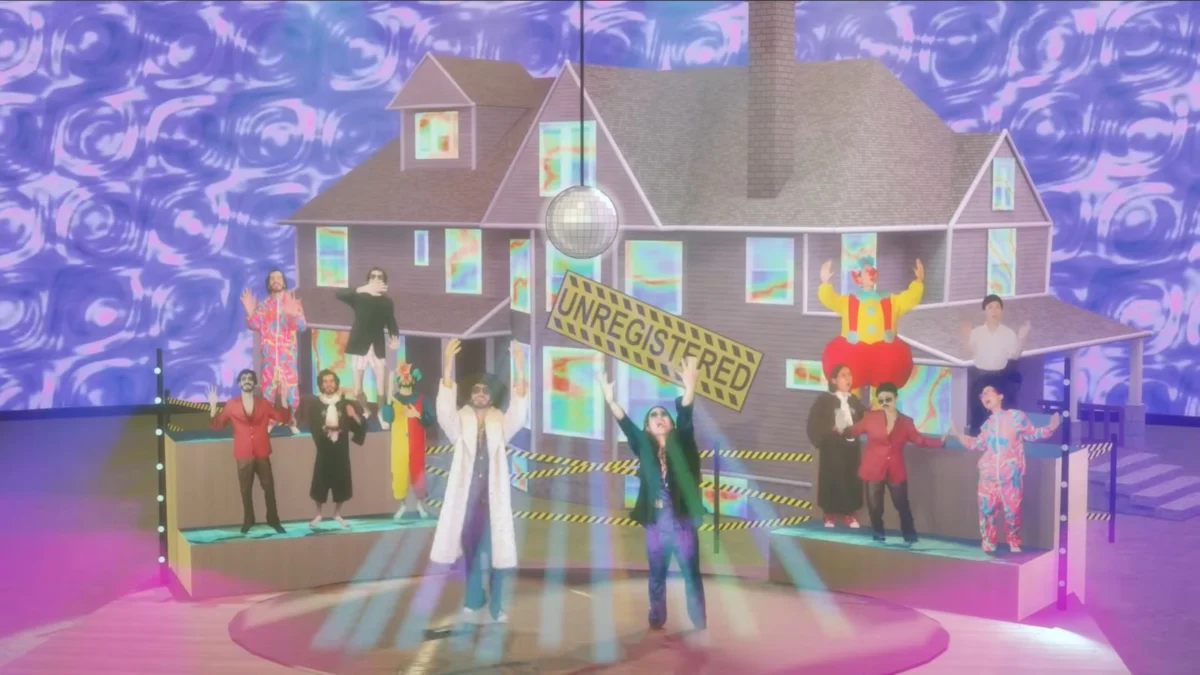
Comedian Caleb Hearon’s declaration, "I’m going to war with my landlord… These fucking evil freaks continue to ask for more, and we just accept it," delivered on The Downside podcast, has resonated deeply across social media, becoming a viral touchstone for the mounting frustration among renters. The 2025 clip encapsulates a palpable shift in the tenant-landlord dynamic, evolving from quiet resentment to vocal, organized resistance. As housing stability becomes an increasingly elusive and expensive commodity, tenants are actively seeking recourse against unchecked rent hikes, neglected maintenance, and perceived exploitation, marking a new era of tenant activism. Hearon’s call for town halls between landlords and tenants mirrors a broader trend in political discourse, where public forums serve as vital, albeit often contentious, arenas for citizens to challenge powerful figures. The effectiveness of such gatherings is underscored by reports of elected representatives strategically avoiding them, highlighting the growing power of collective public outcry. This sentiment of "going to war" is more than hyperbole; it reflects a societal undercurrent akin to a modern-day struggle for fundamental rights, where tenants are identifying their adversaries and employing innovative tactics to hold them accountable.
The Cleveland Confrontation: Kimbuski’s Creative Resistance Takes Center Stage
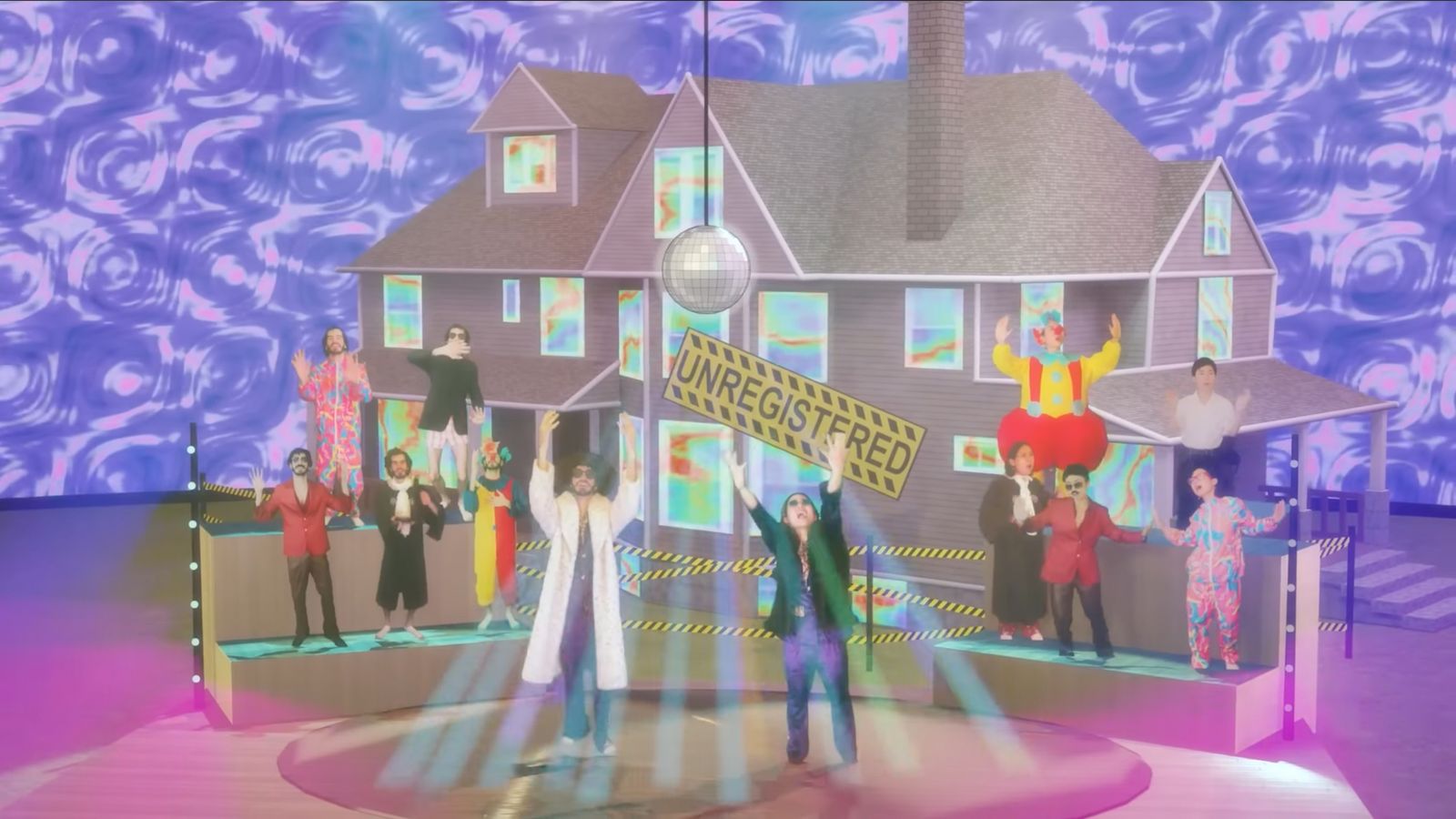
Amidst this rising tide of tenant discontent, a unique and highly public act of defiance emerged from Cleveland, Ohio. Roommates Julia Kim and Cameron Celebuski, performing as the duo Kimbuski, transformed their personal landlord dispute into a viral music video titled "Don’t Rent From Cindy." Shared widely on platforms like YouTube and Instagram (via "I’m From Cleveland"), their five-and-a-half-minute yacht-rock-esque ballad is a meticulously produced exposé of their experience. The video is a spectacle of creative protest, featuring elaborate costumes—from matching tracksuits to clown attire and an array of wigs—alongside flute solos, choreographed routines, and damning evidence in the form of screenshots of text messages and voicemail recordings from their landlord, Cindy. This artistic endeavor transcends mere personal grievance, becoming a potent symbol of the lengths tenants are willing to go to in order to challenge and publicly shame what they perceive as egregious landlord practices. It highlights a burgeoning trend where digital platforms are weaponized not just for entertainment, but for advocacy and accountability in real-world disputes.
A Chronology of Conflict: Unpacking Kimbuski’s Landlord Dispute
The core of Kimbuski’s dispute centers on a four-bedroom house and a series of broken assurances. According to their musical narrative, two of their roommates had departed, leaving Kim to weigh her options based on a potential job change. Their landlord, Cindy, allegedly assured them that they could remain in the property, promising to secure two new tenants to fill the vacant rooms. This initial agreement, however, quickly unraveled. Celebuski recounts in the song, "You gave [Kim] ’til the end of the month to decide but then you rented out my room to a stranger without even telling me." The situation escalated abruptly when, without prior warning, the landlord informed them via text message that one of them would have to vacate the premises.
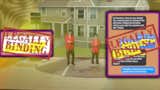
The landlord’s subsequent communications, meticulously documented and displayed in the music video, reveal a pattern of aggressive tactics. She threatened significant financial penalties, including a $100 fine for every day they overstayed their previous lease, alongside a $100 per month rent increase, purportedly "due to the economy." Alarmingly, her texts included a thinly veiled threat: "most landlords would have taken more extreme action." This statement, coupled with a voicemail recording where Cindy asserts, "I have the right to rent this house to anywhere [sic]," underscores a common landlord perception of absolute authority, often leveraging tenants’ lack of legal knowledge. These actions took place within Ohio’s legal framework, which is notably lenient towards landlords, permitting nonpayment evictions on a mere three-day notice—a stark contrast to states like Indiana, which requires 10 days, or others that mandate up to 60 days’ notice. The Kimbuski video, therefore, serves not only as a personal narrative but also as an illustrative case study of the vulnerabilities tenants face in jurisdictions with weaker protections.
The Legal Battleground: Tenant Rights and Regulatory Gaps
The Kimbuski saga powerfully illustrates how landlords frequently exploit tenants’ unfamiliarity with local and state housing laws. Many landlords rely on this knowledge gap to impose arbitrary fees, neglect maintenance, or unilaterally alter tenancy terms. However, Kim and Celebuski demonstrated a crucial shift in tenant strategy: proactive legal research. They delved into their rights, ultimately consulting an attorney—a service increasingly accessible through local initiatives. Their legal counsel affirmed that the landlord’s text messages, which had granted Kim time to decide her future in the house, constituted legally binding promises. Furthermore, their investigation unearthed a critical violation: the landlord’s company had failed to register its rental units with the city of Cleveland, a direct contravention of Cleveland’s 2024 "Residents First" law. This ordinance mandates the registration of all rental units, a measure designed to enhance accountability and oversight in the rental market. Kimbuski’s lyrical indictment, "It would be a shame if everyone reported you / ’cause you didn’t keep your promises it turned out the whole time / by renting out your house to us you committed a crime allegedly," directly references this alleged legal infraction, highlighting the power of informed tenants.
The Broader Context: A National Housing Crisis and Power Imbalance
The individual dispute between Kimbuski and their landlord is symptomatic of a much larger, nationwide housing crisis characterized by soaring rents, stagnant wages, and an entrenched power imbalance favoring property owners. Data from various housing reports consistently indicate that rental costs have surged across the United States over the past decade. For instance, according to Rent.com’s 2023 report, the median rent nationwide saw significant increases, with some major cities experiencing double-digit percentage hikes year-over-year. The National Low Income Housing Coalition’s "Out of Reach" report annually demonstrates the vast disparity between renters’ wages and the cost of housing, revealing that a full-time worker earning the minimum wage cannot afford a modest two-bedroom apartment in any state, county, or metropolitan area in the U.S. This economic pressure cooker exacerbates tenant vulnerability, making it difficult for many to absorb unexpected rent increases or challenge unfavorable conditions for fear of eviction and subsequent housing instability.
Landlords, on their part, often cite rising property taxes, increased maintenance costs, inflation, and higher interest rates on mortgages as justifications for rent increases. While these factors can undoubtedly impact their operational expenses, the lack of transparency and regulation in many markets allows some to push increases beyond what is economically justifiable, contributing to a perception of predatory practices. The "going to war" mentality articulated by Caleb Hearon is a direct response to this perceived systemic imbalance, where the pursuit of profit often overshadows the fundamental need for stable, affordable housing.

The Rise of Tenant Activism and Digital Empowerment
The Kimbuski music video is not an isolated incident but rather a striking example of a broader trend: the increasing sophistication and visibility of tenant activism. Social media platforms, in particular, have become powerful tools for collective action and public shaming. They allow individual grievances to quickly gain traction, connect disparate tenants facing similar issues, and amplify calls for reform. Beyond viral videos, the past few years have witnessed a significant surge in the formation of tenant unions and associations. The National Apartment Association, a landlord advocacy group, reported this year on the rise of these unions, acknowledging their growing influence amidst a "patchwork policy landscape."
These organizations empower renters by providing a collective voice, facilitating legal education, and enabling coordinated pressure on landlords for critical repairs, fair lease terms, and eviction prevention. This collective approach transforms the traditionally isolating experience of a tenant dispute into a communal effort, leveraging strength in numbers against well-resourced property owners. State and local governments are increasingly recognizing the legitimacy and necessity of these unions, with some jurisdictions actively passing legislation to protect tenants’ rights to organize.
Legislative Responses and Advocacy for Tenant Protections
The growing chorus of tenant voices is beginning to elicit tangible responses from policymakers. In New York City, Council Member Zohran Mamdani has spearheaded "Rental Ripoff" hearings, which have brought to light numerous tenant grievances and culminated in proposals for an array of pro-tenant policies. These initiatives aim to address issues ranging from excessive fees to opaque rental practices. Similarly, Chicago Mayor Brandon Johnson introduced the "Protect Renters Ordinance," a comprehensive legislative package that, much like Cleveland’s "Residents First" law, would mandate landlord registration of rental units, among other protections. These legislative efforts signify a shift in political will, moving towards greater oversight and regulation of the rental market to safeguard tenant interests.
Cleveland’s own three-year pilot program, launched last year, is another exemplary model. It aims to educate renters about their rights, provide resources for organizing against neglectful landlords, and connect tenants with services to prevent evictions. A critical component of New York’s pro-tenant agenda, Mamdani’s "Talking to Tenants" campaign, focuses on distributing tenant organizing resources to residents in buildings with repeated violations, further empowering them to advocate for themselves. These legislative and programmatic responses underscore a growing recognition that the "war" with landlords is no longer a series of isolated skirmishes but a systemic challenge requiring systemic solutions.
The Future of Tenant-Landlord Relations: A Chorus, Not a Solo
While the rise of tenant unions, digital activism, and supportive legislation offers a glimmer of hope, the path to equitable tenant-landlord relations remains fraught with challenges. Enforcement of new regulations can be difficult, and landlord "scofflaws" will likely persist, seeking loopholes or relying on tenants’ lingering hesitations to pursue legal action. Even in Cleveland’s relatively progressive pro-tenant environment, the fact that Kimbuski felt compelled to produce a viral music video rather than relying solely on official channels speaks volumes about the perceived efficacy and accessibility of existing recourse mechanisms. It suggests that while legal frameworks are improving, the emotional and practical burden on tenants to fight for their rights remains significant.
The "war" between tenants and landlords, therefore, continues to be a complex, multi-faceted struggle. However, the nature of this conflict is undeniably evolving. The digital age has equipped tenants with unprecedented tools for visibility and collective action, transforming individual grievances into public spectacles and solitary battles into a unified chorus. The Kimbuski video, with its blend of humor, art, and damning evidence, is a testament to this new era of tenant empowerment. It signals that while the fight for housing justice may be "biblical" in its enduring nature, the strategies for an "eye for an eye" are becoming increasingly creative, collective, and technologically adept, pushing the boundaries of traditional activism and demanding accountability in an often opaque and unbalanced system. The hope is that such acts of creative defiance will not only warn future tenants but also spur broader systemic changes, fostering a more just and balanced housing landscape for all.