admin
admin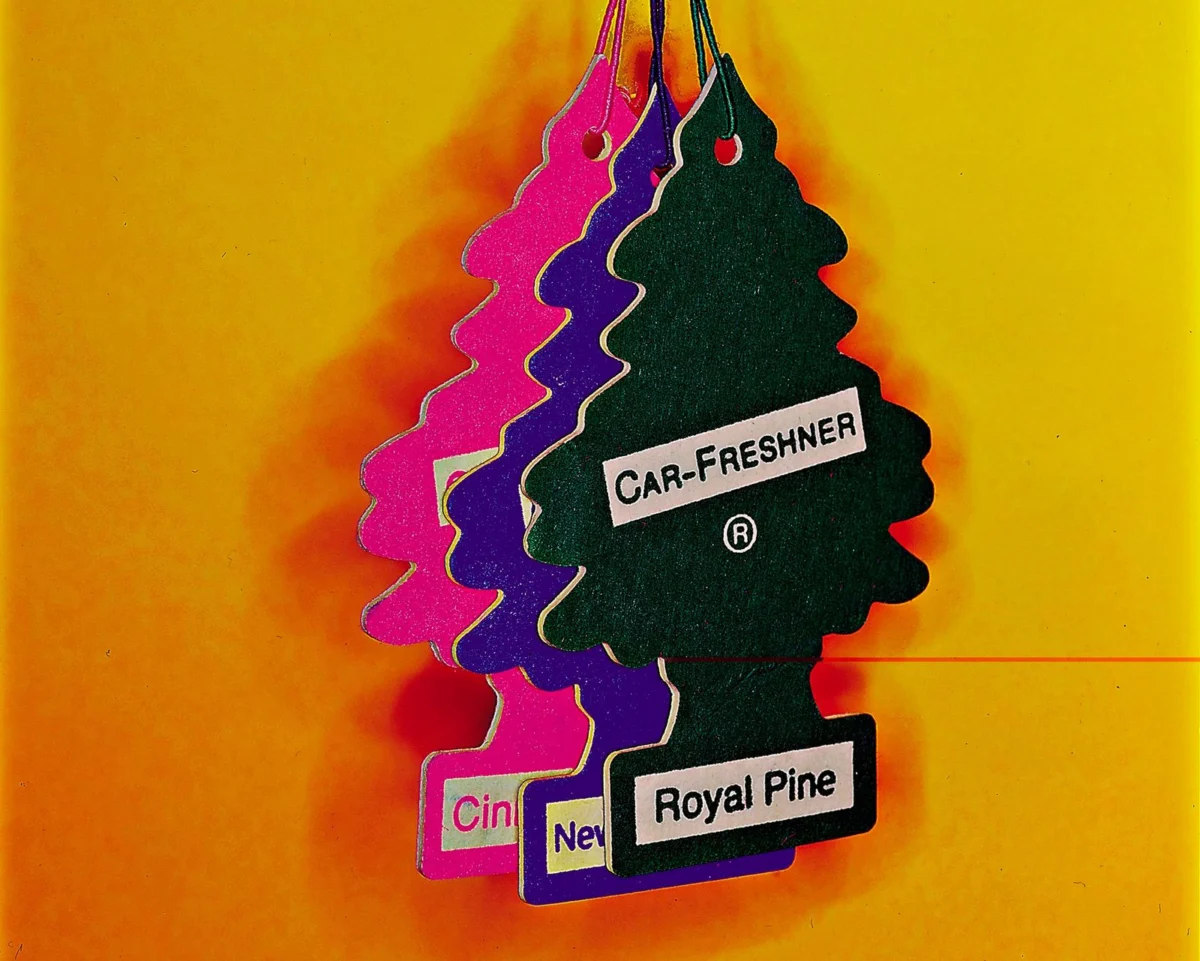
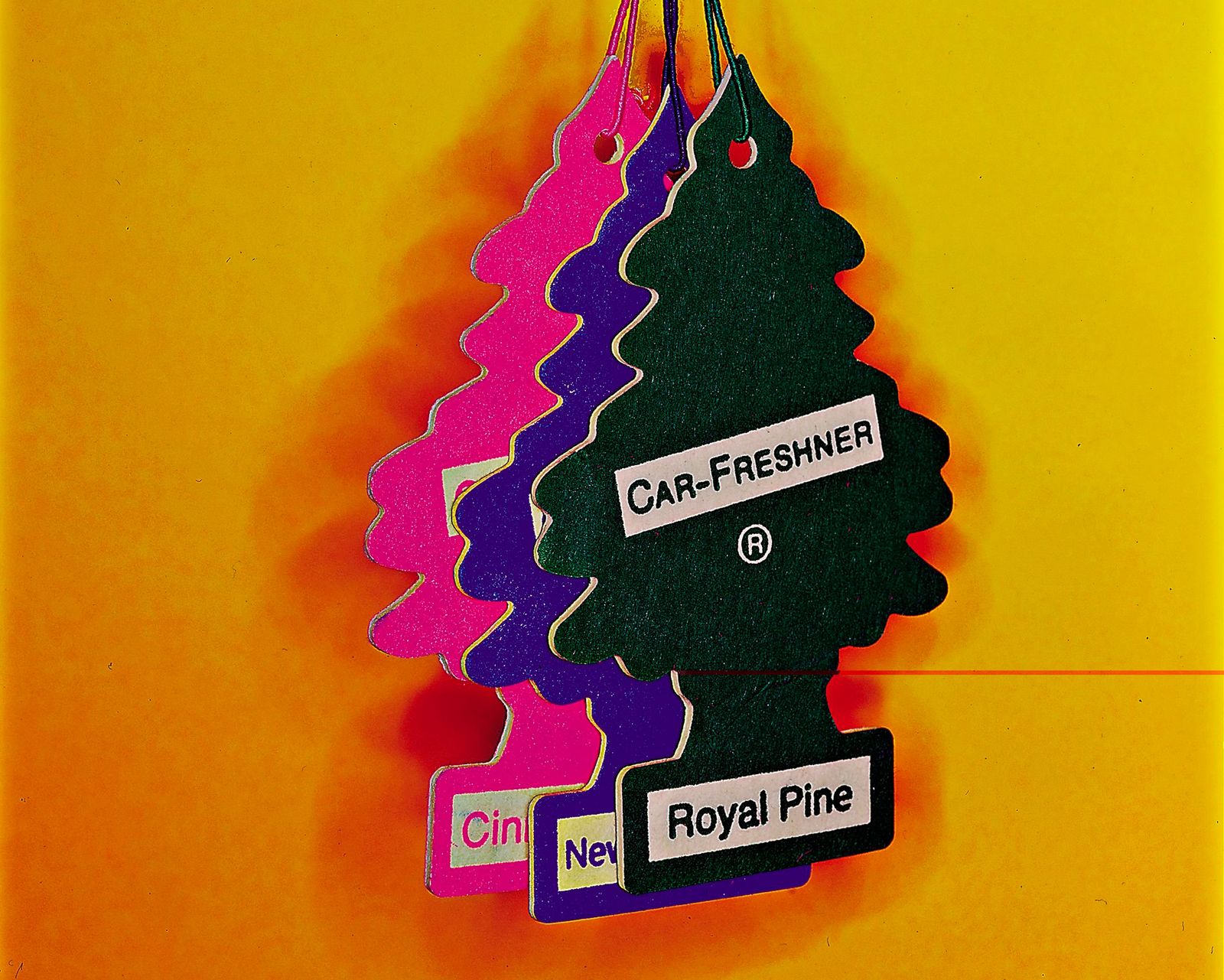
The sight of a small, stylized pine tree dangling from a rearview mirror is an instantly recognizable image, a ubiquitous symbol that transcends mere utility. While the potent aromas of Black Ice, Vanillaroma, or New Car Scent can be polarizing, the distinctive shape of the Little Trees air freshener holds a universal appeal, firmly cementing its place in popular culture and automotive history. This unassuming cardboard cutout, far from being a simple novelty, represents a triumph of design, a testament to rigorous brand protection, and a fascinating case study in how an everyday item can achieve iconic status.
The Genesis of an Olfactory Innovation
The story of Little Trees begins in 1952, rooted in a common problem and an ingenious solution. In Watertown, New York, a local milk truck driver voiced his frustration to Julius Sämann, a German-Jewish chemist, about the lingering stench of spilled milk in his vehicle. Sämann, who had fled Europe during the Nazi occupation and brought with him a wealth of scientific knowledge, saw an opportunity. Two years later, his efforts culminated in a patent for a novel product: a piece of absorbent cardboard infused with "odor-destroying, air-perfuming substances."
Initially, Sämann experimented with various designs, including an early version shaped like a pinup lady. However, he soon settled on the now-famous evergreen tree silhouette. This choice was not merely aesthetic; it was driven by practical considerations. The conifer shape allowed for a gradual release of fragrance. By peeling back the wrapper slowly, branch by branch, users could control the intensity and prolong the scent’s life for up to seven weeks, a significant innovation at the time. This thoughtful design, combining functionality with a simple, memorable form, laid the groundwork for its enduring success.
The first fragrance to hit the market was "Royal Pine," a scent designed to evoke the freshness of a forest, followed quickly by "Spice" and "Bouquet." As post-World War II America embraced the automobile as a symbol of freedom and prosperity, the demand for products enhancing the driving experience grew. Little Trees provided a practical, affordable solution to unpleasant car odors, quickly gaining traction among drivers nationwide.
From Regional Hit to Global Phenomenon
Car-Freshner Corporation, the family-owned firm headquartered in Watertown, New York, that owns Little Trees, wasted no time in expanding its product range and global footprint. Over the decades, the company introduced a vast array of scents, catering to diverse preferences. Many were straightforward, like "Cinnamon Apple," "Moroccan Mint Tea," and "Lavender," offering familiar, comforting aromas. Others ventured into more abstract territories, with names such as "Pure Steel," "Heat," and "Supernova," designed to evoke a particular mood or aesthetic rather than a direct scent profile.
Today, the distinctive pine tree air freshener is a truly international product. It is sold in over 195 countries, known by different names in various regions, such as "Wunder-Baum" in parts of Europe and "Arbre Magique" in others. This global presence underscores the universal appeal of the product and its effective solution to a common problem, making the dangling tree an internationally recognized symbol for freshening interiors. The company boasts a collection of over 30 classic scents, each contributing to a vibrant subculture of enthusiasts and collectors.
The global car air freshener market itself is a substantial industry, projected to reach significant valuation in the coming years, driven by increasing car ownership, rising disposable incomes, and a growing consumer preference for pleasant interior environments. Little Trees, as a pioneering and dominant brand, commands a substantial share of this market, demonstrating remarkable resilience and adaptability in a competitive landscape.
The Unyielding Guard of the Iconic Shape: Trademark Enforcement
Beyond its functional purpose, the Little Trees shape has evolved into a cultural phenomenon, a piece of Americana, and a visual shorthand for smell. However, this widespread recognition comes with a fierce protectiveness from its owner, Car-Freshner Corporation. The brand is renowned for its aggressive and successful pursuit of trademark infringers, consistently winning legal battles to safeguard its iconic design.
Trademark law exists to prevent consumer confusion and protect a brand’s unique identity and the goodwill it has built over time. Angela Langlotz, a trademark lawyer based in Dallas, Texas, emphasizes this point. "A trademark is meant to be an exclusive identifier," she explains. "If you let things slide to the point where people no longer associate your brand with your company, you could actually end up losing your trademark rights." This legal principle, often summarized as "use it or lose it," dictates that brands must actively defend their trademarks to maintain their exclusivity.
Little Trees has certainly taken this to heart, earning a reputation as a formidable enforcer of its intellectual property. Its legal battles have targeted a wide range of entities, from global fashion houses to small nonprofits:
- Balenciaga (2018): When the luxury fashion brand Balenciaga released a $275 leather keychain in the shape of a Little Trees air freshener, Car-Freshner Corporation promptly sued for trademark infringement. The case underscored the brand’s resolve to protect its image, regardless of the infringer’s size or market.
- Ryanair (2019): European budget airline Ryanair faced legal action for using the Little Trees image in advertisements for its car rental service, demonstrating the brand’s vigilance even across different industries and continents.
- Chewy (2021): The online pet supply retailer Chewy was challenged for creating a pine tree-shaped dog toy, ultimately leading to an agreement to drop the design, illustrating that even a subtle nod to the iconic shape can trigger a legal response.
- Meta (2022): The tech giant Meta was put on notice for failing to remove third-party posts on its platforms that were selling infringing merchandise like stickers and T-shirts featuring the Little Trees trademark. This case highlights the brand’s commitment to policing digital spaces as well.
- Old Navy (2008): The apparel retailer Old Navy faced a lawsuit for placing the Little Trees trademark on a T-shirt emblazoned with the phrase "Keeping it Fresh," indicating that even seemingly innocuous homages are not exempt from legal scrutiny.
- Sun Cedar (2016): In a move that drew some controversy, the company sued Sun Cedar, a nonprofit assisting at-risk individuals, for making tree-shaped cedar ornaments. This action, while appearing heavy-handed to some, was consistent with their overarching strategy: any unapproved use of the shape is a threat to the trademark’s exclusivity.
- Bob Ross Inc. (2018): Car-Freshner Corporation also informed the Bob Ross merchandising company that despite the beloved painter’s famous phrase "happy little trees," there was only one "Little Trees" in the marketplace, preventing any confusion or dilution of their brand.
This consistent and aggressive enforcement strategy has cultivated an environment where potential infringers are well aware of the risks. "Then, pretty soon, you get a reputation for being a formidable enforcer of your trademark rights, and people just leave you alone," Langlotz observes. This strategy is not merely about winning individual cases; it’s about establishing a strong deterrent effect, ensuring that the visual identity of Little Trees remains exclusively linked to Car-Freshner Corporation.
A Cultural Touchstone: Pop Culture and Car Culture
The distinctive shape and enduring presence of Little Trees have woven themselves deeply into the fabric of popular culture, particularly within the automotive world. Its journey from a simple smell peddler to a cultural icon has been aided by memorable endorsements in film, art, and the daily lives of drivers.
One of the most famous instances of its pop culture integration comes from the 1984 cult sci-fi black comedy Repo Man. The film, often seen as a critique of 1980s consumerism, prominently featured Little Trees in various scenes, including the memorable line, "You’ll find one in every car. You’ll see." This cinematic appearance significantly cemented the brand’s association with American car culture, particularly among enthusiasts. Automotive journalist Phil Greden, known by his pen name Murilee Martin, notes that Repo Man is a "big part of why some car people are obsessed with Little Trees, sometimes in an ironic hipster way."
Greden himself has documented the ubiquitous presence of Little Trees, having taken over 10,000 photographs of them in junked cars across the U.S. and overseas over the past 18 years. He observes that "in junkyards in the U.S., probably ninety-five percent of air fresheners are going to be Little Trees." His observations reveal regional scent preferences: "In the Deep South people like the fruitier ones, like Coconut, Watermelon, and Strawberry…. I think because it’s so humid and they need a more powerful scent to mask the mildew." He also recalls the "Charlotte Stack," a phenomenon in North Carolina wrecking yards where cars often had thick decks of Little Trees hanging from their rearview mirrors, indicating a preference for stronger, longer-lasting scent coverage in hotter, more humid climates.
Jason Kress, cofounder and creative director of the Washington, D.C., design agency Clever, and a self-described "car guy," highlights Little Trees as a mainstay in car culture. He sees it almost as a "badge of honor," with the choice of scent reflecting a driver’s identity. For instance, the "masculine, cologne-smelling" Black Ice is particularly popular among Honda drivers, while "Piña Colada" is favored by VW and Audi owners, becoming "more of a fashion statement." The brand has even fostered thriving online communities, with collectors hunting for rare special releases and discontinued scents on platforms like TikTok and Reddit, further solidifying its status as a collectible and cultural artifact.
The sheer potency of Little Trees scents has also become part of its legend. During the filming of Repo Man, Car-Freshner Corporation actually provided unscented props to spare the noses of the cast and crew, as extended exposure to the full fragrance was deemed "too horrible for anyone… to endure for long." Similarly, overly perfumed rideshares are such a common complaint that services like Lyft have begun offering fragrance-free options. Greden recounts how, as an official at the 24 Hours of Lemons endurance race (for cars costing $500 or less), a penalty for misbehaving drivers was to hang 50 Little Trees inside their cars. "You could smell it as they drove by at a hundred miles an hour," he says, describing the experience as "awful." This potent aroma, while sometimes overwhelming, is also a defining characteristic, a testament to the product’s effectiveness and its memorable impact on sensory experience.
The Business of Silence: A Unique Brand Strategy
Despite its immense popularity, cultural penetration, and fierce legal battles, Car-Freshner Corporation maintains a remarkably low public profile. The company rarely engages with the press, choosing instead to let its product speak for itself. A request for an interview with a company representative often receives a polite but firm rebuff, with responses like "we recognize the unique role that LITTLE TREES has played both within the air freshener category and in popular culture over the years."
This deliberate reticence is a distinctive aspect of their brand strategy. Rare exceptions include a 2012 New York Times interview where Jody LaLone, the former longtime president of Car-Freshner Corporation, revealed they had sold billions of units, quipping, "Probably right up there with the number of hamburgers McDonald’s sells." In 2014, a European sales and marketing director for the brand compared the secrecy surrounding Little Trees’ scent recipes to that of Coca-Cola, highlighting the proprietary nature of their formulations.
This silence, far from being a weakness, appears to be a calculated strength. In an age of constant brand communication and social media engagement, Little Trees stands apart, allowing its iconic image and established reputation to do the heavy lifting. "Little Trees have been around for so long, I don’t think they need the conversation," says Jason Kress. "They’re doing just fine—their products sell themselves." This understated approach paradoxically amplifies its mystique and reinforces its timeless appeal, relying on decades of earned goodwill and cultural embeddedness.
Broader Implications and Lasting Impact
The journey of Little Trees from a practical solution to a milk truck driver’s problem to a globally recognized cultural icon offers several compelling insights. It underscores the power of simple, functional design that anticipates user needs, such as the gradual release mechanism. It also highlights the critical importance of rigorous intellectual property enforcement in maintaining brand value and market position. In an increasingly crowded marketplace, a strong, protected visual identity can be as valuable as the product itself.
Furthermore, Little Trees exemplifies how everyday items can transcend their utilitarian purpose to become symbols of broader cultural narratives. Its enduring presence in car culture, pop culture references, and collector communities speaks to a deep connection with consumers that goes beyond mere scent. It evokes nostalgia, signifies personal identity, and represents a shared experience across generations and geographies.
As the automotive industry continues to evolve, with electric vehicles and autonomous driving on the horizon, the humble Little Trees air freshener persists, a constant in a changing landscape. Its unique blend of practical utility, iconic design, fierce brand protection, and quiet confidence ensures its continued relevance, securing its place not just as a car accessory, but as a permanent fixture in our collective cultural imagination. The simple, dangling tree remains a testament to enduring design, effective branding, and the unexpected longevity of a product that offers a breath of fresh air, in more ways than one.