admin
admin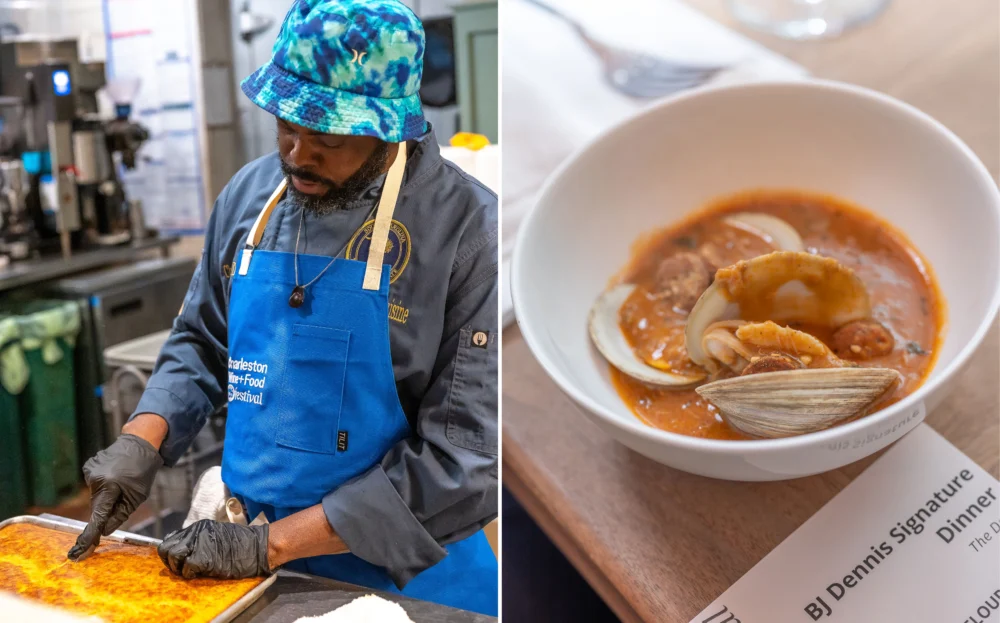
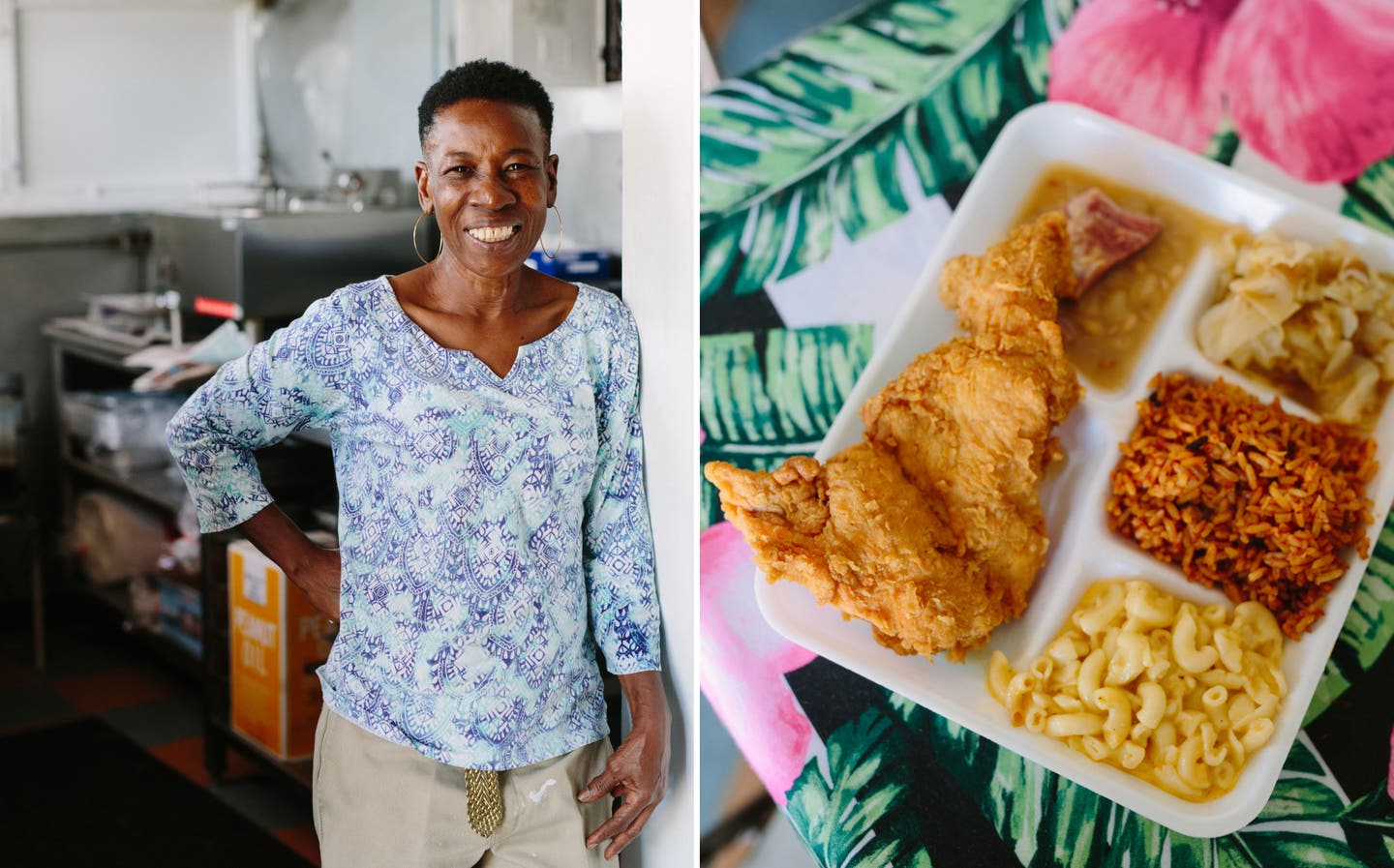
Before we pick up our forks, let’s invoke the ancestors: Southern culinary mentors like Martha Lou Gadsden, Louis Osteen, Robert Carter, Emily Meggett, and Joseph "Chef Joe" Glascoe Randall are the ones who taught us to never stir a pot of rice, and why it’s sacrilege to add sugar to cornbread or grits. Without their guidance, we wouldn’t be celebrating this kind of food today. And, building on their legacy, change has come to South Carolina’s Lowcountry, particularly on the greater Charleston peninsula, which has been a vibrant culinary hub for generations.
Charleston Wine + Food Festival: A Pillar of Culinary Growth
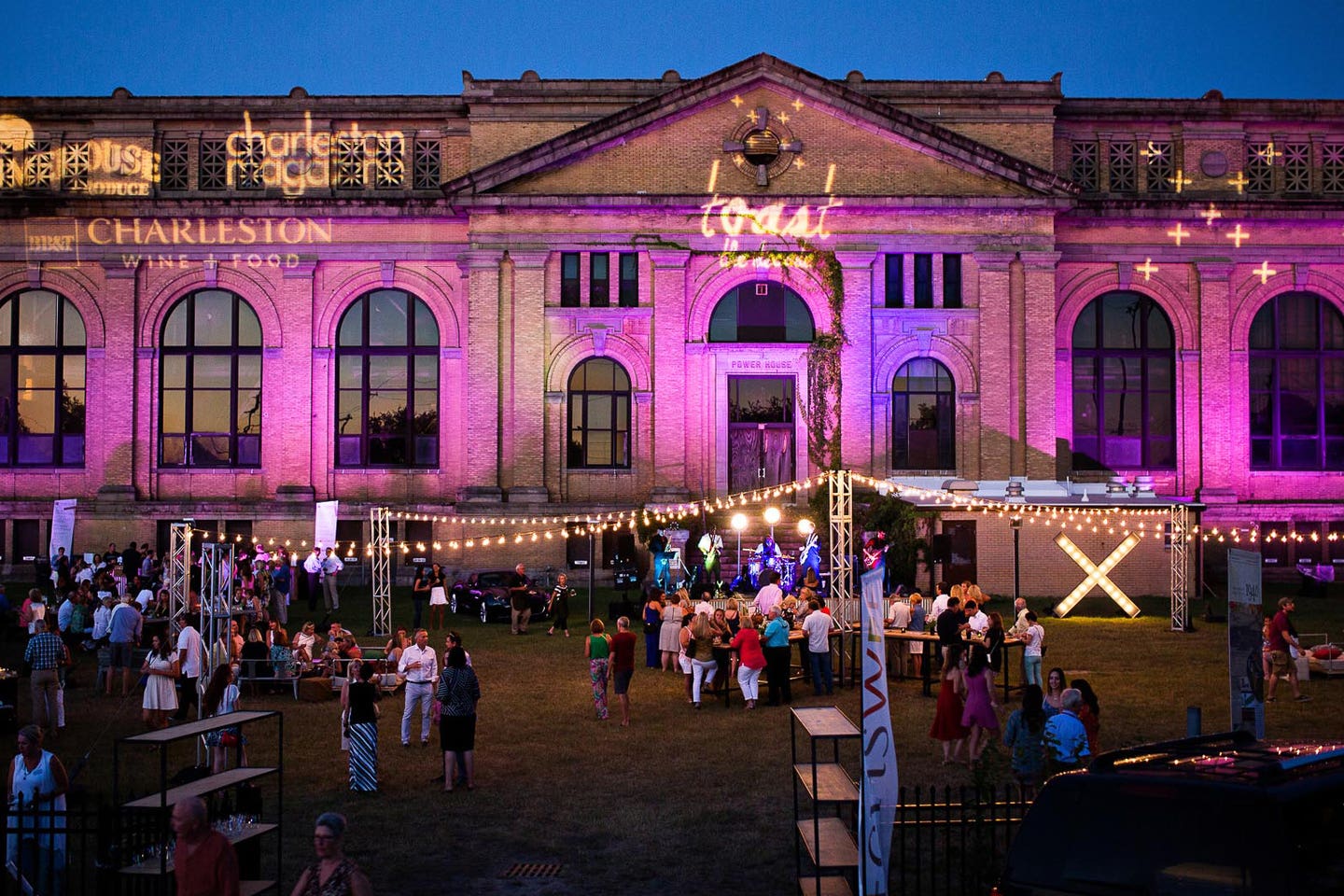
The Charleston Wine + Food Festival, now entering its 20th season, has played a pivotal role in showcasing and nurturing the region’s evolving culinary landscape. Alyssa Maute Smith, executive director of the festival, observes the significant growth within the hospitality community. "Look how much the hospitality community has grown," she states, reflecting on the festival’s two-decade journey. Beyond its role as a platform for showcasing talent, the festival has actively fostered the community through mentorship programs and financial support for inclusive programming. This commitment has broadened the representation of voices and flavors within Charleston’s food scene, cultivating a new generation of culinary talent, both locally born and those drawn to the city. Crucially, the festival has also championed a deeper understanding and celebration of the region’s profound culinary roots, acknowledging the foundational techniques and tastes brought by early settlers, particularly from West African rice cultures, which continue to inform contemporary culinary innovations.
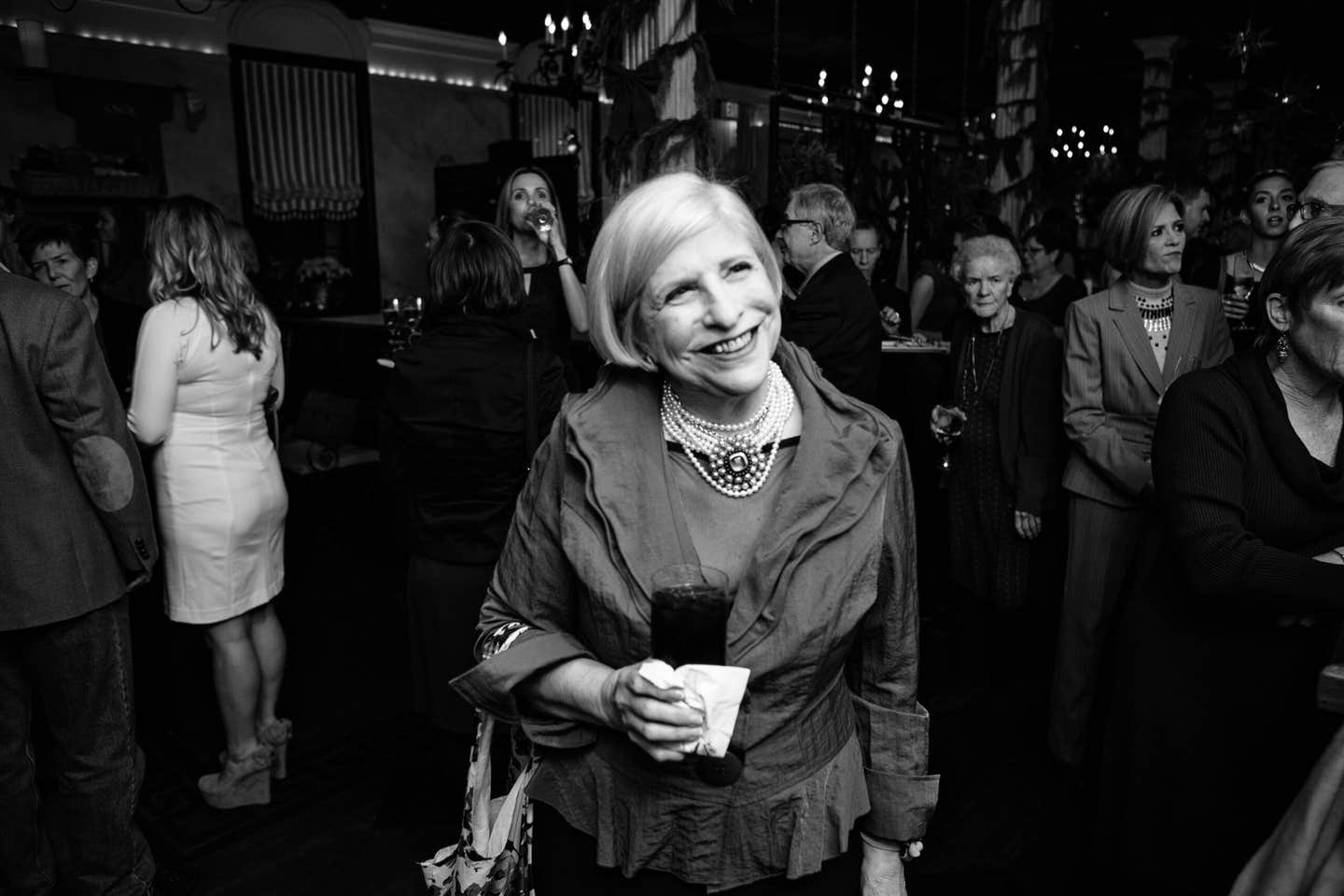
The festival’s success in highlighting these foundational influences is, in part, due to the tireless advocacy of figures like the late author Nathalie Dupree. A revered figure in Southern cooking, Dupree dedicated herself to elevating the stories and contributions of the individuals who form the backbone of Charleston’s culinary industry, from chefs to bartenders. This ethos extends to the chefs featured at the festival, many of whom may not be nationally recognized but are integral to the fabric of Lowcountry foodways. "Charleston has a grassroots network that supports each other," Maute Smith emphasizes. "We want the stories to feel authentic to this place. We see ourselves." This collaborative spirit and commitment to authenticity are cornerstones of Charleston’s burgeoning reputation as a culinary destination.
A Deep Dive into Charleston’s Culinary Heritage
Understanding the significance of these cultural custodians requires an appreciation for the deeply ingrained culinary traditions that have historically defined Charleston. For many, including the author, the tradition of dining at home was paramount. Visits from great-aunts meant experiencing the true essence of home-cooked meals, a common practice of the era where family members would return home for substantial midday meals. Sunday dinners were sacred, and even leisure activities like crabbing with a chicken neck and net were steeped in the local bounty.
Alyssa Maute Smith, who grew up on James Island, shares similar recollections. "We didn’t go out to eat either," she recalls. "For me, this is the underpinning of why Charleston is a food destination, because everyone was so committed to the land, buying directly from family-owned purveyors or catching it ourselves. My dad taught me to harvest the local oysters and how to seine in the creek. When we got a batch of shrimp, we’d sit around the kitchen table and pop off the heads to freeze." This intimate connection to the source of food, a tradition passed down through generations, underpins Charleston’s vibrant food culture.
This enduring commitment to local sourcing and heritage produce has cultivated a rich ecosystem of exceptional chefs who champion coastal fishermen and artisanal producers. The Charleston Wine + Food Festival actively embraces this ethos, creating events that welcome newcomers to the table while honoring both tradition and innovation.
Innovation on the Plate: A Celebration of Evolution
The festival’s anniversary dinner, a testament to the city’s evolving dining landscape, featured chef Daniel "Dano" Heinze of Vern’s. Heinze’s contribution highlighted squid, an ingredient historically overlooked by the regional shrimping fleet. "This is something we had to seek out," Heinze explains. "We’re trying to evolve what can be done with food in this part of the country." His dish, charcoal-grilled squid paired with capered sea beans—a succulent foraged from local beaches—and wild redbay laurel leaves, showcases a forward-thinking approach. The redbay laurel, traditionally used to impart aroma to Carolina Gold rice, was infused into oil for a unique flavor profile.
Another notable collaboration at the festival brought together chef James London of Chubby Fish and chef Juan Cassalett of Malagón Mercado y Tapía. Their Basque-inspired dish, featuring heirloom alubia blanca beans and locally sourced lamb, exemplifies the cross-cultural influences that enrich Charleston’s cuisine. This culinary fusion resonates with the author’s own heritage, tracing back to Huguenot ancestors who settled in the Lowcountry in the 1660s, a lineage that instilled a strong appreciation for lamb.
The Resurgence of Gullah Geechee Cuisine and Emerging Talents
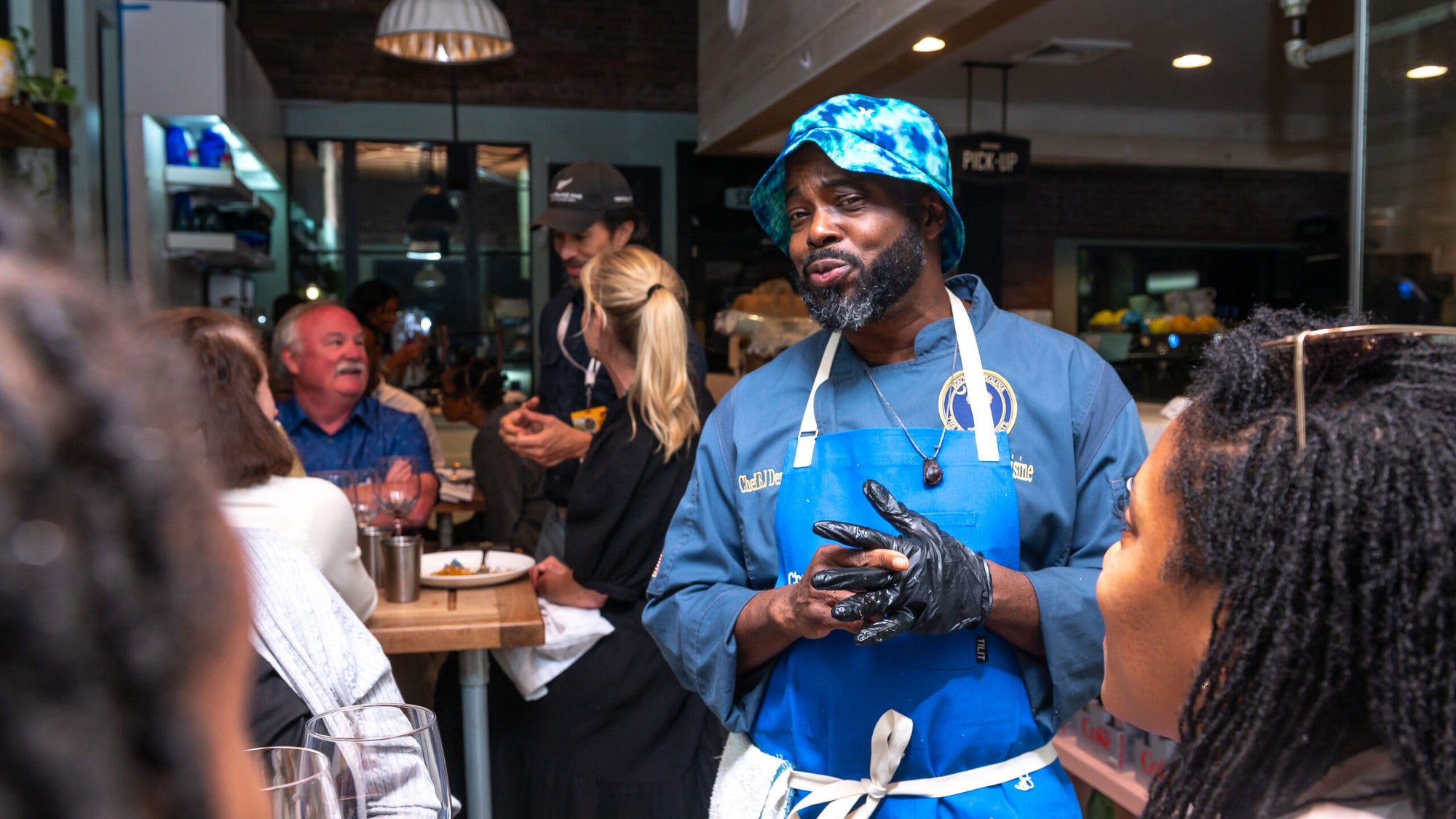
The festival also serves as a vital platform for a new generation of Gullah Geechee chefs who are passionately preserving and reimagining their ancestral foodways. Dishes like red rice, deviled crab, and okra soup are being celebrated and innovated upon. Chef BJ Dennis, for instance, is incorporating oysters into his perloo, sourcing them directly from Gullah elders who maintain traditional leases on Lucy Creek, off Lady’s Island. "You don’t see these in restaurants," Dennis notes, emphasizing the exclusive nature of these ingredients, accessible only through established personal networks. His dish features these unique oysters alongside rice middlins and a benne seed chutney inspired by Afro-Mexican salsa macha. "I always say that Gullah Geechee is the queen mother of Lowcountry cuisine," Dennis asserts. "Learning about my history and my roots goes beyond culture and race. This is my duty, my journey."
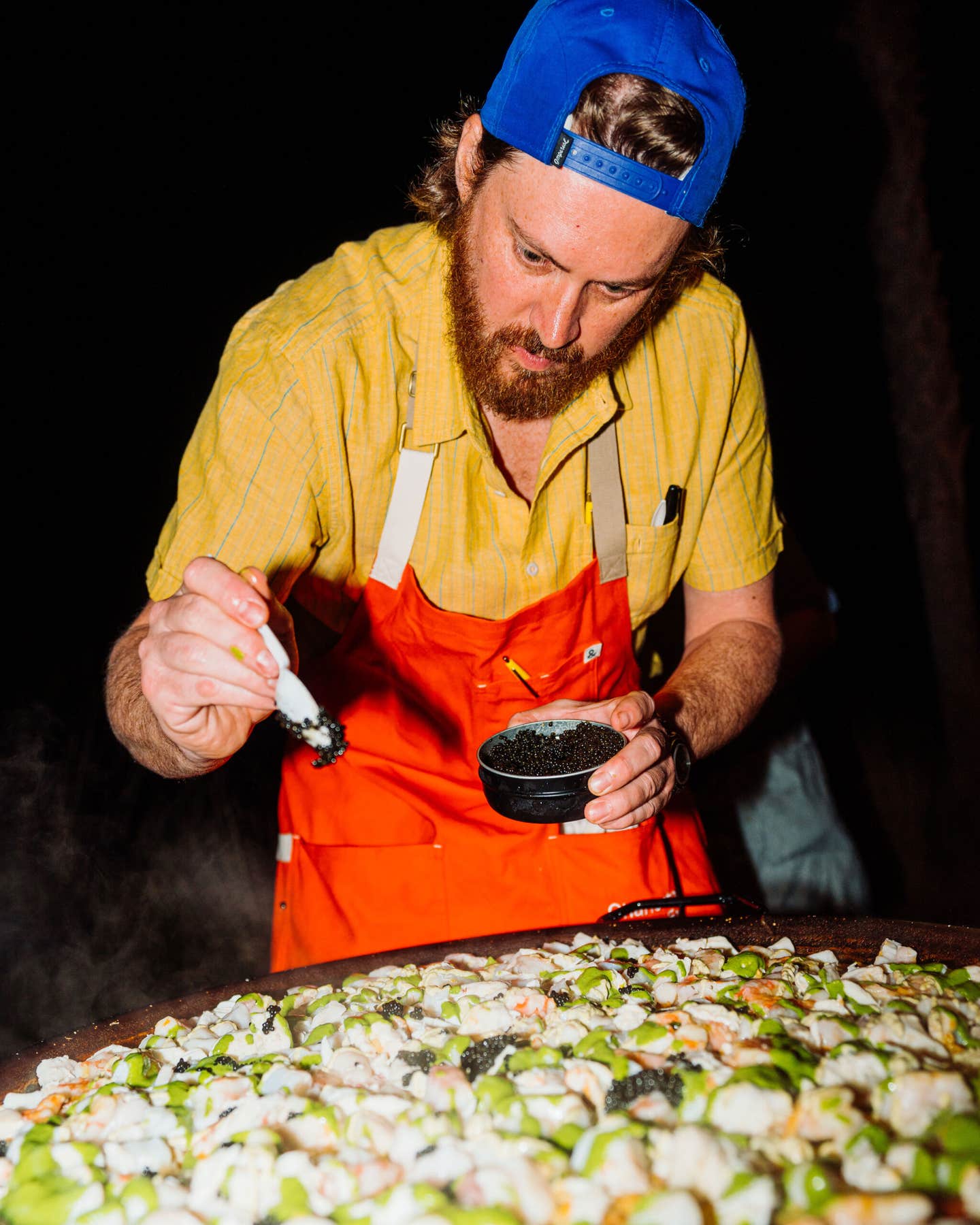
The festival also highlights Amethyst Ganaway’s commitment to the nose-to-tail movement, offering a hands-on tutorial at the Culinary Institute of Charleston focused on wild game and offal. In the realm of mixology, Johnny Caldwell of Cocktail Bandits imbues her creations with cultural resonance. "I want our cocktails to be welcoming, to acknowledge Charleston’s past but, while anchored in the old ways, represent change," she states. Her Palmetto Passage, a blend of champagne, Aperol, sweet Italian vermouth, and hibiscus tea, pays homage to both European and Charleston punch traditions, with the hibiscus connecting to the region’s Caribbean ties and its love for tea.
Anticipating Future Flavors
Looking ahead, the culinary events at Charleston Wine + Food promise further exploration of this rich tapestry. Nikko Cagalanan of Kultura is co-hosting a shared table dinner, a communal feast prepared in the Filipino kamayan style, served on banana leaves. This innovative approach, eschewing forks for fingers, represents a delightful fusion of Lowcountry ingredients and Filipino tradition, embodying the spirit of communal dining and culinary exploration that defines Charleston’s evolving food scene.
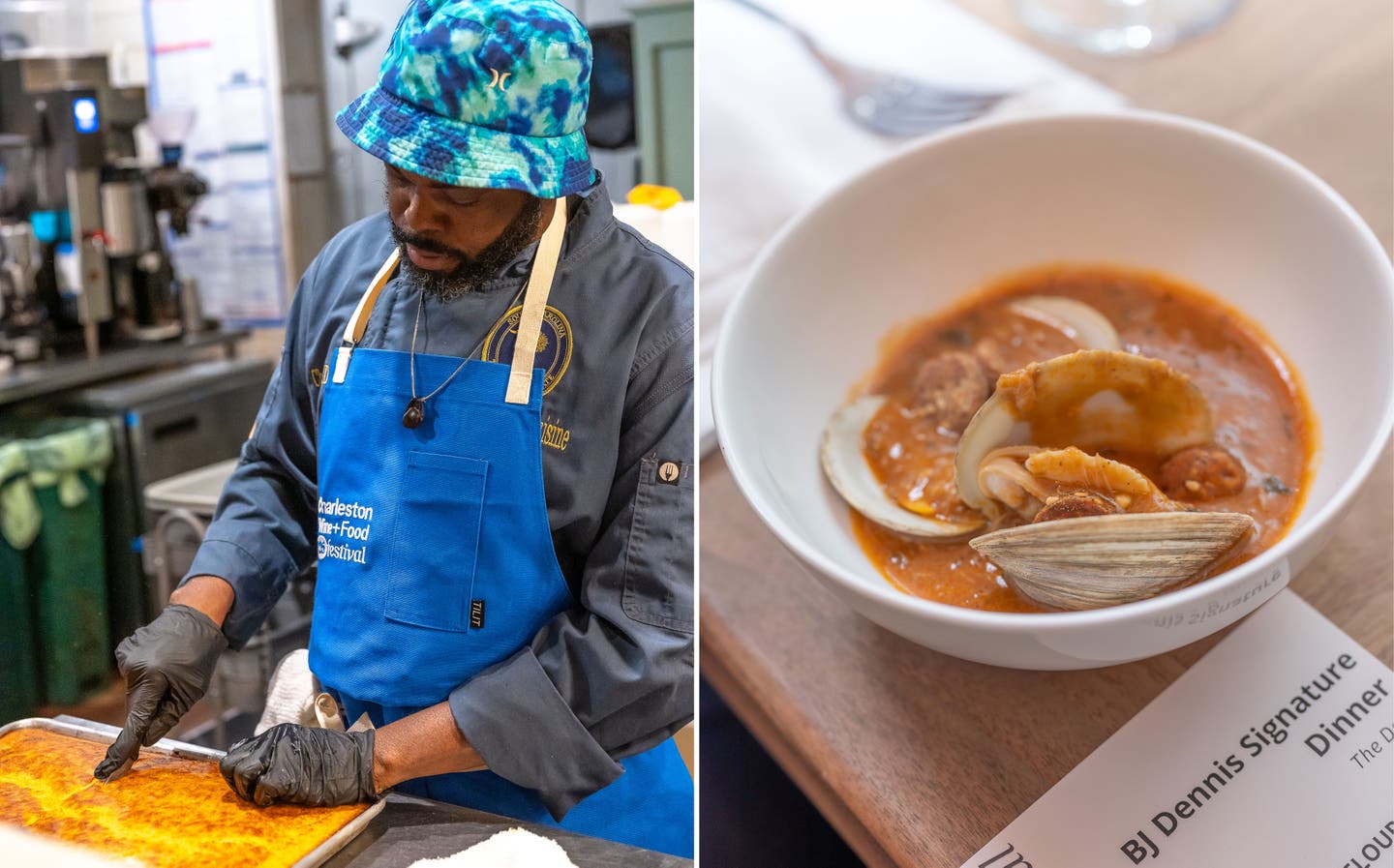
The Charleston Wine + Food Festival’s 20-year trajectory demonstrates a powerful commitment to honoring the past while boldly embracing the future of culinary arts. Through its support of heritage, mentorship, and innovation, the festival continues to solidify Charleston’s position as a world-class gastronomic destination, a place where history is not only remembered but actively savored and reimagined on every plate. The continuous engagement with both established culinary figures and emerging talents ensures that the narrative of Charleston’s food culture is dynamic, inclusive, and ever-expanding.