admin
admin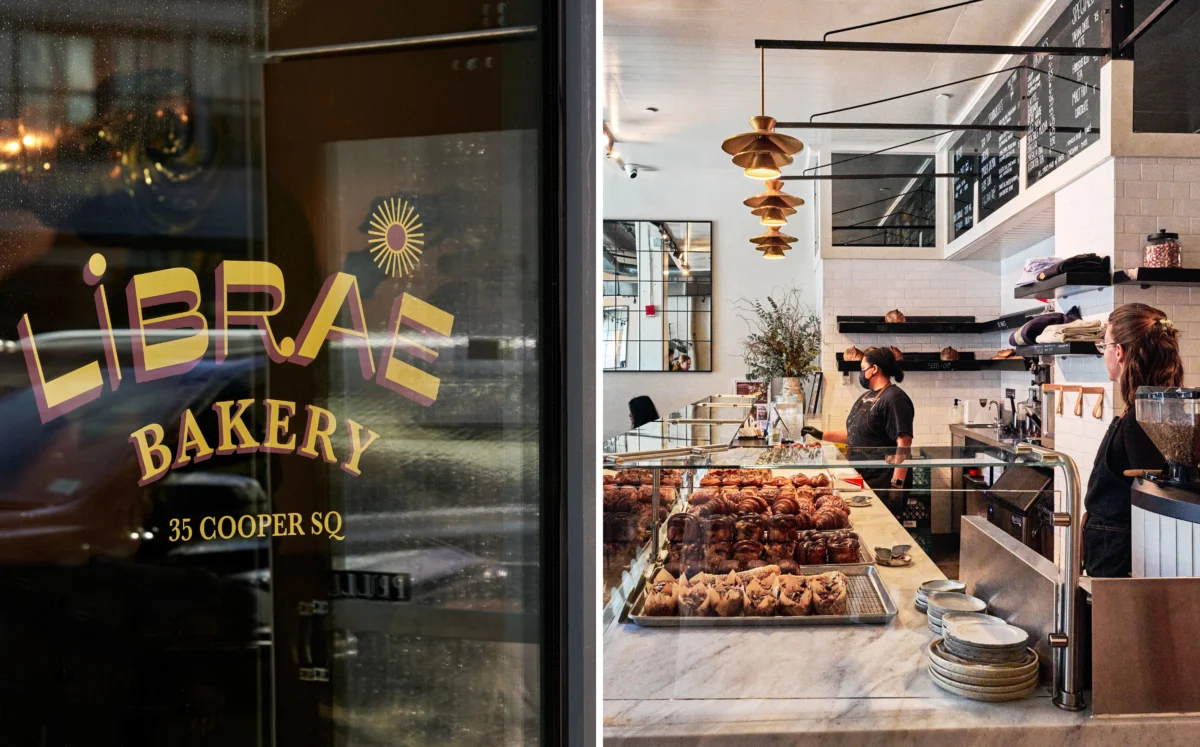
Dona Murad, co-founder of Librae Bakery in New York City, embodies the spirit of Eid al-Fitr through her culinary creations, a testament to the rich cultural tapestry that transcends geographical boundaries. Whether celebrating the holiday at her bustling bakery or in her ancestral home in Bahrain, Murad carries the profound rhythms and rituals of Eid with her. Her philosophy, deeply embedded in the ethos of Librae, suggests that cultural borders are often more permeable than physical ones, a fluidity that persists even amidst global unrest that restricts movement and threatens daily life. At Librae, Murad masterfully channels this cultural permeability into a communal and sustaining experience, offering a unique bridge between her Bahraini and Indian heritage and the diverse clientele of New York.

A Symphony of Flavors: Librae’s Unique Offerings
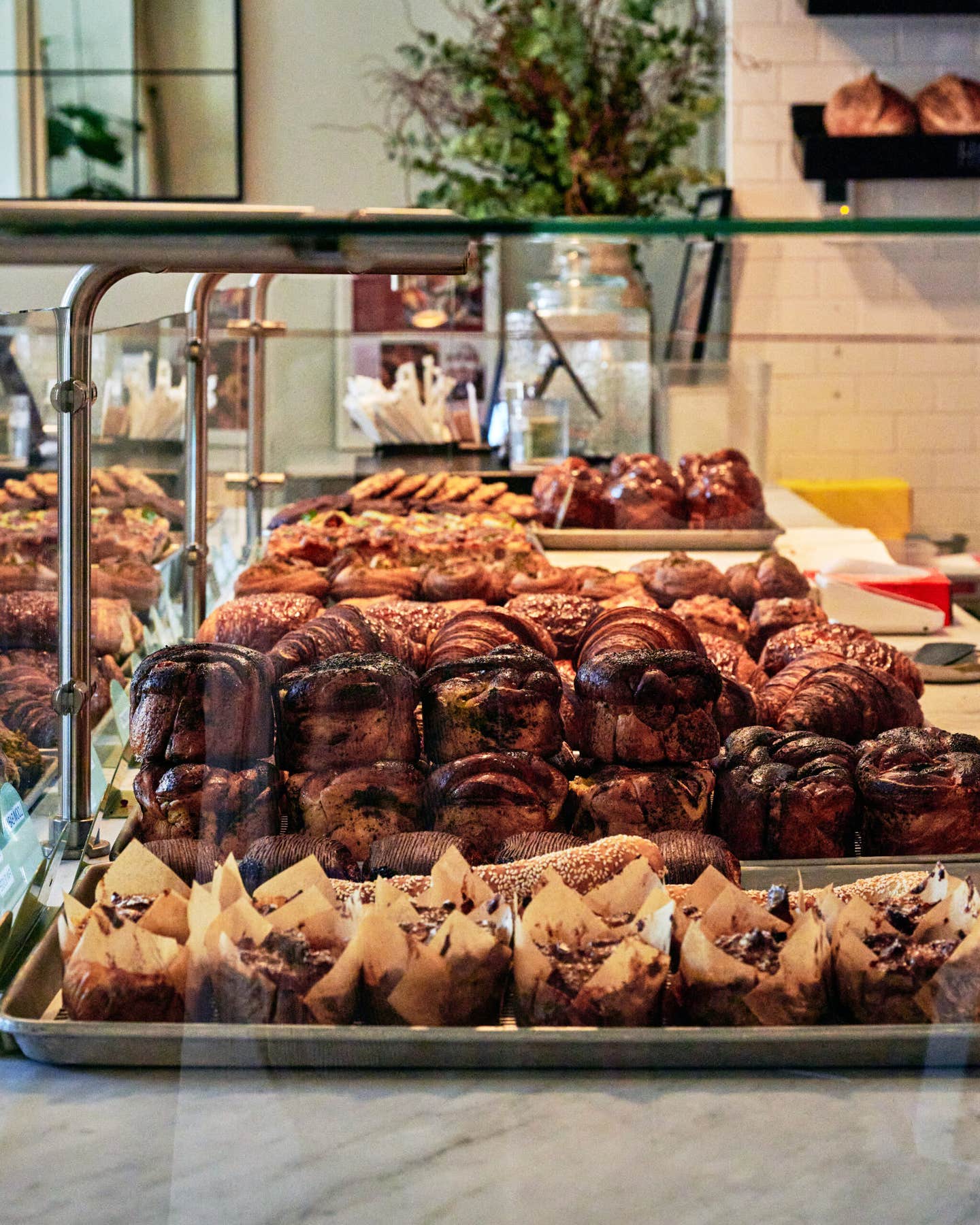
Librae Bakery’s menu is a vibrant reflection of Murad’s dual heritage, presenting desserts that are simultaneously familiar and delightfully unexpected. Each creation tells a story, infused with the essence of the Middle East and South Asia. Among the most celebrated is the loomi babka, a signature pastry that elegantly marries traditional baking with the distinct tang of black lime (loomi). This ingredient, a staple in savory Middle Eastern, Persian, and Gulf cuisines, is expertly incorporated into the babka’s rich swirl, complemented by a zesty lemon curd filling. The journey of this pastry highlights Murad’s dedication to authenticity; she personally transported black lime from Bahrain in her suitcase, a tangible connection to her roots that infuses the bake with genuine flavor and intent.
Another standout is the rose pistachio croissant, a delicate fusion that perfumes the air with the intoxicating aroma of rose water. This ingredient, a cornerstone of culinary and cosmetic traditions across the Middle East and South Asia, is rendered here with a sophisticated touch, elevating the humble croissant into a fragrant indulgence. The pastry’s appeal lies in its ubiquity within Murad’s cultural landscape, a scent and flavor that evokes warmth and familiarity.
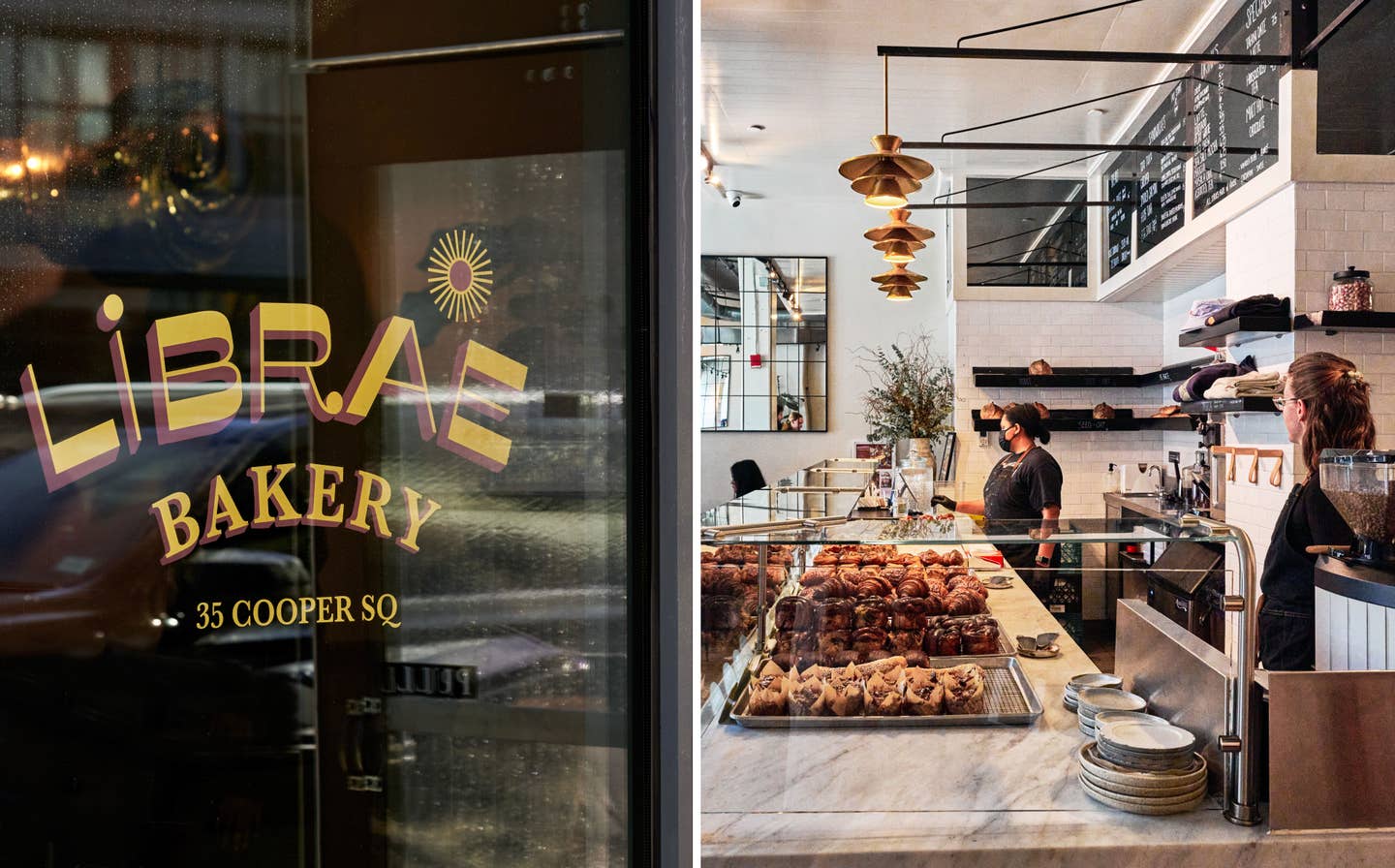
Perhaps one of the most poignant examples of Murad’s culinary storytelling is her twice-baked croissant, a creation inspired by cherished Eid mornings in Bahrain. This croissant is generously filled with a rich chocolate ganache and the sweet, nutty embrace of halva, a traditional Middle Eastern sesame confection. Its crowning glory is a scattering of black and white sesame seeds, a subtle yet charming homage to New York City’s iconic black and white cookie, a gesture that bridges two distinct culinary worlds. This particular creation, served exclusively on weekends, encapsulates Murad’s ability to translate personal memories into universally appealing flavors.
Echoes of Eid Mornings: From Bahraini Homes to NYC Bakeries
The genesis of the halva-filled croissant can be traced back to Murad’s childhood Eid mornings in Bahrain. Before the dawn of guests arriving for the day’s festivities, her father would prepare a simple yet profound breakfast: warm flatbread, a local specialty, split and generously stuffed with slabs of halva (known locally as rahash). Drizzled with honey, the halva would melt into a luscious, sweet filling, marking the joyous end of Ramadan’s month-long fast. This memory, steeped in familial love and tradition, serves as the inspiration for the croissant at Librae.
"This is how we evolve and adapt our traditional foods for our tables," Murad explains, emphasizing the dynamic nature of culinary heritage. This philosophy extends to her pantry, where the bold notes of garam masala and black lime coexist, and tahini, a cornerstone of Middle Eastern cuisine, finds its way into the delicate layers of laminated Danish dough. These culinary juxtapositions are not mere experimentation; they are deliberate acts of cultural preservation and adaptation, honoring the past while embracing the present.
A Legacy of Adaptation: Family Traditions and Culinary Evolution
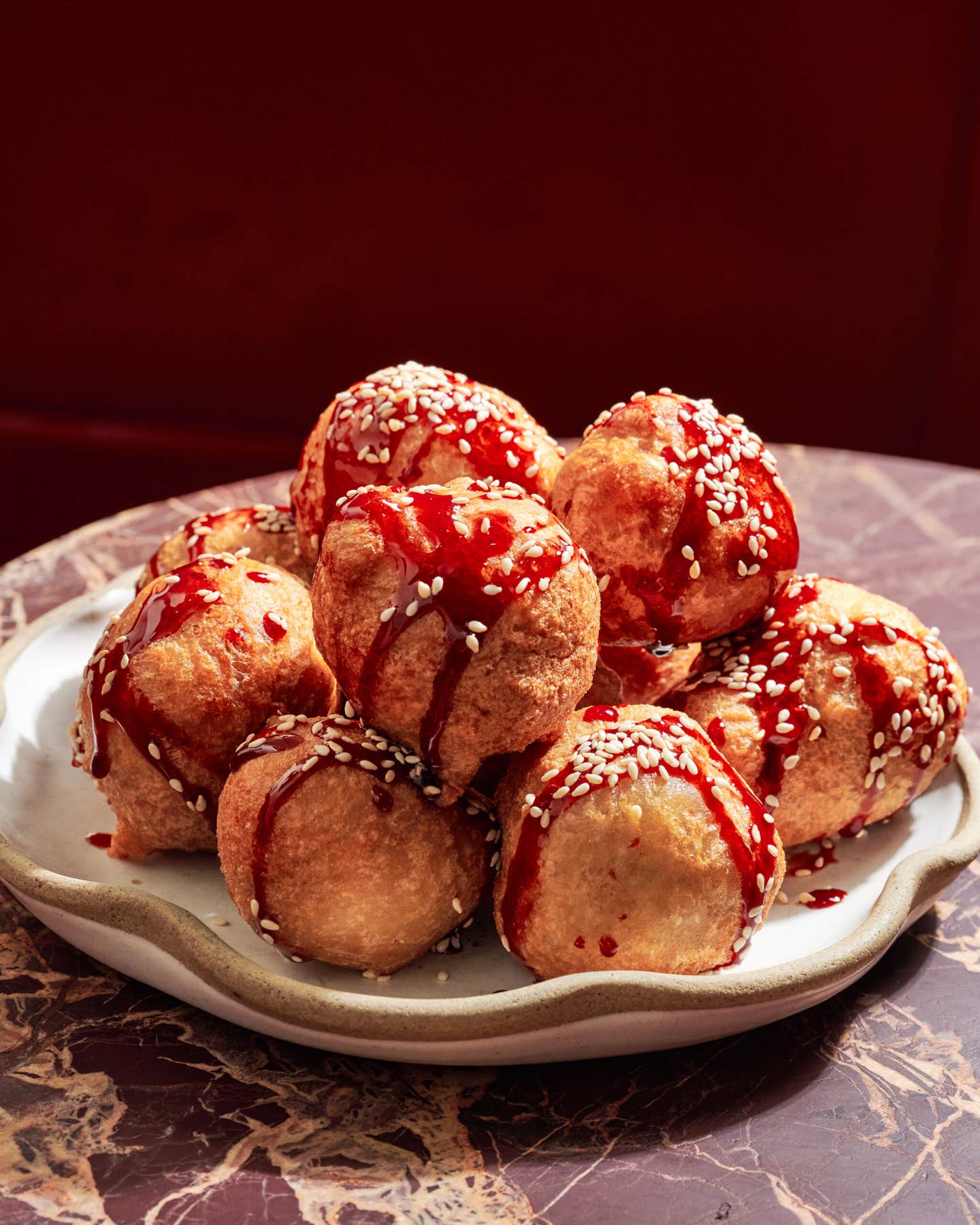
The concept of evolving traditional recipes is a narrative woven through Murad’s family history. She fondly recalls her mother’s unique rendition of luqaimat, popular sweet fritters across the Persian Gulf. "Every household makes things a little differently," Murad shares, highlighting the personalized nature of family recipes. Her mother’s luqaimat are distinctively drenched in floral honey rather than date syrup, and the batter is infused with ground fennel seeds, a departure from the more common saffron or cardamom. A surprising, closely guarded secret ingredient, Murad playfully reveals, is a couple of tablespoons of yogurt, adding a subtle tang and tenderness to the fritters. This anecdote underscores the deeply personal and evolving nature of culinary traditions, passed down through generations with subtle, loving modifications.
Weaving the Threads of Memory into Modern Delights
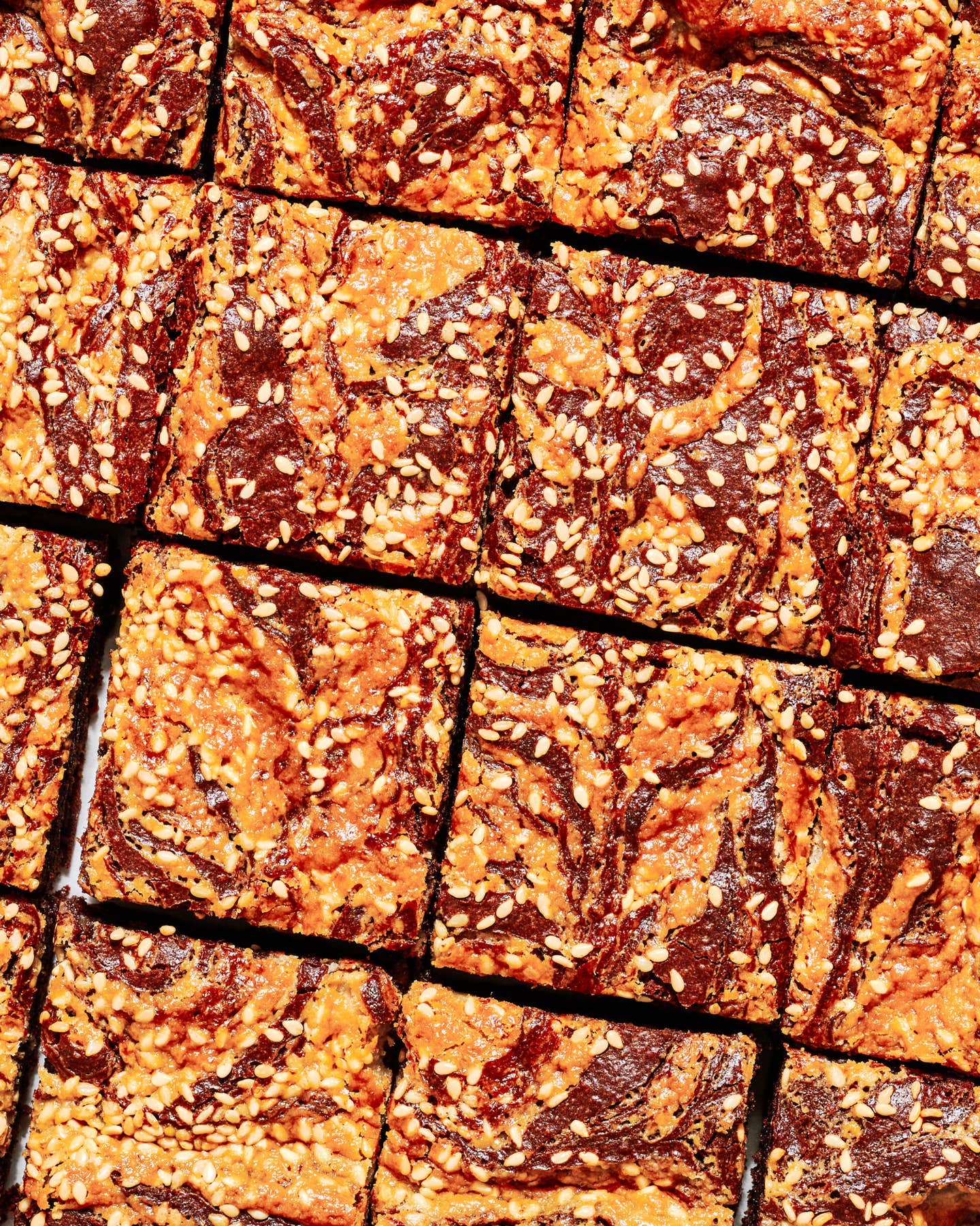
For this year’s Eid celebration, Murad is extending her tradition of culinary evolution to her own table, preparing three distinct desserts: luqaimat with saffron date syrup (a variation from her mother’s recipe), halva swirl brownies, and a muhallabia Basque cheesecake. The halva swirl brownie, she clarifies, is not an attempt to reinvent the brownie itself, but rather to harness its familiar structure as a vessel for evocative flavors. "A brownie is a brownie," she states, "but the recipe is about using flavors to capture a moment in time or evoke a memory." By incorporating halva into the rich dark chocolate and sesame base, she crafts a nostalgic experience for those who grew up with rahash, brownies, or, as is often the case at Librae, both. This approach is less about reinvention and more about translation, a thoughtful way of honoring a traditional Eid dessert through a universally understood and beloved format.
The muhallabia Basque cheesecake follows a similar logic, drawing parallels between textures and flavors that resonate deeply. The Basque cheesecake, already a popular fixture at Librae for its perfectly caramelized top and luscious, custardy interior, offers a textural echo of muhallabia, a beloved milk pudding. Traditionally perfumed with rose or orange blossom water, muhallabia is a common celebratory dessert across the Middle East. Murad’s interpretation of the Basque cheesecake, with its creamy interior, captures the silken quality of muhallabia, creating a dessert that is both familiar and novel.
The Heart of Eid: Community and Culinary Connection
While this year Murad will be celebrating Eid at her parents’ home in Bahrain, her fondest Eid mornings in New York are spent behind the counter at Librae. "There’s something so sweet about seeing everyone in their traditional dress after prayers, enjoying one of our Eid specials together," she reflects with gratitude. These moments, she explains, are a powerful affirmation of the bakery’s role as a community hub, a place where diverse individuals can come together to share in the joy and spirit of the holiday through the universal language of food.
Celebrating the Flavors of Eid: Recipes for a Global Palate
The spirit of culinary innovation and tradition that Dona Murad embodies at Librae Bakery offers a unique lens through which to view the celebrations of Eid al-Fitr. Her creations are more than just desserts; they are edible narratives, weaving together personal memories, cultural heritage, and the universal language of shared joy. As Eid continues to be observed globally, Murad’s approach highlights the dynamic and adaptable nature of culinary traditions, proving that the most meaningful flavors are often those that connect us to our past while warmly welcoming the future. The availability of specific recipes for luqaimat with saffron date syrup, halva swirl brownies, and muhallabia Basque cheesecake allows home cooks to partake in this celebratory fusion, bringing a taste of Librae’s cross-cultural magic to their own tables.