admin
admin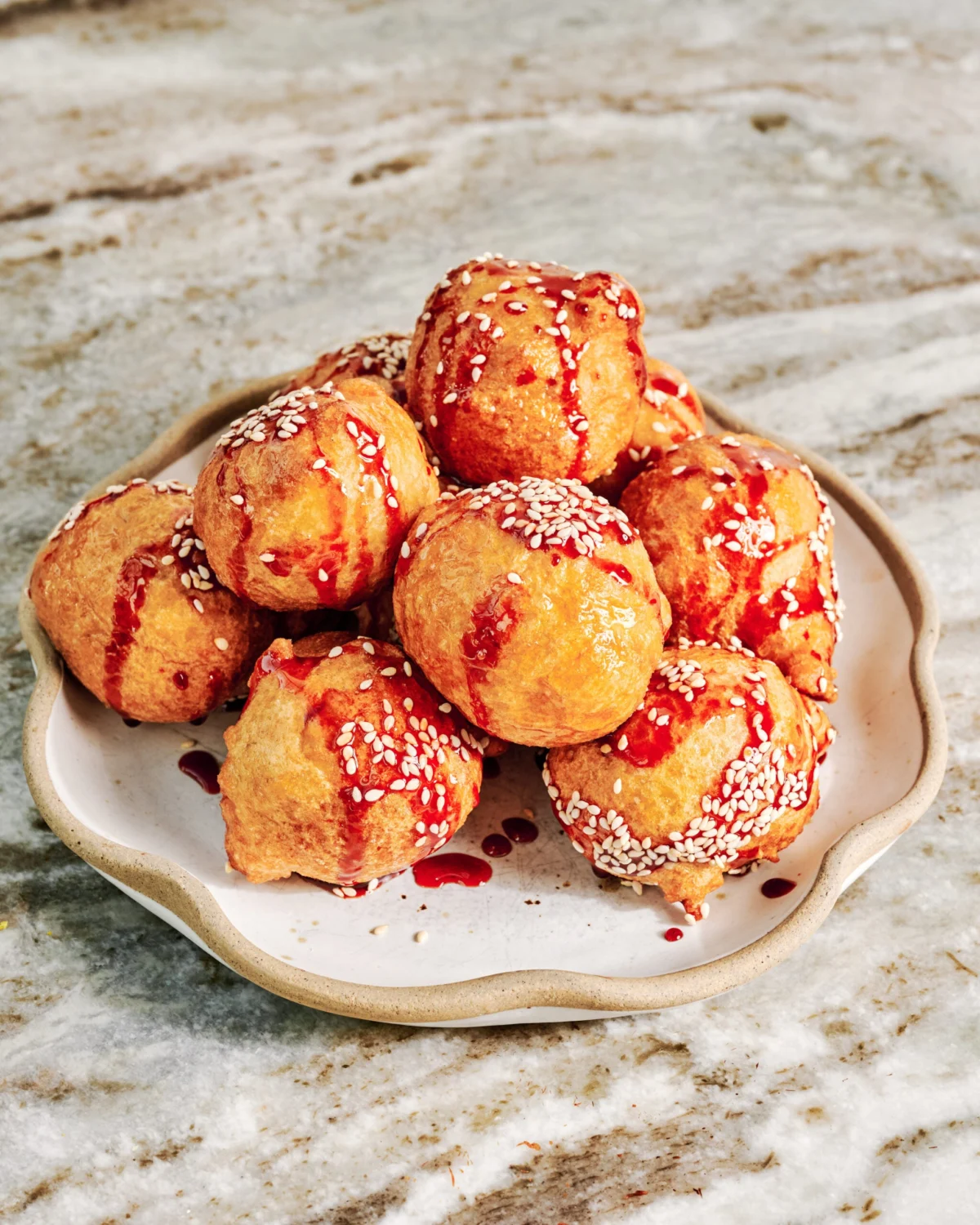
The creation of luqaimat, a cherished Middle Eastern dessert, is a delicate culinary dance, a testament to the harmonious blend of simple ingredients transformed into golden, crispy delights. This detailed exploration delves into the intricate process of making these sweet dumplings, uncovering the nuances of their preparation, the cultural significance they hold, and the underlying culinary science that ensures their perfect texture and flavor. The journey from raw ingredients to a delectable treat involves precise measurements, careful temperature control, and an understanding of fermentation, all culminating in a universally appreciated sweet.
The Foundation: Crafting the Luqaimat Batter
The genesis of exceptional luqaimat lies in the meticulous preparation of its batter. This stage is paramount, setting the stage for the characteristic lightness and crispiness that define the dessert. The process begins with a carefully selected blend of dry ingredients, forming the structural backbone of the dough. All-purpose flour serves as the primary component, providing the gluten necessary for elasticity and structure. Sugar is incorporated not only for sweetness but also to contribute to browning during frying and to feed the yeast. Cornstarch, a key ingredient, plays a crucial role in achieving a delicate crispness. Its granular structure, when heated, allows for rapid moisture evaporation, resulting in a shatteringly crisp exterior.
The leavening agent, active dry yeast, is vital for the signature puffed texture of luqaimat. When activated by warm water, yeast consumes sugars in the batter and releases carbon dioxide gas. This gas, trapped within the gluten network, causes the batter to rise, creating air pockets that expand significantly during frying, leading to the characteristic hollow interior and airy lightness. Salt, a fundamental flavor enhancer, balances the sweetness and subtly amplifies the other flavors present.
Cardamom, while optional, is a traditional aromatic that elevates the luqaimat with its warm, complex fragrance. Its inclusion adds a layer of sophistication and regional authenticity, evoking the spirit of its origins. The initial mixing of these dry ingredients with a silicone spatula ensures even distribution, preventing pockets of unmixed components.
The gradual addition of warm water is a critical step. The temperature of the water is crucial for yeast activation; too cold and the yeast will remain dormant, too hot and it will be killed. The goal is to achieve a thick, stretchy batter. This elasticity is a direct result of gluten development, indicating that the flour has absorbed sufficient liquid. The water is added incrementally to allow for precise control over the batter’s consistency. The ideal texture is described as slightly thicker than pancake batter, a viscosity that allows the luqaimat to hold their shape when dropped into the hot oil but also to spread slightly, contributing to their pleasing round form.
The inclusion of labneh, a strained yogurt, is a modern yet increasingly popular innovation that adds a subtle tang and a wonderfully moist interior to the luqaimat. Labneh’s creamy texture contributes to a richer mouthfeel and helps to prevent the fried dumplings from becoming overly dry. Its acidity can also interact with the baking soda (if used in conjunction with yeast, though this recipe focuses on yeast), further contributing to leavening. The addition of up to three tablespoons of additional water is a testament to the variability of flour absorption and environmental humidity, underscoring the importance of tactile assessment in achieving the correct batter consistency.
Once the batter is meticulously mixed, it requires a period of fermentation. Covering the bowl with a damp kitchen towel is essential. This prevents the surface of the batter from drying out and forming a crust, while the dampness maintains a humid environment conducive to yeast activity. Setting the bowl at room temperature allows the yeast to work its magic, consuming sugars and producing carbon dioxide. The visual cue of the batter becoming "bubbly and doubled in size" within 45 to 60 minutes signifies successful fermentation. This stage is not merely about volume increase; it’s about the development of complex flavors and a lighter, more digestible product. The trapped gases create the airy structure that will expand dramatically in the hot oil.
The Sweet Embrace: Crafting the Saffron Date Syrup
While the luqaimat batter undergoes its vital fermentation, the preparation of the accompanying syrup commences. This component provides the essential sweetness and a fragrant counterpoint to the fried dough. The syrup’s base is date syrup, a natural sweetener derived from dates, rich in complex sugars and possessing a deep, caramel-like flavor. Heating the date syrup over low heat is crucial. The objective is to warm it through, making it more fluid and receptive to the saffron infusion, without bringing it to a simmer. Overheating could lead to scorching or an overly concentrated, cloying syrup. The gentle warming process, lasting between three to four minutes, ensures the syrup remains at an optimal temperature for its intended use.
The addition of saffron, a prized spice known for its vibrant color and distinctive aroma, transforms the date syrup into a luxurious condiment. Saffron threads are steeped in the warm syrup, releasing their color and flavor. A mere pinch is sufficient, as saffron is potent and can easily overpower other elements if used excessively. The whisking action helps to distribute the saffron evenly, ensuring that each serving of luqaimat receives a hint of its golden hue and floral fragrance. Once infused, the syrup is set aside, ready to be drizzled over the freshly fried luqaimat. This simple yet elegant syrup embodies the fusion of natural sweetness and exotic spice, a hallmark of Middle Eastern confectionery.
The Alchemy of Frying: Transforming Batter into Gold
The final stage of luqaimat preparation is the most dynamic and visually striking: the deep-frying process. This is where the magic truly happens, transforming the quiescent batter into golden, puffed spheres. A large pot, ideally one that can accommodate a significant depth of oil, is essential. The depth of oil, typically three to four inches, ensures that the luqaimat are fully submerged, allowing for even cooking and preventing them from sticking to the bottom of the pot.
The precise temperature of the frying oil is arguably the most critical factor in achieving perfect luqaimat. A deep-fry thermometer is indispensable for monitoring and maintaining the oil temperature within the optimal range of 320-330°F (160-165°C). If the oil is too cool, the luqaimat will absorb excessive amounts of oil, becoming greasy and heavy. Conversely, if the oil is too hot, the exterior will cook and brown too quickly, while the interior remains undercooked and doughy.
Working in batches is imperative. Overcrowding the pot will cause the oil temperature to drop dramatically, leading to the aforementioned issues of greasiness. Using a tablespoon measure to carefully drop rounds of batter into the hot oil allows for consistent sizing and shape. The batter, having been properly fermented, will immediately begin to puff and expand upon contact with the hot oil.
The frying process itself is relatively swift, typically lasting between four to five minutes. During this time, the luqaimat are continuously stirred. This constant agitation serves several purposes: it ensures even browning on all sides, prevents them from sticking together, and contributes to their rounded shape as they cook. The visual cues are paramount: the luqaimat will puff up significantly, transforming from pale batter to a deep golden brown. This color indicates that the Maillard reaction and caramelization have occurred, contributing to the complex flavor profile.
Once the luqaimat reach their desired golden hue and puffed state, they are carefully removed from the oil. A wire rack set over paper towels provides an efficient method for draining excess oil. This brief draining period is important to prevent the luqaimat from becoming saturated with oil after removal from the fryer.
Immediately after draining, the warm luqaimat are drizzled with the prepared saffron date syrup. This is a crucial step; the warmth of the luqaimat allows the syrup to adhere beautifully and penetrate slightly, infusing the sweet dough with its fragrant notes. Finally, a sprinkle of sesame seeds adds a subtle nutty crunch and visual appeal. The sesame seeds, often toasted, offer a textural contrast and a complementary flavor that enhances the overall sensory experience. The instruction to serve warm underscores the ephemeral nature of their perfect crispness, best enjoyed shortly after preparation.
Cultural Significance and Culinary Evolution
Luqaimat, often translated as "small bites" or "mouthfuls," are a staple during the holy month of Ramadan, symbolizing generosity and the breaking of the fast. Their presence on Iftar tables across the Middle East is a testament to their enduring popularity and cultural importance. Historically, the recipe has evolved, with regional variations incorporating different spices, sweeteners, and even fillings. The inclusion of labneh, as seen in this recipe, represents a modern adaptation that caters to contemporary palates seeking added richness and a nuanced flavor profile.
The simplicity of the ingredients belies the sophistication of the culinary techniques involved. The successful execution of luqaimat requires an understanding of fermentation, precise temperature control, and the delicate balance of sweet and aromatic flavors. It is a dessert that is both accessible to novice cooks and a source of pride for seasoned culinary artisans. The communal act of sharing luqaimat during family gatherings and religious observances further solidifies its place as more than just a dessert; it is a symbol of togetherness and tradition.
The global spread of Middle Eastern cuisine has introduced luqaimat to a wider audience, with variations appearing in international food festivals and fusion restaurants. This demonstrates the universal appeal of well-executed fried dough, a concept that resonates across many cultures. As culinary traditions continue to evolve, luqaimat remains a steadfast icon, a beloved sweet that continues to delight generations. The detailed process outlined here offers a gateway into understanding and recreating this cherished treat, inviting both culinary exploration and an appreciation for its rich heritage.