admin
admin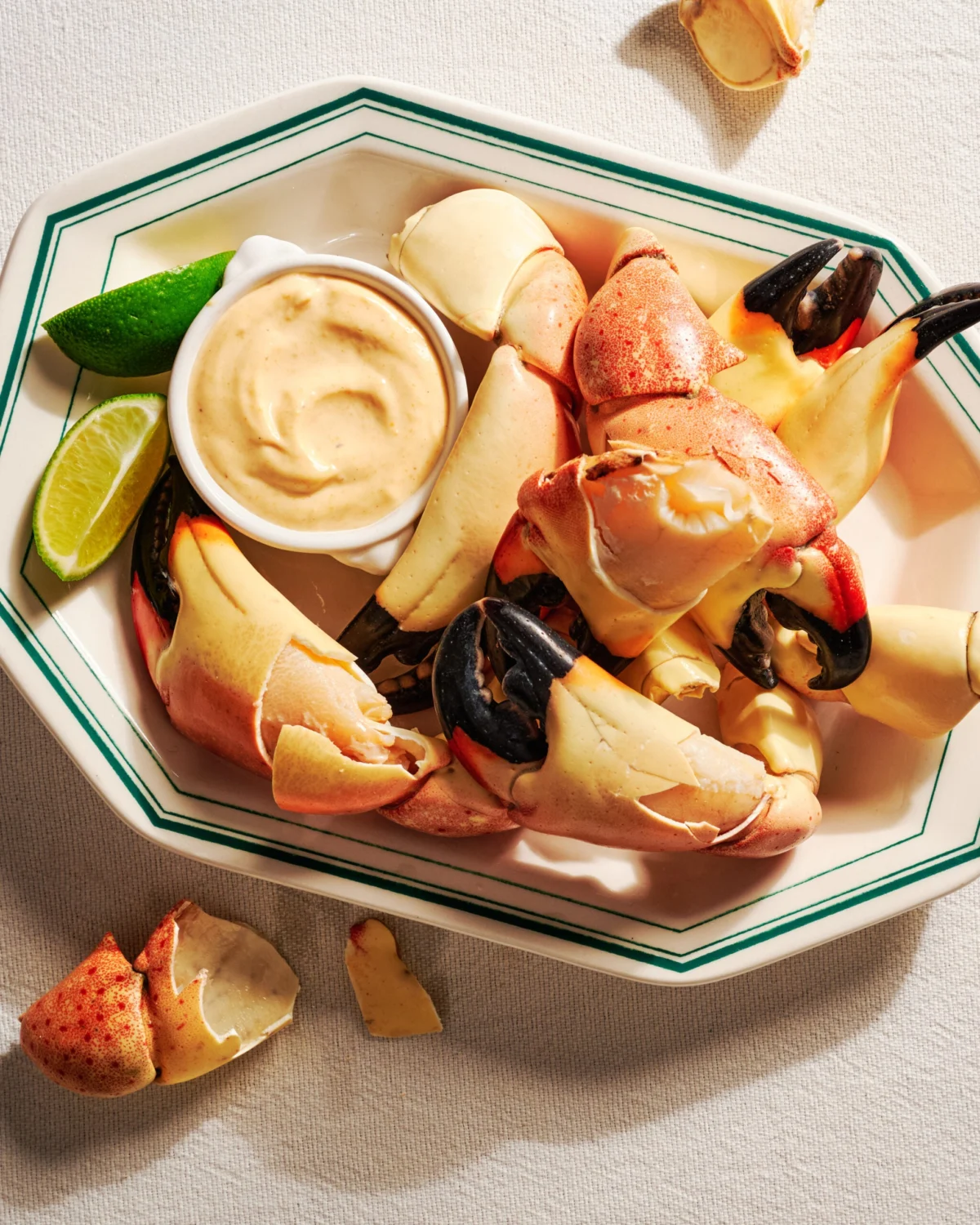
South Florida’s culinary landscape is undeniably shaped by the presence of the stone crab, a revered crustacean whose distinctive bright orange claws are a familiar sight in local fish markets and a centerpiece on restaurant tables. These crustaceans are not merely a delicacy; they represent a unique intersection of natural resource management, seasonal availability, and a cherished regional tradition. The sustainable harvesting practice, where only one claw is taken from each crab before it is returned to the ocean to regenerate, underscores the species’ protected status and the delicate balance required to ensure its continued abundance. This conservation-minded approach allows the stone crab to live out its natural lifespan, a testament to the commitment to preserving this valuable marine resource.
The meat of the stone crab is celebrated for its sweet, hearty flavor, making it an exceptional substitute for other types of picked crab meat in a variety of culinary applications. Its inherent richness and delicate texture mean that often, the simplest preparations are the most effective. Much like oysters, stone crab claws are frequently enjoyed with minimal adornment, allowing their natural sweetness to shine through, perhaps with a simple dipping sauce or a touch of melted butter. For those outside of Florida, the unique taste of stone crab is increasingly accessible. Specialized purveyors now offer these prized crustaceans online, ensuring that their distinctive flavor can be shipped on ice to seafood enthusiasts across the United States, extending their reach far beyond the Sunshine State’s coastline.

A Glimpse into Culinary Traditions
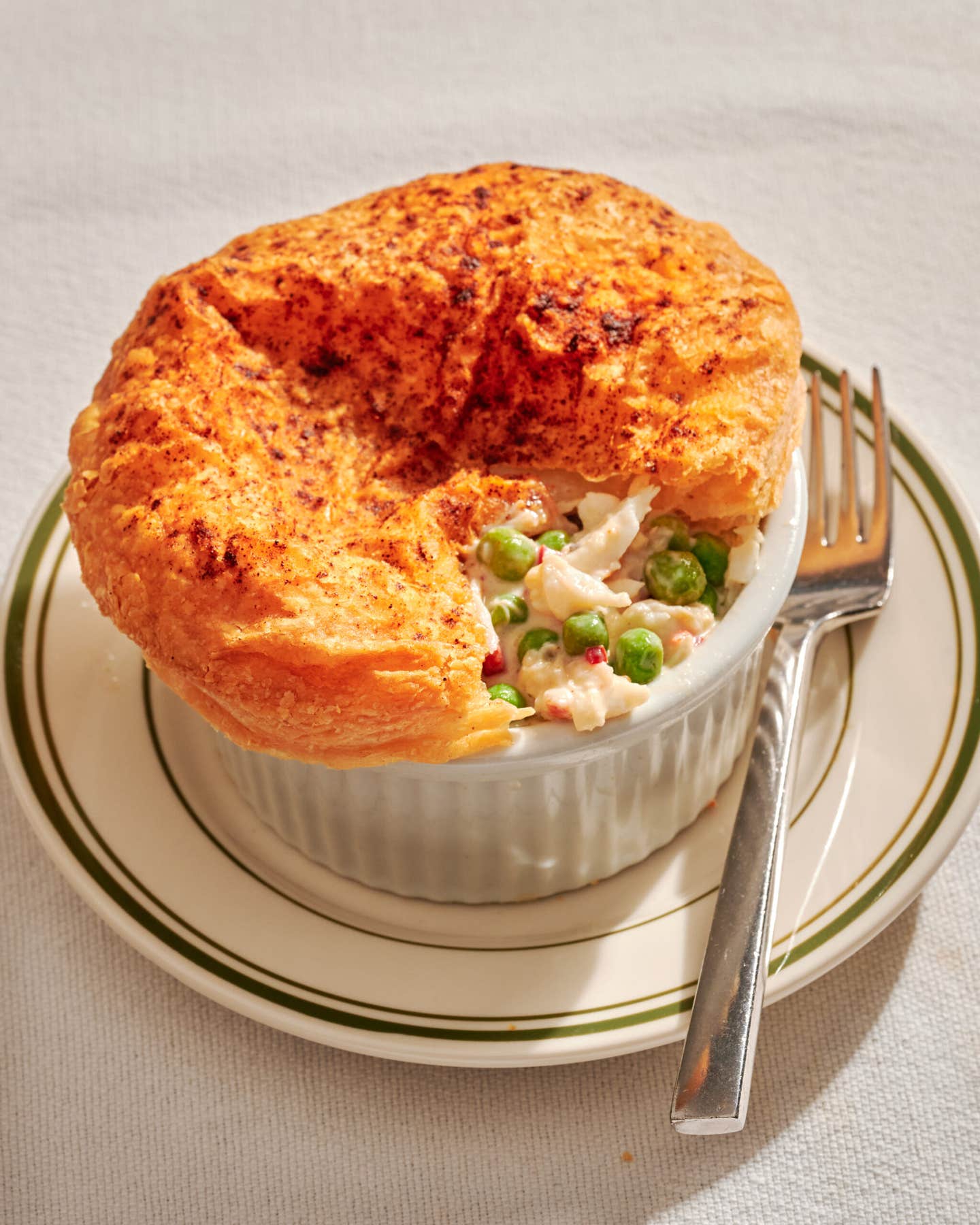
The culinary significance of the stone crab is deeply woven into the fabric of South Florida’s dining culture. Iconic establishments have built their reputations on serving these exquisite specimens, and their preparation often reflects a deep understanding of how to best showcase the crab’s delicate flavor. One such celebrated dish, originating from the legendary Miami seafood restaurant, Joe’s Stone Crab, is a comforting Crab Pot Pie. This dish features sweet crabmeat and tender vegetables enveloped in a rich, creamy sauce, all encased in a flaky puff pastry. The pie exemplifies the rich, savory potential of stone crab, transforming it into a hearty and elegant meal that has become a staple for many.
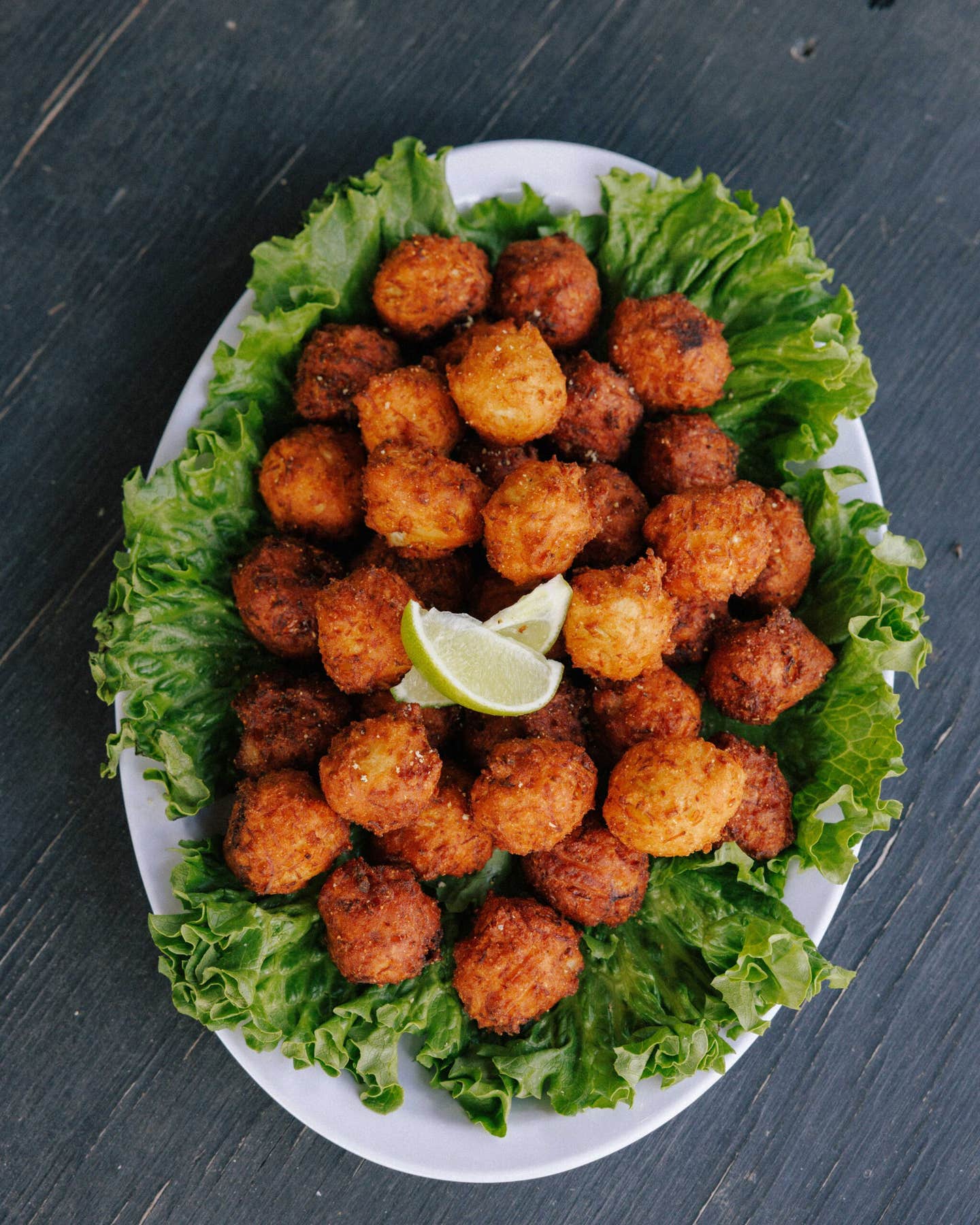
Beyond the classic preparations, the versatility of stone crab allows for innovative culinary explorations. A regional Everglades classic, for instance, incorporates picked stone crab meat with "swamp cabbage," the local term for hearts of palm. This combination is then battered and deep-fried, resulting in crispy, golden fritters that offer a delightful textural contrast and a unique flavor profile. This dish highlights the ability of stone crab to meld with other regional ingredients, creating a unique taste of the Florida landscape.
The global appeal of seafood, coupled with the distinctive character of stone crab, has also led to its incorporation into international culinary styles. Stone Crab Lumpia, a Filipino-inspired appetizer, showcases the tender crabmeat and crisp vegetables encased in delicate pastry wrappers, then fried to a perfect crisp. Served with a punchy chile-soy vinegar dipping sauce, these lumpia offer a sophisticated yet approachable way to enjoy the sweet crabmeat, blending local ingredients with a popular international format.
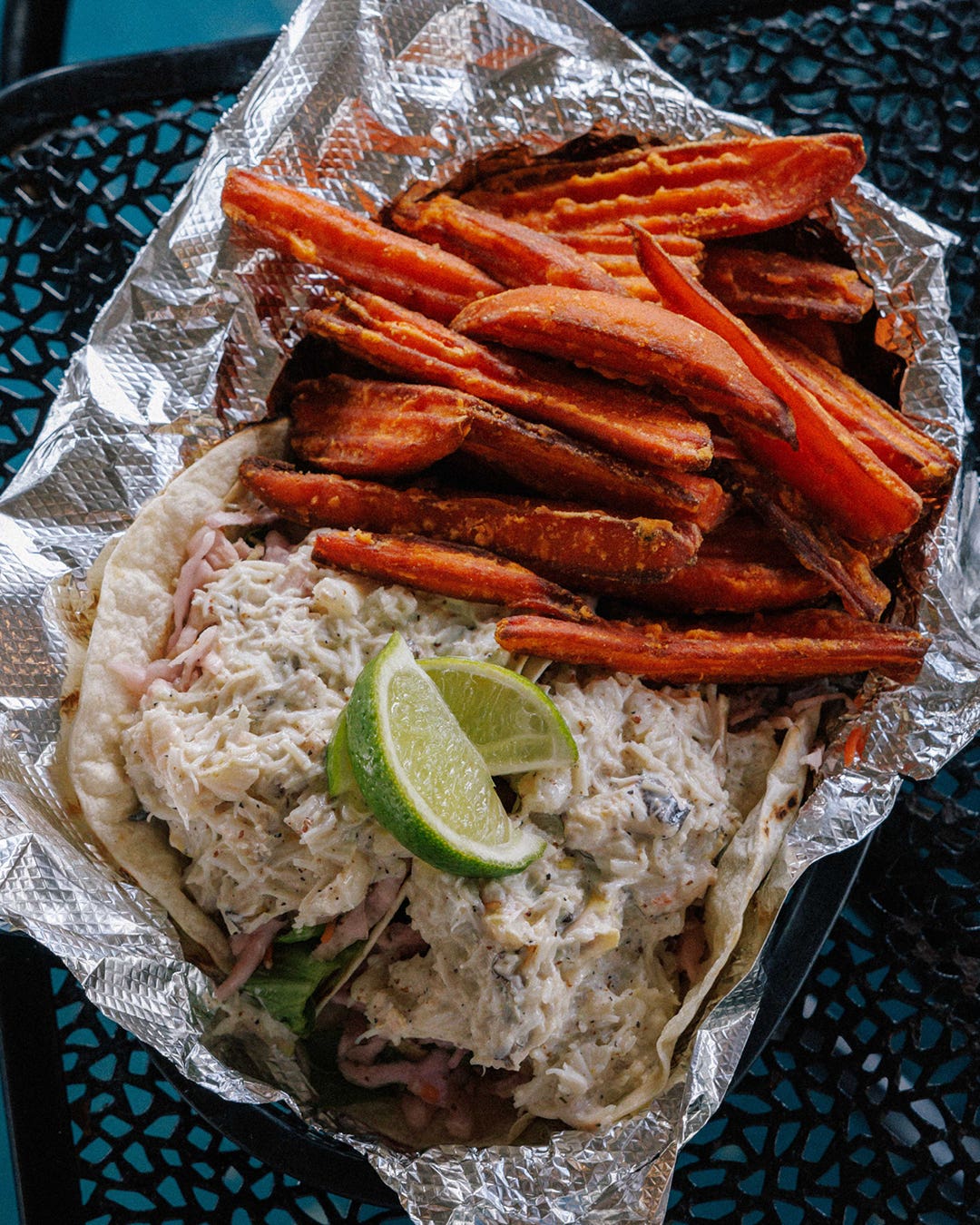
Further demonstrating the adaptability of this prized crustacean, stone crab also finds its place in contemporary street food trends. Stone Crab Tacos, paired with a crisp cabbage-and-carrot slaw and nestled within soft tortillas, present a fresh and vibrant interpretation of the classic taco. This preparation accentuates the crab’s natural sweetness and provides a refreshing counterpoint with the crunchy slaw, creating a light yet satisfying dish.
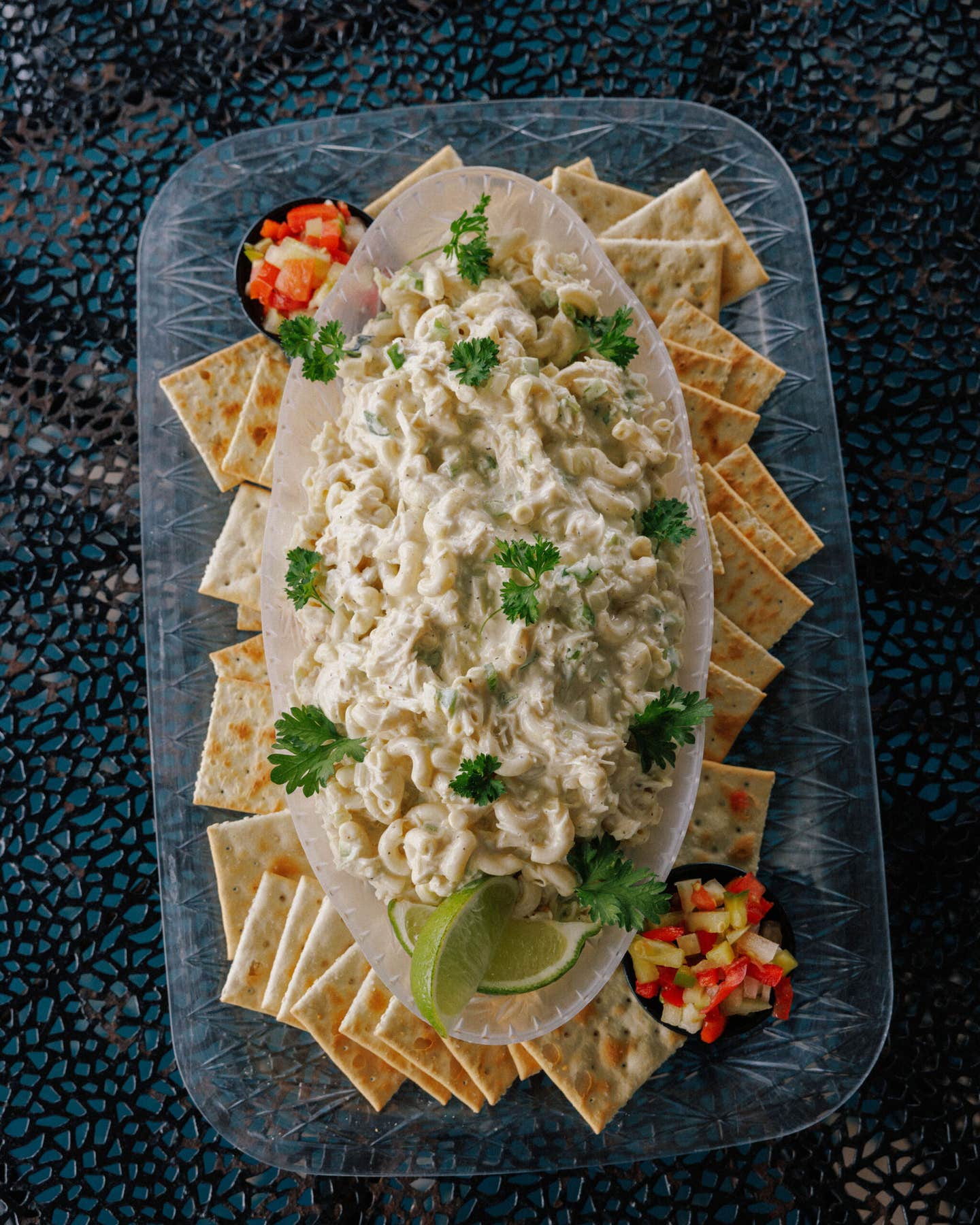
For gatherings and potlucks, stone crab can also elevate familiar comfort foods. A creamy Stone Crab Macaroni Salad, enhanced with a zesty local seasoning blend and crisp vegetables, transforms a picnic staple into a more refined and flavorful offering. This dish is ideal for larger groups, providing a crowd-pleasing option that still highlights the exquisite taste of the stone crab.
The Essential Accompaniment: Mustard Sauce
No discussion of stone crab in South Florida would be complete without mentioning the iconic mustard sauce, most famously associated with Joe’s Stone Crab. This creamy condiment, a harmonious blend of mayonnaise, mustard, Worcestershire sauce, and bottled steak sauce, provides a savory and tangy counterpoint that perfectly complements the sweetness of the crabmeat. It has become an indispensable accompaniment, a signature element that enhances the overall dining experience and is a testament to the simple yet profound ways flavors can be balanced to highlight a star ingredient.
A Look at the Fishery and Its Management
The stone crab fishery, primarily operating off the coasts of Florida and extending into the Gulf of Mexico, is a significant economic driver for coastal communities. The season typically runs from October 15th to May 1st, a carefully regulated period designed to protect the crabs during their molting and reproduction cycles. This limited availability contributes to the exclusivity and high demand for stone crab.
The sustainable harvesting method, known as "claw harvesting," is central to the fishery’s long-term viability. Fishermen carefully remove one claw from mature crabs, ensuring the animal’s survival. Studies have shown that stone crabs can regenerate lost claws within approximately one to two years, depending on the crab’s age and size. This regenerative capacity is a remarkable biological trait that underpins the sustainability of the fishery.
Data from the Florida Fish and Wildlife Conservation Commission (FWC) consistently shows fluctuations in the annual harvest, influenced by factors such as water temperature, ocean currents, and the overall health of crab populations. Despite these variations, the fishery has demonstrated resilience, largely due to the strict management practices in place. These include minimum claw size regulations, limits on the number of claws that can be harvested, and gear restrictions to minimize bycatch.

Economic and Cultural Impact
The stone crab industry represents more than just a seafood harvest; it is a vital part of Florida’s cultural heritage and economy. The demand for stone crab extends beyond the state’s borders, with significant shipments going to restaurants and consumers nationwide. This demand fuels a complex supply chain involving fishermen, processors, distributors, and restaurateurs, creating jobs and generating revenue throughout the season.
The economic implications of the stone crab fishery are substantial. While specific annual harvest values can fluctuate, the fishery typically contributes tens of millions of dollars to the state’s economy. The high market value of stone crab claws reflects their premium quality and the labor-intensive nature of their harvest and preparation.
Culturally, stone crab season is eagerly anticipated by both locals and tourists. It signifies a period of celebration and culinary indulgence, with many making annual pilgrimages to South Florida specifically to partake in this seasonal delicacy. The iconic imagery of stone crabs on dining tables has become synonymous with the quintessential South Florida dining experience, evoking images of sunshine, coastal breezes, and the vibrant flavors of the region.
Analysis of Implications and Future Outlook
The continued success of the stone crab fishery hinges on ongoing commitment to conservation and adaptive management. As climate change presents new challenges, including potential shifts in ocean temperatures and currents that could affect crab populations, robust scientific monitoring and research are crucial. The FWC and other regulatory bodies must remain vigilant, adapting quotas and regulations as necessary to ensure the long-term health of the stone crab resource.
Furthermore, the market for stone crab is influenced by global seafood trends and consumer preferences. While its appeal remains strong, diversification in marketing and continued emphasis on the sustainability of the harvest can help maintain its premium status. Educating consumers about the responsible practices employed in the fishery can foster greater appreciation and support for this unique Florida treasure.
The future of the stone crab industry also involves navigating the complexities of competition from other seafood options and the ever-present need to manage fishing pressure. The regenerative nature of the stone crab provides a significant advantage in terms of sustainability, but it is not an inexhaustible resource. Continued investment in research to better understand population dynamics, reproductive success, and the impacts of environmental changes will be paramount.
In conclusion, the stone crab is far more than just a seasonal seafood offering; it is a symbol of South Florida’s rich culinary identity, a testament to successful sustainable fishery management, and a vital economic contributor. Its unique harvesting method, celebrated flavor, and cultural significance ensure its enduring place as a prized delicacy, both within Florida and across the nation. The ongoing dedication to preserving this extraordinary crustacean will undoubtedly allow future generations to continue to savor its distinct taste and appreciate the delicate ecosystem that sustains it.