admin
admin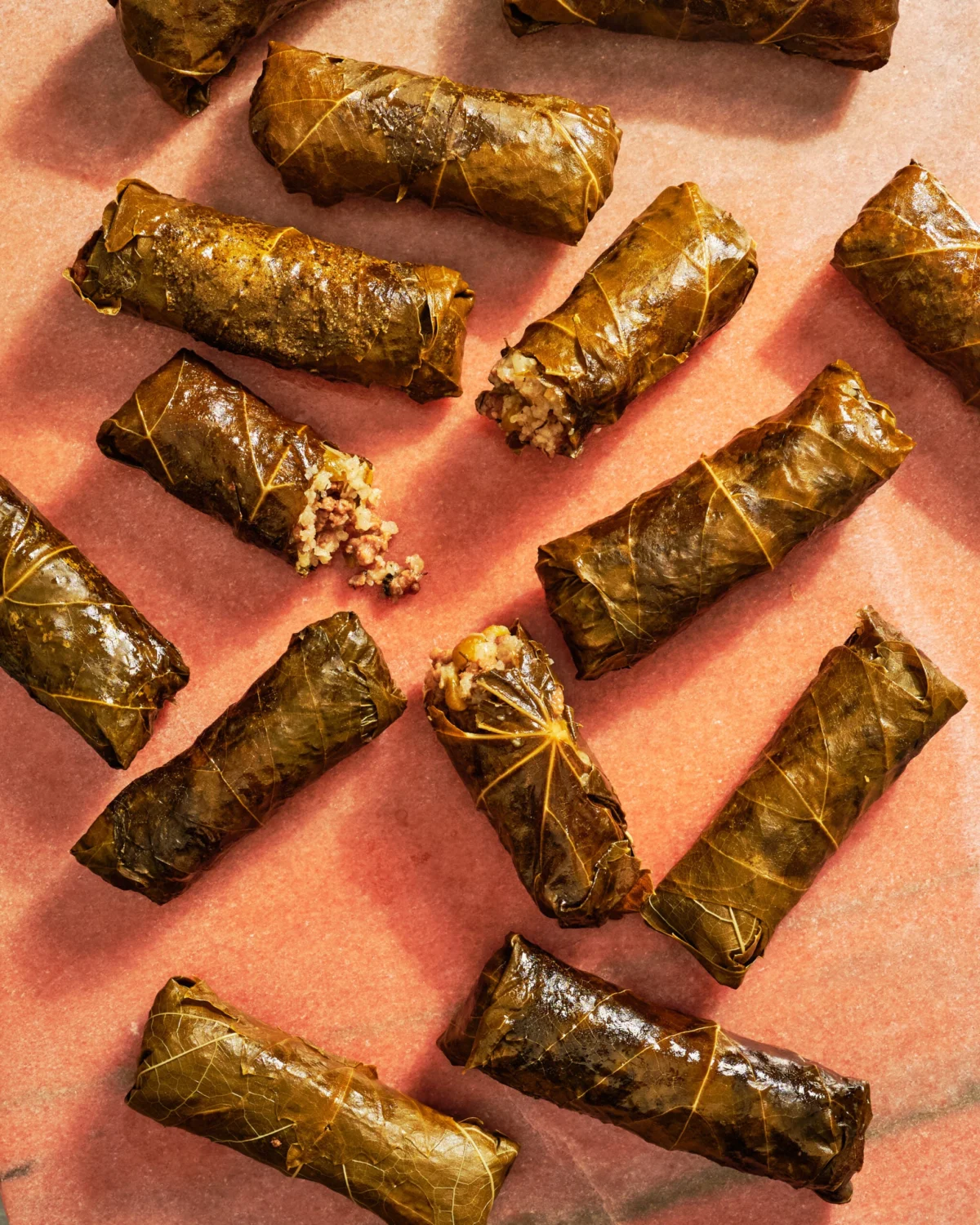
The delicate art of crafting dolmeh, a beloved Middle Eastern dish, transcends mere cooking; it is an intricate dance of flavors and textures, a testament to generations of culinary heritage. This article delves into the meticulous process of preparing dolmeh, exploring the significance of each step, the historical context of this versatile dish, and the communal spirit it often embodies. While the provided recipe offers a foundational guide, understanding the nuances and potential variations elevates the experience from a simple meal to a cultural immersion.
The Foundation: Crafting the Flavorful Filling
The heart of any exceptional dolmeh lies in its filling. The process begins with building a robust aromatic base. A generous glug of oil, heated until shimmering in a large pot over medium-high heat, signals the commencement of this flavorful journey. Into this, finely diced onion, minced garlic, and thinly sliced scallions are introduced. These alliums, sautéed for approximately four minutes, release their sweet and pungent essences, creating a fragrant foundation that permeates the entire dish. This initial sautéing is crucial; it softens the vegetables, mellows their raw bite, and unlocks their inherent sweetness, setting the stage for the subsequent ingredients.
The addition of ground beef marks a pivotal moment in the filling’s development. As the beef is introduced, the cook’s attention shifts to breaking it down with a wooden spoon, ensuring even cooking and a desirable texture. This browning process, typically lasting another four minutes, develops a rich, savory depth. The Maillard reaction, a complex chemical process responsible for the browning of food, creates hundreds of new flavor compounds, contributing significantly to the overall taste profile of the dolmeh.
Following the browning of the beef, a symphony of herbs and spices joins the mix. Fresh dill and tarragon, known for their distinct, bright, and slightly anise-like notes, are stirred in. The inclusion of saffron, the world’s most expensive spice by weight, is a hallmark of many traditional dolmeh recipes. Its subtle, earthy aroma and vibrant golden hue impart an unparalleled elegance and a distinct flavor that is both luxurious and deeply comforting. The mixture is then seasoned judiciously with salt and freshly ground black pepper, allowing the cook to fine-tune the taste according to their preference. This stage of seasoning is critical, as it balances the richness of the beef and the aromatics, ensuring a harmonious flavor profile.
The incorporation of rice and peas signifies a shift towards the textural components of the filling. The rice, typically a medium-grain variety, absorbs the savory juices from the beef and the aromatic broth, becoming tender and slightly sticky. Peas add a pop of sweetness and a pleasing textural contrast. Two cups of water are added, and the pot is covered, allowing the rice to cook and absorb the liquid. This slow simmering process, lasting between 35 and 45 minutes, ensures the rice is fully cooked and the flavors have melded beautifully. The gentle heat allows the ingredients to meld, creating a cohesive and deeply flavorful filling.
Once the water is fully absorbed, the pot is removed from the heat. The final touches involve stirring in fresh parsley, which provides a burst of herbaceous freshness, and a hint of cinnamon. While cinnamon might seem an unusual addition to a savory dish, in many Middle Eastern cuisines, it is used to add warmth and a subtle complexity that complements the savory elements without overpowering them. This interplay of sweet and savory, aromatic and herbaceous, is what defines the soul of a well-crafted dolmeh filling.
The Art of Encapsulation: Wrapping the Dolmeh
The meticulous process of wrapping dolmeh is where the true artistry of this dish is revealed. Each grape leaf, a delicate vessel, is handled with care. The recipe suggests working with one leaf at a time, flattening it to create a smooth surface. A crucial element here is the preparation of the grape leaves. Traditionally, fresh grape leaves are used, which are often blanched or brined to soften them and remove any potential bitterness. If using jarred grape leaves, they should be rinsed thoroughly to remove excess salt.
Approximately two tablespoons of the prepared rice mixture are placed in the center of the flattened grape leaf. The exact amount of filling is a matter of personal preference and leaf size, but a consistent portion ensures even cooking and uniform dolmeh. The wrapping technique itself is a learned skill. The bottom of the leaf is folded over the filling, effectively creating a base. Then, the sides of the leaf are folded inwards, creating neat edges. Finally, the entire package is rolled into a tight cylinder. This rolling technique is paramount; a tight roll prevents the filling from escaping during the cooking process and results in aesthetically pleasing dolmeh. The aim is to create a compact, uniform parcel that will hold its shape and allow the flavors to infuse beautifully.
This wrapping process can be time-consuming, often transforming a cooking session into a communal activity. Families and friends frequently gather, with each person contributing to the wrapping, fostering a sense of shared effort and culinary tradition. The rhythmic motion of folding and rolling becomes a meditative practice, a tangible connection to ancestral recipes and shared memories.
The Gentle Transformation: Cooking and Maturation
The final stage involves the gentle cooking of the meticulously wrapped dolmeh. A large pot serves as the vessel for this transformation. To prevent the dolmeh from sticking and to impart an extra layer of flavor, extra grape leaves are often placed over the bottom of the pot. This protective layer acts as a barrier, ensuring the dolmeh cook evenly and absorb subtle herbaceous notes from the leaves themselves.
The dolmeh are then tightly layered on top of these protective leaves, seam-side down. This tight packing helps them maintain their shape during the cooking process. The cooking liquid is a simple yet crucial element: a mixture of fresh lemon juice and sugar. The lemon juice provides a bright, acidic counterpoint to the richness of the filling, while the sugar balances the tartness and helps to caramelize the exterior of the dolmeh, adding a subtle sweetness and depth. This mixture is poured over the dolmeh, ensuring each parcel is coated.
The pot is then covered tightly, and the dolmeh are cooked over medium-low heat for approximately 45 minutes. This low and slow cooking method allows the flavors to meld, the rice to fully absorb the cooking liquid, and the grape leaves to become tender. The gentle simmering ensures that the delicate dolmeh do not break apart and that the filling is cooked through without becoming dry.
The recipe emphasizes the importance of allowing the dolmeh to cool before serving, preferably in the refrigerator for at least 4 hours, or even up to 5 days. This resting period is not merely a suggestion; it is a vital step in allowing the flavors to fully develop and the dolmeh to firm up. As the dolmeh cool, the complex aromas and tastes continue to meld, creating a more profound and satisfying culinary experience. The chill in the refrigerator allows the fats to solidify slightly, making the dolmeh easier to handle and serve, and enhancing their refreshing quality.
Historical and Cultural Significance
Dolmeh, in its various forms, boasts a rich history that spans across the Middle East, the Balkans, and Central Asia. Its origins are often traced back to Persia, where stuffed vegetables have been a staple for centuries. The word "dolmeh" itself is derived from the Persian word "dolmeh kardan," meaning "to stuff." Over time, the dish evolved, with regional variations incorporating different vegetables, grains, and spices.
The use of grape leaves as a wrapping is particularly significant. Grapevines are indigenous to the regions where dolmeh is popular, and their leaves offer a readily available, flavorful, and pliable casing. The practice of stuffing vegetables, whether with rice and herbs, meat, or a combination thereof, is a resourceful way of utilizing seasonal produce and creating hearty, satisfying meals.
Dolmeh is more than just a dish; it is often a symbol of hospitality and celebration. It is frequently prepared for special occasions, family gatherings, and religious holidays. The communal effort involved in its preparation further solidifies its role as a dish that brings people together. The act of making dolmeh can be a cherished ritual, passed down through generations, connecting younger family members to their heritage and culinary traditions.
Variations and Adaptations
While this article focuses on a specific recipe, the world of dolmeh is vast and diverse. Variations abound, reflecting the unique culinary landscapes of different regions. Some dolmeh recipes are entirely vegetarian, utilizing a medley of finely chopped vegetables like zucchini, eggplant, peppers, and tomatoes as the primary casing, stuffed with rice, herbs, and spices. Others might feature a more prominent role for lentils or bulgur in the filling, offering a different textural and nutritional profile.
The choice of herbs and spices can also vary dramatically. While dill, tarragon, and saffron are common in many recipes, others might incorporate mint, parsley, cilantro, sumac, or even a touch of turmeric. The acidity in the cooking liquid can come from pomegranate molasses, tamarind, or a combination of vinegars and citrus. The sweetness might be derived from honey or dried fruits like raisins or apricots.
The concept of "dolmeh" can also extend beyond grape leaves. In many cultures, other vegetables are stuffed, leading to dishes like "dolmeh bademjan" (stuffed eggplant) or "dolmeh kalam" (stuffed cabbage). These adaptations demonstrate the inherent flexibility and adaptability of the dolmeh concept, allowing it to be integrated into diverse dietary needs and flavor preferences.
The Enduring Appeal
The enduring appeal of dolmeh lies in its ability to be both comforting and sophisticated. It is a dish that can be enjoyed as a light appetizer or a substantial main course. The delicate balance of savory, sweet, and tangy flavors, combined with the tender texture of the grape leaves and the satisfying heartiness of the filling, creates a truly memorable culinary experience.
In a world increasingly dominated by fast-paced food trends, the meticulous preparation and the deep-rooted tradition associated with dolmeh offer a welcome respite. It is a dish that encourages mindfulness, patience, and a connection to the past. Whether prepared for a festive feast or a quiet family dinner, dolmeh remains a testament to the power of simple ingredients transformed through skillful hands and a rich cultural heritage. The journey from raw ingredients to perfectly formed parcels, culminating in a flavorful and nourishing meal, is a culinary narrative that continues to captivate and delight.