admin
admin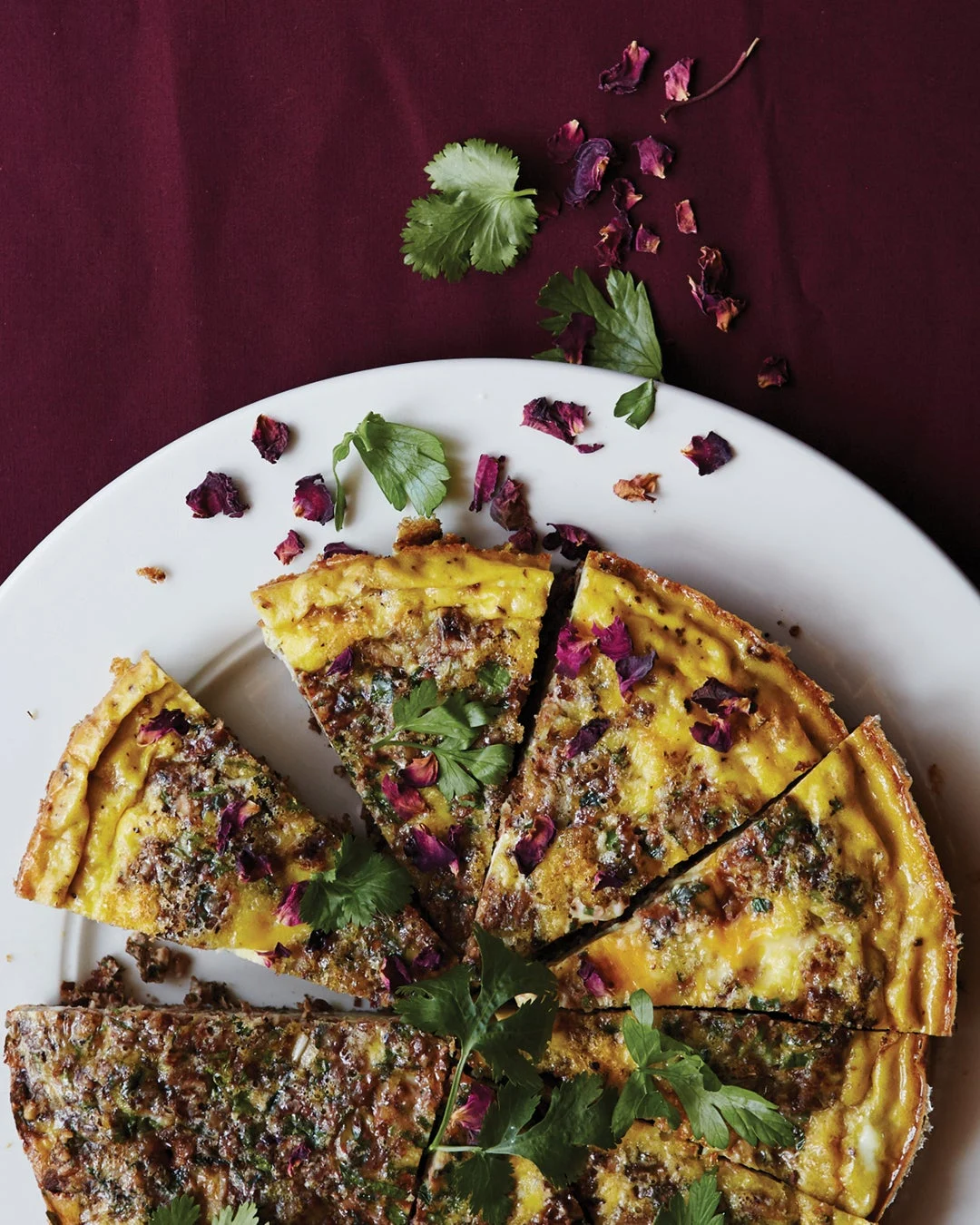
The vibrant aroma of fresh herbs, toasted walnuts, and the subtle floral notes of dried rose petals heralds a culinary tradition deeply rooted in Persian culture. Kuku Sabzi, a baked egg dish often described as a Persian herb frittata, is more than just a meal; it is a significant symbol of renewal and prosperity, particularly during Nowruz, the Persian New Year. This esteemed dish, as exemplified by a recipe from chef and cookbook author Louisa Shafia, brings together a wealth of fragrant greens, creating a simple yet remarkably elegant offering that can be enjoyed warm or at room temperature.
The Significance of Herbs in Persian Cuisine
Green herbs are not merely ingredients in Iranian cooking; they are revered elements that infuse dishes with both flavor and symbolic meaning. Their abundance and freshness are intrinsically linked to the concept of growth, vitality, and the reawakening of nature. This reverence reaches its zenith during Nowruz, a celebration that marks the vernal equinox and the beginning of spring. As the earth sheds its winter slumber and bursts forth with new life, so too do Persian tables bloom with dishes that highlight the season’s verdant bounty. Kuku Sabzi stands as a prime example of this culinary philosophy, its very name translating to "vegetable omelet" or "herb omelet," underscoring the centrality of its herbaceous components.
A Modern Interpretation of an Ancient Dish
While the origins of kuku date back centuries, possibly even to ancient Persia, the modern iteration, particularly the version popularized by Louisa Shafia, showcases a refined balance of flavors and textures. Shafia’s recipe, as detailed in her culinary works, elevates the humble frittata with a generous inclusion of cilantro and parsley, two of the most prevalent herbs in Persian cuisine. The addition of toasted walnuts not only provides a delightful crunch but also contributes a rich, nutty depth. The inclusion of dried rose petals, a fragrant and historically significant ingredient in Persian culinary arts, adds a delicate floral perfume that is both unexpected and enchanting. This thoughtful combination transforms a simple egg dish into a complex and aromatic experience.
Nowruz: A Celebration of Spring and Renewal
Nowruz, celebrated on the vernal equinox, typically falling around March 20th or 21st, is the most important holiday in Iran and among Persian communities worldwide. Its origins are ancient, predating the advent of Islam, and are deeply intertwined with Zoroastrian traditions. The holiday signifies the triumph of good over evil, light over darkness, and the cyclical renewal of life. A central tradition of Nowruz is the Haft-Seen (pronounced "Haft Seen"), a table setting of seven symbolic items, each beginning with the Persian letter "seen" (س). These items represent different aspects of life and wishes for the coming year, including rebirth, health, wealth, and prosperity.
Dishes featuring fresh herbs, like kuku sabzi, are integral to the Nowruz table, often appearing as part of the larger spread of celebratory foods. The abundance of green in these dishes visually represents the new growth and fertility associated with spring. The preparation of these foods is often a communal activity, bringing families together in the weeks leading up to the new year, fostering a sense of togetherness and shared anticipation. The traditional timeframe for Nowruz celebrations extends for thirteen days, culminating in "Sizdah Bedar," an outdoor picnic day where families leave their homes to enjoy nature, symbolically casting away any misfortune and embracing the blessings of the new year.
The Culinary Craftsmanship of Kuku Sabzi
The preparation of kuku sabzi, while seemingly straightforward, involves a nuanced approach to maximize flavor and texture. The process, as outlined in Shafia’s recipe, begins with toasting the aromatics and textural elements.
Step 1: Building the Flavor Base
The foundation of this kuku begins in a medium-sized, nonstick, heatproof skillet. Over medium heat, a touch of oil is warmed. This is where the walnuts, dried rose petals, and garlic are introduced. The gentle heat coaxes out their fragrant oils, a process that typically takes around four minutes. The walnuts toast to a golden hue, releasing their earthy aroma, while the garlic becomes softened and pungent. The rose petals, delicate as they are, infuse the oil with their subtle perfume, a scent that hints at the dish’s sophisticated character.
Step 2: Incorporating the Greens
Following the initial toasting, the vibrant green herbs – cilantro, parsley, and scallions – are stirred into the skillet. The heat continues to wilt these fresh ingredients, softening them and melding their flavors with the toasted nuts and aromatics. This stage, lasting approximately two more minutes, ensures that the herbs are tender but not overcooked, retaining their bright color and fresh essence.
Step 3: The Egg Embrace
The heart of any frittata is, of course, the eggs. Once the herb mixture is prepared, the eggs are poured into the skillet. Seasoned generously with salt and freshly ground black pepper, they are allowed to set. The dish is then transferred to a preheated oven, set at 350°F (175°C), with a rack positioned in the center. The baking process, which takes about fifteen minutes, allows the eggs to cook through, forming a cohesive and tender frittata that springs back lightly when touched.
Serving and Enjoyment
The versatility of kuku sabzi is a key aspect of its appeal. It can be served immediately after baking, while still warm, allowing the delicate flavors to be at their most vibrant. Alternatively, it can be cooled to room temperature, at which point its flavors tend to deepen and meld further, making it an equally delightful option for picnics, packed lunches, or as part of a larger mezze spread. The visual appeal, with its mosaic of green herbs and flecks of toasted walnut, makes it a striking addition to any table. It is commonly served in wedges, often accompanied by a side of yogurt, fresh bread, and seasonal vegetables.
Broader Impact and Cultural Resonance
The enduring popularity of kuku sabzi speaks volumes about its place in Persian culinary heritage. Beyond its immediate appeal as a delicious dish, it serves as a tangible link to cultural traditions and a celebration of nature’s bounty. In a world increasingly focused on sustainability and the appreciation of fresh, seasonal ingredients, kuku sabzi stands as a timeless example of how to honor these principles through food. The inclusion of ingredients like rose petals also highlights a historical connection to the use of edible flowers and aromatics in Persian cuisine, a practice that has seen a resurgence in contemporary gastronomy.
The global dissemination of Persian culture through food means that dishes like kuku sabzi are increasingly being discovered and appreciated by a wider audience. As individuals seek to explore diverse culinary landscapes, the unique flavors and cultural narratives embedded in dishes like this herb frittata offer an enriching experience. The recipe, shared by figures like Louisa Shafia, acts as a bridge, allowing those unfamiliar with Persian cuisine to engage with its rich tapestry of flavors and traditions in an accessible and delicious way.
The implications of such culinary traditions extend beyond the dining table. They foster a sense of cultural identity and continuity, particularly for diaspora communities who maintain these practices as a way to connect with their heritage. Furthermore, the emphasis on fresh, locally sourced ingredients, a hallmark of traditional Persian cooking, aligns with contemporary trends in healthy eating and mindful consumption. Kuku sabzi, in its elegant simplicity and profound cultural significance, thus represents a delicious intersection of past and present, tradition and innovation, and the enduring power of food to connect us to our roots and to each other.