admin
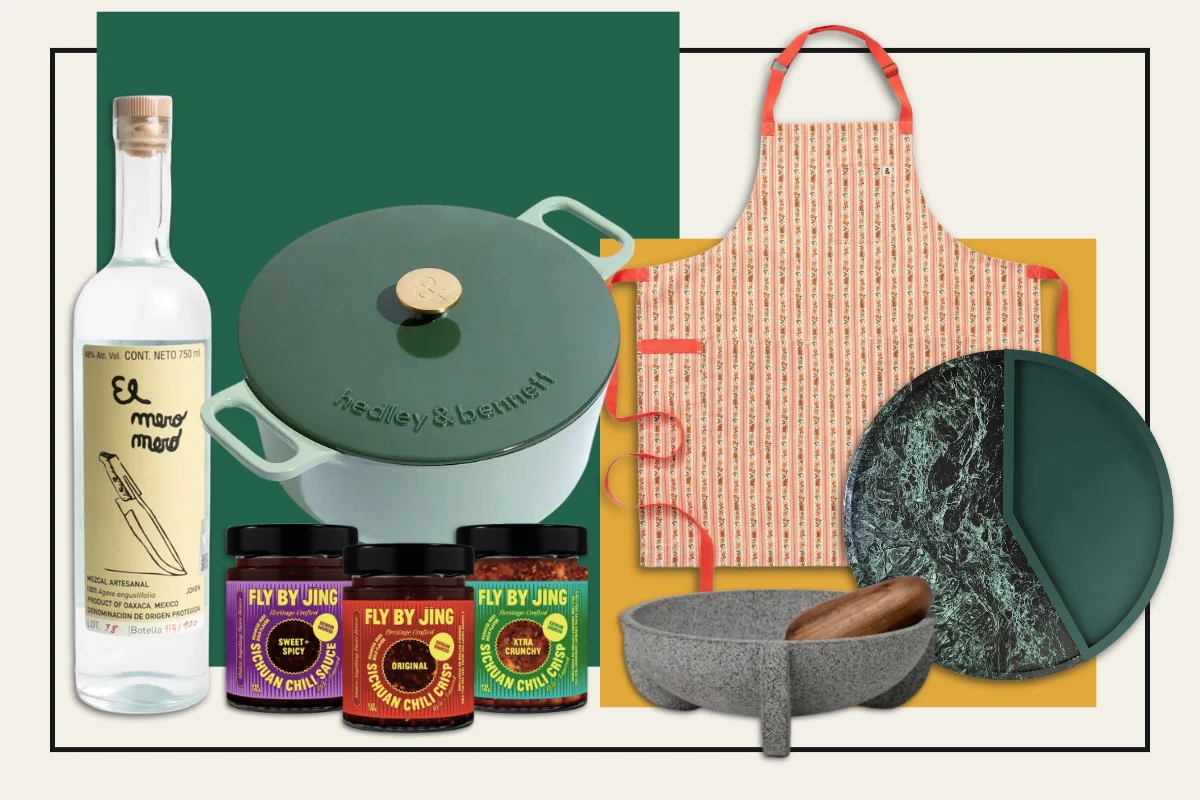
The holiday season of 2024 marks a significant shift in the luxury and artisanal kitchenware markets, as consumers increasingly prioritize provenance, material integrity, and the "story" behind their culinary tools. As the global home cooking market continues its post-pandemic evolution—projected by some analysts to maintain a steady compound annual growth rate as more households invest in high-end "prosumer" equipment—the demand for gifts that blend utility with heritage has reached a new peak. This year’s selections reflect a broader movement toward "slow design," where the value of an object is measured not just by its function, but by the traditions it preserves and the sensory experiences it facilitates.
From the volcanic soils of Mexico to the rugged coastlines of Norway, the current landscape of culinary gifting is defined by a global exchange of ideas. Designers are no longer simply creating tools; they are curating cultural artifacts that serve as conversation pieces. This trend is exemplified by a range of products that include hand-built Oaxacan pottery, precision-engineered spice grinders, and sustainably harvested marine ingredients, all of which represent a departure from the mass-produced kitchenware of previous decades.
Heritage Craftsmanship and the Mexican Design Renaissance
A focal point of this year’s artisanal market is the continued emergence of Mexican craftsmanship in the global design consciousness. The Oaxacan Clay Mezcal Set, produced by the artisan Francisco for the design brand Obakki, serves as a primary example of how traditional techniques are being adapted for modern luxury markets. Francisco’s process involves hand-building clay vessels and finishing them with copal and tobacco, elements he grows himself. This method creates a distinctive smoky black finish that cannot be replicated by industrial means.

The integration of natural elements—specifically the use of minerals from local mines to produce cream, orange, and aqua hues—highlights a growing consumer interest in "terroir" as applied to design. Market analysts note that brands like Obakki, which emphasize direct-to-artisan partnerships, are tapping into a demographic that values transparency and social impact. The set, which includes a carafe, platter, and specialized cups, is often paired with high-proof spirits like El Mero Mero Espadín, a 48% ABV mezcal that reflects the herbal and smoky profiles traditional to the region.
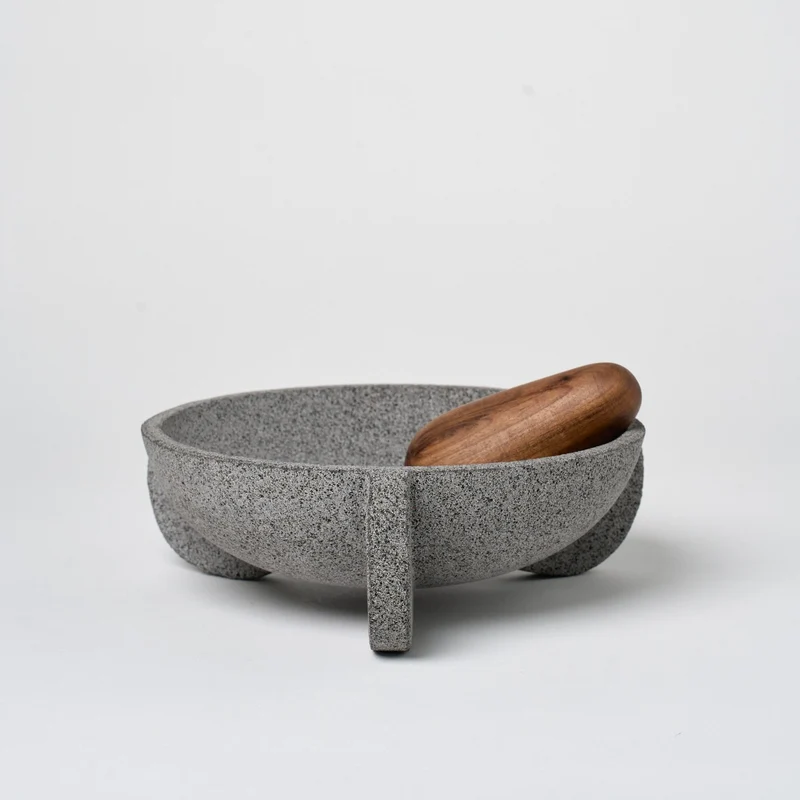
Complementing this ceramic work is the Tecali Mortar and Pestle, a tool that bridges the gap between ancient preparation methods and contemporary aesthetics. Carved from solid Mexican lava rock, the nine-pound vessel utilizes the rough, porous surface of traditional molcajetes to achieve superior friction in grinding. Designed by Karim Molina and produced by a Mexico City-based collective, the piece represents a strategic collaboration between woodworkers from Veracruz and stone carvers from Puebla. This cross-regional synergy is a hallmark of the modern Mexican design movement, which seeks to preserve indigenous skills while ensuring they meet the quality standards of international collectors.
The Professionalization of the Home Kitchen
The boundary between professional culinary environments and domestic kitchens continues to blur, a trend driven by the success of brands like Hedley & Bennett. Founded by former line cook Ellen Marie Bennett, the company has transitioned from a specialized apron manufacturer to a comprehensive lifestyle brand. The launch of their first cookware collection in 2024 marks a significant milestone in this expansion.
The collection utilizes five-ply stainless steel and enameled cast iron, materials traditionally reserved for high-volume restaurant use due to their superior heat retention and durability. By offering these products in a range of "designer" colors such as Shiso Green and Enoki White, Hedley & Bennett is targeting the "aesthetic cook"—a consumer segment that views the kitchen as both a laboratory and a gallery. Industry data suggests that the "premium cookware" segment has seen a 15% increase in interest over the last two years, as home cooks seek to replicate professional results.

This professionalization also extends to specialized equipment like the Loka Chai Maker. A 2025 Red Dot Award winner, the device addresses the technical challenges of traditional chai preparation—specifically the tendency for milk-based liquids to boil over. By incorporating a "Chai Fountain" that facilitates circulation and a built-in strainer for whole spices, Loka has modernized a ritual that is centuries old. The device’s compatibility with induction cooktops reflects the industry’s move toward electrification and energy efficiency in the kitchen.
Material Innovation and the Science of Flavor
In the realm of food service and presentation, material science is playing an increasingly important role. Borosilicate glass, favored for its resistance to thermal shock and its clarity, has been utilized by Holcomb Studio to create the "Float Condiment Container." The design, which uses an inner and outer wall to create a visual suspension of the contents, reflects a minimalist aesthetic that has become popular in modern urban households.

Similarly, the use of stainless steel in serveware is seeing a resurgence, as evidenced by the Ice Cream Cup 02 from Service Projects. This material choice is not merely aesthetic; stainless steel’s ability to retain cold temperatures makes it an ideal vessel for frozen desserts. The pairing of these functional forms with Art Deco-inspired "Canteen" spoons suggests a return to formal dining traditions, albeit with a modern, industrial edge.
The precision of flavor delivery is also being revolutionized through mechanical engineering. The Piper Oudo Pepper Grinder, for instance, utilizes a stainless steel conical burr—a mechanism more commonly found in high-end coffee grinders—to ensure a consistent grind size. This focus on "grind geometry" allows for the release of specific volatile oils in spices like Kampot peppercorns, which are known for their complex notes of eucalyptus and red berry. Such technical specifications are becoming key selling points for a new generation of "spec-heavy" consumers who approach cooking with a scientific rigor.

The Global Pantry and Sustainable Luxury
As global supply chains become more sophisticated, the "specialty pantry" has emerged as a high-growth category in the gift market. New York-based SOS Chefs has pioneered the "Destination" kit, which curates hard-to-find ingredients from specific culinary hubs like Beirut or Tokyo. These kits serve as a low-barrier entry point for home cooks to explore international flavors, providing the "starter kit" for complex cuisines.
A significant sub-trend within this category is the rise of the "chili crisp" and alternative condiments. Fly By Jing, a brand that has seen meteoric growth since its inception, has normalized the presence of Sichuan flavors in mainstream Western pantries. Their "Triple Threat" gift sets capitalize on the consumer’s desire for varied heat profiles and textures, moving beyond basic hot sauces into more complex, umami-rich toppings.

Sustainability is also a driving force in the luxury food sector. Lofoten Seaweed, a Norwegian enterprise, has successfully positioned "algae pearls"—a plant-based caviar alternative made from smoked wakame—as a gourmet item. By leveraging the "blue economy" and harvesting wild seaweed, the brand appeals to environmentally conscious consumers. The product’s ability to maintain its structural integrity when heated makes it a versatile tool for chefs, further signaling the move toward sustainable, nutrient-dense "foods of the future."
Aesthetic Maintenance and the "Chic" Utility Movement
Even the most utilitarian aspects of the kitchen, such as cleaning and organization, are undergoing a design overhaul. The "Orb Sponge" by Orb Clean and the "Golda Sphere Soap" from Supple Apothecary represent a move toward "aesthetic maintenance," where cleaning tools are designed to be displayed rather than hidden under the sink.

The Orb Sponge, with its non-scratch, odor-resistant properties and sculptural drying base, treats a common household item as a piece of functional art. When paired with soaps infused with Aomori hiba oil—a Japanese cedar known for its antimicrobial properties—these items transform the act of cleaning into a sensory ritual. This "beautification of the mundane" is a strategic response to the open-plan kitchen trend, where every surface and object is visible to guests.
Broader Impact and Market Outlook
The 2024 holiday season reveals a culinary market that is increasingly fragmented yet highly sophisticated. The success of these diverse products—from $15 tasting spoons to $500 cookware sets—indicates that "value" in the kitchen is now defined by a combination of technical performance, aesthetic appeal, and cultural narrative.

As we look toward 2025, the implications of these trends are clear. The home kitchen has become a primary site for cultural expression and personal investment. Brands that can successfully narrate their origins, demonstrate material superiority, and offer a bridge to global traditions are likely to dominate the market. For the consumer, this means the kitchen is no longer just a place for food preparation, but a curated space where design, science, and history converge around the table. The "best gifts" of the season are those that recognize this shift, offering not just a tool, but an entry point into a deeper culinary experience.