admin
The intersection of high-altitude recreation and contemporary fine art has reached a new pinnacle at Powder Mountain, Utah, where the Powder Art Foundation has unveiled a significant expansion of its permanent outdoor collection. Spanning 8,000 acres within the Wasatch Mountain Range, this initiative represents a radical departure from traditional gallery environments, offering a "skiable museum" experience that integrates large-scale installations directly into the alpine topography. Established in 2024 through a strategic partnership with the New York-based Dia Art Foundation, the Powder Art Foundation seeks to redefine the viewer’s relationship with art by placing monumental works by globally recognized artists—including Jenny Holzer, Rose Wylie, and Xu Zhen—within the unpredictable elements of the Utah wilderness.
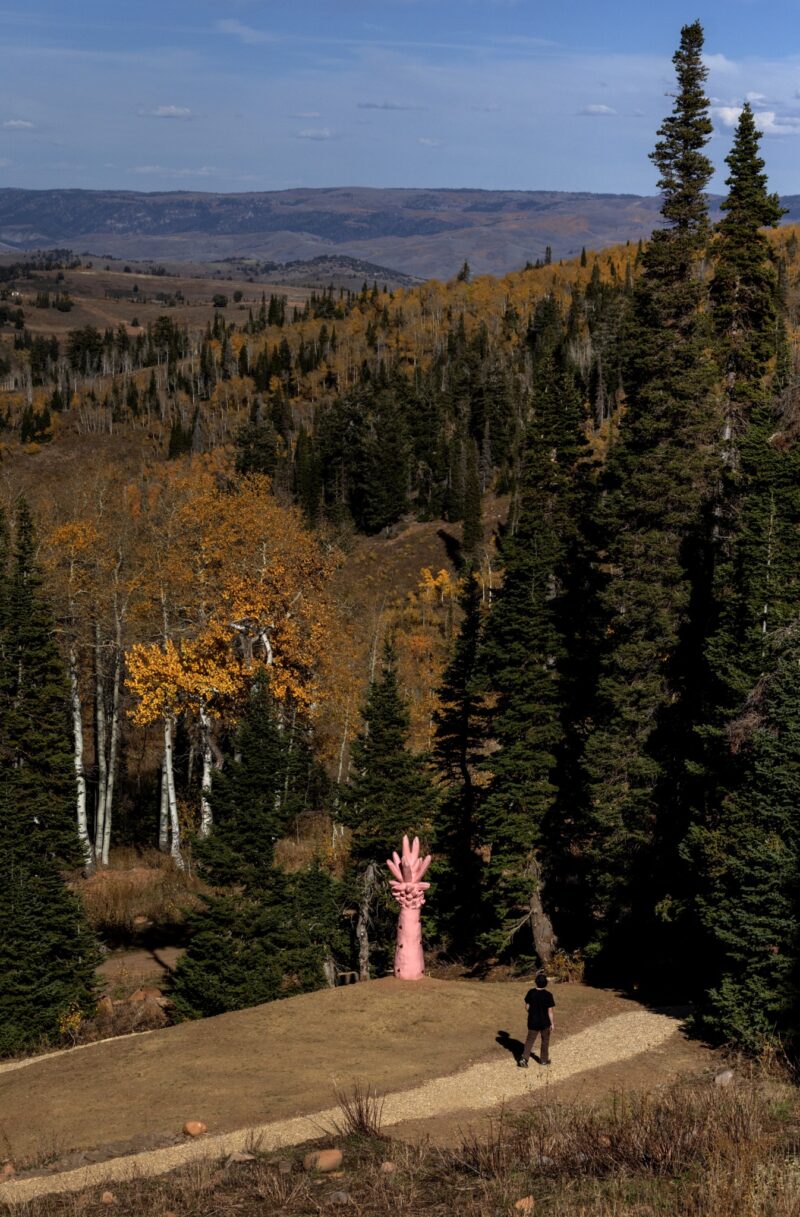
This seasonal transition into the 2024-2025 winter period marks a milestone for the foundation, as it moves from a conceptual project to a fully realized destination for "destination art" seekers and winter sports enthusiasts alike. The collection is curated to be encountered serendipitously; skiers navigating the resort’s 154 trails may find themselves face-to-face with a 12-foot-tall pink pineapple or a serpentine classical column emerging from a grove of aspen trees. According to Alex Zhang, Chief Creative Officer of Powder Mountain, the goal is to foster an visceral engagement with art that is heightened by the physical exertion and sensory immersion of the mountain environment.
The 2024-2025 Seasonal Acquisitions and Installations
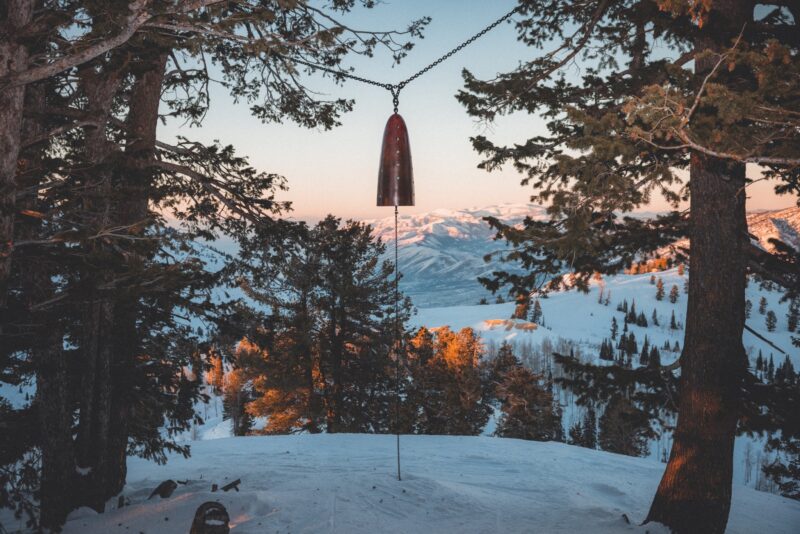
The current expansion features three primary new installations that highlight the diversity of the foundation’s curatorial vision. These works join an existing roster that includes Davina Semo’s "Listener" (2020–2024), a patinated cast-bronze bell that echoes through the pines, and Nobuo Sekine’s "Phase of Nothingness – Stone Stack" (1970/2025).
Jenny Holzer: THE EYE (2026)
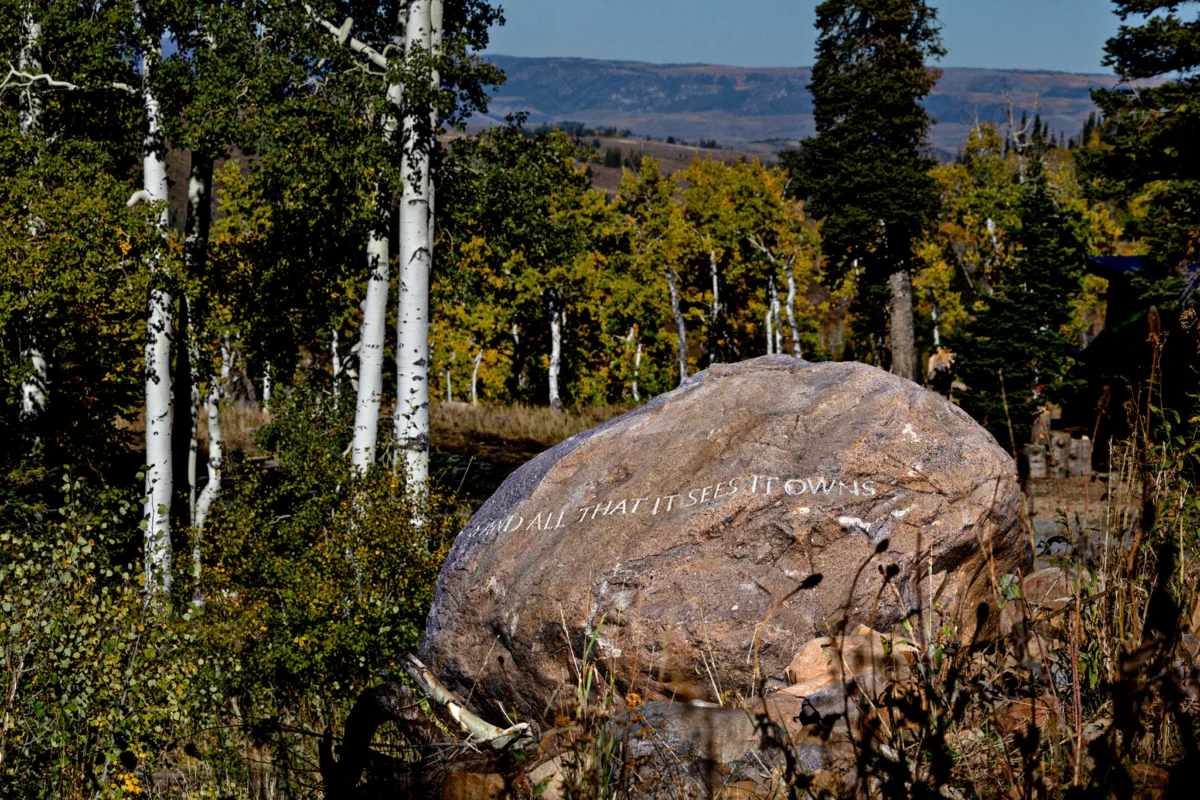
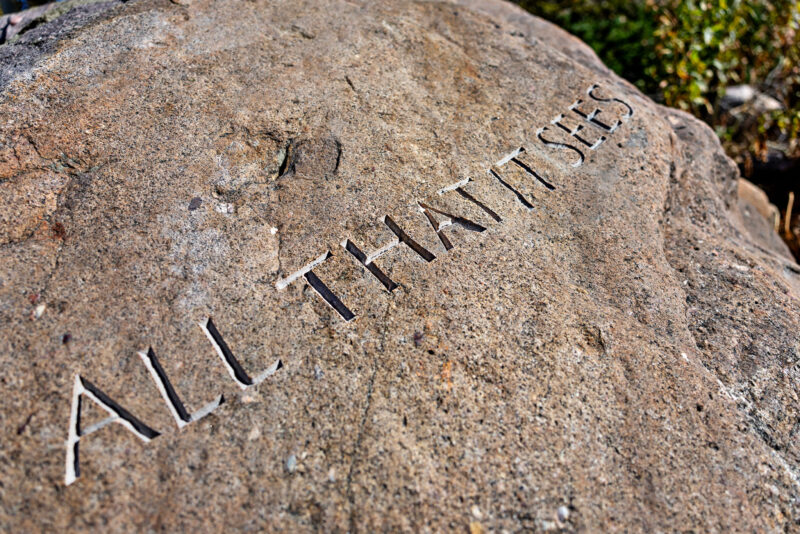
American neo-conceptual artist Jenny Holzer has contributed "THE EYE," a site-specific work that utilizes the natural geology of the Wasatch Range. Eschewing the traditional pedestal, Holzer selected a native quartzite boulder already embedded in the mountainside. Into this prehistoric stone, she has carved poetry by the late May Swenson, a Utah native whose work often explored themes of perception and the natural world. The inscription—"The eye also a sun wanders and all that it sees it owns"—is designed to be a permanent fixture that interacts with the changing seasons. In winter, the carved letters may be filled with frost or partially obscured by snowdrifts, while in summer, the surrounding vegetation frames the text. This work is intended to be the first in a series of "carved stones" that Holzer plans to develop across the mountain’s vast acreage.
Rose Wylie: Pale-Pink Pineapple/Bomb (2025)
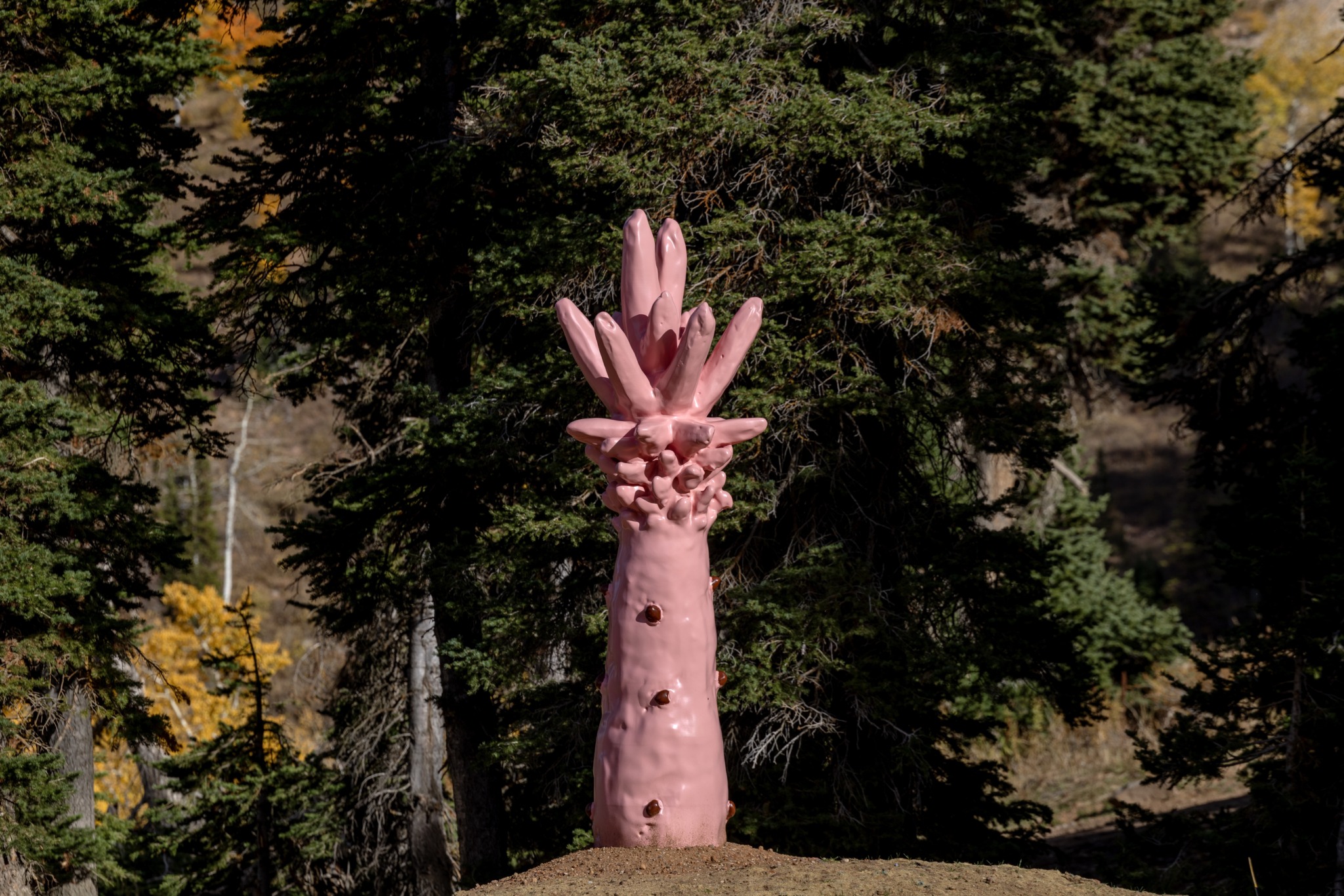
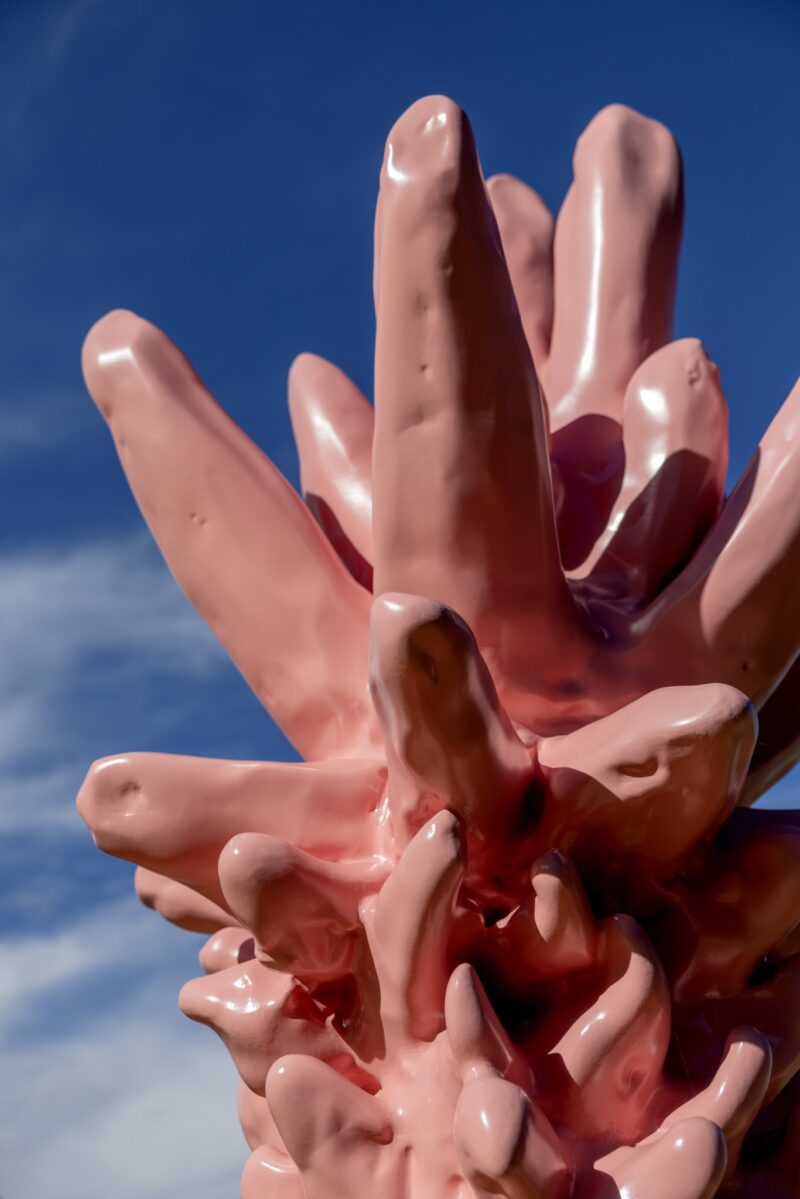
In stark contrast to Holzer’s subtle integration, British painter Rose Wylie’s "Pale-Pink Pineapple/Bomb" serves as a vibrant, cartoonish interruption of the landscape. Standing 12 feet tall and cast in painted bronze, the sculpture represents Wylie’s first permanent public commission in the United States. At 92 years old, Wylie is known for her "naïve" and expressive style, often drawing inspiration from mundane objects. The sculpture originated from a 2013 sketch of a Ghanaian pineapple. Set against the backdrop of 50-foot evergreen trees, the work’s exaggerated crown of leaves and bright pink hue challenge the organic color palette of the mountain, shifting between the appearance of a tropical fruit and a more ominous, explosive silhouette.

Xu Zhen: Hello (2021–2022)
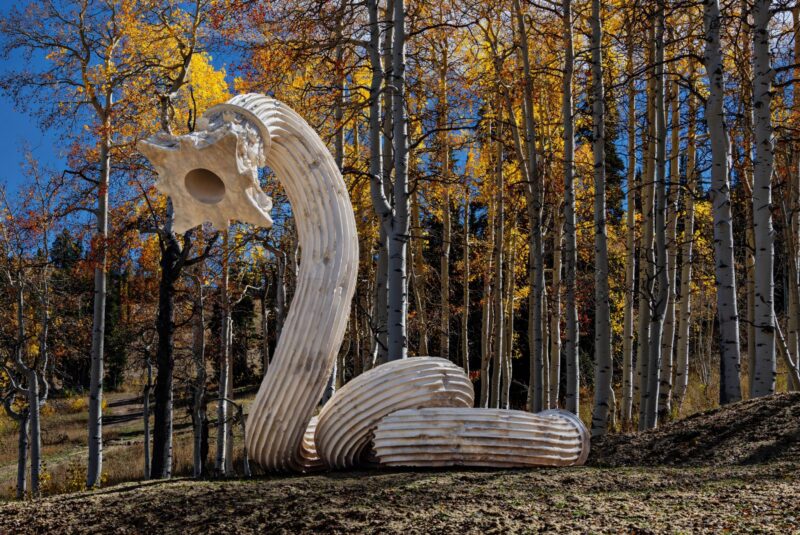
Shanghai-based multimedia artist Xu Zhen offers a surrealist take on classical architecture with "Hello." The installation features a Corinthian column—a hallmark of Western civilization and architectural stability—reimagined as a twisting, serpentine creature. The sculpture’s "head" is formed by the ornate capital of the column, which, when viewed from specific angles, takes on the appearance of a dragon or snake. Zhen developed the form using 3D-scanning technology and digital modeling to ensure the "movement" of the stone felt natural despite its impossible physics. Nestled among a grove of aspens, the work explores the tension between human-made heritage and the raw forms of the natural world.
Historical Context: Utah as a Hub for the Land Art Movement
The establishment of the Powder Art Foundation is not an isolated event but rather a continuation of Utah’s long-standing relationship with the Land Art movement. Since the late 1960s, the Great Basin and the surrounding high-desert landscapes have served as a laboratory for artists seeking to escape the "white cube" of the metropolitan gallery.
The partnership with the Dia Art Foundation is particularly significant in this context. Dia has been a primary steward of Land Art since its inception, managing iconic sites such as Robert Smithson’s "Spiral Jetty" (1970) on the Great Salt Lake and Nancy Holt’s "Sun Tunnels" (1973–1976) in the Great Basin Desert. By aligning with Dia, Powder Mountain positions itself as a contemporary successor to these historic sites. Unlike the isolated nature of "Spiral Jetty," which requires a dedicated pilgrimage to a remote shoreline, the Powder Mountain collection integrates art into a functioning commercial and recreational space. This "active engagement" model suggests a new evolution in how Land Art is consumed by the public—moving from a meditative, isolated experience to one that is integrated into active lifestyles.
Curatorial Philosophy and Physical Engagement
The Powder Art Foundation’s approach is rooted in the belief that physical activity changes the neurobiology of art appreciation. Alex Zhang’s philosophy centers on the "adrenaline-fueled encounter." When a skier’s heart rate is elevated and their senses are sharpened by the cold and the speed of descent, the sudden encounter with a massive sculpture can trigger a more profound psychological response than viewing the same work in a climate-controlled museum.
The curation intentionally avoids a singular aesthetic. The range of works—from the geological permanence of Holzer to the industrial surrealism of Zhen—ensures that the mountain does not become a static gallery. Instead, the landscape acts as a connective tissue. This "range" is vital for maintaining the surprise factor that Zhang deems essential for the project’s success. The foundation’s mandate is to build a collection that requires no architectural walls, allowing the art to be weathered by the same storms that provide the mountain’s famous "powder" snow.
Economic and Cultural Implications for the Region
The introduction of a world-class art collection to a ski resort carries significant economic and branding implications. In a competitive winter tourism market, resorts are increasingly looking for ways to differentiate themselves beyond lift capacity and trail counts. Powder Mountain, which transitioned to a "semi-private" model under new ownership to prevent overcrowding, is using the art foundation to pivot toward a "culture-first" demographic.
Data from the global "art tourism" sector suggests that travelers are increasingly seeking experiences that combine luxury, nature, and intellectual stimulation. By hosting works that would typically be found in the Tate Modern or the MoMA, Powder Mountain is tapping into a high-net-worth audience that values cultural capital. Furthermore, the presence of these works provides a year-round draw for the region. While the "skiable" aspect is the primary winter hook, the foundation’s trails are accessible to hikers and mountain bikers during the summer and fall, effectively extending the resort’s cultural relevance across all four seasons.
Logistical Information and Public Access
The Powder Mountain art trail is set to open for the 2024-2025 winter season in mid-December. Accessibility is designed to be inclusive of all resort patrons, with installations located in areas reachable by various skill levels of skiers and snowboarders.
- Hours of Operation: Lift-accessible installations are available during standard resort hours, typically 9:00 a.m. to 4:00 p.m. daily.
- Night Access: The Sundown area, which hosts several key works, remains open for night skiing from 4:00 p.m. to 9:00 p.m., offering a different perspective on the sculptures under artificial lighting and moonlight.
- Access Requirements: Entry to the outdoor museum is included with the purchase of a standard lift ticket or a season pass, emphasizing the foundation’s goal of integrating art into the existing recreational infrastructure rather than charging a separate admission fee.
Conclusion: The Future of the Mountain as a Canvas
As the Powder Art Foundation continues to expand, it sets a precedent for how private land ownership can be utilized for public-facing cultural projects. The long-term vision for the site includes more commissions that will eventually pepper the entire 8,000-acre property, making it one of the largest outdoor art installations in the world. By blurring the lines between a sports venue and a cultural institution, Powder Mountain is challenging the traditional boundaries of both fields. The project suggests that in the 21st century, the most effective way to experience contemporary art may not be standing still in a quiet room, but moving through the world at twenty miles per hour, surrounded by the vastness of the American West.