admin
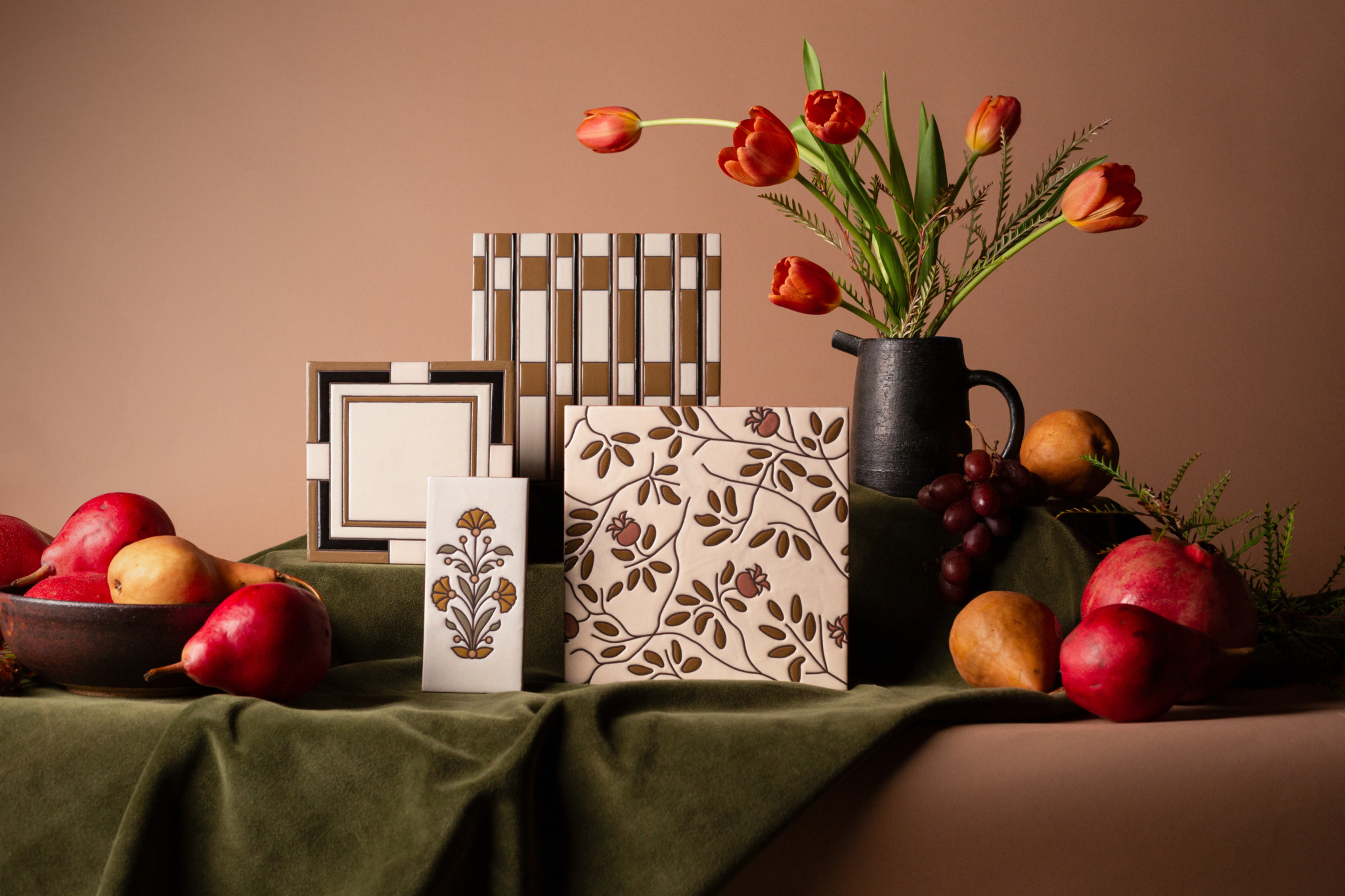
The intersection of interior design disciplines often yields the most innovative aesthetic breakthroughs, a reality recently demonstrated by Fireclay Tile’s introduction of its latest hand-painted ceramic series. Known as the Idyllwild collection, this new offering represents a sophisticated translation of soft-surface textures—specifically plaids, stripes, and florals—into the durable medium of kiln-fired ceramic. By drawing inspiration from traditional weaving and botanical illustrations, the California-based manufacturer has created a product line that challenges the conventional boundaries between upholstery, wallpaper, and architectural surfaces.
The Idyllwild collection arrives at a pivotal moment in the interior design industry, as homeowners and commercial designers increasingly move away from the stark minimalism of the previous decade in favor of "maximalism" and "grandmillennial" aesthetics. These trends emphasize comfort, nostalgia, and a layering of patterns that were once considered the exclusive domain of textiles. Fireclay’s transition into this space signifies a strategic move to provide permanent architectural elements that mirror the warmth and complexity of fabric.
From Alt-Rock to Alpine Elegance: The Conceptual Chronology
The development of the Idyllwild collection followed an unconventional trajectory that highlights the fluid nature of the creative process within high-end manufacturing. According to Jamie Chappell, Vice President of Brand and Product at Fireclay Tile, the initial vision for the collection was rooted in a vastly different cultural touchstone than the mountain-inspired name suggests.
"We were seeing designers use a lot of intricate textiles, colors, and patterns together," Chappell noted during the collection’s unveiling. "As a true lover of ’90s alt-rock, I actually went down a rabbit hole early on, wondering if it should be a ‘grunge’ collection." This early exploration focused heavily on the raw, geometric nature of plaids and stripes, which were ubiquitous in the fashion of that era.
However, as the design team began to prototype the patterns, they recognized a need for balance. The rigid geometry of the stripes and plaids required a counterpoint to make the collection versatile enough for a broad range of interior styles. This realization led to the integration of botanical elements, shifting the collection’s identity toward a softer, more traditional aesthetic. The final naming of the collection—Idyllwild—serves as an homage to the rustic, picturesque mountain town in California’s San Jacinto Mountains, a location that perfectly encapsulates the blend of rugged structure and natural beauty found in the tiles.
A Four-Tiered Taxonomy of Pattern and Form
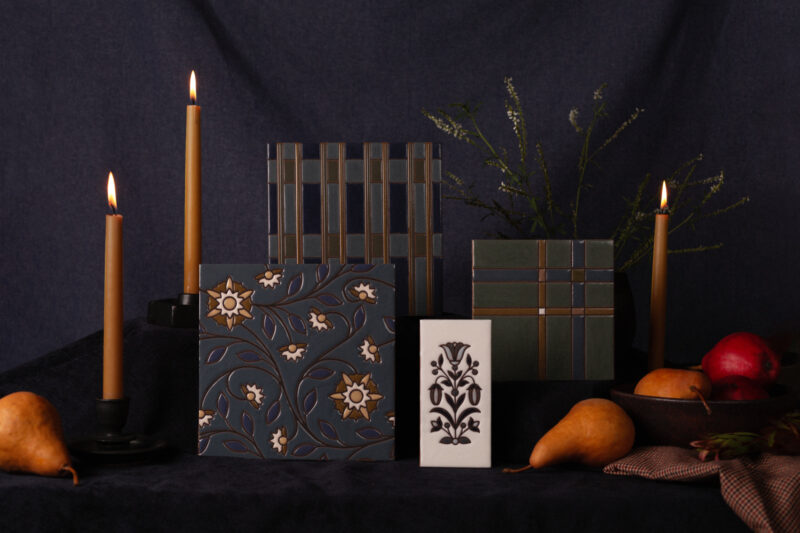
The Idyllwild collection is systematically organized into 16 distinct patterns, categorized into four thematic series. Each series is designed to serve a specific functional and aesthetic role within a space, ranging from focal point accents to broad-surface coverage.
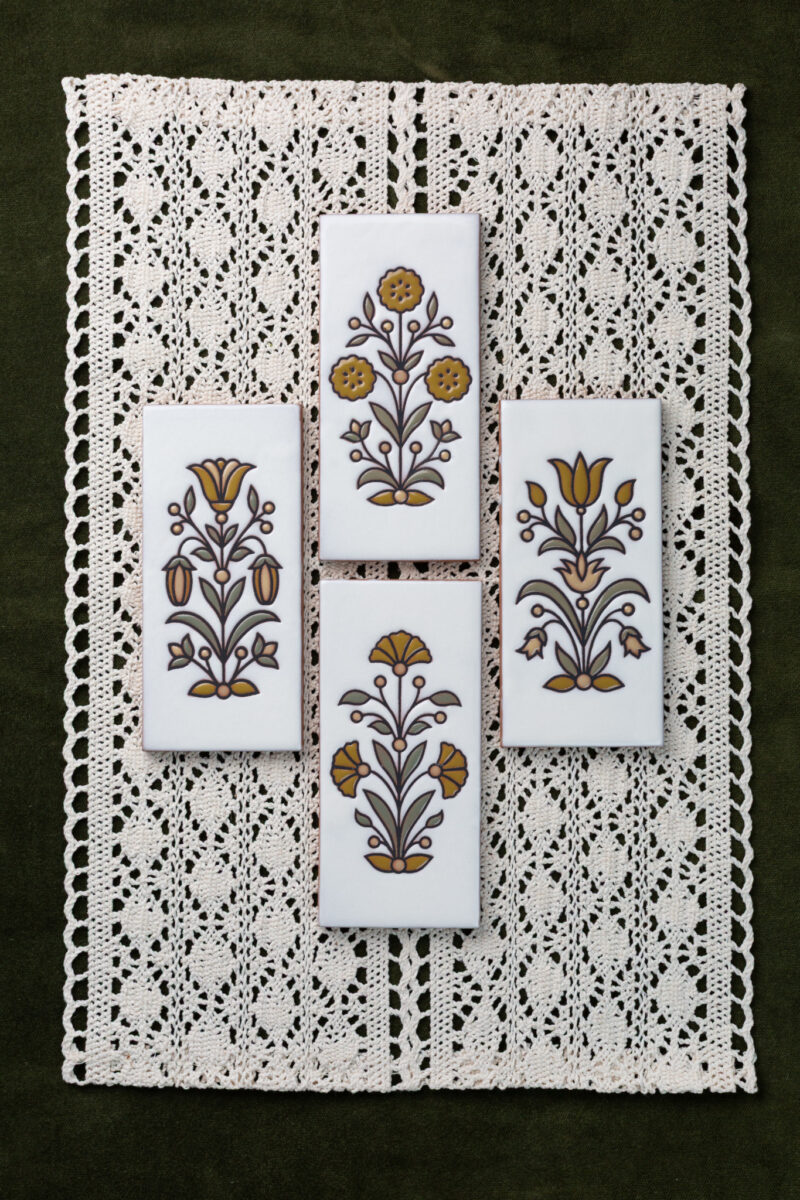
1. Specimen Flowers
This series focuses on the individual beauty of specific flora. It features four primary motifs: Allium, Carnation, Lily, and Bluebell. Unlike repeating patterns, these are designed to be used as singular "specimens," making them ideal for placement in kitchen niches, behind stovetops, or as scattered accents within a field of plain tile. The precision of the hand-painting in this series mimics the look of vintage botanical lithographs.
2. Idyllwild Florals
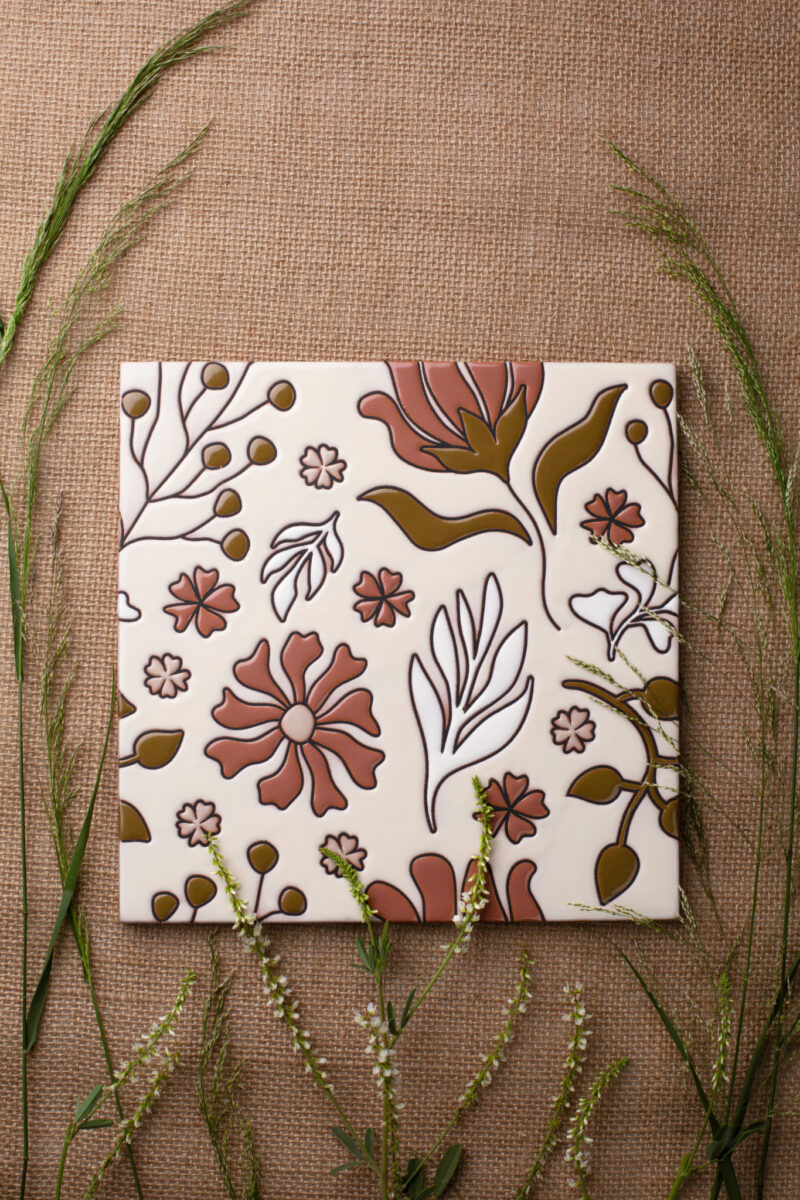
Moving from the singular to the collective, the Idyllwild Florals series includes the Pomegranate, Tulip, Morning Glory, and Meadow patterns. These are repeating designs characterized by overlapping stems, leaves, and blossoms. The intent is to create a "dense, layered effect of a garden growing beyond its boundaries," providing a sense of movement and organic growth that is rare in ceramic surfaces.
3. Idyllwild Stripes
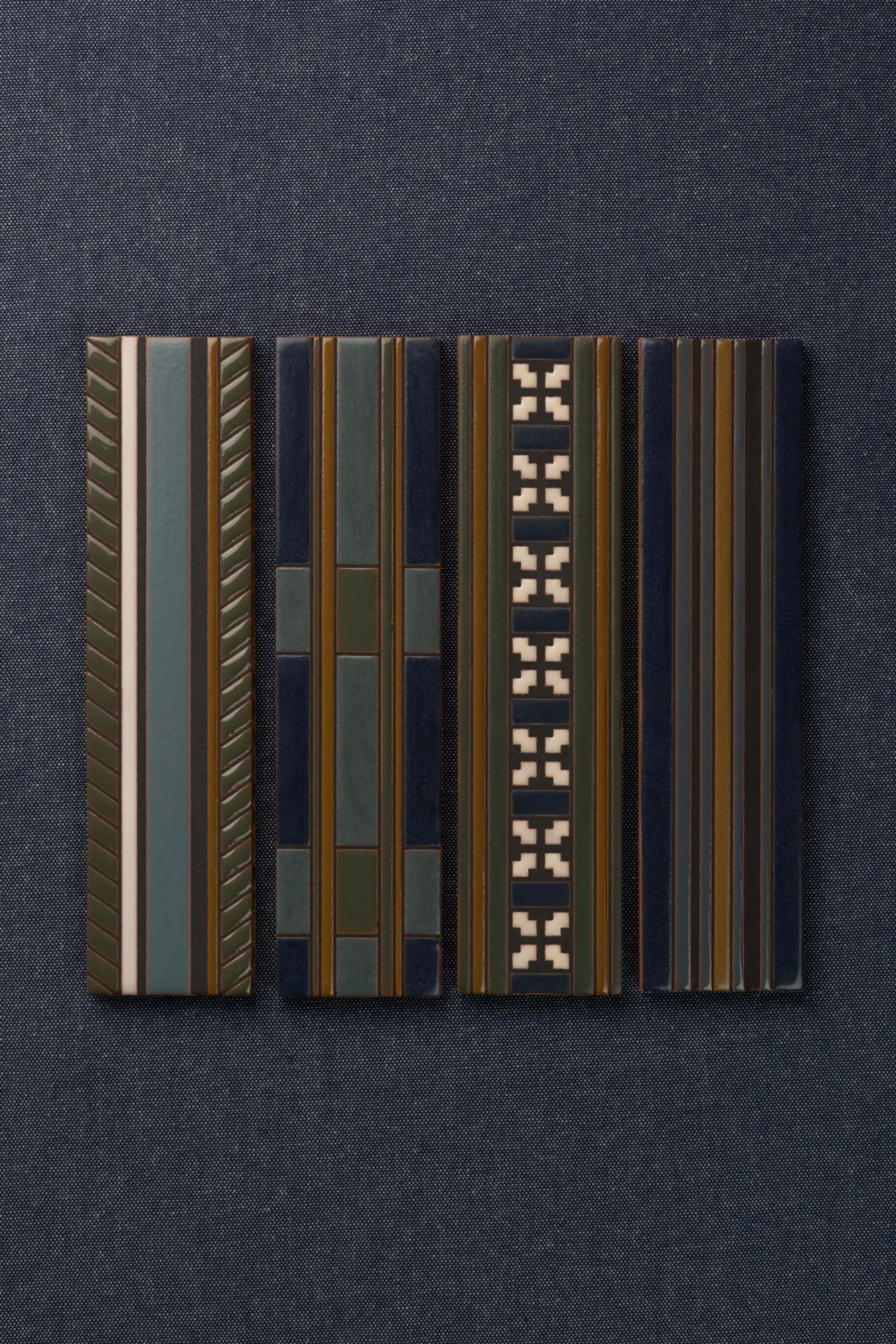
The Stripes series—comprising Stuga, Mokki, Blockhaus, and Thatch—reimagines linear ornamentation. These patterns introduce rhythm through repeated lines and geometric details. They are often utilized as borders or to create a sense of height and structure in smaller rooms. The names of these patterns evoke various styles of traditional cabins and shelters, reinforcing the collection’s connection to the "Idyllwild" theme of mountain living.
4. Idyllwild Plaids
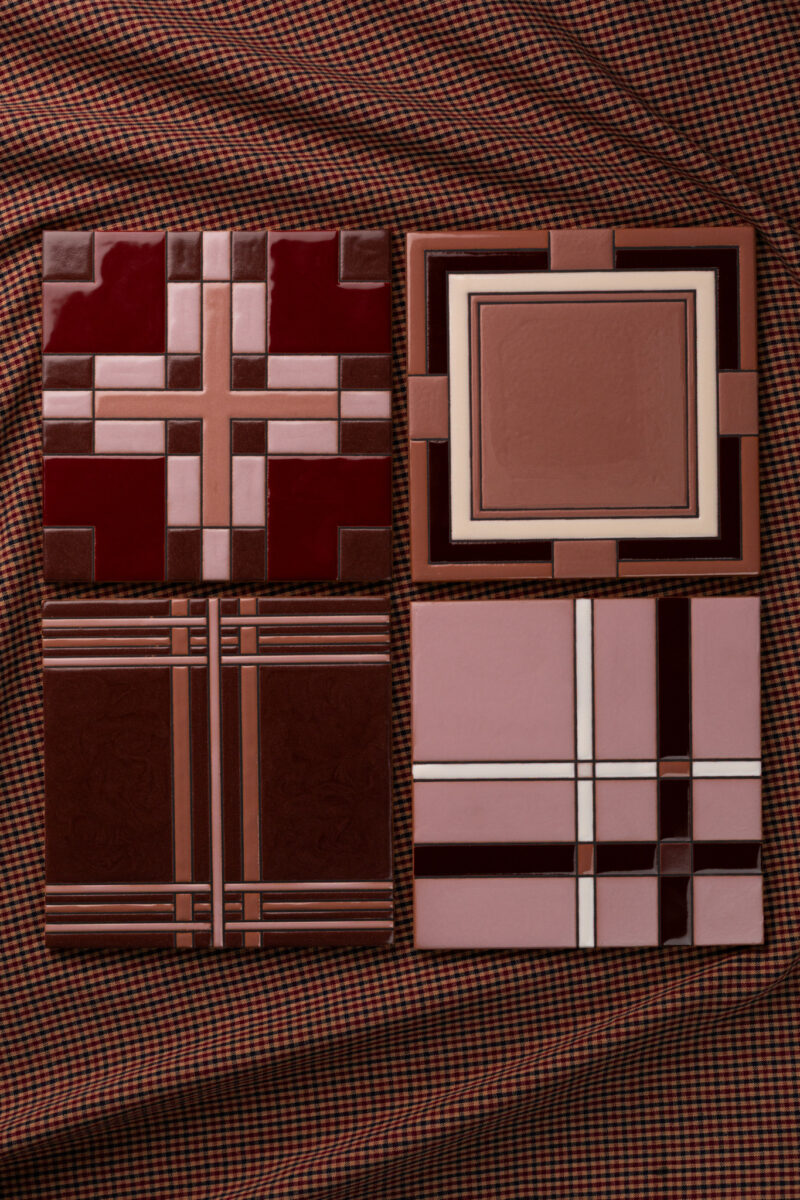
Perhaps the most technically ambitious part of the collection, the Plaids series includes Chalet, Highlands, Minka, and Torp. These designs borrow the visual language of woven fabrics like wool and linen. By intersecting grids of color, these tiles can read as understated texture when rendered in neutral tones or as bold, room-enveloping statements when applied in high-contrast palettes.
The Technical Rigor of Hand-Painted Production
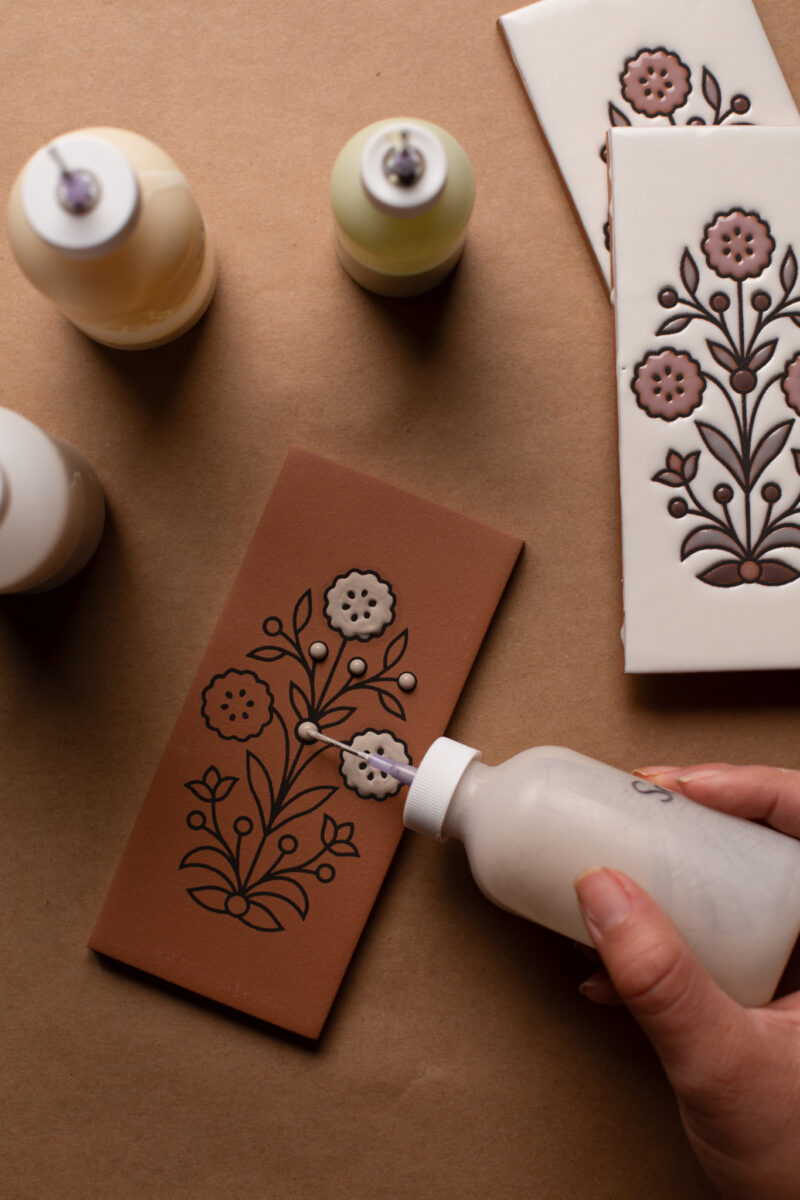
Translating the intricate weave of a textile or the delicate petal of a flower into a ceramic tile is a feat of engineering as much as it is of art. The Idyllwild collection utilizes the "cuerda seca" (dry cord) technique, which involves the application of a "resist" line—a mixture of manganese and oils—to the surface of the clay. This line prevents the different colored glazes from running into each other during the firing process.
The complexity of the Idyllwild patterns necessitated a rigorous feedback loop between the design department and the production floor. "We had to simplify and edit the artwork so our painting team could actually execute it by hand," Chappell explained. The thickness of the resist lines and the size of the "fields" (the areas to be filled with glaze) were adjusted through multiple rounds of prototyping to ensure that the painters could maintain efficiency without sacrificing the integrity of the design.
To support this collection, Fireclay Tile developed a new glaze base specifically optimized for hand-application. This base allows for a smoother flow of material from the squeeze bottles used by the artisans, resulting in a more consistent finish across the 16 patterns.
A Revolutionary Approach to Color and Customization
A significant portion of the Idyllwild project was dedicated to an overhaul of Fireclay’s color matching systems. Historically, the company’s hand-painted offerings were somewhat isolated from their standard tile colors. To bridge this gap, the production team spent months matching the company’s 50 core ceramic colors in both gloss and matte finishes.
This effort resulted in a library of 100 finishes that can be combined in virtually limitless ways across the Idyllwild patterns. To simplify the selection process for consumers, Fireclay curated four seasonal palettes:
- Spring: Characterized by soft pastels, pinks, and olive greens.
- Summer: Featuring vibrant, sun-drenched hues.
- Autumn: Rooted in deeper reds, oranges, and earthy browns.
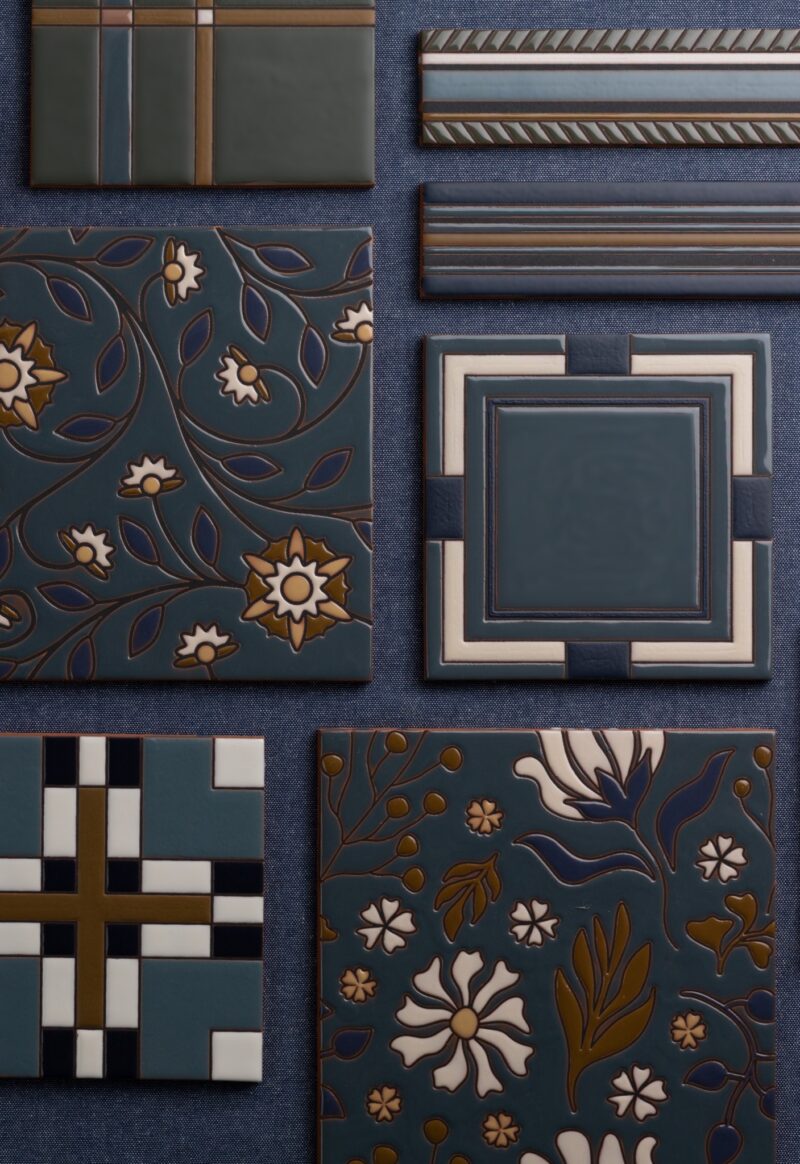
- Winter: A moody selection of deep blues, muted greens, and warm neutrals.
The impact of color on these patterns is profound. A plaid pattern in the Spring palette may evoke a light, cottage-like atmosphere, while the same pattern in the Winter palette can resemble a heavy, cozy wool blanket. This versatility allows the collection to adapt to various regional architectural styles, from New England traditionals to Pacific Northwest moderns.
Market Implications and Industry Trends
The launch of the Idyllwild collection reflects broader shifts in the global home decor market. According to recent industry reports, the "Artisanal Tile" segment is expected to grow at a Compound Annual Growth Rate (CAGR) of over 6% through 2030. Consumers are increasingly prioritizing "story-driven" products—items where the manufacturing process and the human hand are visible.
Fireclay Tile’s status as a certified B Corporation further positions this collection as a choice for the environmentally and socially conscious consumer. By maintaining production in California and focusing on sustainable material sourcing, the company taps into the "slow design" movement, which advocates for quality and longevity over disposable, mass-produced trends.
Furthermore, the introduction of new tile sizes—2-by-8-inch and 3-by-6-inch—within this collection addresses a functional need in the market. These dimensions are designed to integrate seamlessly with standard field tiles, allowing for more creative installations where patterns can be used as accents, borders, or entire feature walls without requiring complex custom cutting on-site.
Conclusion: The Future of Patterned Surfaces
The Idyllwild collection by Fireclay Tile represents more than just a new product launch; it is a case study in how traditional craft can be modernized through careful design and technical innovation. By successfully translating the tactile warmth of textiles into the permanence of ceramic, Fireclay has provided designers with a new toolset for creating spaces that feel both nostalgic and forward-looking.
As interior design continues to embrace the complexities of pattern and the richness of artisanal production, collections like Idyllwild are likely to set the standard for the industry. The marriage of 1990s-inspired geometry with timeless botanical beauty ensures that these designs will remain relevant long after the current trend cycles have turned, offering a permanent "idyll" within the built environment.