admin
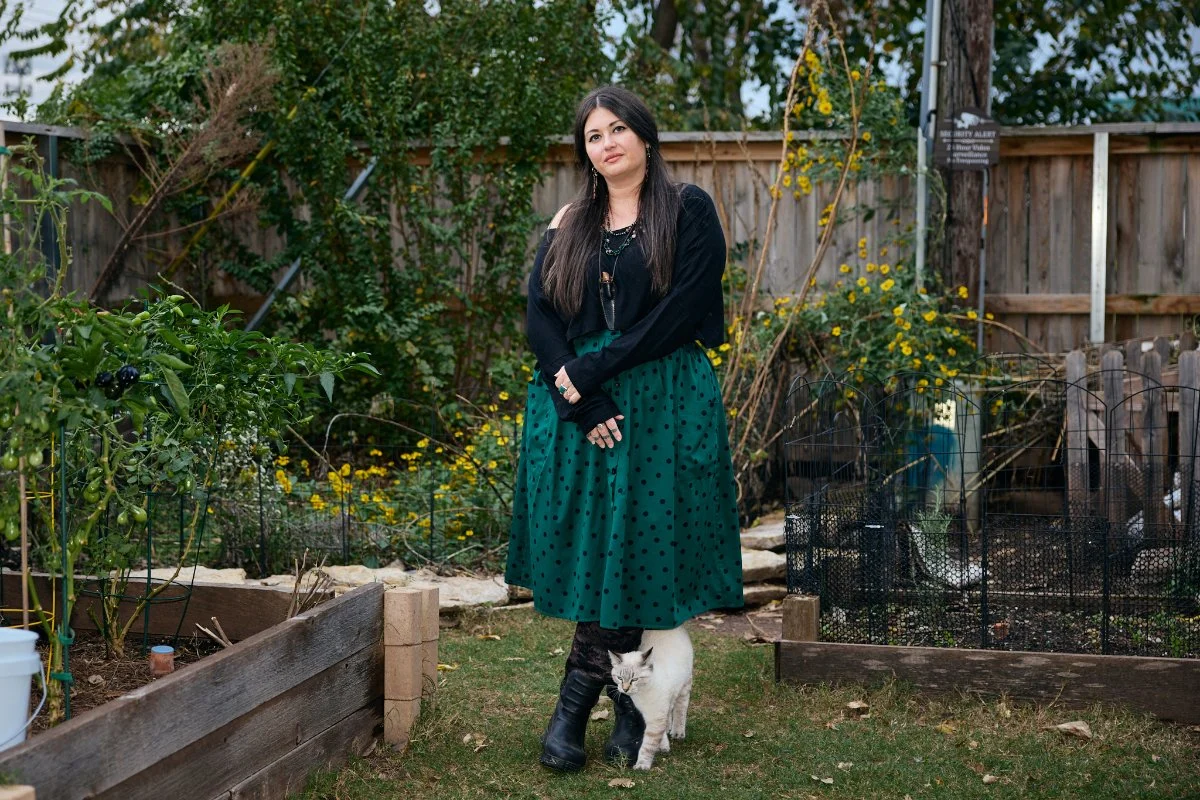
In a profound redefinition of health, Cherokee chef and food sovereignty advocate Nico Albert Williams is at the forefront of a movement connecting wellness to ancestral foodways and communal relationships at Burning Cedar Sovereign Wellness in Tulsa, Oklahoma. As the executive director of this 100% Indigenous-led, community-driven intertribal center, Albert Williams champions a vision of wellness that stands in stark contrast to mainstream, individualized approaches, emphasizing balance, land stewardship, and cultural reconnection for urban Indigenous communities. Her work, highlighted in late 2026, illustrates a vital pathway to healing and resilience, drawing directly from millennia of Indigenous wisdom.
The Indigenous Paradigm of Relational Wellness
The notion of "food as medicine" has recently gained traction within dominant wellness cultures, often commodified and presented as a novel concept. However, as Albert Williams explains, this principle has been an intrinsic part of Indigenous cultures since time immemorial, deeply embedded in traditional values that transcend transactional paradigms. At Burning Cedar, conversations about wellness invariably begin with its Indigenous definition, distinguishing it sharply from Western interpretations.
Western culture, she notes, often frames wellness through a capitalistic lens—privatized, individualized, and isolating, primarily concerned with the presence or absence of disease in a single person. For Native peoples, wellness is inherently relational. It encompasses not only human interactions but also profound connections with the non-human world: the land, water, animals, and plants that constitute their lived environments. "If we are in balance with everything around us and we’re moving peacefully forward in a good way, then that’s wellness," Albert Williams articulates. This holistic perspective underscores that healing emerges not from currency or consumption, but from the cultivation of relationships.
Historical Disruption and the Quest for Sovereignty
The disruption of this intrinsic balance, Albert Williams emphasizes, directly correlates with the historical trauma of colonization. Issues such as the profound loss of connection to ancestral lands and the severing of access to traditional foodways are direct consequences of policies like the Indian Removal Act of 1830, which forcibly displaced numerous Indigenous nations from their homelands. The forced migration of the Cherokee people along the Trail of Tears from their ancestral territories in Southern Appalachia to what became "Indian Territory" in Oklahoma (1838-1839) is a stark example of this systemic disruption. This traumatic event not only caused immense suffering and loss of life but also severed generations from their ecological knowledge, spiritual sites, and traditional food systems.
The enduring impact of these historical injustices manifests today in significant health disparities within Indigenous communities. According to the Centers for Disease Control and Prevention (CDC) and other health organizations, Native Americans disproportionately suffer from chronic diseases such such as type 2 diabetes, heart disease, and certain cancers, often linked to the forced adoption of nutrient-poor colonial diets and lack of access to traditional, healthy foods. Furthermore, food insecurity remains a critical issue for many Indigenous households, particularly in urban areas, exacerbating these health challenges.
Albert Williams firmly asserts that solutions offered by the dominant society, often rooted in the very systems that caused these problems, cannot lead communities back to true wellness. Instead, effective and sustainable answers must originate from within Indigenous cultures, drawing upon ancestral knowledge that is specific to each community’s unique experiences and resilience. This is where the concept of sovereignty becomes paramount. For Indigenous peoples, sovereignty is not merely a political term but the inherent right to define wellness from their own worldview, identify the root causes of imbalance, and address these issues using culturally relevant, time-honored practices.
Challenging Transactional Wellness

A pervasive challenge, even within Native communities, is the influence of dominant society’s preference for "quick fixes" in wellness. Albert Williams cites the example of visitors to Burning Cedar seeking to purchase seasonal teas made from harvested plant medicines. While these plant relatives offer relief as a gift, the impulse to buy them reflects a societal conditioning to commodify and transact rather than to receive and relate. She profoundly states, "Healing comes when we understand that wellness is freely available to us without any type of currency; it is relationship and not transaction that heals us." This principle underlines Burning Cedar’s operational ethos, rejecting commercialization in favor of communal reciprocity and accessible healing.
Albert Williams openly shares her own journey, acknowledging her personal struggles with chronic illness and a lifelong path toward healing. Her work at Burning Cedar is deeply informed by this personal quest for cultural connection, which began after a childhood spent far from her Cherokee community in California and Arizona. At 19, in 2003, she moved to her tribe’s reservation in northeastern Oklahoma, beginning an immersive journey into her heritage.
Reconnecting Through Communal Foodways: A Personal and Collective Seed
As a chef, Albert Williams found her initial and most profound connection to her Cherokee heritage through communal meals, particularly the cherished wild onion dinners held each spring. These gatherings are more than just meals; they are expressions of a worldview where plant relatives care for humans through seasonal foraging, and humans reciprocate this care. The arduous, communal labor of gathering and cleaning wild onions, preparing fry bread, grape dumplings, hominy, beans, and salt meat, became a foundational experience for Albert Williams. This formative period, characterized by collective effort and shared sustenance, planted the seed for her future dedication to food sovereignty.
Moving to Tulsa for work a few years later, while advancing her career, inadvertently created a new barrier to cultural connection. The distance and cost of traveling to the Cherokee Nation tribal headquarters in Tahlequah meant missing opportunities to engage with elders, learn the language, or participate in ceremonies. This experience highlighted a critical need for urban Indigenous people—a consistent, accessible space for cultural immersion and connection.
Tulsa: An Intertribal Nexus and Urban Challenges
Tulsa itself presents a unique demographic and cultural landscape within what is known as "Turtle Island" (North America). Oklahoma was designated "Indian Territory" in the 19th century, becoming the forced relocation site for dozens of Indigenous nations. Today, Oklahoma is home to 39 federally recognized tribes, creating an unparalleled intertribal environment. This forced proximity, while traumatic in origin, has also fostered a unique intertribal culture, blending diverse ancestral elements in contemporary ways. For urban Native people in Tulsa, this means navigating a rich, complex tapestry of cultures while often being physically separated from their specific tribal headquarters and the traditional practices tied to rural lands. These separations create "barriers to balance," hindering access to ceremonies, traditional foods, languages, and the communal practices essential for well-being.
Albert Williams observed this critical gap: young Indigenous people and families in Tulsa needed a space for daily, immersive cultural engagement, not merely as a destination but as a way of life. This vision culminated in the founding of Burning Cedar Sovereign Wellness in 2022. The center was conceived as an intertribal urban hub where community members could gather, grow, and heal through land-based practices, traditional movement rituals, reconnection to ancestral foodways, and more. It embodies the very resource Albert Williams wished for in her own early 20s.
Food, Land, and Identity: A Continuing Relationship
Albert Williams’s work underscores the inextricable link between food, land, history, and identity. For Cherokee people in Oklahoma, understanding their history means acknowledging the plants their ancestors cultivated and foraged in Southern Appalachia—plants like ramps and chestnuts, to which they now lack direct access. This recognition of loss is a crucial step in naming and healing historical trauma.

Yet, this journey is also one of adaptation and continuity. Many plant relatives, like the people themselves, endured forced removal, with ancestors carrying seeds that established new homes in Oklahoma. These plants, like the Cherokee language and culture, have evolved, adapting to new environments. For example, the kochan (wild onion) foraged in Oklahoma today may differ slightly from that found in the Qualla Boundary of the Southern Appalachian region. New plant relatives are also discovered, and new practices emerge, demonstrating the resilience and adaptability of Indigenous food systems.
Crucially, what remains constant is the Cherokee worldview of relationship. How the land is treated, engaged with, and cared for persists, irrespective of geographic location. This continuity of identity ensures that obligations to the water, for instance, remain, even if it is a different river.
Burning Cedar’s Transformative Programs
Burning Cedar Sovereign Wellness offers a comprehensive suite of seven core programming areas designed to address various facets of culture and well-being. These include seasonal cooking classes, plant foraging outings, storytelling sessions, and traditional crafting workshops. Albert Williams notes that activities like basket weaving, seemingly unrelated to conventional health metrics, profoundly contribute to overall wellness by fostering connection, skill-building, and cultural pride.
Among its most impactful initiatives is the Sovereign Seeds Garden Collective, a program dedicated to urban land reconnection. This collective sponsors Indigenous households in the Tulsa metro area, providing them with four-foot-by-eight-foot raised garden beds or 25-gallon containers for those with limited space. Each participant receives a garden bed kit, high-quality local soil and compost, and access to heirloom seeds tailored to their specific tribal background. Burning Cedar collaborates with various tribal seed banks to facilitate access to culturally significant plants, fostering a spiritual connection to ancestral seeds.
The act of planting, caring for, and harvesting these plants goes beyond merely producing healthy food; it empowers individuals to reclaim their relationship with the land—a tangible act of sovereignty. The program provides technical support and troubleshooting to ensure success, particularly for first-time gardeners. Burning Cedar’s large teaching garden further ensures that everyone, regardless of their living situation, has access to this vital knowledge. The goal is to meet people where they are and offer accessible pathways to reconnect with the land.
The Sovereign Seeds Garden Collective has experienced remarkable growth. Starting with 20 households in its inaugural year, it expanded to 40 in 2026, with projections for 60 households in the coming year. This exponential growth is creating an expanding network of Indigenous individuals and families who are successfully cultivating traditional plants, sharing their knowledge, and establishing "small ecosystems" across Tulsa that reflect Indigenous values.
Broader Implications: Food Sovereignty, Climate Resilience, and a New Worldview
The traditional practices championed by Burning Cedar extend far beyond individual wellness, offering sustainable solutions to global challenges. These initiatives actively combat climate change by promoting localized food systems and traditional ecological knowledge. They create vital spaces for biodiversity, nurturing native plant species and restoring ecological balance. Furthermore, they strengthen communities, both Indigenous and non-Indigenous, by fostering a shared understanding of reciprocal relationship with the Earth.
Albert Williams emphasizes that all of society can benefit from shifting away from an extractive worldview towards one rooted in relationship and reciprocity. This paradigm shift, she contends, is essential for the Earth to heal and, in turn, provide for all its inhabitants. Burning Cedar Sovereign Wellness, through its intertribal, community-driven approach, stands as a powerful model for achieving genuine, collective wellness—a vision rooted in ancestral wisdom and dedicated to a thriving future. The ongoing development of Burning Cedar’s 2.5-acre site, slated for a larger community garden and center, signals a continued commitment to this transformative work, promising even greater impact in the years to come.