admin
The cinematic landscape of December 2026 is defined by a rare convergence of massive franchise milestones, high-stakes biographical dramas, and the return of several of the industry’s most revered auteurs. This month represents a critical juncture for global exhibitors and streaming platforms alike, as the industry navigates a high-pressure holiday corridor that features both the conclusion of a science-fiction trilogy and a pivotal reimagining of the Marvel Cinematic Universe (MCU). Industry analysts are closely monitoring the "Dunesday" phenomenon—the simultaneous release of two of the year’s largest blockbusters—which is expected to test the capacity of the global theatrical market.

The Blockbuster Collision: Dunesday and the Battle for the Box Office
The primary narrative of the December box office is the head-to-head clash scheduled for Friday, 18 December. Warner Bros. and Disney have positioned their most significant assets on the same weekend, drawing comparisons to the 2023 "Barbenheimer" event.
Dune: Part Three
Denis Villeneuve concludes his adaptation of Frank Herbert’s science-fiction epic with Dune: Part Three. Based on the 1969 novel Dune Messiah, the film picks up the narrative 17 years after the events of Dune: Part Two. The story follows Paul Atreides, played by Timothée Chalamet, who has transitioned from a messianic rebel to the all-powerful Padishah Emperor. Villeneuve has indicated that the film explores the psychological toll of absolute power and the "spiral of violence" inherent in Paul’s ascension.

The production boasts an expanded ensemble, adding Robert Pattinson to a returning cast that includes Zendaya, Rebecca Ferguson, Florence Pugh, and Jason Momoa. The film serves as the final chapter in Villeneuve’s planned trilogy, a series that has significantly influenced modern science-fiction aesthetics and revitalized the commercial viability of high-concept literary adaptations.
Avengers: Doomsday
Simultaneously, Marvel Studios will release Avengers: Doomsday, a project designed to recapture the cultural and financial height of 2019’s Avengers: Endgame. The film marks a significant strategic pivot for the MCU, featuring the return of Joe and Anthony Russo as directors and Robert Downey Jr. in the role of the antagonist, Doctor Doom.

The film is structured as a "multiverse jamboree," integrating characters from the Fantastic Four and X-Men franchises into the core Avengers storyline. Key returning figures include Chris Evans as Captain America and Chris Hemsworth as Thor. Industry data suggests that the success of Doomsday is vital for Disney’s long-term franchise health, as the studio seeks to consolidate various cinematic universes under a single coherent narrative arc.
The Auteur Return: Social Realism and Genre Mastery
Beyond the blockbuster spectacle, December features the work of several veteran directors whose projects are already generating significant critical momentum.

Tender Loving Care
At 83, Mike Leigh returns with what he has suggested will be his final film, Tender Loving Care. Following the tradition of his previous works like Secrets & Lies, this production is a character-driven study of contemporary English life. Starring Alice Bailey Johnson and Kate O’Flynn as social workers Rosie and Amy, the film explores the resilience of the human spirit against a backdrop of systemic social challenges and familial dementia. Critics have described the film as a "swan song" that synthesizes Leigh’s five-decade career into a singular, poignant narrative.
Ray Gunn
Brad Bird, the visionary behind The Incredibles and Ratatouille, finally brings his long-gestating project Ray Gunn to fruition. Developed since the 1990s, the animated mystery thriller is set in the retrofuturistic city of Metropia. The film utilizes a "hard-boiled" noir aesthetic, featuring the voices of Sam Rockwell, Scarlett Johansson, and Tom Waits. Ray Gunn represents a significant investment for Netflix, as the platform seeks to compete in the high-end animated feature space.

Biographical Dramas and the Ethics of Innovation
The mid-month release schedule is highlighted by two films that tackle the complexities of modern technology and political history.
Artificial
Directed by Luca Guadagnino and financed by Amazon MGM, Artificial has already become a subject of industry controversy. The film dramatizes the rise of OpenAI, with Andrew Garfield portraying Sam Altman and Mark Rylance as Geoffrey Hinton. The production explores the internal conflicts between commercial interests and the ethical safety of artificial general intelligence. The film’s release was reportedly complicated by Amazon’s corporate investments in the AI sector, adding a layer of meta-commentary to its narrative about power and control in the digital age.

14th
Ava DuVernay continues her exploration of American constitutional law with the documentary 14th. Serving as a companion to her Oscar-nominated 13th, this film focuses on the 14th Amendment and its role in defining citizenship and civil rights. The documentary arrives at a moment of heightened political discourse regarding constitutional protections, with critics praising DuVernay’s ability to translate complex legal history into a "bracing, riveting torrent" of social analysis.
International Cinema and Literary Reimagining
The end of the year also sees a strong showing for international features and creative adaptations of classical texts.

Clarissa
Directors Arie and Chuko Esiri transpose Virginia Woolf’s Mrs. Dalloway from interwar London to contemporary Lagos, Nigeria. Titled Clarissa, the film stars Sophie Okonedo and David Oyelowo. The adaptation explores the enduring themes of class, colonialism, and lost love, while providing a "quietly revolutionary" look at Nigerian high society. The film has been noted for its ability to maintain the melancholy magic of the original text while addressing modern African realities.
Rose
Markus Schleinzer’s Rose provides a showcase for Sandra Hüller, who portrays a woman disguising herself as a man to survive in the aftermath of the Thirty Years War. The stark, black-and-white historical drama explores gender dynamics and status in a male-dominated 17th-century Germany. The film has been hailed as a "shattering" achievement, further cementing Hüller’s status as one of the preeminent actors of the current era.

La Gradiva
The directorial debut of Marine Atlan, La Gradiva, emerged as a breakout hit at the Cannes Critics’ Week. A coming-of-age story set during a school trip to Pompeii, the film uses a cast of first-time actors to capture the transition from adolescence to adulthood. Its "fluid style" and "lyricism" have led critics to label it one of the most significant debut features of the decade.
The Darker Side of the Holidays
For audiences seeking counter-programming to traditional festive fare, the month concludes with high-intensity drama and horror.

Werwulf
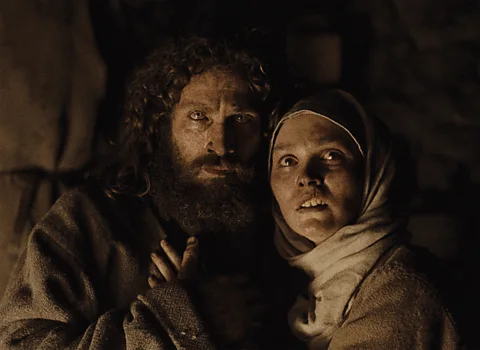
Director Robert Eggers, known for The Witch and Nosferatu, presents Werwulf on Christmas Day. Set in the 14th century, the film stars Aaron Taylor-Johnson as a farmer undergoing a lycanthropic transformation. Eggers has described the project as his "darkest thing" to date, focusing on a grim, muddy, and visceral portrayal of medieval folklore. The film’s commitment to historical accuracy and atmospheric horror provides a sharp contrast to the month’s lighter offerings.
Behemoth!
Tony Gilroy, the creator of Andor, offers a tragicomic character study in Behemoth!. Pedro Pascal stars as a gifted cellist navigating personal and professional crises in Los Angeles. The film is notable for its innovative use of music, collaborating with nine different composers to create a sensory experience where "image and sound are inextricably linked."

Chronology of Major December 2026 Releases
The following timeline outlines the primary global release dates for this month’s key titles:
- 4 December: Ray Gunn (Theatrical US/UK), 14th (Netflix Global), Tender Loving Care (Theatrical US), Behemoth! (Theatrical Global).
- 11 December: The Debut (Theatrical US), Rose (Theatrical US), Clarissa (Theatrical US/Canada).
- 18 December: Dune: Part Three (Global Theatrical), Avengers: Doomsday (Global Theatrical), Ray Gunn (Netflix Global), The Debut (Theatrical Canada), La Gradiva (Theatrical US).
- 25 December: Artificial (Theatrical US/Canada), Werwulf (Theatrical US/Canada).
Broader Impact and Industry Implications
The December 2026 slate reflects a broader trend in the film industry toward "event-based" cinema. As streaming platforms and theatrical exhibitors continue to seek a sustainable equilibrium, the success of these films will likely dictate the green-lighting strategies for 2027 and beyond.

The heavy reliance on established intellectual property (Dune, Avengers) suggests that major studios remain risk-averse, yet the inclusion of high-concept originals like Ray Gunn and Artificial indicates a continued appetite for creative risks if they are attached to proven directorial talent. Furthermore, the strong presence of international stories like Clarissa and La Gradiva highlights the increasingly globalized nature of the film market, where local stories are finding significant resonance with international audiences. As the year closes, the industry remains focused on whether the "Dunesday" gamble will expand the total box office pie or result in a zero-sum game for theater attendance.