admin
admin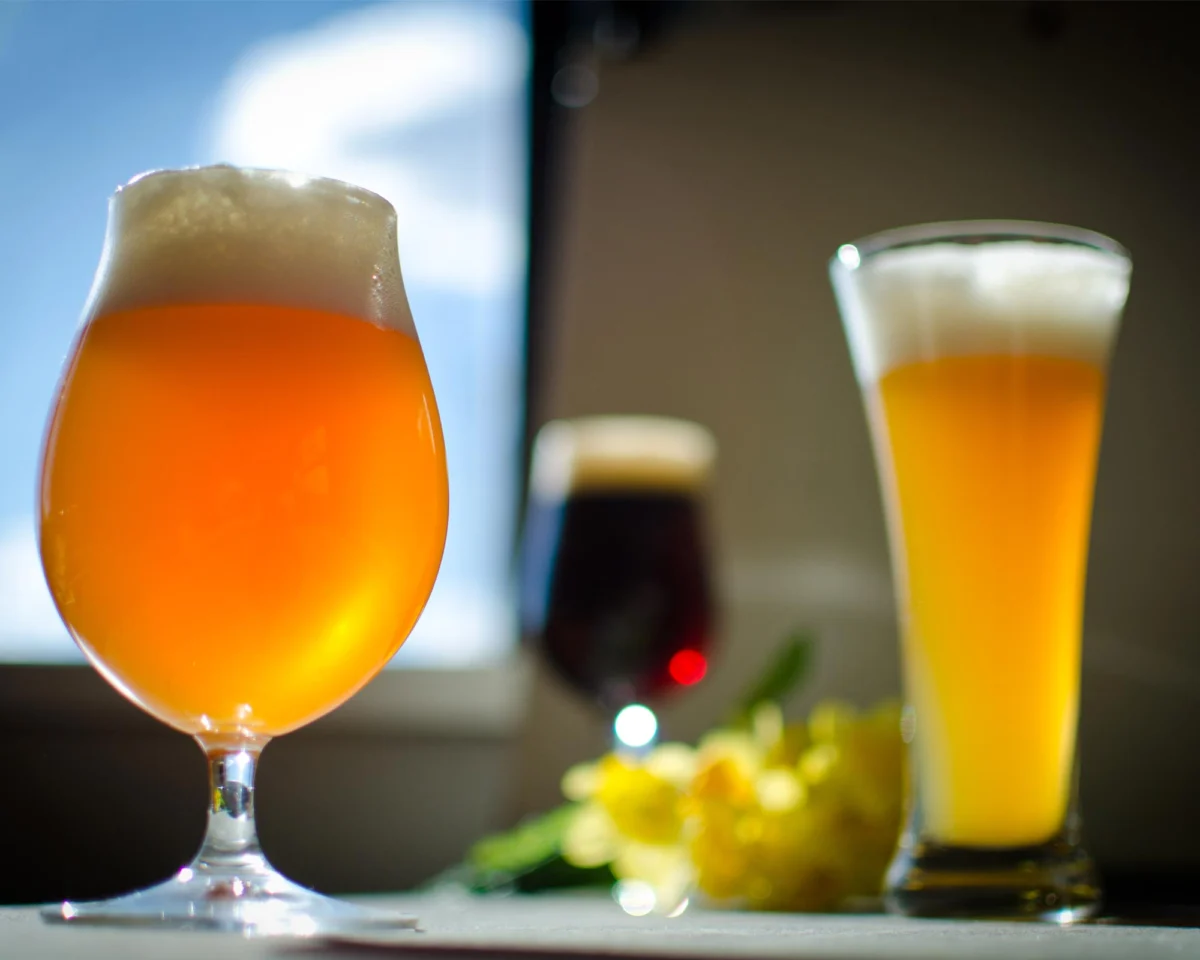
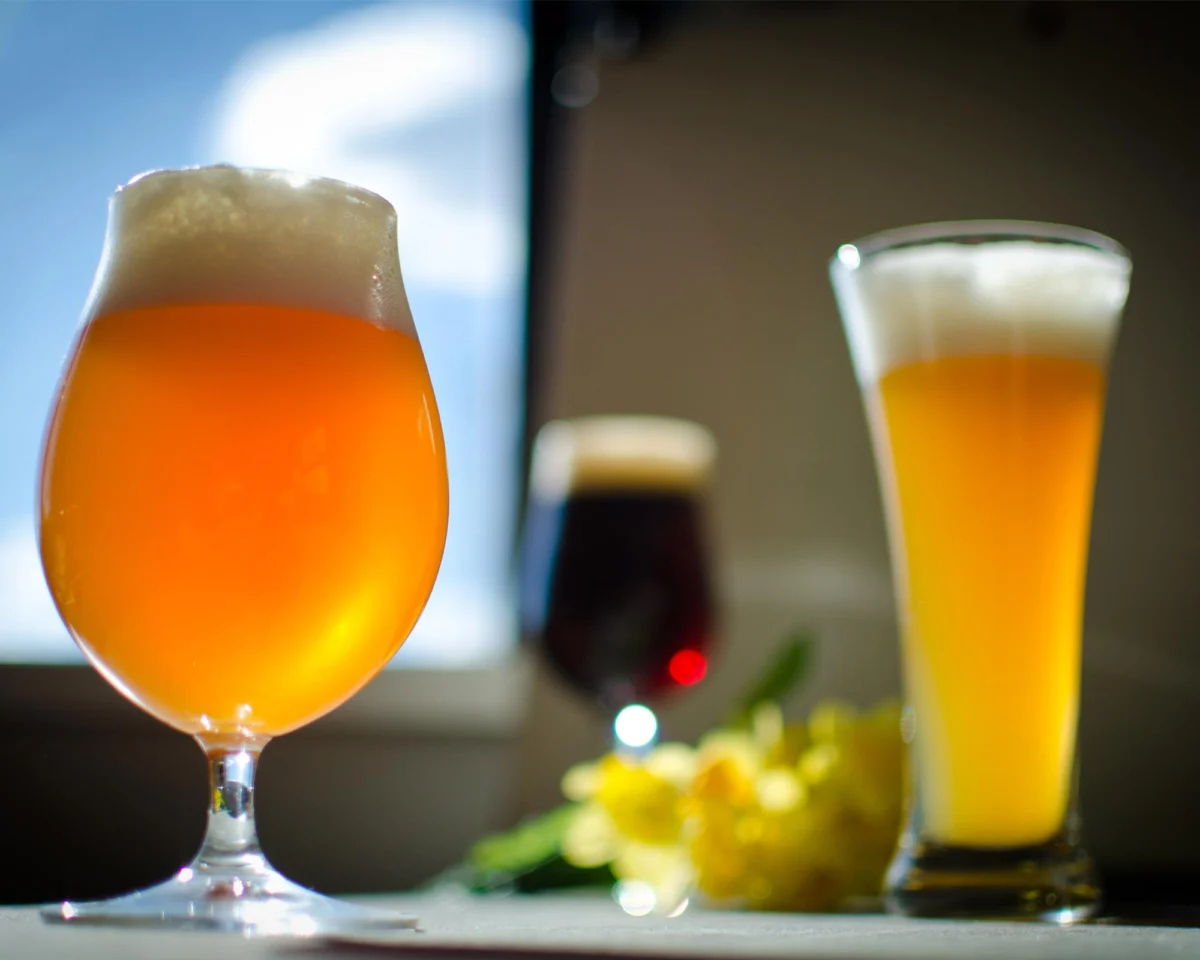
As the global culinary landscape transitions from the heavy, robust flavors of winter to the delicate profiles of the spring harvest, a significant shift in both professional kitchens and craft breweries is emphasizing the dual philosophies of simplicity and balance. This seasonal pivot marks the arrival of highly anticipated ingredients, including asparagus, fava beans, English peas, spring onions, ramps, and tender spring lettuces, alongside fresh radishes and scapes. These items, characterized by their brief availability and clean flavor profiles, are increasingly being utilized by chefs who seek to highlight the integrity of the raw product rather than obscuring it through complex preparations. Simultaneously, the craft brewing industry is experiencing a parallel movement, moving away from high-intensity, "palate-wrecking" profiles in favor of sessionable, balanced beers that complement rather than compete with seasonal fare.
The Shift Toward Minimalist Gastronomy
The current culinary ethos among top-tier chefs and independent restaurateurs is increasingly defined by the "simple" pairing. This approach dictates a focus on three or four high-quality ingredients, allowing the inherent flavors of the produce to take center stage. In this context, techniques such as pickling, roasting, marinating, and pureeing are employed with precision to ensure that the brightness of the spring harvest is preserved.
Industry analysts note that this movement toward simplicity is not an indication of reduced effort, but rather an exercise in restraint and sourcing excellence. When a vegetable is harvested at its peak—such as a radish pulled from the soil at the height of its season—it possesses a natural sweetness and crispness that requires little more than a garnish of high-quality butter and sea salt. This minimalist approach serves to tell a narrative of the supply chain, bridging the relationship between the farmer, the chef, and the consumer’s palate.
Chronology of the Spring Harvest and Seasonal Menu Planning
The transition to spring menus typically begins in late March and extends through June, depending on regional microclimates. This period is characterized by a specific chronological rollout of ingredients:
- Early Spring (Late March to Mid-April): The emergence of ramps (wild leeks), fiddlehead ferns, and the first radishes. This is also the peak time for young, fresh cheeses, such as chèvre and ricotta, which are intended for consumption within days of production.
- Mid-Spring (Late April to May): The arrival of English peas, fava beans, and asparagus. This period represents the "green" peak of the season, where chlorophyll-rich flavors dominate restaurant offerings.
- Late Spring (June): The introduction of garlic scapes, spring onions, and more robust lettuces. This phase acts as a bridge to the summer harvest, which brings heavier nightshades and stone fruits.
For the brewing industry, this timeline dictates the release of seasonal styles such as Saisons, Maibocks, and Pilsners. These styles are engineered to provide a crisp finish that aligns with the lighter, more acidic profile of spring cuisine.
The Science of Pairing: Balance as a Culinary Standard
The pursuit of balance in pairings—specifically between craft beer and artisanal food—is rooted in the chemical interaction between malt, hops, carbonation, and food components such as fat, protein, and acidity. A primary example of this synergy is the pairing of a classic pale ale with aged Parmesan Reggiano.
From a technical standpoint, the nuttiness and umami of the cheese find a counterpoint in the malt backbone of the pale ale. Simultaneously, the beer’s carbonation acts as a palate cleanser, cutting through the creaminess and fat content of the cheese. The bitterness of the hops provides a "pop" that prevents the pairing from becoming cloying. This interaction illustrates the concept of balance: no single element overwhelms the other, resulting in a cohesive sensory experience.
Similarly, the pairing of a farmhouse-style Saison with spring radishes demonstrates how peppery phenols in the yeast can mirror the natural spice of the vegetable. These interactions are becoming the focal point of modern gastropubs, where the goal is to create a "moment" of complete sensory alignment.
Supporting Data: Trends in Craft Beer and Farm-to-Table Markets
Data from the Brewers Association, a not-for-profit trade group representing small and independent U.S. craft brewers, indicates a growing consumer preference for "sessionable" beers—those with lower alcohol by volume (ABV) and higher drinkability. According to recent market reports, while India Pale Ales (IPAs) remain the dominant category, there has been a 12% increase in the production of lighter, traditional European styles like Saisons and Lagers over the last three fiscal quarters.
In the agricultural sector, the demand for "hyper-local" sourcing has seen a marked increase. The USDA’s Economic Research Service reports that local food sales in the United States have grown significantly over the last decade, reaching an estimated $12 billion annually. This growth is driven by consumer demand for transparency and the superior flavor profiles associated with short transit times from farm to table. Chefs who prioritize these ingredients are finding that the quality of the raw material allows for the "simplicity" currently trending in the industry.
Professional Perspectives on Simplicity and Sourcing
Leading figures in the culinary world suggest that the move toward simplicity is a reaction to the "over-indulgence" of the previous decade. During the mid-2010s, culinary trends often favored "over-the-top" presentations and experimental fusion that could sometimes result in a muddled palate.
"Achieving simplicity and balance takes more focus and dedication than complexity does," notes one industry veteran. "It means you have nowhere to hide. If you serve a dish with only three ingredients, every one of those ingredients must be perfect. You have to create relationships with the best possible farmers to make that simple bite shine."
Brewers share a similar sentiment regarding the production of balanced beers. While "palate-wrecking" beers with extreme bitterness or high ABV often garner social media attention, the technical skill required to brew a balanced, clean-finishing ale or lager is increasingly recognized as the true mark of a master brewer. This drive toward "balancing the palate" is now a central pillar of the craft beer identity.
Broader Impact and Economic Implications
The emphasis on seasonal simplicity has broader implications for the economy and the environment. By focusing on spring-specific produce, restaurants reduce their carbon footprint associated with long-distance shipping. Furthermore, the reliance on small, independent breweries and local farms keeps capital within regional economies.
The Brewers Association emphasizes that small and independent breweries are often the primary drivers of innovation in local markets. Their ability to pivot quickly to seasonal releases allows them to stay in sync with local agricultural cycles. This synergy between the glass and the plate is not merely a culinary preference but a sustainable business model that supports biodiversity and local heritage.
As the spring season progresses, the industry’s focus remains on the "clean and bright" flavors that define the period. The move toward simplicity is expected to influence upcoming summer menus, where the focus will shift to the preservation of peak-season fruits and vegetables through similarly minimalist techniques.
Conclusion: The Future of the Seasonal Palate
The current trend toward simplicity and balance in spring pairings represents a maturation of the American culinary and craft beer movements. By moving away from the "more is more" philosophy, chefs and brewers are fostering a deeper appreciation for the nuances of their ingredients. Whether it is the subtle pepperiness of a radish or the delicate malt-to-hop ratio in a pale ale, the focus is now firmly on the "moment"—a complete experience where the story of the harvest is told through a single, balanced bite and sip.
This evolution suggests that the future of gastronomy lies not in further complication, but in the relentless pursuit of quality and the courage to take something off the plate. As spring menus continue to evolve, the industry remains dedicated to highlighting the blissful simplicity of ingredients raised by caring hands and served at their absolute best. For the consumer, this means a season of flavors that are not just tasted, but truly experienced in their most authentic form.