admin
admin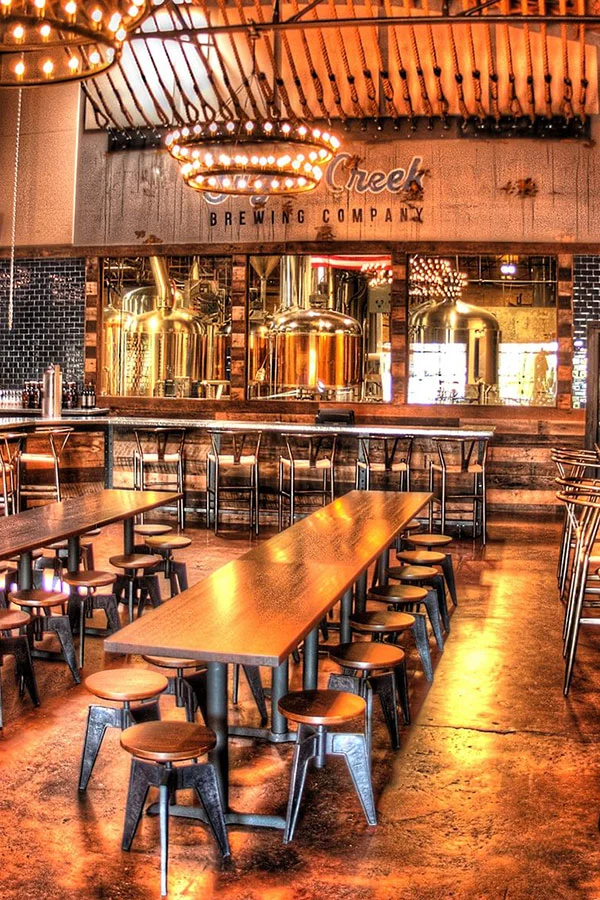
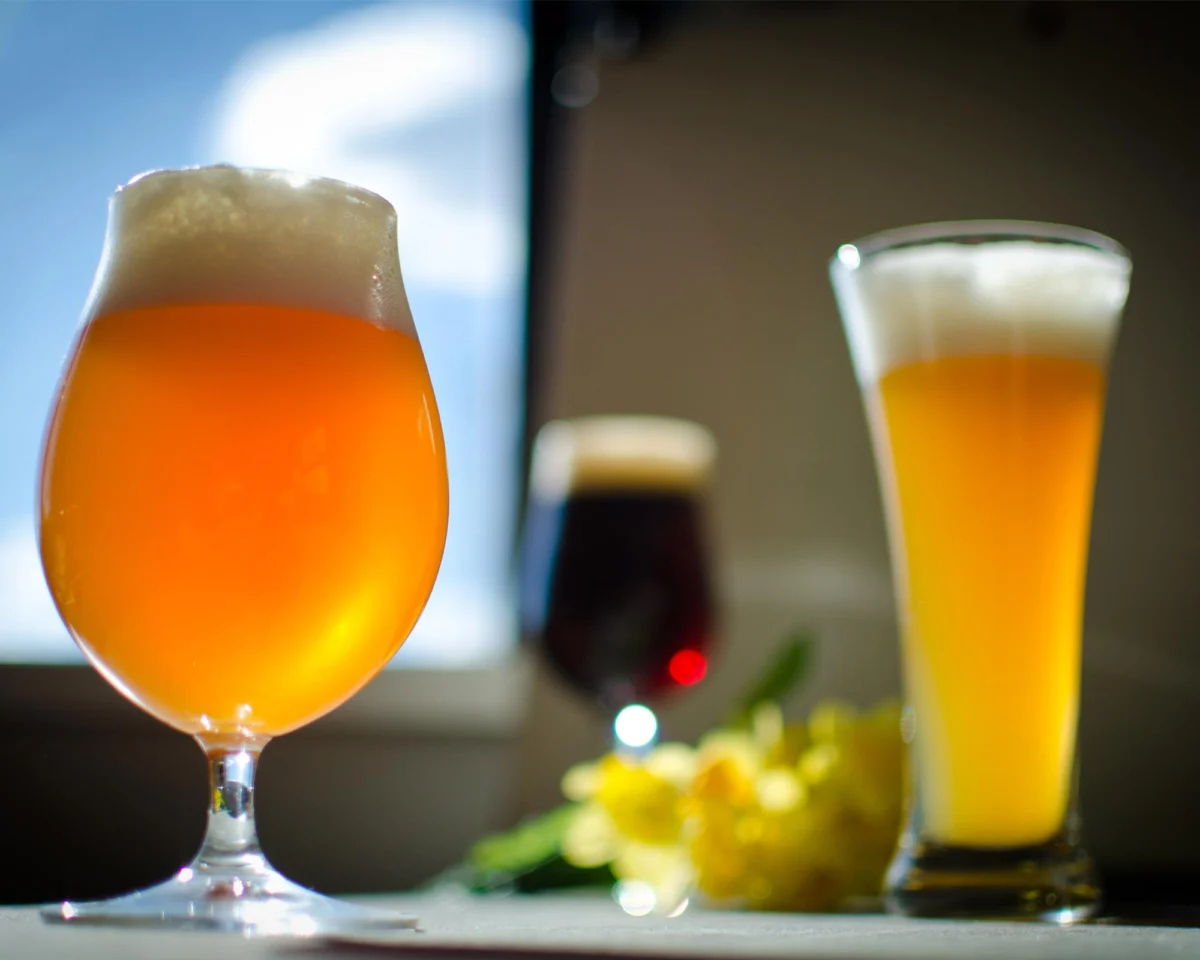
The emergence of artificial intelligence (AI) as a dominant force in the global economy has fundamentally altered the trajectory of numerous traditional industries, and the craft beer sector is no exception. Once defined by the artisanal intuition of the "master brewer," the industry is increasingly integrating machine learning, large language models (LLMs), and the Internet of Things (IoT) to refine production cycles, enhance quality control, and push the boundaries of flavor profile development. While the broader public discourse surrounding AI often focuses on its potential to displace human labor, craft breweries across the United States are demonstrating that the technology functions more effectively as a "creativity enhancer" than a replacement for human craftsmanship.
The Chronology of AI Integration in Modern Brewing
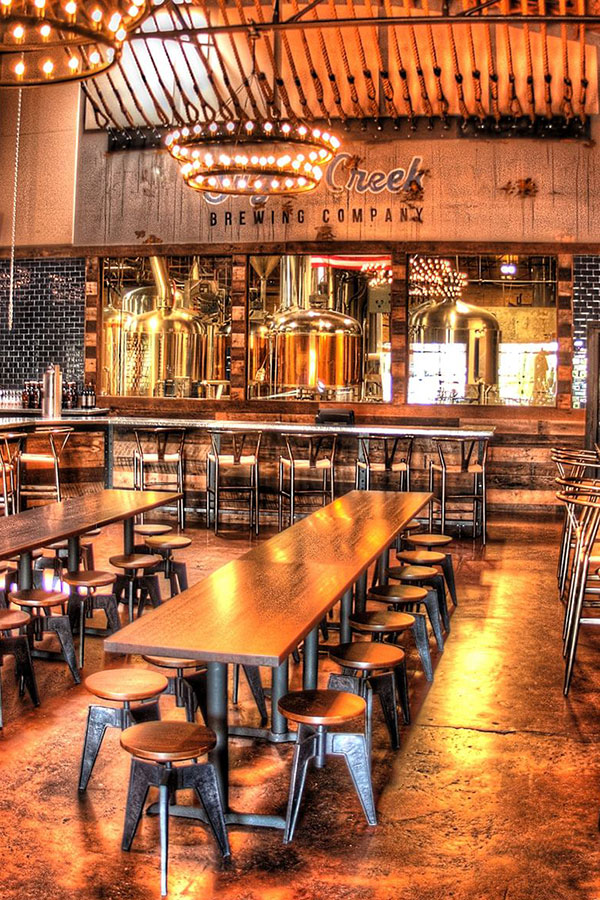
The intersection of brewing and advanced data analytics began to accelerate in the early 2020s, coinciding with the broader commercialization of generative AI. By 2023, the industry saw a wave of experimental releases as brewers sought to test the creative limits of tools like OpenAI’s ChatGPT. In Charlotte, North Carolina, Sugar Creek Brewing Company became an early adopter of AI-driven operational technology, utilizing a network of sensors and AI models to monitor the physical properties of their beer during the packaging process.
Following this operational shift, the focus turned toward recipe formulation. In 2023 and early 2024, breweries such as Asbury Park Brewery in New Jersey and Atwater Brewing in Detroit launched "AI-IPAs," products whose ingredient lists were generated by algorithms. Urban Forest Craft Brewing in Rockford, Illinois, followed suit with "Put the AI in sAIson," a play on the traditional Belgian farmhouse style. These milestones represent a shift from using technology for back-end logistics to employing it as a primary tool in the creative process.
Operational Efficiency and Quality Assurance
For many breweries, the initial draw toward artificial intelligence was not flavor, but consistency. Craft brewing is a delicate biological process where minor fluctuations in temperature, pH levels, or pressure can result in significant product loss. Sugar Creek Brewing Company serves as a primary case study for how AI can mitigate these risks. By deploying an AI-powered monitoring system, the brewery tracks variables including fill levels, temperature, and foam consistency in real-time.
This data-centric approach addresses a chronic issue in the industry: "breakout" or excessive foaming during bottling and canning, which leads to oxygen ingress and shortened shelf life. The AI models analyze streaming data from the production line, identifying patterns that precede quality dips. This allows for predictive maintenance and real-time adjustments that human operators might miss, ultimately reducing waste and ensuring that the consumer receives a product that matches the brewer’s intent.
Generative AI and the Acceleration of Recipe Development
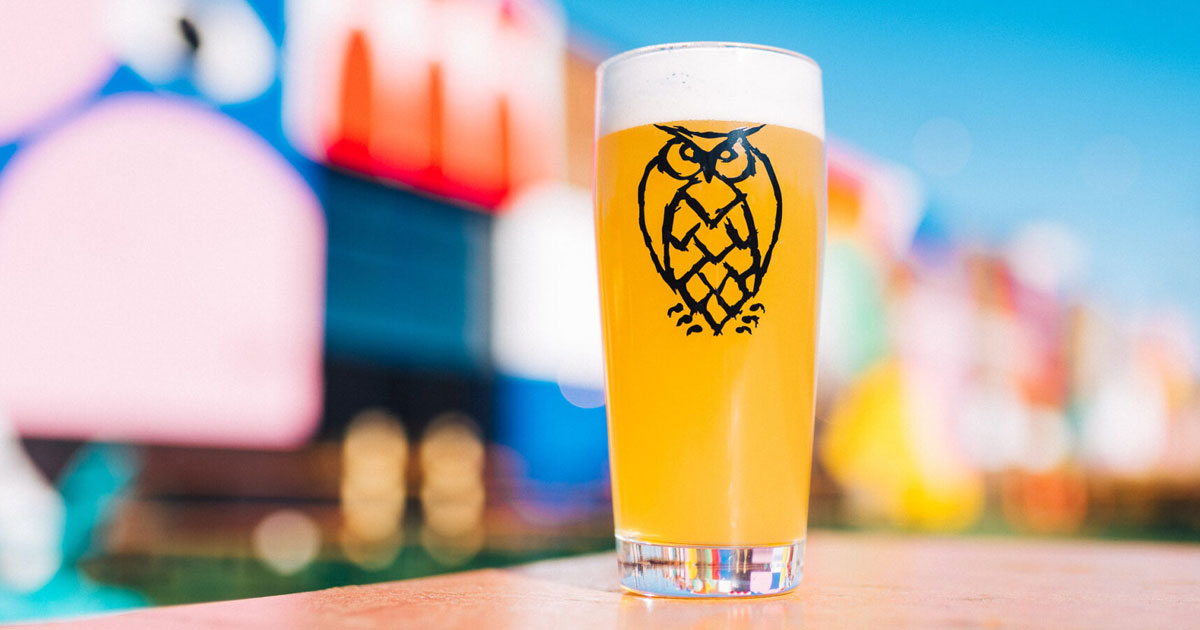
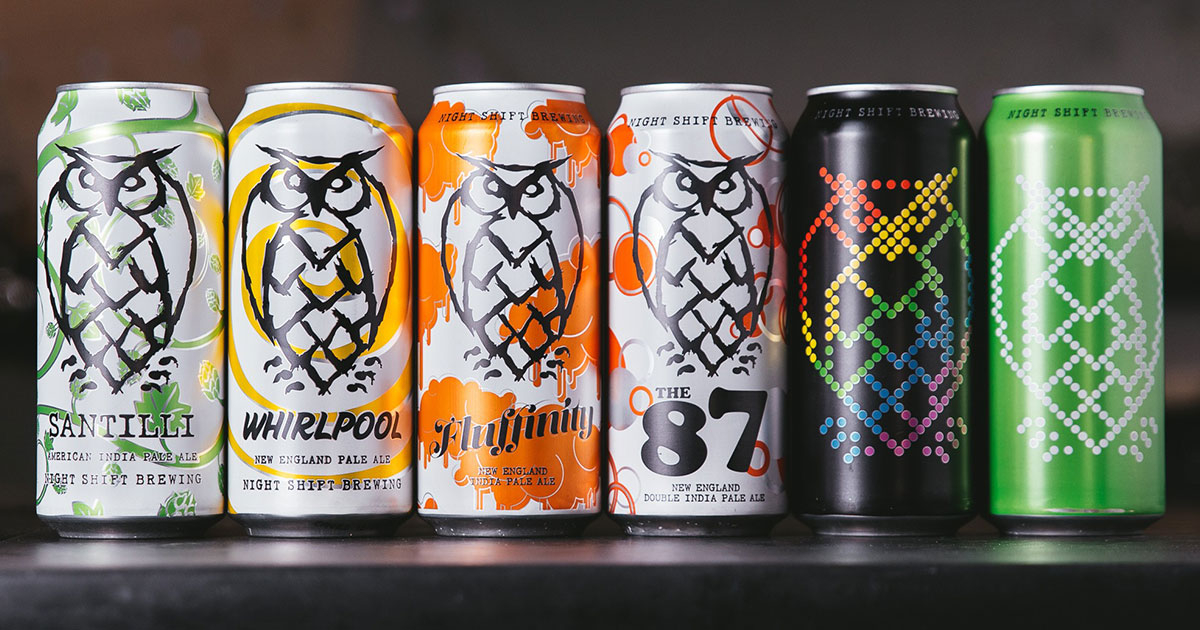
Beyond the logistics of the taproom and the bottling line, generative AI is drastically reducing the "R&D" (research and development) phase for new beer releases. Michael Oxton, co-founder of Night Shift Brewing in Boston, recently utilized ChatGPT to formulate a hazy IPA. The AI was tasked not only with selecting hops and malts but also with calculating a complex water profile—the mineral composition of the brewing water that significantly impacts mouthfeel and hop expression.
According to Oxton, the AI provided a comprehensive recipe, including precise water chemistry and hop additions, in a matter of minutes. Under traditional circumstances, developing a new water profile and grain bill of that complexity could require weeks of manual research, testing, and pilot batching. The resulting beer, dubbed "AI-PA," featured a profile of mango, watermelon, and citrus. While the AI provided the blueprint, Night Shift’s human brewers were required to translate those digital instructions into a physical product, adjusting for the specific inventory of hops and the technical limitations of their brewhouse.
Advanced Neural Networks: The Species X Case Study
While many brewers use off-the-shelf LLMs, some have moved toward proprietary, specialized models. The Species X Beer Project represented a more sophisticated tier of AI integration. Founder Beau Warren, who possesses a background in both beer microbiology and data analytics, developed a dual-track system: "Carbon Species" (human-designed recipes) and "Silicon Species" (AI-designed recipes).
Warren programmed seven distinct AI models using a combination of regression analysis and neural networks. These models were trained on vast datasets of beer styles, chemical compositions, and historical success rates of various recipes. Unlike a general-purpose chatbot, these models were "style-specific," with individual algorithms dedicated to IPAs, lagers, fruited sours, and even low-alcohol beverages.
One of the most notable outputs from these models was an imperial pastry Baltic porter created by a model named "Beh3moth." The recipe was an exercise in extreme complexity, utilizing 12 types of malt, three varieties of fruit, coffee, vanilla, lactose, and marshmallows, followed by a dry-hopping technique typically reserved for New England IPAs. Warren noted that the AI frequently "threw tradition out the window," suggesting ingredient combinations that a human brewer, conditioned by years of industry standard practices, would likely never consider.
The Role of Microbiological Data and Yeast Selection
The innovation extends deep into the raw materials of brewing, specifically yeast. Propagate Lab, a Colorado-based yeast propagation facility, introduced "Yeast Buddy," an AI chatbot designed to help brewers navigate the complexities of fermentation. With hundreds of available yeast strains, each producing different esters, phenols, and attenuation rates, selecting the "perfect" strain for a specific flavor profile can be a daunting task for even experienced brewers.
Yeast Buddy functions as a recommendation engine, allowing brewers to input their desired end-state—such as "stone fruit aromas with a dry finish"—and receiving a narrowed-down selection of strains that fit the criteria. Matthew Peetz, founder of Propagate Lab, compares the tool to a high-speed library catalog. By automating the search through microbiological data, the AI encourages brewers to move away from "safe" or "standard" yeast strains, fostering greater diversity in the craft beer market.
Economic Implications and Market Data
The push for AI integration comes at a critical time for the craft beer industry. According to data from the Brewers Association, while the number of operating craft breweries in the U.S. remains at an all-time high (over 9,500), the industry has faced headwinds including rising ingredient costs, supply chain disruptions, and shifting consumer preferences toward spirits and non-alcoholic options.
In this economic climate, efficiency is a survival mechanism. AI’s ability to optimize recipes for cost-effectiveness—by suggesting alternative hop varieties with similar alpha-acid profiles or optimizing grain bills for better extraction—provides a tangible financial advantage. Furthermore, the speed of AI-assisted development allows breweries to respond more quickly to market trends, such as the sudden surge in popularity of "Cold IPAs" or smoothie sours.
However, the technology is not a panacea. The recent closure of Species X Beer Project, despite its technological prowess, highlights that AI cannot fully insulate a business from broader economic constraints or the fundamental challenges of the hospitality industry.
The "Human-in-the-Loop" Necessity
A recurring theme among industry professionals is the necessity of human oversight, often referred to in tech circles as the "human-in-the-loop" model. Matthew Peetz of Propagate Lab Likens AI to a "calculator," noting that if the input data is flawed, the output will be equally problematic.
Brewers emphasize that AI lacks the sensory capacity to "taste" the final product. While a model can predict that a certain combination of hops will yield a citrus aroma, it cannot account for the nuance of a specific harvest’s quality or the way a beer’s flavor evolves as it ages in the can. Furthermore, human intervention is required to set "guardrails"—safety parameters that ensure the AI does not suggest a recipe that would be physically impossible to brew or potentially damaging to brewing equipment.
Future Outlook and Broader Impact
As AI technology continues to evolve, its presence in the craft beer industry is expected to shift from a marketing novelty to a standard operational tool. Future applications may include AI-driven consumer feedback loops, where taproom reviews are analyzed in real-time to adjust the recipes of future batches, or supply chain models that automatically order raw materials based on predictive sales data.
For the consumer, the impact of AI in brewing is largely positive, resulting in greater variety, higher consistency, and the emergence of "impossible" flavors that bridge traditional style categories. For the brewer, the technology represents a new frontier of education. By automating the "tedious" aspects of recipe math and data sorting, AI allows brewers to focus on the more artistic and sensory aspects of their trade.
In conclusion, the integration of artificial intelligence into craft brewing does not signal the end of the human brewer. Instead, it marks the beginning of a collaborative era where data and intuition work in tandem. As Beau Warren suggested, the technology has the potential to make brewers "superhuman," providing them with the analytical power to explore the infinite landscape of fermentation with unprecedented precision and speed. The pint of the future will likely be a product of both carbon and silicon, blending the best of ancient tradition with the cutting edge of modern science.