admin
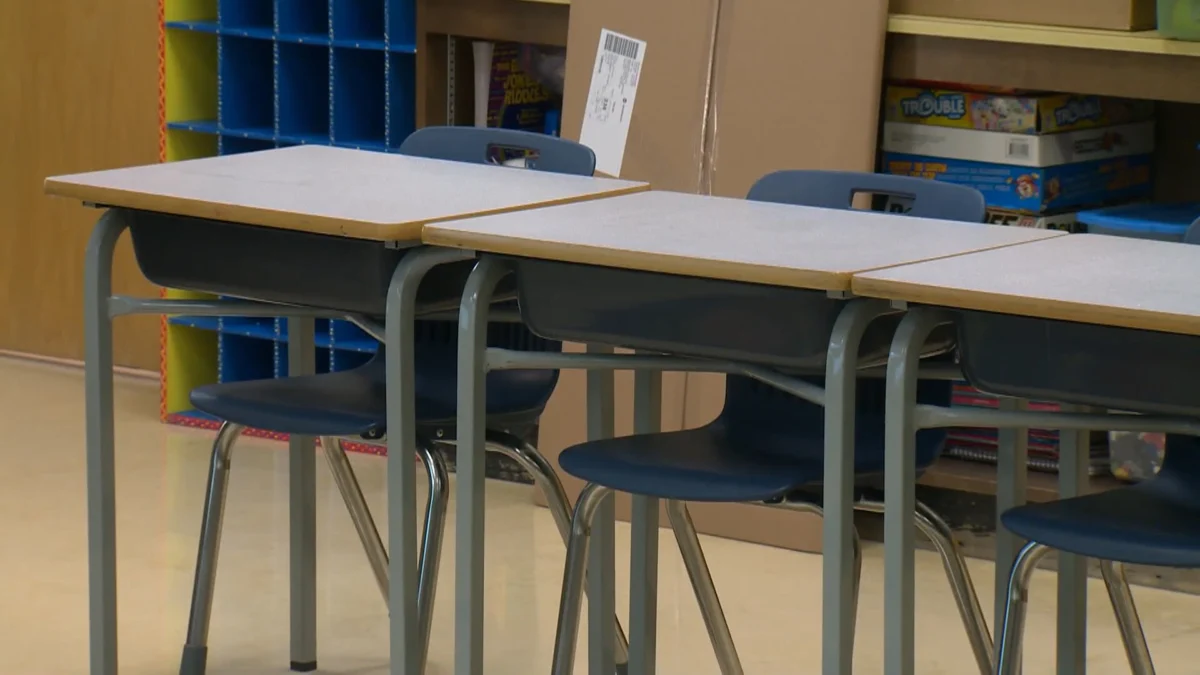
Nova Scotia’s public education system is teetering on the brink of significant disruption as the Canadian Union of Public Employees (CUPE), representing over 5,500 vital school support staff, announced its preparedness for a province-wide strike commencing next Monday. This imminent action follows ten months of protracted and largely unfruitful negotiations between the union and the provincial government, with CUPE indicating a formal 48-hour strike notice will be issued this Friday unless a breakthrough agreement is reached. The potential work stoppage threatens to impact thousands of students and families across the province, raising widespread concerns about educational continuity and the broader socio-economic fallout.
The Looming Deadline: A Chronology of Escalation
The current impasse stems from a bargaining process that has spanned nearly a year, beginning approximately ten months ago. Throughout this period, the Nova Scotia School Board Council of Unions (NSSBCU), which consolidates the leadership of eight CUPE locals representing diverse school support staff, has been at the negotiating table with provincial representatives. Despite numerous rounds of talks, the two parties remain significantly divergent on key issues, primarily revolving around wage increases and compensation.
The union’s patience appears to have worn thin, culminating in Monday’s declaration of intent to strike. This strategic announcement serves as a final push for a resolution before the critical Friday deadline, when the formal 48-hour strike notice would officially trigger the countdown to Monday’s walkout. Should no agreement materialize by Friday afternoon, picket lines are expected to form across Nova Scotia’s school districts, effectively shutting down many essential functions that underpin daily school operations.
The Core of the Dispute: Wages and Cost of Living
At the heart of the contentious negotiations are the wage demands put forth by CUPE, which its members assert are crucial for achieving a "decent minimum wage" amidst Canada’s escalating cost of living. Nelson Scott, chair of the NSSBCU, articulated the union’s position clearly: "Our members have made it quite clear that they need a decent minimum wage. And we think, believe that $3.50 over four years is not a whole lot to ask for." This proposed increase of $3.50 per hour spread over a four-year period is positioned by the union as a modest yet necessary adjustment to address the financial pressures faced by its members.

In stark contrast, the provincial government’s offer, according to CUPE, falls significantly short of these expectations. For the lowest classifications of school support workers, the province is reportedly offering an increase of just over $1.60 per hour, extended over a much longer period, reaching until 2029. This disparity, particularly when viewed against the backdrop of persistent inflation and a challenging housing market in Nova Scotia, underscores the fundamental disagreement between the two sides. Union representatives argue that the province’s offer fails to adequately recognize the vital contributions of these workers or provide them with a living wage that keeps pace with economic realities.
Who Are the School Support Workers? The Backbone of Education
The potential strike involves more than 5,500 dedicated individuals whose roles are indispensable to the functioning of Nova Scotia’s public schools. These are not just auxiliary staff; they are the bedrock upon which the daily educational environment is built. The NSSBCU comprises a wide array of professionals, including:
- Education Program Assistants (EPAs): These individuals provide crucial one-on-one support to students with diverse learning needs, including those with physical, cognitive, and behavioural challenges. Their presence often dictates a student’s ability to attend school and participate in learning.
- Lead Early Childhood Educators (ECEs): Integral to pre-primary programs, ECEs lay the foundational learning experiences for young children, preparing them for elementary school.
- Bus Drivers: Responsible for the safe transportation of thousands of students to and from school each day, ensuring accessibility to education, particularly in rural areas.
- Janitors and Custodians: Maintaining clean, safe, and healthy learning environments, their work is critical for student well-being and preventing the spread of illness.
- Cafeteria Workers: Providing nutritious meals and snacks, these staff members contribute to student health and concentration throughout the school day.
- Library Technicians, Administrative Assistants, Maintenance Workers: A host of other roles that ensure school libraries are functional, offices run smoothly, and facilities are well-maintained.
The absence of any of these groups for an extended period would render normal school operations virtually impossible, forcing closures or significantly altered learning models across the province.
The Government’s Perspective: Fiscal Constraints and Public Opinion
Premier Tim Houston, speaking to reporters on Wednesday, expressed optimism for a resolution before Friday’s deadline, reiterating his belief that the provincial government’s offer is "more than fair." However, he also emphasized the province’s financial limitations, hinting at the delicate balance between public sector wage demands and broader fiscal responsibilities. "Obviously the province only has so much money and we remember what happened around the budget times," Houston remarked, referencing recent provincial budget discussions where public opinion on spending priorities was a prominent theme.
The Premier’s comments reflect a common challenge faced by governments during public sector wage negotiations: managing taxpayer expectations and maintaining budgetary discipline while addressing the legitimate concerns of workers. Nova Scotia, like many Canadian provinces, is grappling with significant pressures on its public finances, including investments in healthcare, housing, and infrastructure. The government’s stance suggests a cautious approach to wage increases, aiming to avoid setting precedents that could have far-reaching implications for other public sector bargaining units.

Profound Impact on Students and Families: A Deepening Sense of Limbo
The specter of a province-wide strike has cast a long shadow over Nova Scotian families, many of whom are already navigating the complexities of modern life. The immediate and most profound impact would be on student learning and well-being. Kirkley Westhaver, a concerned parent who recently spoke to Global News, highlighted the particular vulnerability of students requiring specialized support. Her daughter, who relies on an EPA in class, would face the stark choice of missing school entirely or requiring Westhaver to be present in the classroom – a logistical impossibility for many working parents.
This scenario is echoed by thousands of families across the province. Working parents, especially those without flexible work arrangements or robust support networks, would struggle to find alternative childcare and supervision for their children during school hours. The disruption extends beyond academics, affecting extracurricular activities, school-based nutrition programs, and the vital routines that provide stability for children and adolescents. For students with special needs, the absence of their dedicated support staff could lead to significant regression in their progress and an increased sense of anxiety.
Expert Analysis: The Economic and Social Crossroads
Business professor Ed McHugh, who teaches at Dalhousie, Saint Mary’s, and Mount Saint Vincent universities, offered a sobering assessment of the situation. He acknowledged the "unfortunate reality" that children invariably end up "stuck in the middle" of such disputes. McHugh’s analysis points to the broader economic forces at play, particularly high inflation and the increasing cost of living, which he believes make a quick resolution unlikely if a strike proceeds.
"It’s a bit of a circle here: that the government’s saying, ‘We don’t have the money,’ but the workers are saying, ‘We need the money.’ And somewhere in the middle is the right solution," McHugh observed. His comments encapsulate the fundamental dilemma: workers facing real financial strain feel compelled to demand wages that keep pace with their expenses, while the government, as custodian of public funds, must weigh these demands against its overall fiscal capacity and other societal needs. The current economic climate, characterized by elevated consumer prices and persistent housing affordability challenges, amplifies the pressure on both sides to find a compromise that feels equitable and sustainable. Prolonged disputes often result in significant economic costs, not only in lost wages for striking workers but also in the broader economic ripple effects of school closures and parental absenteeism from work.
Broader Context: Labour Relations and Public Expectations
This potential strike is not an isolated event but rather part of a larger trend of increased labour unrest across Canada, particularly within the public sector. Workers, feeling the squeeze of inflation, are increasingly willing to take job action to secure better wages and working conditions. Nova Scotia has seen its share of labour tensions in recent years, reflecting a broader national conversation about fair compensation, the value of public services, and the role of government as an employer.

The outcome of these negotiations will undoubtedly have implications beyond CUPE’s school support workers. It could set a precedent for other public sector bargaining units in the province, influencing future negotiations and potentially shaping the landscape of labour relations in Nova Scotia for years to come. The public, while sympathetic to the financial struggles of workers, also holds strong expectations for uninterrupted public services, especially education. The challenge for both CUPE and the provincial government lies in finding a solution that addresses the legitimate demands of workers, respects fiscal realities, and minimizes the negative impact on the very public they serve.
Looking Ahead: What’s at Stake
As Friday approaches, the pressure intensifies on both CUPE and the provincial government to return to the bargaining table with renewed urgency and a willingness to find common ground. The stakes are incredibly high: for the 5,500+ school support workers, it’s about fair compensation and dignity in their essential roles; for the provincial government, it’s about fiscal responsibility and maintaining public services; and for Nova Scotian families, it’s about the continuity of their children’s education and their ability to navigate daily life.
The next few days will be critical in determining whether Nova Scotia’s schools will open their doors as usual next Monday, or if the province will face a widespread shutdown of educational support services, forcing an unprecedented period of uncertainty for its students and the broader community. The hope remains that eleventh-hour negotiations can avert a strike and deliver a resolution that satisfies the needs of all parties involved, ensuring that the province’s vital school support workers are appropriately valued and that students’ education remains uninterrupted.