admin
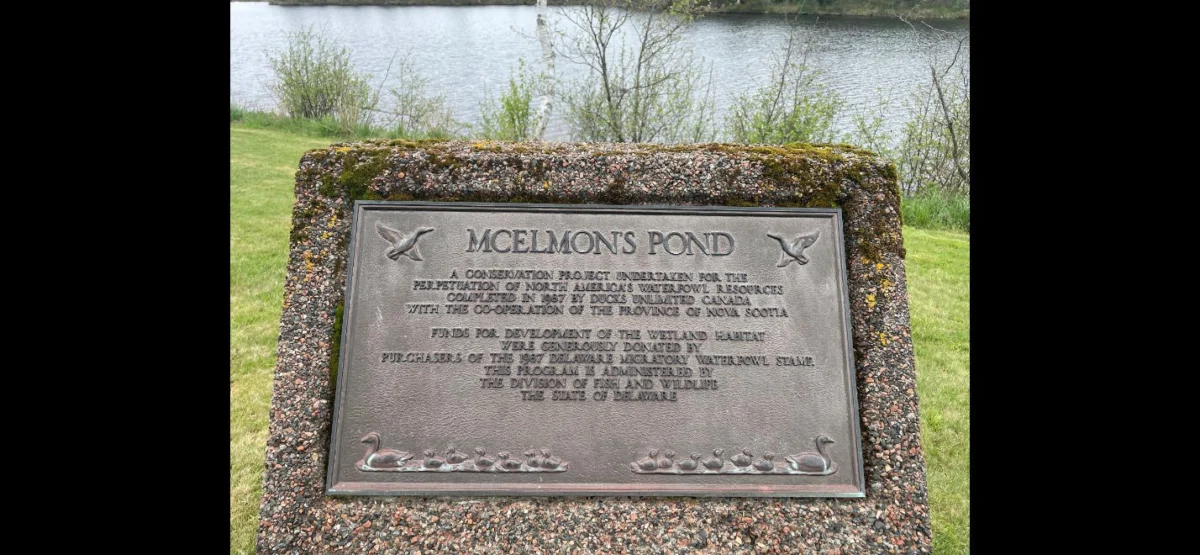
Colchester County, Nova Scotia – Authorities in Colchester County are grappling with a disconcerting wave of thefts targeting historically significant plaques from monuments and provincial parks, raising concerns that these irreplaceable links to the region’s past are being pilfered for their scrap metal value. The Royal Canadian Mounted Police (RCMP) have launched an extensive investigation, appealing to the public and particularly to scrap metal dealers for assistance in recovering the stolen artifacts and identifying those responsible for these acts of cultural vandalism. The incidents, reported throughout October, underscore a troubling trend where the material worth of bronze and brass overshadows their profound historical and educational significance.
A Pattern of Dispossession: The Chronology of Thefts
The series of thefts came to light on October 23, 2026, when RCMP officers received two separate reports detailing the removal of historical markers. The first reports originated from Londonderry, a community steeped in Nova Scotia’s industrial heritage. Two distinct plaques, each detailing aspects of the area’s rich mining history, were discovered missing from monuments within a provincial park. Investigators believe these specific thefts occurred sometime in October, pointing to a recent and concentrated effort by perpetrators.
On the same day, another unsettling discovery was made in Lower Onslow. A plaque commemorating crucial conservation efforts for the local waterfowl habitat, an ecological initiative vital to the region’s biodiversity, was found to have been removed from another provincial park. Unlike the Londonderry incidents, police estimate this theft took place over a more extended period, sometime within the preceding three months, suggesting a potentially earlier or less immediate detection.
Adding to the growing list of stolen heritage items, an ongoing investigation is also focused on the disappearance of a brass plaque of considerable historical importance. This particular artifact commemorated the Ingonish-French River Portage route, a historic pathway critical to early travel and trade in the region. The monument from which it was stolen is located near Harry Elliott Road in Lower Onslow and is notably maintained by Parks Canada, indicating its national historical significance. This theft is believed to have occurred around September 17, 2026, providing a more precise timeframe for investigators. The disparate locations and varying timelines suggest either multiple opportunistic actors or a sophisticated operation targeting valuable metal across the county.
The Irreplaceable Value of Local History and Ecology
The plaques targeted in these thefts are far more than mere pieces of metal; they serve as tangible touchstones to Nova Scotia’s layered past and its ongoing commitment to environmental stewardship.

The Londonderry plaques likely illuminated the narrative of the Londonderry Iron Mines, a pivotal industrial enterprise that profoundly shaped the economic and social landscape of Colchester County and indeed, the entire province, from the mid-19th century into the early 20th century. The mines, at their peak, were a significant employer, drawing skilled workers and contributing to technological advancements in metallurgy. The stories etched into these plaques would have detailed the lives of miners, the innovations of the industry, and the impact of the ironworks on community development. Their loss erases direct, publicly accessible reminders of a period crucial to Canada’s industrial growth, making it harder for residents and visitors alike to connect with the physical remnants of this once-thriving industrial hub.
The Lower Onslow waterfowl conservation plaque represented a different, yet equally vital, aspect of local heritage: environmental preservation. Nova Scotia is home to diverse ecosystems, and its wetlands and coastal areas are critical habitats for numerous waterfowl species. Plaques commemorating such efforts often highlight specific initiatives, the species protected, and the collective community action taken to safeguard these natural resources. The removal of this plaque not only obscures a record of ecological achievement but also diminishes public awareness and appreciation for ongoing conservation imperatives, potentially impacting educational programs and local engagement with environmental protection.
The Ingonish-French River Portage route plaque, with its connection to Parks Canada, carries a national weight. Historical portage routes like this are invaluable for understanding Indigenous travel patterns, early European exploration, and the development of fur trade networks that shaped the colonial history of North America. These routes were critical arteries for communication and commerce for centuries, linking waterways and facilitating movement across challenging terrains. The brass plaque, potentially decades old, would have offered a concise yet powerful insight into this historical pathway, its significance to the Mi’kmaq people, and later to European settlers. Its theft represents a direct assault on Canada’s national historical memory, disrupting the narrative presented at a federally maintained heritage site.
RCMP’s Plea and Broader Implications
Constable Quinn Wall, speaking on behalf of the RCMP, articulated the profound disappointment felt by authorities and the community: "It is disappointing to consider that these links to our cultural history are likely being stolen and possibly destroyed for this reason. We want to hear from anyone with information, including scrap dealers who may have awareness of these or other missing items." This statement underscores the primary suspicion that the thefts are driven by the monetary value of the metals, likely brass or bronze, on the scrap market.
The targeting of historical plaques for scrap metal is not an isolated phenomenon exclusive to Nova Scotia. It is a recurring issue in communities across North America and beyond, where the rising price of base metals can incentivize such opportunistic crimes. Bronze and brass, being copper alloys, command higher prices than other common scrap metals, making them attractive targets for individuals looking for quick cash. Once melted down, these items become untraceable, their unique historical engravings and designs obliterated, replaced by anonymous raw material. This reality makes the recovery of the plaques in their original state a challenging prospect once they enter the scrap metal supply chain.
The implications of these thefts extend far beyond the immediate financial loss or the inconvenience of replacing the markers. They represent a significant blow to cultural heritage, civic pride, and educational resources. For local historical societies, park management, and the communities themselves, these plaques are fundamental tools for public education, commemoration, and the preservation of collective memory. Their absence creates gaps in the narrative of a place, making it harder for future generations to understand and appreciate their local legacy.
Furthermore, the thefts raise questions about the security of public monuments and historical sites. While it is impractical to place every plaque under constant surveillance, these incidents may prompt a review of security measures, potentially leading to the installation of more robust fasteners, the use of less valuable but aesthetically similar materials for new plaques, or enhanced patrols in historically significant areas. Community vigilance and reporting suspicious activities become paramount in preventing further losses.

The Role of the Community and Scrap Dealers
The RCMP’s appeal to scrap dealers is a critical component of their investigation. Legitimate scrap metal businesses are often required to record transactions, including the identification of sellers and the types of materials purchased. By alerting dealers to the specific nature of the stolen items, police hope to intercept the plaques before they are melted down or to identify individuals attempting to sell them. Dealers are encouraged to be suspicious of individuals attempting to sell large quantities of plaques or items that clearly appear to be public property or historical artifacts.
Beyond the scrap metal industry, the wider community plays an indispensable role. Residents who frequent provincial parks, historical sites, or even isolated monuments are often the first to notice damage or missing items. Any unusual activity, suspicious vehicles, or individuals seen tampering with public property should be reported to the authorities. The collective eyes and ears of the community can provide vital leads that assist investigators in solving these crimes.
A Call to Action for Heritage Preservation
These incidents serve as a stark reminder of the vulnerability of public heritage assets. The theft of historical plaques is not merely property crime; it is an act that diminishes the collective memory and identity of a community. It underscores the ongoing tension between the intrinsic, intangible value of history and the tangible, material value of the components used to commemorate it.
As the investigations in Colchester County continue, the hope remains that the stolen plaques can be recovered and restored to their rightful places. In the interim, the incidents highlight the need for increased awareness, proactive security measures, and strong community partnerships to safeguard the irreplaceable markers of our shared past for generations to come.
Anyone with information regarding these thefts is urged to contact the Colchester County District RCMP at 902-893-6820. Information can also be provided anonymously through Nova Scotia Crime Stoppers at 1-800-222-TIPS (8477), by securely submitting a web tip at www.crimestoppers.ns.ca, or by using the P3 Tips App. Every piece of information, no matter how small, could be crucial in preserving Nova Scotia’s invaluable heritage.