admin
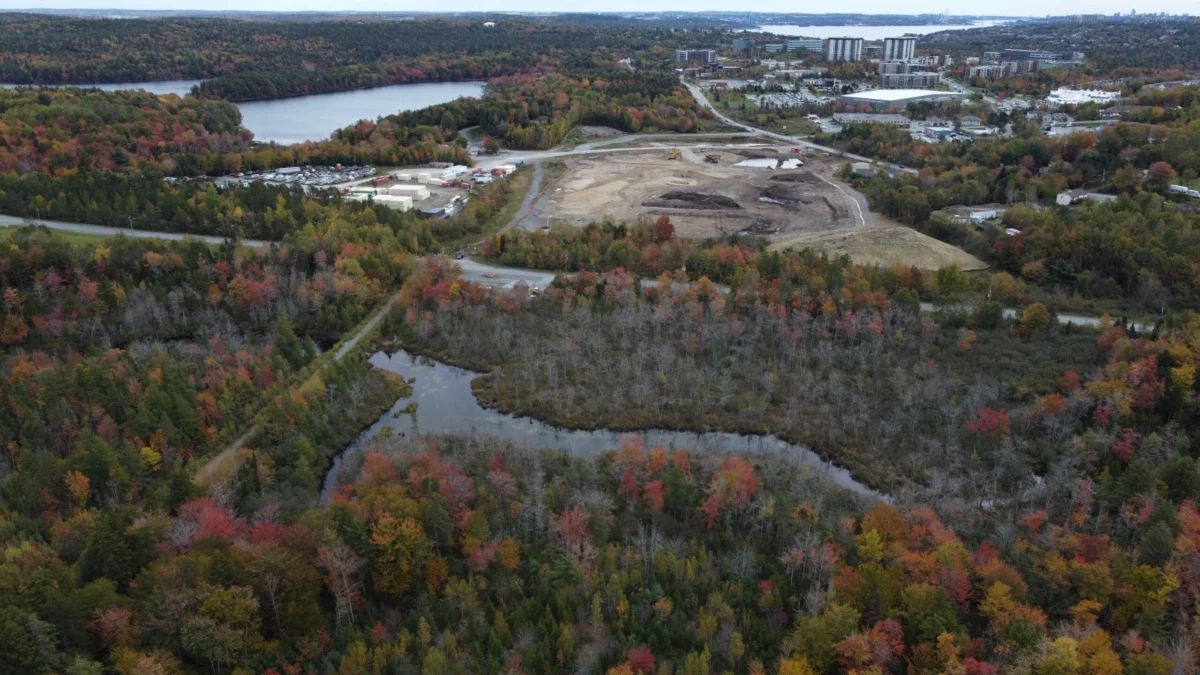
The Nova Scotia provincial government has ignited a significant controversy by authorizing extensive site preparation work within several designated special planning areas across the Halifax Regional Municipality (HRM), most notably around Sandy Lake in Bedford. This directive permits immediate actions such as tree removal, blasting, and earthwork, even as comprehensive development plans and final designs for multi-unit neighbourhoods remain unapproved and subject to further public consultation. This approach has drawn sharp criticism from environmental advocates and municipal leaders, who argue that the province is prioritizing rapid housing development over sound environmental stewardship and established planning principles.
Background: Nova Scotia’s Housing Crisis and the Rise of Special Planning Areas
Nova Scotia, particularly the HRM, has been grappling with a severe housing crisis for several years, exacerbated by a surging population and an inadequate supply of new homes. The demand for housing has consistently outpaced construction, leading to escalating rental rates, soaring property values, and critically low vacancy rates. As of late 2023, Halifax’s rental vacancy rate hovered near one percent, far below the healthy three percent threshold typically indicative of a balanced market. This acute shortage has put immense pressure on both provincial and municipal governments to accelerate housing construction.

In response to this pressing issue, the provincial government, under Housing Minister John White, introduced legislative measures to streamline development approvals, particularly in areas deemed critical for expanding housing stock. A key component of this strategy was the designation of "special planning areas" within the HRM. These areas, totalling 16, were identified as sites where the province could expedite development by taking over certain planning authorities typically vested in the municipality. The stated aim was to cut through bureaucratic delays and fast-track projects that would deliver much-needed housing units. While the province framed these interventions as necessary to address an emergency, critics viewed them as an overreach, undermining local governance and potentially compromising long-term planning objectives.
The Ecological Heart of the Controversy: The Sandy Lake-Sackville River Watershed
At the centre of the current dispute is the Sandy Lake region in Bedford, a pristine natural area that forms a vital part of the larger Sandy Lake-Sackville River watershed. This watershed is a critical ecological corridor, home to old-growth forests, diverse wetlands, and a rich array of biodiversity, including several species of conservation concern. The forests around Sandy Lake act as significant carbon sinks, playing a role in local climate change mitigation, while the wetlands filter water and support aquatic ecosystems. Furthermore, Sandy Lake itself is a cherished recreational area for residents, offering opportunities for swimming, hiking, and wildlife observation.
For decades, local environmental groups, led by organizations such as the Ecology Action Centre and the Sandy Lake Conservation Association, have advocated for the protection and preservation of the entire watershed. Their vision includes establishing a regional park that would safeguard its ecological integrity while providing public access for nature-based recreation. Previous municipal plans and public consultations have consistently highlighted the community’s desire to protect this green space from encroaching urban sprawl. The current provincial approval for site preparation work directly clashes with these long-standing conservation efforts, threatening irreversible damage to a sensitive ecosystem before any comprehensive development framework is established.

Timeline of Approvals and Mounting Opposition
The provincial government’s decision to greenlight site preparation work in Sandy Lake and other special planning areas was formally announced in October 2026. This move came after months of discussions and legislative amendments aimed at empowering the province to bypass municipal planning processes for designated housing projects.
- Early 2020s: Growing housing crisis in HRM leads to increased public and political pressure for solutions.
- Late 2024: Provincial government begins to signal stronger intervention in municipal planning to accelerate housing.
- Spring 2025: Legislation passed to enable the designation of Special Planning Areas, granting the province authority over development approvals within these zones.
- Summer 2025: Initial 16 Special Planning Areas identified, including land parcels around Sandy Lake. Public concern begins to mount regarding potential environmental impacts.
- October 2026: Nova Scotia’s Housing Minister officially approves site preparation work for several Special Planning Areas, including Sandy Lake. This approval permits tree removal, blasting, and earthwork without requiring final development designs or a full public consultation process beforehand.
- November 2, 2026: News reports confirm the commencement of site preparation, triggering immediate and strong reactions from environmental groups and municipal representatives. Karen McKendry of the Ecology Action Centre publicly condemns the approach, describing it as "terrible environmental planning" and a "cart before the horse" strategy. District 10 Councillor Kathryn Morse echoes these concerns, emphasizing the lack of holistic community planning.
This chronology highlights a rapid progression from legislative changes to on-the-ground work, seemingly sidestepping the typically slower, more deliberative municipal planning stages that involve detailed design, environmental assessments, and public input.
Provincial Rationale: Speed, Supply, and Traffic Relief

Housing Minister John White has steadfastly defended the province’s accelerated approach, emphasizing the urgency of the housing crisis. Speaking to reporters on October 29, 2026, Minister White articulated the government’s perspective: "What we’re doing here is, we are looking at it from a community perspective overall and we’re looking at what is the future build of that area." He stressed that the approvals are a proactive measure to address not only housing shortages but also existing infrastructure challenges, specifically aiming to alleviate traffic congestion on Hammonds Plains Road, a major artery currently experiencing significant bottlenecks.
The province’s argument is rooted in the belief that traditional planning processes are too slow to meet the current housing demand, leading to prolonged delays that exacerbate the crisis. By allowing site preparation to proceed concurrently with, or even ahead of, final design approvals, the government aims to shave months, if not years, off project timelines. They contend that preparatory work like land clearing and grading is a necessary first step, regardless of the precise final layout of buildings, and that detailed environmental mitigation and design considerations can be integrated into later phases. This approach, they argue, is a pragmatic solution to a pressing societal need, designed to deliver housing units and associated infrastructure improvements more rapidly.
Municipal and Environmental Concerns: The "Cart Before the Horse" Debate
Despite the provincial government’s assertions, the decision has been met with significant opposition, particularly from environmental organizations and municipal councillors. Karen McKendry, Senior Wilderness Outreach Coordinator for the Ecology Action Centre, vehemently criticized the strategy, stating, "It’s really bad planning, because why clear a site before you have the final design?" She characterized the provincial approach as "cart before the horse," arguing that "destroy the environment first, figure out things later is terrible environmental planning." McKendry also highlighted that sprawling development, often a byproduct of such expedited, unintegrated planning, tends to be more expensive in the long run due to increased infrastructure costs for services like roads, water, and sewage, compared to more compact, infill development.

District 10 Councillor Kathryn Morse, whose district encompasses parts of the affected area, echoed these sentiments, expressing deep reservations about the quality of community planning under the special planning areas framework. "With the special-planning areas, I don’t feel we’re just doing good community planning," Morse commented. "That we’re just building housing without all of the infrastructure and the social infrastructure that should be around it." She cited the recent approval of a multi-unit development along Kearney Lake Road as another example of what she perceives as fragmented planning. Councillor Morse further argued that when the province bypasses municipal planning and approval processes, it can lead to "more expensive development and not necessarily the best long-term development for the city and for residents." This perspective underscores concerns about the erosion of municipal autonomy and the potential for sub-optimal outcomes when local expertise and community input are sidelined.
Broader Implications: Governance, Environment, and Future Development
The controversy surrounding Sandy Lake development extends beyond the immediate site, raising fundamental questions about governance, environmental protection, and the future of urban development in Nova Scotia.
-
Erosion of Municipal Autonomy: The province’s intervention in planning matters traditionally handled by the HRM sets a significant precedent. Critics fear this could diminish the capacity of local governments to shape their communities according to locally developed plans and priorities, potentially leading to a patchwork of developments rather than cohesive urban growth. This challenge to local control could lead to future conflicts between provincial and municipal levels of government.
-
Environmental Degradation: The pre-emptive site preparation, involving extensive tree removal and earthwork, poses a direct and immediate threat to the Sandy Lake-Sackville River watershed. The destruction of old-growth forests and wetlands can lead to habitat loss, reduced biodiversity, increased stormwater runoff, and potential impacts on water quality in Sandy Lake and the Sackville River. This approach contrasts sharply with principles of sustainable development, which advocate for thorough environmental impact assessments and integrated planning before any significant land alteration. The loss of these natural assets also reduces the region’s resilience to climate change, particularly regarding flood mitigation and heat island effects.
-
Sustainable Urban Planning: The "cart before the horse" approach challenges established best practices in urban planning. Integrated planning emphasizes considering housing, transportation, green spaces, and social infrastructure concurrently to create livable, sustainable communities. By prioritizing rapid construction without final designs or comprehensive infrastructure plans, there’s a risk of creating developments that lack essential services, worsen traffic congestion in the long term, and contribute to urban sprawl, which is generally more costly to service and less environmentally friendly.
-
Public Trust and Engagement: The perception that the government is overriding local concerns and expediting projects without adequate public consultation can erode public trust in governance processes. Community engagement is a cornerstone of democratic planning, allowing residents to shape the places where they live. Bypassing these steps, even with good intentions to address housing, risks alienating communities and fostering resentment.

The Path Forward: Calls for Integrated Planning and Dialogue

As site preparation work begins, environmental advocates and concerned citizens are intensifying their calls for a pause on further development until comprehensive, publicly vetted plans are in place. The Ecology Action Centre and other groups are urging the provincial government to reconsider its approach and engage in meaningful dialogue with the HRM and local communities to develop a more sustainable and integrated planning strategy. They advocate for a model that balances the urgent need for housing with the imperative to protect vital natural assets and ensure the long-term livability of communities.
Potential pathways forward could include:
- Immediate Moratorium: A temporary halt to further site work to allow for detailed environmental assessments and design finalization.
- Enhanced Public Consultation: Genuine and robust public engagement sessions that allow community input to genuinely shape development outcomes.
- Integrated Planning Task Force: A joint provincial-municipal task force tasked with reviewing the Special Planning Areas strategy and developing a framework that harmonizes housing goals with environmental protection and municipal planning principles.
- Investment in Alternative Housing Solutions: Prioritizing infill development, adaptive reuse of existing buildings, and brownfield redevelopment within existing urban footprints to reduce pressure on sensitive greenfield sites like Sandy Lake.
The ongoing situation at Sandy Lake serves as a critical test case for how Nova Scotia balances its immediate housing needs with its long-term environmental commitments and principles of good governance. The outcomes of this dispute will undoubtedly shape future development policies and the relationship between provincial and municipal authorities in the region for years to come.