admin
admin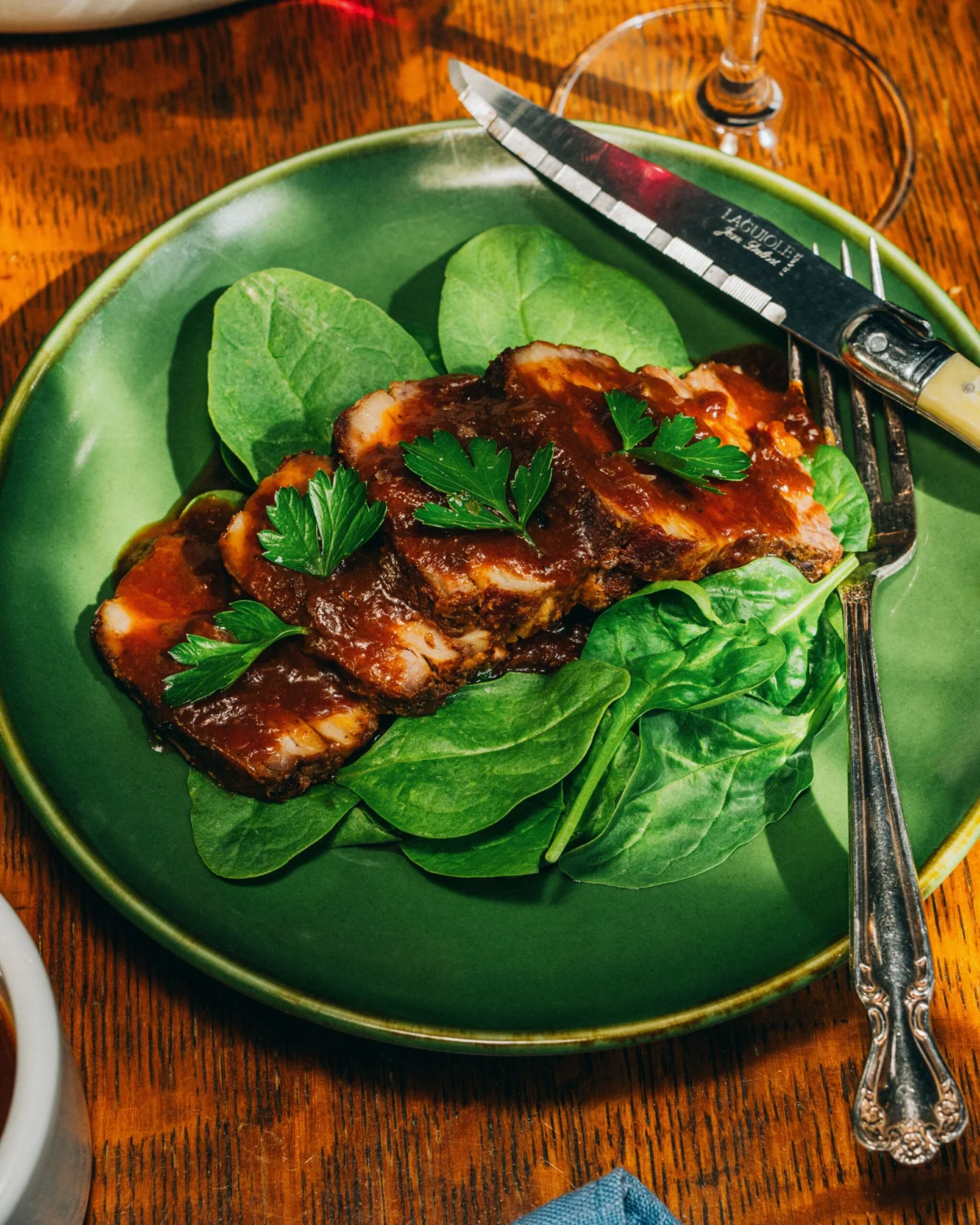
The lingering scent of fermented grapes and the satisfaction of a day’s hard work in the vineyard often culminate in a communal meal at NOK Vino, a testament to the winery’s dedication to both exceptional wine and resourceful gastronomy. Their signature braised beef short ribs, a dish born from necessity and refined by experience, embodies this ethos, frequently utilizing the final dregs of their own wines, particularly their acclaimed Marquette. This humble yet hearty dish, far from being a mere afterthought, represents a philosophy of minimizing waste and maximizing flavor, a practice increasingly relevant in today’s agricultural and culinary landscapes.
The genesis of this recipe lies in the demanding rhythm of vineyard life. After long days spent tending to the vines, often stretching from dawn until dusk, the NOK Vino team seeks sustenance that is both deeply satisfying and easily shared. The braised beef short ribs fulfill this need perfectly. The slow cooking process tenderizes the robust cuts of meat, infusing them with the rich flavors of the braising liquid. Crucially, this dish serves as a brilliant vehicle for utilizing leftover wine, a practice that not only reduces waste but also contributes a complex layer of acidity and fruit notes to the final product. The Marquette, a cold-hardy hybrid grape known for its dark fruit characteristics and vibrant acidity, proves particularly adept at enhancing the depth of the braised beef.
From Vineyard to Table: The Evolution of a Signature Dish
The creation of this dish is not a static event but rather an organic evolution, adapting to the seasons and the availability of ingredients. While the current iteration of the recipe often calls for canned tomatoes, a nod to convenience and year-round accessibility, Nicholas Kimberly, co-founder of NOK Vino, holds a strong preference for fresh, in-season tomatoes. During the peak tomato season, Kimberly employs a traditional method to extract the purest essence of the fruit. He meticulously presses fresh tomatoes through a conical strainer using a wooden spoon. This careful technique separates the desired pulp and juices from the skins, seeds, and cores, yielding a concentrated tomato flavor that elevates the braise to an even higher level. This deliberate approach to ingredient preparation underscores the winery’s commitment to quality at every stage, from grape cultivation to the final plating.
The practice of using leftover wine in cooking is a time-honored tradition across many cultures, particularly in wine-producing regions. It reflects a deep understanding of flavor profiles and a respect for the resources at hand. In the context of a winery like NOK Vino, where the product is the very essence of their livelihood, repurposing it in such a delicious and practical manner is a natural extension of their commitment to sustainability and culinary excellence. The financial implications of such practices are also noteworthy. While the cost of wine can be significant, using even small quantities in cooking can be more economical than purchasing dedicated cooking wines, especially for a winery that produces its own. Furthermore, it can contribute to a reduced overall waste stream, which has both environmental and economic benefits.
Culinary Adaptability: Substitutions and Variations
Recognizing that not all kitchens are equipped with the same ingredients, NOK Vino’s recipe offers a practical solution for ingredient accessibility. Should beef short ribs prove elusive, the recipe suggests a direct substitution: an equal weight of bone-in beef chuck roast. This substitution maintains the integrity of the dish, as chuck roast also benefits from slow braising, becoming tender and flavorful. Bone-in cuts, in general, contribute more collagen to the braising liquid, resulting in a richer, more unctuous sauce, a desirable outcome for this hearty dish.
The versatility of this braised beef recipe extends beyond simple substitutions. The base flavors can be adapted to incorporate a range of aromatics and spices. For instance, a touch of smoked paprika could introduce a subtle smokiness, while a pinch of chili flakes might add a gentle warmth. The choice of wine itself also dictates a significant flavor variation. A bolder Marquette might impart deeper, more tannic notes, while a lighter-bodied red wine could offer brighter fruit characteristics. This inherent adaptability makes the dish a canvas for culinary creativity, allowing individuals to tailor it to their personal preferences and the specific ingredients available to them.
The Broader Context: Winemaking, Sustainability, and Culinary Innovation
The story of NOK Vino’s braised beef short ribs is more than just a recipe; it’s a microcosm of a larger movement towards resourcefulness and sustainability in both the agricultural and culinary sectors. In an era where food waste is a significant global concern, estimated to be around 1.3 billion tons per year according to the Food and Agriculture Organization of the United Nations (FAO), practices like those employed at NOK Vino offer valuable insights. The FAO also highlights that the environmental impact of food waste is substantial, contributing to greenhouse gas emissions and the depletion of natural resources.
Wineries, by their very nature, are intrinsically linked to the land and its cycles. The success of a vineyard is dependent on weather patterns, soil health, and sustainable farming practices. It is therefore unsurprising that many winemakers develop a keen sense of resourcefulness. The concept of "farm-to-table" extends naturally to "vineyard-to-kitchen," where every component, from the grape to the ancillary ingredients used in accompanying meals, is considered with a mindful eye.
The trend of using wine in cooking is not confined to the dregs of bottles; it is a sophisticated culinary technique that has been explored by renowned chefs worldwide. Wine’s acidity helps to tenderize meat, its sugars caramelize during cooking, and its complex flavor compounds add depth and nuance to sauces, stews, and braises. For a winery, using its own product in such a manner is a powerful statement of confidence in the quality and versatility of its wines. It also offers an opportunity for brand storytelling, connecting consumers to the winemaking process in a tangible and delicious way.
Economic and Environmental Implications
The economic implications of this resourceful approach are multifaceted. For NOK Vino, it represents a reduction in food waste, which can translate into cost savings. Furthermore, by utilizing their own wines, they are effectively creating value from a product that might otherwise be discarded or sold at a reduced price. This practice aligns with the growing consumer demand for ethically produced and sustainable goods. Reports from organizations like Nielsen indicate that a significant percentage of consumers are willing to pay more for products from brands that demonstrate a commitment to sustainability.
Environmentally, minimizing waste is paramount. The production of food has a significant carbon footprint, encompassing land use, water consumption, energy expenditure, and transportation. By repurposing ingredients, NOK Vino contributes to a reduction in this overall footprint. This resonates with the increasing global focus on climate change mitigation and the need for industries to adopt more sustainable practices. The United Nations Environment Programme (UNEP) has consistently emphasized the critical role of reducing food loss and waste in achieving global sustainability goals.
A Model for Culinary and Agricultural Integration
The NOK Vino braised beef short ribs, therefore, serve as a compelling example of how culinary innovation can be deeply integrated with agricultural practices. It demonstrates that high-quality, flavorful meals can be created through mindful resource management. This approach not only benefits the environment and the economy but also enriches the dining experience by connecting diners to the origins of their food and the dedication of its producers.
The future of food and agriculture will undoubtedly be shaped by a greater emphasis on sustainability, circular economy principles, and the creative utilization of resources. NOK Vino’s simple yet profound practice of sharing braised beef short ribs, made even more special by the inclusion of their own Marquette, stands as a testament to this evolving paradigm. It is a reminder that sometimes, the most delicious and impactful culinary creations arise from the most thoughtful and resourceful kitchens, echoing the very spirit of the land from which they originate. The continued success of such initiatives will likely inspire further innovation, fostering a more sustainable and flavorful future for both the wine industry and the broader culinary world.