admin
admin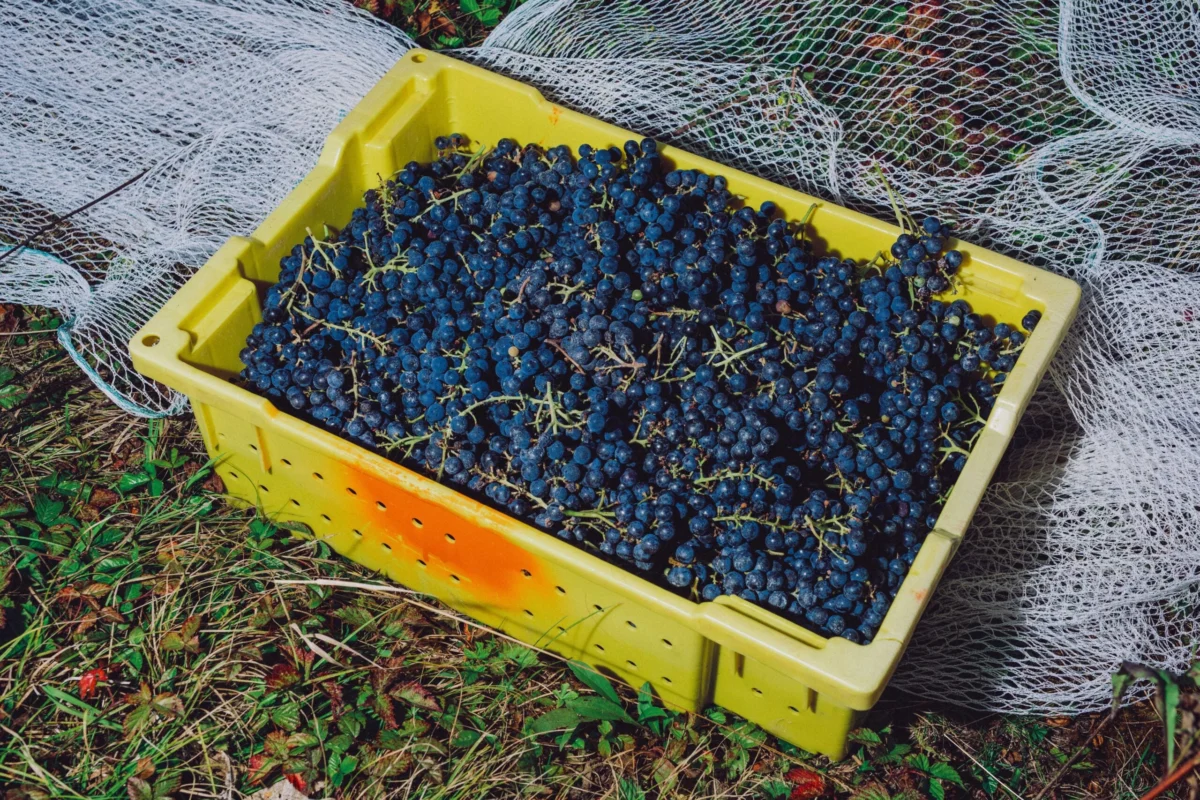
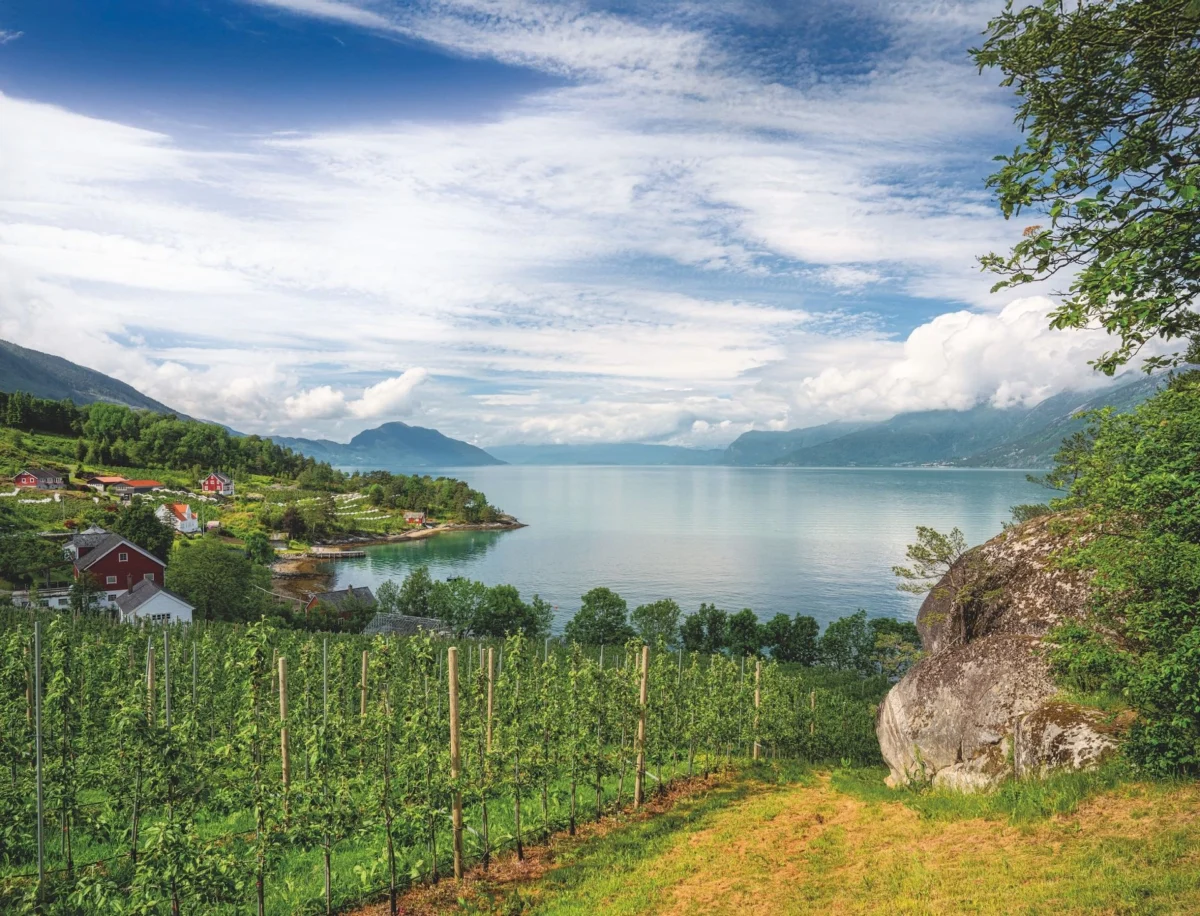
As the tail end of summer painted southern New Hampshire with the vibrant hues of impending harvest, a ferocious thunderstorm unleashed its fury, transforming the familiar bucolic scenery into a tempestuous spectacle. Winds gusting near 40 miles per hour brought a chilling, almost instantaneous 20-degree Fahrenheit drop in temperature, a dramatic shift that heralded the arrival of nearly an inch of rain. This sudden deluge descended upon the vineyards of NOK Vino, an upstart winery carving its niche in a region notoriously hostile to viticulture. The timing of such extreme weather is always a gamble, but these late-summer days, poised just before the critical harvest, represent a particularly precarious juncture. Nearly ripe grapes, so close to realizing their potential, are acutely vulnerable to the destructive forces of hail and waterlogging, which can split their skins and lead to spoilage, effectively wiping out an entire vintage.

The following morning, a sense of trepidation gave way to palpable relief as Nicholas Kimberly, founder and winemaker of NOK Vino, surveyed the Mermaid Hill Vineyard. To his considerable relief, the grapes, though temporarily diluted in flavor and sugar content by the downpour, had largely survived the onslaught. The forecast offered a glimmer of hope: a return to sunny conditions that would allow the fruit to recover and reach ideal ripeness for harvest. Kimberly, alongside his business partner Ryan Williams, established NOK – an acronym for "Not Otherwise Known" – in a locale that presents a formidable challenge to winemaking. New Hampshire, home to Mount Washington, famously known for its "world’s worst weather," boasts the highest wind speed ever recorded in the Western Hemisphere: a staggering gust of 231 miles per hour at its summit. While conditions are more forgiving in the valleys, winters routinely plunge below zero, with temperatures often dropping to -10°F and below. Furthermore, warm, humid summers provide fertile ground for fungal diseases like downy mildew and black rot, creating an environment far removed from the idyllic conditions typically associated with traditional viticulture.
The Hybrid Revolution: A Departure from Tradition
The very nature of NOK Vino’s operation is a testament to their audacious spirit and a deliberate departure from conventional winemaking. Across the globe, the vast majority of wines are crafted from a single European species, Vitis vinifera, commonly known as the European grapevine. This species is the progenitor of renowned varietals such as Sauvignon Blanc, Pinot Noir, Valdiguié, and Zinfandel, all genetically akin to the relationship between a Labrador and a Poodle. NOK Vino, however, embraces a different path, cultivating hybrid grapes. These are varieties born from crosses between V. vinifera and native North American species, specifically bred for their resilience against harsh continental climates. If traditional wine grapes are akin to domesticated dog breeds, then these hybrid varieties can be likened to wolves – similar in their lineage, yet belonging to an entirely distinct category, possessing a wilder, more independent spirit.

Historically, wines produced from hybrid grapes have faced a significant hurdle in gaining widespread acceptance within the established wine industry. Critics, sommeliers, and wholesale buyers, who wield considerable influence over shelf space and critical acclaim, often dismissed these wines. This skepticism stemmed from the perception that hybrid grapes could exhibit unusual flavor profiles, sometimes characterized by notes of tropical fruit or even medicinal undertones. Classically trained palates, accustomed to disdaining overt "grape-y" characteristics, found these hybrids challenging. In some instances, they could even manifest flavors reminiscent of artificial grape candy, leading to descriptions like "purple gummy bear." Perhaps the most notorious characteristic, and one that has historically led to their marginalization, is the presence of an animalistic note, often described as "foxy" or akin to wet fur.
"That’s a word that was made up by the established wine culture to pooh-pooh the taste of native grapes because they’re supposedly less noble, or some other purity bullshit," Nicholas Kimberly explains, his voice firm as he stands amidst a two-acre block of Marquette grapes at one of his vineyards, just days after the significant storm. The Marquette vines, a red varietal tracing its lineage to Pinot Noir and hybrids of Vitis riparia (a cold-hardy endemic species), are trained high on wires, with a vibrant tapestry of grasses, goldenrod, and Queen Anne’s lace flourishing beneath. "It’s just another word for musk," Ryan Williams adds, chiming in with characteristic candor. "Plenty of people like that."

The Unfolding Narrative of American Hybrid Grapes
These musky aromas, often associated with Vitis labrusca, a species that includes the familiar Concord grape (the backbone of mass-market grape juice and jelly), are not the sole characteristic of NOK’s wines. While V. labrusca is not a primary focus for NOK, their wines certainly diverge from the predictable profiles of ordinary screw-cap Pinot Grigio or smooth steakhouse Cabernet. Instead, NOK’s bottles are more readily compared to the intriguing and unconventional offerings found in cutting-edge wine bars. For instance, "River Rose," a blend of Frontenac Gris and La Crescent, evokes the fruity complexity of Sicilian orange wine. "Solidago," a white blend, offers a compelling similarity to the yeasty vins jaunes of the Jura region. Yet, the wines from NOK ultimately defy easy categorization. They present thrilling combinations of exuberant, almost kombucha-like aromas with precise, mineral-driven flavors, forging a unique identity that stands apart.
NOK Vino is at the vanguard of a burgeoning movement among American vintners who are skillfully marrying meticulous, time-honored production techniques with the distinctive qualities of hybrid fruit. Across New England and indeed, on a global scale, the escalating impacts of climate change are compelling winemakers to explore and embrace grape varieties that can withstand extreme weather, thrive in less-than-ideal soil conditions, and resist disease without the heavy reliance on chemical interventions. This inherent resilience not only contributes to lower production costs but also opens new avenues for winemakers who might otherwise find themselves excluded from traditional viticulture.

Simultaneously, a new generation of wine enthusiasts, deeply invested in the "natural wine" movement, has developed a profound appreciation for unconventional and "funky" flavors. These consumers are increasingly open to and actively seeking out the nuanced complexities of well-crafted hybrid wines. They have moved beyond a narrow definition of what constitutes a "correct" wine, viewing those with a touch of wildness not as flaws, but as exciting frontiers of flavor and expression.
A Historical Tapestry of American Grape Cultivation
The story of American grapes in winemaking is a long and often overlooked narrative. When Leif Erikson and his Norse companions are believed to have reached Newfoundland around 1000 B.C.E., Erikson christened the continent "Vinland," a name some scholars interpret as "vine land" or "wine land." While the historical accuracy of Norse place-naming is debated, North America is indeed home to numerous native grape varieties. It is plausible that the Vikings encountered and even harvested wild Vitis labrusca from the vine.

Fermented alcoholic beverages were known to the Indigenous peoples of the Americas, but the earliest documented wine production from American grapes appears to have been undertaken by European colonists. Thomas Jefferson’s ambitious attempts to cultivate imported Vitis vinifera at Monticello were ultimately unsuccessful. However, by the early 19th century, Nicholas Longworth, a horticulturist and winemaker from Cincinnati, achieved significant success producing sparkling wine from Catawba, a hybrid grape that emerged as a cross between V. labrusca and V. vinifera in North Carolina. Longworth’s wines garnered acclaim as far afield as California and London, even inspiring a poem by the renowned American poet Henry Wadsworth Longfellow.
Later, a Texan horticulturist named Thomas Volney Munson dedicated himself to developing dozens of hybrid grape varieties specifically adapted to the diverse North American climates. His groundbreaking work proved pivotal when phylloxera, a devastating vine pest, ravaged European vineyards in the late 19th century. Munson’s resilient hybrid rootstocks offered the crucial solution: grafting European scions onto hardy North American root systems. In recognition of his immense contribution, the French government bestowed upon Munson the prestigious Legion of Honor. Today, nearly every European grapevine is a hybrid entity, a composite of North American roots and European tops. However, unlike the cross-breeding that creates hybrid grape varietals, grafting itself does not alter the inherent flavor profile of the V. vinifera species.

The Shadow of Prohibition and the Rise of Terroir
The rootstocks developed by Munson played a vital role in saving European wine culture. However, the full acceptance of North America’s native grapes in winemaking never quite materialized before Prohibition drastically curtailed the U.S. wine industry. Concurrently, across the Atlantic, European nations began implementing measures to protect their winemaking traditions and regional food products through appellations of origin. This movement codified the concept of "terroir" – the profound idea that the finest wines are direct reflections of the soil, climate, and environment in which their grapes are cultivated. These designations established European styles as the apex of a prestige hierarchy within the global wine landscape.
When the American wine industry eventually experienced its revival, there was a strong inclination to venerate European styles. Growers actively sought to replicate them, often smuggling in cuttings – known as "suitcase clones" – from the most storied French vineyards. Success was measured by the fidelity with which American wines could mimic Burgundian or Bordeaux varietals. Meanwhile, hybrid grapes faced a significant setback when they were banned from winemaking by the European Community (a precursor to the European Union) in 1976. In the United States, hybrid grapes persisted, primarily relegated to the production of low-quality "jug wine," where the emphasis was on sheer quantity rather than nuanced quality, and the wines were often adulterated with cane sugar to artificially boost alcohol content.

The Modern Renaissance of Hybrid Winemaking
The contemporary resurgence of hybrid winemaking is often traced back to 2007, when restaurateur Deirdre Heekin planted hybrid grapes on a small farm in Vermont. While Heekin was not the first to cultivate these varieties in the region, she distinguished her winery, Domaine La Garagista, through an unwavering commitment to a painstaking, artisanal approach. This included organic farming practices, meticulously managed lower yields, careful harvesting, and low-intervention winemaking techniques. Her wines quickly garnered significant attention and acclaim.
One of Heekin’s bottles found its way to Nicholas Kimberly while he was working at a wine bar in Burlington. "I opened it by myself on a weeknight because I was like, ‘Vermont wine? Whatever,’" he recalls. "Then, all of a sudden, I had this psychedelic experience." The profound impact of that tasting led Kimberly to write to Heekin the following morning, seeking an apprenticeship. For two years, he immersed himself in the operations at La Garagista, gaining hands-on experience in planting vineyards, pruning vines, and monitoring fermentations. He also learned the art of improvisation inherent in working with hybrid grapes. Unlike the well-established textbooks available for growing and fermenting V. vinifera, there is no definitive manual for crafting wines like those produced at La Garagista. Heekin observes, "A bigger winery is going to have a viticulturist and a winemaker and a sales staff. We’re tiny, so you can see all the elements, not just one piece." Kimberly’s journey eventually led him to manage Shara, the only organic vineyard in New Hampshire, where he spent the 2020 season both farming vines and producing wine under their label. The subsequent year, he successfully negotiated the opportunity to begin producing his own wines.

NOK Vino: Defining a New American Wine Identity
Currently, Kimberly produces several thousand cases of wine annually. After initially utilizing borrowed facilities, NOK Vino’s latest vintage is being produced in a newly established facility in Hooksett, New Hampshire. This location includes a tasting room, thoughtfully designed with inspiration drawn from Japanese listening bars, complete with vintage 1970s hi-fi audio equipment. The wine portfolio is diverse, featuring effervescent wine-cider co-ferments, savory skin-contact white wines, and intense, full-bodied red wines. These are all crafted using small-scale, farmhouse techniques, including spontaneous fermentation, the use of neutral vessels rather than oak barrels, and extensive foot-stomping of the grapes. Kimberly also employs a semi-carbonic maceration method, where half of the grapes are gently crushed to release juice, while whole clusters are layered on top. This creates an oxygen-free environment that fosters the development of distinctly fruity wines. He intentionally leaves the stems intact, believing they contribute structural integrity and intriguing flavor complexities. (The absence of an expensive destemmer also plays a practical role in this decision.) These methods allow for a transparent expression of each individual vineyard’s unique character, resulting in the very types of wines that today’s adventurous wine drinkers are enthusiastically seeking out.
It is this distinctive approach that has garnered NOK Vino the attention of influential distributor and importer Zev Rovine. "You do have to have an open mind," Rovine remarks. Indeed, most consumers have not encountered wines quite like these. However, he posits that they ultimately fulfill the fundamental purpose of great wine: to complement fine food and foster a connection to the place and people who created them. "They’re also just really tasty," he adds, underscoring the intrinsic appeal of NOK’s offerings.

NOK Vino also finds a fitting place on the menu at Bridges, a prestigious Michelin-starred Manhattan restaurant renowned for its inventive interpretations of luxurious, old-world ingredients such as foie gras, lobster, and Dover sole. Oniyx Acosta, the sommelier at Bridges, values how hybrid wines can harmonize with the menu’s diverse cultural influences, although he acknowledges that some patrons may require initial guidance. "With a little education up front," Acosta explains, "most of the time, people are receptive."
The Future of New World Wine
While the sophisticated dining scene of New York City might seem a world away, Nicholas Kimberly and Ryan Williams embrace a grounded, almost rustic lifestyle. They reside with several roommates in a weathered 19th-century farmhouse, situated a mile and a covered bridge away from the nearest paved road. A local land trust generously rents the property to farmers on favorable terms. Their days are long and unpredictable, and the inherent hardiness of hybrid grape varieties offers no guarantee of a successful harvest. The current vintage, for example, has been impacted by a severe drought, leading to increased pressure from hungry birds. As autumn approaches, every harvest remains a gamble. A delay in picking to achieve ideal ripeness could result in a sudden storm decimating the crop in a matter of hours, while picking too early might yield a wine that tastes tart and flat. The threat of late spring frosts, particularly those that strike after fragile new growth has emerged, is a constant source of anxiety.

Yet, on this particular late-summer day, as Williams prepares lunch for the harvest crew, the atmosphere is decidedly optimistic. The communal spirit, fueled by family-style meals cooked over a propane burner in the open air, powers a significant portion of this operation. As they raise glasses filled with dusty bottles of NOK’s early vintages, the opportunity to cultivate community and forge a brand-new wine culture makes the considerable effort and inherent risks feel profoundly worthwhile. They are, against formidable odds, coaxing something truly special from these windswept, rocky hills. "If you believe terroir is a thing," Kimberly states with conviction, "then it should apply anywhere in the world."