admin
admin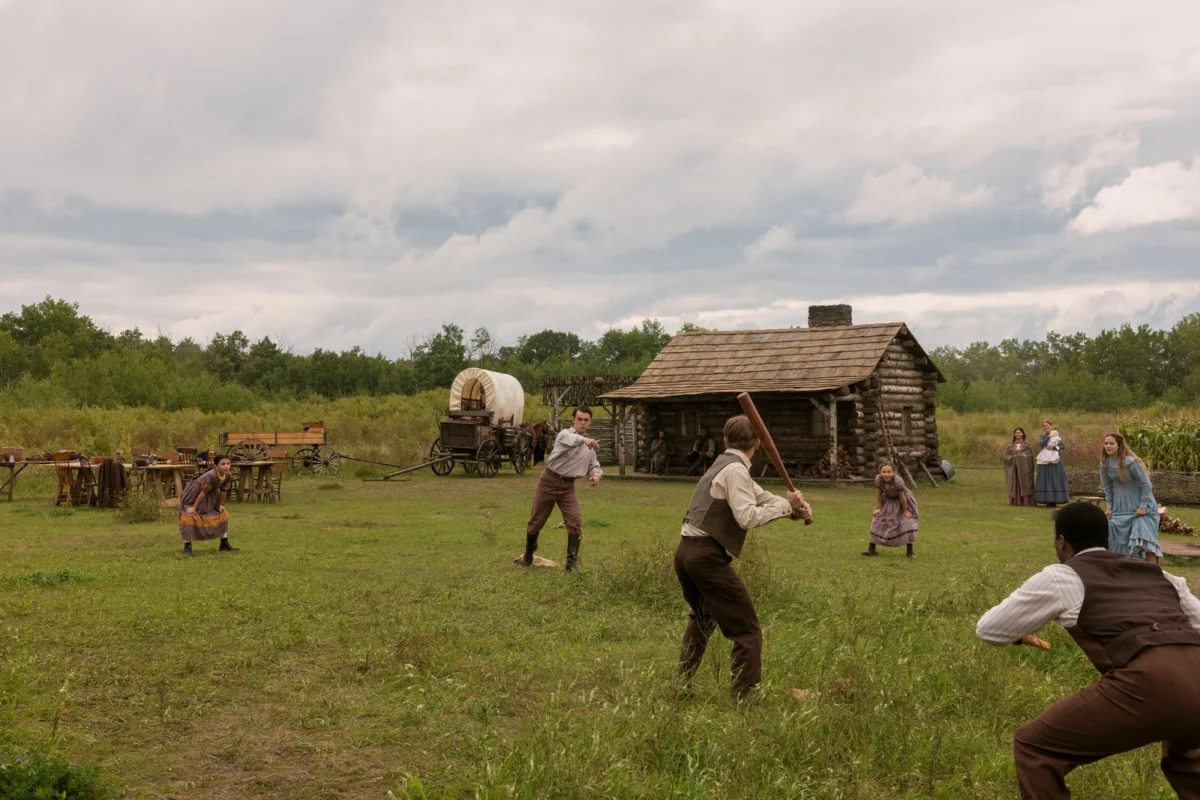
The Ingalls family, central to Netflix’s new adaptation of Little House on the Prairie, is portrayed as pursuing a quintessential American dream: a fresh start and a secure home built through immense hard work and sacrifice. This aspiration positions their log cabin not merely as a setting, but as a protagonist in its own right, a powerful symbol of frontier ambition and domestic sanctuary. Debuting close to America’s 250th birthday, this reboot, spearheaded by showrunner and executive producer Rebecca Sonnenshine, embarks on an audacious endeavor to reimagine a foundational American narrative.
A Legacy Reimagined: The Challenge of Adaptation
Laura Ingalls Wilder’s nine semi-autobiographical novels, chronicling her family’s late 19th-century life on the American frontier, are among the nation’s most cherished literary works. Published between 1932 and 1943, these books have sold millions globally and significantly shaped perceptions of westward expansion for generations of readers. Their enduring popularity underscores the deep cultural resonance of the Ingalls’ journey. However, the books are not without controversy. For decades, they have faced increasing scrutiny for their depictions of Native Americans, which range from overt racism to historical erasure. This critical lens presents a formidable challenge for any modern adaptation.
The Netflix series inevitably invites comparison with Michael Landon’s iconic 1970s NBC television adaptation, which ran from 1974 to 1983. That series, a cultural touchstone for millions, remains remarkably popular on streaming platforms, demonstrating the powerful hold this particular interpretation has on public memory. Data from Forbes indicates its sustained viewership, highlighting the deep well of nostalgia the new Netflix series must contend with. This preceding adaptation established a visual and emotional template that has largely defined the Ingalls story for many, making the task of a fresh interpretation all the more complex.
Moreover, the source material itself has become a cultural lightning rod in contemporary discourse. Discussions around historical accuracy, representation, and the reframing of American myths have intensified. The Netflix remake explicitly attempts to wrestle with the problematic aspects of the books, particularly concerning Indigenous peoples. This approach, while lauded by some, has simultaneously drawn criticism from others, notably conservative media personalities like Megyn Kelly, who expressed concerns about Netflix potentially "wokeifying" the source material well before the show’s premiere. This pre-emptive criticism underscores the highly charged cultural landscape in which the new series operates, where any deviation from established narratives can spark significant debate.
Crafting the Frontier Dream: Production and Aesthetics
The first season of the Netflix adaptation draws inspiration from the third novel in Wilder’s series, Little House on the Prairie, which depicts the Ingalls family establishing their homestead near Independence, Kansas, after a wagon journey from Wisconsin. While the narrative is rooted in Kansas, the production itself was filmed in Manitoba, Canada, leveraging its vast, picturesque landscapes to evoke the American frontier.
The visual execution of the series is a standout feature. While not overtly "gritty," the show masterfully captures the sheer beauty of the prairie landscape, which is integral to the story’s romanticized vision. Sweeping shots of flower-strewn fields, vast blue skies, and the "sighing green ocean" of the prairie are designed to be visually stunning, evoking a yearning for pastoral simplicity and outdoor life. This aesthetic, characterized by elements like flower crowns and fresh-picked blackberries, aligns with contemporary "cottagecore" sensibilities, a movement that romanticizes rural life and traditional crafts, potentially appealing to a younger demographic.
A significant portion of the initial episodes is dedicated to the arduous process of building the titular little house. The narrative incorporates classic frontier mishaps, such as Ma’s foot injury, which necessitates Pa seeking help from a gruff, alcoholic neighbor. However, the show often glosses over the grimmer realities of such injuries in the 19th century, avoiding details like infection or severe disability, maintaining a relatively sanitized portrayal of frontier hardship. The payoff arrives in episode three with the reveal of the completed cabin – a space designed for maximum visual appeal. Wide plank floors, wooden shutters with elegantly simple cutouts, and hand-hewn beds adorned with meticulously crafted quilts create a sense of rustic luxury. Translucent cream-colored curtains flutter gently in the imagined prairie breeze, while the door and mantelpiece feature bespoke engravings: "CI" for Charles and Caroline Ingalls on the door, and "The Ingalls Family Home" cradled within a botanical motif on the mantel. A final touch, Ma placing a delicate pink-and-blue porcelain shepherdess on the mantel, symbolizes the domestication of the wild and the aspiration for refined living even in challenging circumstances.
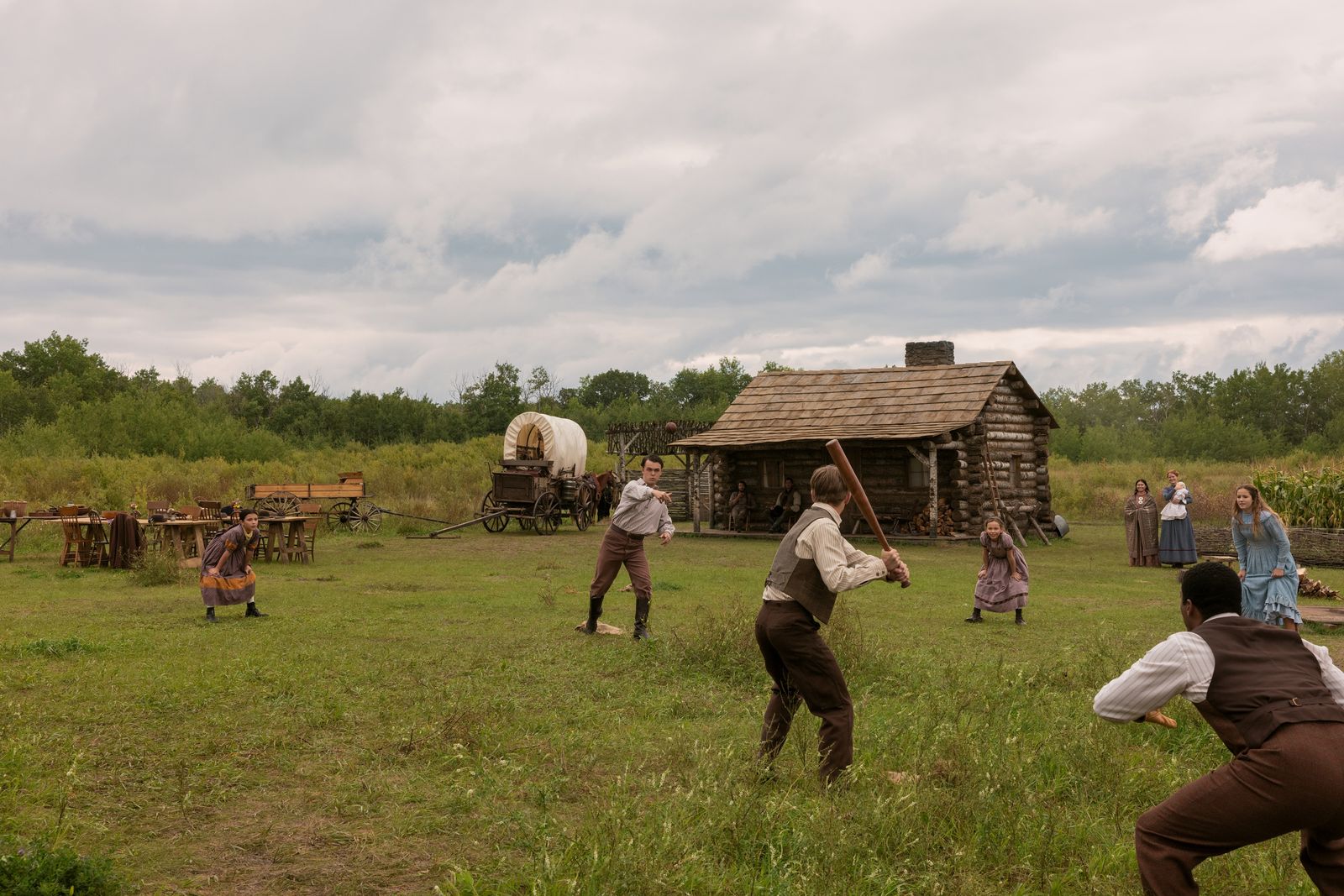
The production team, aiming for maximum authenticity, undertook extensive research. Production designer Jonah Markowitz revealed to Netflix’s Tudum that the cabin was constructed using historically accurate methods: "We actually built it that way—no nails, all wood pegs." Set decorator James V. Kent added, "My aim was to make it as homey and reflective of the Ingalls family as possible." This commitment to artisanal detail contrasts with the often-harsh realities of frontier construction, creating a space that feels both aspirational and meticulously curated.
The Polished Frontier: A Departure from Reality
Despite the claims of authenticity, the Netflix cabin presents a distinctly scrubbed-up version of frontier life. It aligns more closely with the idealized homestead of American Girl’s Kirsten Larson or the pastoral illustrations of Garth Williams for Wilder’s novels, and even the "37 shades of nicotine brown" aesthetic of Landon’s 1970s series. These fictional spaces share a determined homeyness – just rustic enough to evoke coziness, but never so rough as to make viewers agree with Ma’s sister, who, in this adaptation, continually urges Ma to return to the relative stability of Wisconsin.
The economic precarity of the Ingalls family is a driving force in the story, with an entire episode dedicated to Mary and Laura’s efforts to win prizes at a town festival to pay down debts. Yet, the visual presentation often belies this hardship. For instance, an early shot of the completed cabin, even in broad daylight, features eight burning candles and a lit kerosene lamp. Historically, the common and affordable frontier lighting source would have been tallow candles made from rendered animal fat, known for being smoky, foul-smelling, and far less aesthetically pleasing than the pristine glow depicted on screen. This deliberate aesthetic choice prioritizes visual warmth and comfort over historical accuracy regarding daily living conditions.
As one observer noted, "There’s no prairie dust, no soot, no greasy cooking residue, no chamber pot logistics. It looks like Ballerina Farm could slide right into the frame cradling a baby and a stoneware bowl of sourdough." This observation highlights the show’s embrace of a romanticized, almost "glamping" version of pioneer life, far removed from the genuine hardships. For comparison, reconstructions of the Ingalls’ homestead at dedicated Kansas museums often appear significantly more rudimentary and challenging to inhabit, resembling "a cave" more than the attractive dwelling seen on Netflix. This divergence between historical reality and on-screen fantasy is central to the adaptation’s appeal and its subtle reframing of the pioneer experience.
Historical Echoes and Modern Sensibilities: Addressing the Controversy
The historical record reveals that Laura Ingalls Wilder and her daughter, Rose Wilder Lane, took significant dramatic liberties in transforming their family’s story into children’s novels. The Ingalls’ real-life sojourn in Kansas, for example, was a complex and ethically fraught undertaking. Caroline Fraser’s acclaimed biography, Prairie Fires: The American Dreams of Laura Ingalls Wilder, meticulously details the context of their arrival in Osage territory. Fraser explains how thousands of settlers, including the Ingalls, converged on the Osage Diminished Reserve, hoping to establish homestead claims before the federal government had officially acquired the land. While the Osage were away on seasonal hunts, settlers engaged in widespread acts of vandalism and theft, setting fire to hay fields, stealing lumber, and dismantling or seizing existing Osage cabins.
Even if the Ingalls themselves did not directly participate in these violent acts, Fraser makes it clear that they were squatters with no legal right to the land or even the trees they used for construction. Their presence was part of a larger, systemic push to dispossess the Osage Nation. This historical reality directly challenges the narrative of innocent pioneers simply seeking a fresh start in an empty wilderness. The original books often minimized or omitted the presence of Indigenous peoples, or depicted them in stereotypical and dehumanizing ways, reflecting the prevailing attitudes of the era.
The Netflix adaptation attempts to confront this painful history directly. It introduces the Mitchells, an Osage family, and establishes a friendship between Laura and a character named Good Eagle. This narrative choice aims to portray the Ingalls as immediately recognizing the inherent humanity of the Osage, a significant departure from Wilder’s original text. This approach reflects a broader trend in historical adaptations to re-examine problematic elements of classic stories and to include perspectives that were previously marginalized or erased.
However, these efforts have been met with varied reactions. While some critics and viewers appreciate the attempt to modernize the narrative and address historical injustices, others, like those represented by Megyn Kelly’s comments, view such changes as an unwelcome "wokeification" that deviates from the "original spirit" of the stories. Indigenous advocacy groups, while generally supportive of increased representation, often emphasize the need for authentic storytelling that goes beyond superficial inclusion and delves into the true complexities of colonial violence and resilience. The New York Times reported on the adaptation’s efforts to "welcome Native neighbors," highlighting the delicate balance the show attempts to strike between historical revisionism and preserving the core elements of the beloved saga.
Despite these critical engagements, the Ingalls family remains the central focus, and the narrative largely revolves around their pursuit of a cozy life in the log cabin. This enduring image of the cabin, despite its complicated origins, continues to function as a powerful emblem of American self-reliance and the dream of carving out a home from the wilderness – perhaps even, as some argue, a core American fantasy.
The Enduring Appeal of the Homestead Ideal
The "Little House books" derived much of their pleasure from following the construction and evolution of each home as the Ingalls family moved across the prairie: the log cabin in Independence, Kansas; the dugout in Plum Creek, Minnesota; the homestead in De Smet, South Dakota. The series, at its heart, is a parade of houses and homes, a testament to the human drive to create shelter and community from a raw landscape using available resources. Wilder herself described the Independence log cabin as "a pleasant house," despite its dirt floor, noting how "Soft light came through the canvas roof, wind and sunshine came through the window holes." This intrinsic focus on home-building resonates deeply.
This aspect of the books aligns with the appeal of other narratives centered on self-sufficiency and imaginative homemaking, such as The Boxcar Children series, Jean Craighead George’s My Side of the Mountain, or Julie Andrews’s Mandy. These stories tap into children’s innate love for high drama and playing "house," often a version less about suburban comfort and more about resourceful survival – the fantasy of being "orphan sisters lost in the woods, how will we survive?" This primal allure of creating a safe haven against the elements remains a powerful draw, even for a modern audience disconnected from the realities of frontier life. The log cabin, therefore, transcends its historical context to become an archetype of comfort, security, and personal achievement.
Strategic Play for Netflix: Business Implications
Netflix’s investment in a high-profile adaptation of Little House on the Prairie reflects a strategic move within the competitive streaming landscape. Reviving beloved intellectual properties (IPs) is a common tactic for streamers to attract and retain subscribers, leveraging existing fanbases and generating significant buzz. The Little House brand carries immense nostalgia, particularly for older millennials and Gen X, while the show’s aesthetic appeal and updated narrative may draw in new, younger audiences.
The decision to greenlight a second season even before the first season’s premiere on July 9, 2026, signals Netflix’s confidence in the project’s potential. Such early renewals are often based on strong internal metrics, production efficiency, and a belief in the IP’s long-term viability. For Netflix, this adaptation represents an opportunity to broaden its content portfolio, offering a family-friendly drama that can appeal across generations, a demographic increasingly important for streaming services. The show’s significant production values, from the meticulously constructed log cabin to the stunning landscape cinematography, indicate a substantial financial commitment, underscoring its importance to Netflix’s content strategy. It aims not only to tap into existing nostalgia but also to create a new, definitive version of a classic story for a contemporary audience, navigating the complex interplay of history, memory, and modern values.
Looking Ahead: Season Two and Beyond
With a second season already confirmed, the Netflix adaptation of Little House on the Prairie is poised to continue its exploration of the Ingalls family’s journey, further developing its narrative and aesthetic choices. The series faces the ongoing challenge of balancing fidelity to the spirit of Wilder’s beloved stories with the demands of contemporary historical consciousness and diverse audience expectations. As the Ingalls continue to "play house" – albeit a deadly serious and historically complicated version – the series will undoubtedly fuel further discussions about America’s foundational myths, the selective nature of nostalgia, and the evolving ways in which historical narratives are consumed and reinterpreted in the 21st century. The cabin, in all its idealized glory, remains at the heart of this complex and compelling story.