admin
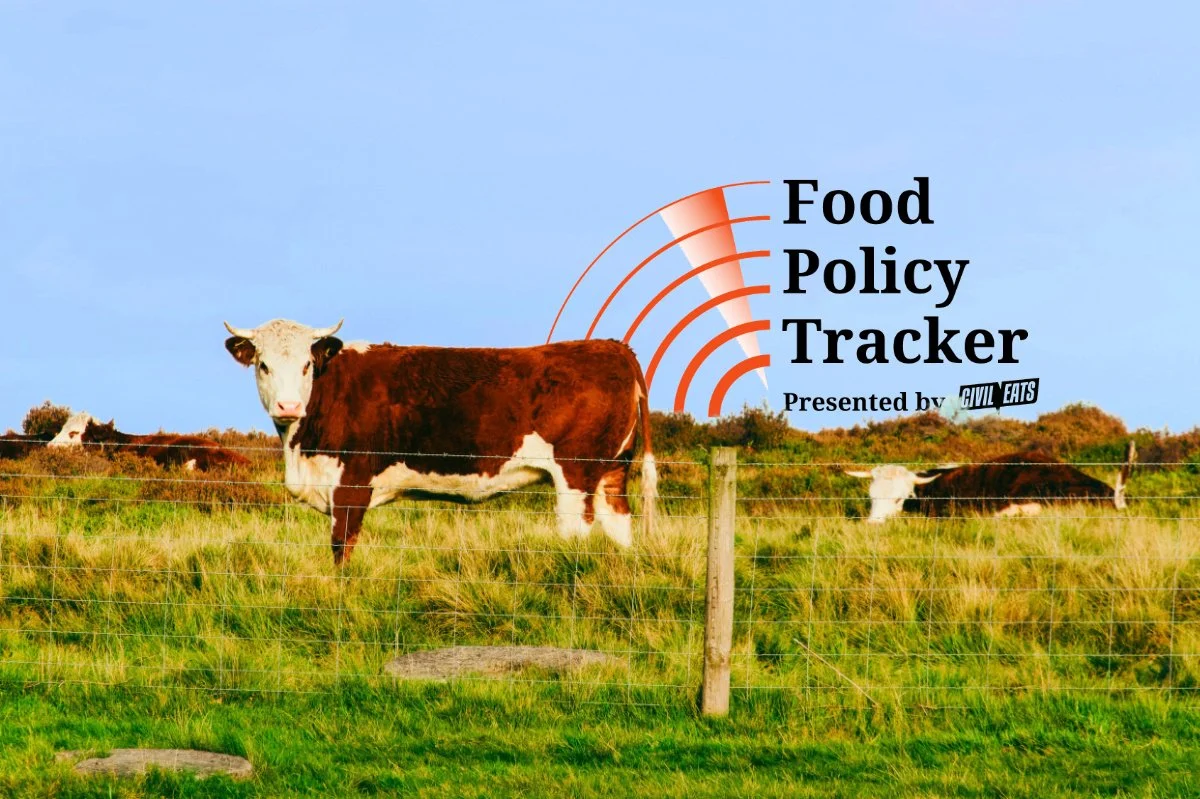
An estimated 350 agricultural operations across Iowa, Missouri, and Illinois could face lead contamination from the impending detonation of toxic lead azide barrels at the Iowa Army Ammunition Plant (IAAAP), a U.S. Department of Agriculture (USDA) official revealed Tuesday during a press conference hosted by the U.S. Army. The disclosure, made by Richard Fordyce, Under Secretary for Farm Production and Conservation, highlighted the severe environmental and economic risks posed by the planned demolition, scheduled for 9 a.m. Wednesday, November 25, 2026. Farmers unions in the affected states have voiced strong concerns, demanding comprehensive information, independent testing, and clear accountability from federal agencies.
The Imminent Threat: Lead Azide Detonation
The U.S. Army’s plan to detonate barrels containing lead azide, a highly toxic and unstable primary explosive, has cast a long shadow over the agricultural heartland. Lead azide (Pb(N₃)₂) is a shock-sensitive compound primarily used in detonators for military applications. Its inherent instability necessitates careful handling and, in cases of degradation or obsolescence, controlled destruction. The detonation at the IAAAP in Middletown, Iowa, is intended to safely dispose of these hazardous materials, but the method chosen carries significant risks of environmental fallout.
According to USDA Under Secretary Fordyce, the 350 potentially affected farms lie within a "worse-case scenario" path mapped out by experts, illustrating the projected trajectory of lead dust dispersion. While experts express hope that mitigation measures taken by the Army will minimize particulate matter movement, the sheer number of farms at risk underscores the gravity of the situation. Lead, a heavy metal, is a potent neurotoxin with no safe level of exposure, posing serious health threats to humans, livestock, and the environment. Its particulate form can travel considerable distances, settling on soil, crops, and water sources, leading to persistent contamination.
Background of the Iowa Army Ammunition Plant (IAAAP)

The Iowa Army Ammunition Plant, spanning approximately 19,000 acres in southeastern Iowa, has a long history as a critical component of the nation’s defense infrastructure. Established in 1941, during World War II, the plant has primarily been involved in the loading, assembly, and packing of conventional ammunition and ordnance items. Over decades of operation, the facility has handled a vast array of energetic materials and hazardous chemicals, leading to a complex environmental legacy. Decommissioning and remediation efforts are ongoing at various sites within the plant, reflecting the challenges associated with managing such industrial facilities. The current detonation is reportedly part of a broader effort to safely dispose of legacy materials that have become unstable or are no longer needed, preventing uncontrolled explosions and ensuring long-term safety within the facility. However, the choice of open-air detonation for lead azide, rather than alternative, more contained disposal methods, has drawn criticism from environmental advocates and now, the agricultural community.
Chronology of Concerns and Official Responses
The escalating concerns among the agricultural community reached a critical point in the days leading up to the planned detonation.
- Monday, November 23, 2026: The Iowa, Missouri, and Illinois farmers unions issued a joint statement demanding transparency and protection for their members. Their plea specifically called on the Army and other federal agencies to provide detailed information on protective measures for farmers and livestock, commit to independent testing, and establish a clear framework for long-term monitoring and compensation in case of contamination.
- Tuesday, November 24, 2026: The U.S. Army hosted a press conference to address public concerns and provide updates on the detonation plan. It was during this briefing that USDA Under Secretary Richard Fordyce confirmed the potential impact on 350 farms, revealing the extent of the projected fallout zone. Simultaneously, the Iowa Department of Agriculture issued updated guidance for farms within a 20-mile radius of the plant, advising farmers to consider moving livestock indoors and to cover outdoor food and water sources with tarps.
- Wednesday, November 25, 2026 (Scheduled): The detonation of the lead azide barrels is slated to occur at 9 a.m. local time, weather permitting. Updates regarding the operation are being posted on the Army’s official website.
This compressed timeline has left farmers with minimal time to prepare for an event with potentially catastrophic implications for their livelihoods and the regional food supply.
Farmer Demands and Practical Challenges
The joint statement from the farmers unions underscored a deep sense of distrust and frustration within the agricultural community. Aaron Lehman, President of the Iowa Farmers Union and a fifth-generation farmer, articulated these sentiments: "Farmers are being asked to trust that this will go off without consequences for their land, their animals, and the food they raise. Trust has to be earned with information. Farmers deserve direct notice, independent testing, and a clear answer about who will make it right if something goes wrong."

The logistical challenges for farmers in the region are immense. Moving thousands of head of cattle, covering vast fields of feed, or relocating specialized farm equipment is not a simple undertaking, especially with mere hours of notice and during a major travel holiday week. Farmers are concerned about:
- Livestock Health: Ingestion of lead-contaminated feed or water can cause acute toxicity, neurological damage, reproductive issues, and even death in animals. The economic loss from sick or unsellable livestock could be devastating.
- Crop Contamination: Lead dust settling on fields could render crops unfit for human or animal consumption, leading to crop loss and long-term soil contamination requiring extensive remediation.
- Soil and Water Quality: Lead is persistent in the environment. Contaminated soil can take years or decades to remediate, impacting future growing seasons. Water sources, including wells and streams, could also be affected, posing risks to both agriculture and rural communities.
- Economic Ruin: Beyond direct losses, farmers face costs for testing, potential animal culling, soil remediation, and a possible loss of consumer confidence in products from the region. Without a clear mechanism for compensation, many family farms could face financial ruin.
- Lack of Information and Independent Oversight: A key demand is for independent testing, rather than relying solely on government agencies, to ensure unbiased data on contamination levels.
Official Responses and Mitigation Efforts
In response to the growing outcry, federal and state agencies have outlined their strategies and offered assurances.
The U.S. Army officials at the press conference reiterated their commitment to safety, stating they have "measures in place to mitigate the spread of lead dust as much as possible." While specific details on these measures were limited, they likely include meteorological monitoring to select optimal detonation conditions, potentially using specialized containment blankets or structures, and strict exclusion zones.
The Environmental Protection Agency (EPA) pledged to collaborate with the Army to provide testing "to anyone who wants it in the region." This commitment to widespread testing is crucial for assessing the actual impact of the detonation. However, the scope, methodology, and timeline for such testing remain critical questions for affected communities. The EPA’s role would also involve monitoring air quality and assessing environmental compliance.
USDA Under Secretary Richard Fordyce emphasized the department’s readiness to support farmers and ranchers by "helping them access assistance available through other government entities and where applicable through existing USDA programs." He also assured the public that "Both USDA and FDA have proper protocols in place to ensure there are no heavy metals, including lead, in the food that enters the supply chain." These protocols typically involve surveillance testing of food products, setting maximum contaminant levels, and issuing recalls if necessary. However, the effectiveness of these protocols in a widespread, acute contamination event of this nature remains to be seen.

The Iowa Department of Agriculture’s guidance, urging farmers to move livestock indoors and cover feed/water, provides practical advice but also highlights the immediate and tangible threat perceived by state officials.
Political Fallout and Broader Implications
The planned detonation has quickly escalated into a political issue, drawing sharp criticism from elected officials. House Agriculture Chair Angie Craig (D-Minnesota) publicly blamed Secretary of Defense Pete Hegseth, accusing him of disregarding the well-being of agricultural producers. "Ranchers and farmers in the region deserve more respect than Hegseth is giving them. They cannot relocate thousands of head of cattle, farm equipment, feed and water at the drop of the hat, especially not during a major travel holiday," Craig stated. Her comments underscore a growing tension between national security imperatives and local community welfare, particularly within the critical agricultural sector. The timing, coinciding with a major holiday, further exacerbates the logistical and emotional strain on farm families.
Beyond the immediate environmental and economic impacts, this event raises several broader implications:
- Environmental Justice: The disproportionate impact on rural, often agricultural, communities located near military installations highlights questions of environmental justice. These communities often bear the brunt of hazardous waste disposal and military operations.
- Trust in Government: The lack of perceived transparency and adequate lead time has eroded trust between federal agencies and the farming community, which could have long-term consequences for future collaborative efforts.
- Precedent for Hazardous Waste Disposal: The incident may set a precedent for how the military handles aging munitions and hazardous materials, potentially spurring calls for more contained and environmentally sound disposal methods nationwide.
- Food System Resilience: A widespread contamination event could disrupt regional food supply chains, raising questions about the resilience of the U.S. food system in the face of unforeseen environmental hazards.
As the detonation approaches, the eyes of the agricultural community and environmental watchdogs remain fixed on the Iowa Army Ammunition Plant. The success of the Army’s mitigation efforts, the thoroughness of EPA’s testing, and the adequacy of USDA’s support will be critical in determining the long-term impact on the Midwest’s vital farming landscape and the trust between its stewards and federal authorities. The coming days will be crucial in understanding the true scope of this unprecedented environmental challenge.