admin
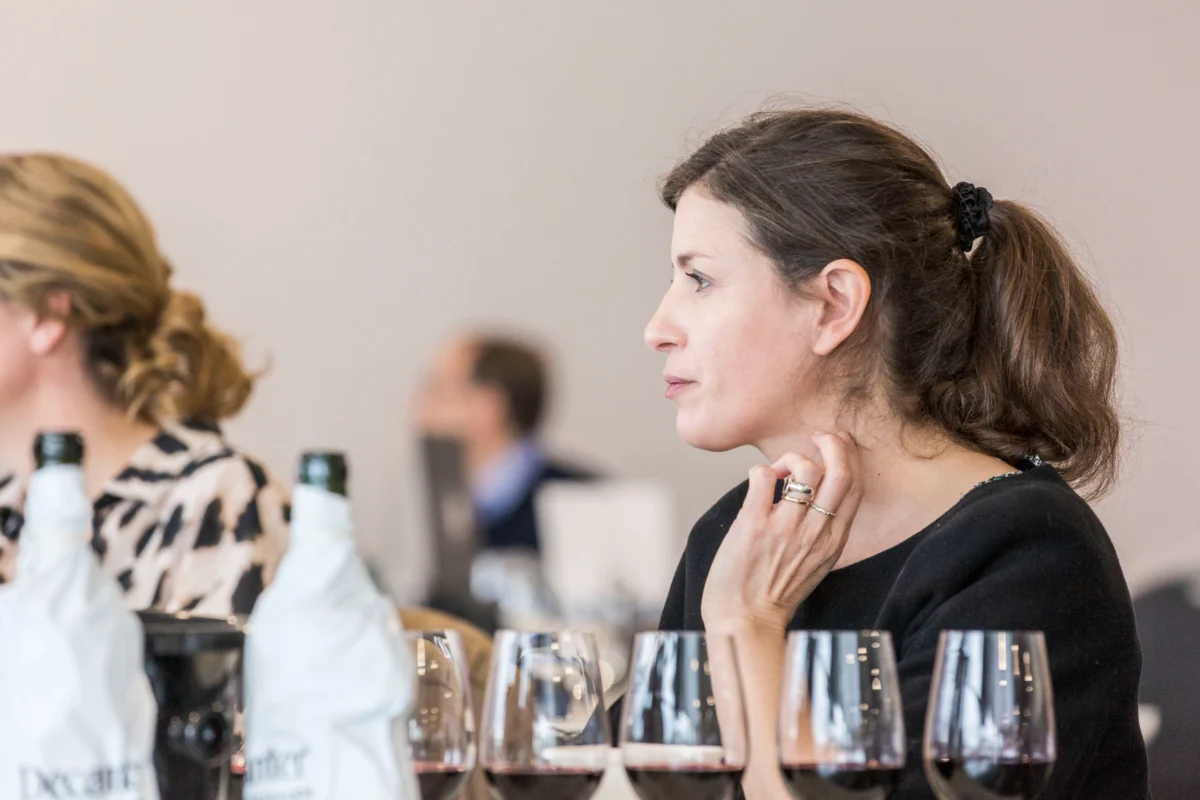
The Decanter World Wine Awards (DWWA) 2024 has spotlighted an impressive surge in the quality and diversity of Spanish white wines, with an expert panel, including Beth Willard, Andy Howard MW, and Ines Salpico, evaluating 177 distinct entries. The rigorous blind tasting process culminated in a remarkable 21 wines achieving the coveted "Outstanding" designation, while an additional 141 were deemed "Highly Recommended." This exceptional showing underscores Spain’s burgeoning reputation as a global leader in sophisticated white wine production, moving beyond its traditional image dominated by red varietals. The results reflect meticulous winemaking, distinctive terroir expression, and a commitment to showcasing indigenous grape varieties across the country’s diverse wine regions.
The Prestigious Decanter World Wine Awards: A Benchmark for Quality
The Decanter World Wine Awards, celebrating its 21st anniversary this year, stands as one of the largest and most influential wine competitions globally. Known for its rigorous judging process, DWWA brings together hundreds of the world’s leading wine experts, including Masters of Wine and Master Sommeliers, to assess thousands of wines from every corner of the viticultural world. The wines are tasted blind, ensuring complete impartiality and focusing solely on the quality in the glass. This multi-stage process involves initial tasting by panels, followed by re-tasting by regional chairs and co-chairs to confirm scores and ensure consistency. Achieving an "Outstanding" medal (95+ points) or "Highly Recommended" (90-94 points) at DWWA is a significant accolade, providing international recognition and serving as a trusted guide for consumers and trade professionals alike. The Spanish panel, comprising Beth Willard, a renowned wine communicator and judge with a deep passion for Spanish wines, Andy Howard MW, and Ines Salpico, brought specialized regional expertise to the assessment, ensuring a nuanced understanding of each wine’s provenance and style.
Spain’s White Wine Renaissance: A Journey of Terroir and Tradition
For decades, Spain’s viticultural identity was largely defined by its robust red wines from regions like Rioja and Ribera del Duero. However, a quiet revolution has been unfolding in its white wine sector, driven by a renewed focus on indigenous grape varieties, innovative winemaking techniques, and a profound respect for diverse microclimates and soils. This renaissance has seen regions previously overlooked for their white wines now producing world-class examples, challenging established norms and captivating international palates. Winemakers are increasingly exploring the potential of old vines, unique parcels, and traditional methods alongside modern advancements, resulting in wines that offer both complexity and a true sense of place. The success at DWWA 2024 is a testament to this evolution, showcasing a broad spectrum of styles from crisp, aromatic whites perfect for immediate enjoyment to richly textured, age-worthy expressions.
Highlighting the "Outstanding" Spanish White Wines of DWWA 2024
The 21 wines that garnered an "Outstanding" rating represent the pinnacle of Spanish white winemaking, offering a diverse snapshot of the country’s viticultural excellence. These selections span various regions and grape varieties, each telling a unique story of its origin.
Galicia: Albariño and Godello Dominance
Galicia, in Spain’s verdant northwest, proved to be a powerhouse, particularly for its Albariño and Godello grapes.
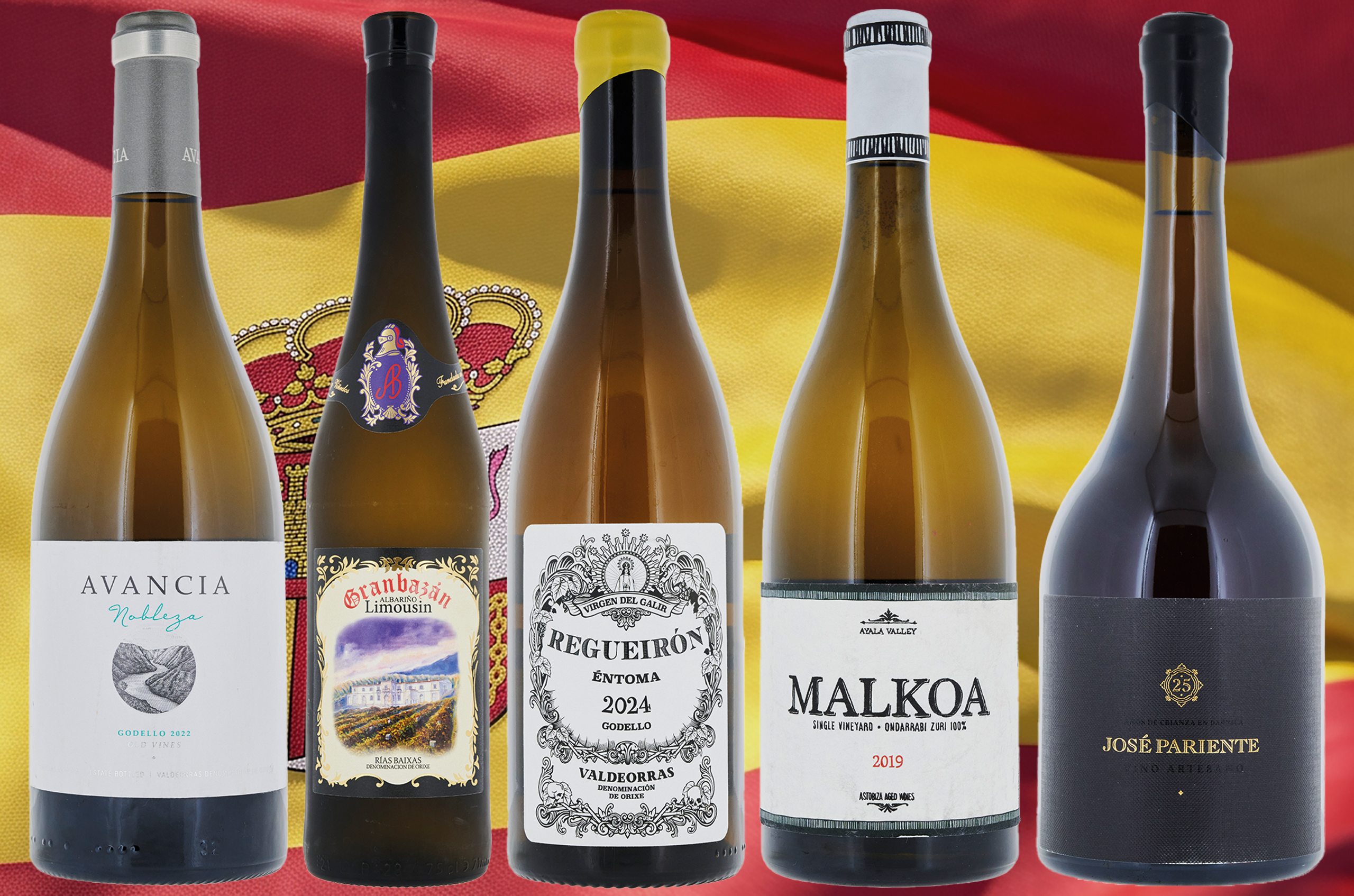
- Virgen del Galir, Regueirón Godello, Valdeorras, Galicia, Spain 2024: Hailing from a single parcel in Entoma, grown on slate-soiled terraces, this wine exemplifies Valdeorras Godello with its gentle winemaking approach. It reflects the region’s ability to produce highly expressive and nuanced Godello.
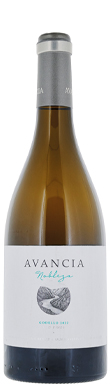
- Jorge Ordóñez, Avancia Nobleza Old Vines Godello, Valdeorras, Galicia, Spain 2022: This wine showcases Godello vines planted in 1940 on schist and black slate soils in Rubiá, Valdeorras. The age of the vines contributes significantly to the wine’s depth and concentration, a hallmark of the Avancia project.
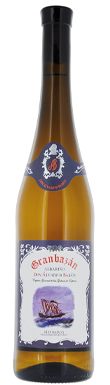
- Granbazán, Limousin Albariño, Val do Salnés, Rías Baixas, Galicia, Spain 2023: Granbazán is lauded as a pioneer in oak-aged Albariño, having experimented with this style since the 1980s using French Limousin oak barrels. This wine demonstrates the aging potential and textural complexity Albariño can achieve beyond its fresh, aromatic profile.
- Granbazán, Don Alvaro de Bazán Albariño, Val do Salnés, Rías Baixas, Galicia, Spain 2022: Produced only in exceptional vintages from old vines, this wine further solidifies Granbazán’s reputation for producing bottle-aged Albariño, offering layers of complexity and elegance.
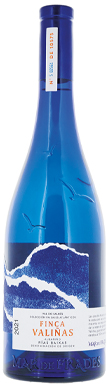
- Mar de Frades, Finca Valiñas Albariño, Val do Salnés, Rías Baixas, Galicia, Spain 2021: From an outstanding 2.2-hectare amphitheater vineyard facing the Ría de Arousa, this Albariño benefits from the unique coastal influence, resulting in a wine of distinct character and maritime freshness.
- Familia Torres, Pazo Torre Penelas, Blanco Granito Albariño, Val do Salnés, Rías Baixas, Galicia, Spain 2023: This wine impressed with its layered core of peach, apricot, and quince, lifted by lemon balm and verbena, and a juicy, racy citrus pith finish. The "Blanco Granito" name likely refers to the prominent granite soils of the region, contributing to the wine’s mineral backbone.
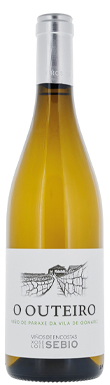
- Viños de Encostas – Xose Lois Sebio, O Outeiro, Valle del Avia, Ribeiro, Galicia, Spain 2024: O Outeiro is recognized as one of Ribeiro’s most exceptional single vineyard sites in Gomariz. This wine highlights the unique terroir of the region.
- Viños de Encostas – Xose Lois Sebio, As Viñas, Valle del Avia, Galicia, Spain 2023: From a 100-year-old parcel, considered one of Galicia’s best terroirs with a history dating back to the 13th century, "As Viñas" showcases the depth and heritage of Galician viticulture.
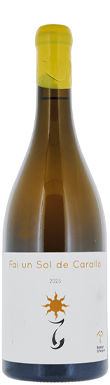
- El Paraguas, Fai un Sol de Carallo, Valle del Avia, Ribeiro, Galicia, Spain 2023: This limited-production blend, predominantly Treixadura with Albariño and Godello, sourced from terraced vineyards (socalcos), demonstrates the intricate blending artistry possible in Ribeiro.
- Viños de Encostas – Xose Lois Sebio, Salvaxe, Valle del Avia, Ribeiro, Spain 2024: This Treixadura-led blend was noted for its refined, smoky profile with pineapple, yellow apple, and melon, balanced by lemon pith and lime for precision.
Rioja and Northern Spain: Aged Whites and Indigenous Expressions
Rioja, while famous for its reds, is increasingly gaining recognition for its complex white wines, often made from Viura (Macabeo) and Malvasía.
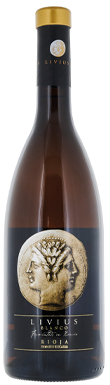
- Alvia, Livius Fermentado en Barrica Blanco, Rioja, Spain 2019: From vineyards in Rioja Alta, including Sierra Cantabria and Upper Najerilla, this barrel-fermented white demonstrates the region’s capacity for producing structured, age-worthy whites.
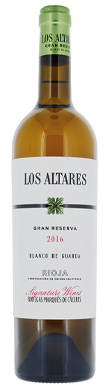
- Marqués de Cáceres, Los Altares Gran Reserva, Rioja, Spain 2016: As the winery’s first white Gran Reserva, this wine uses higher-elevation, old-vine Viura, showcasing the potential for prolonged aging and complexity in Rioja white wines.
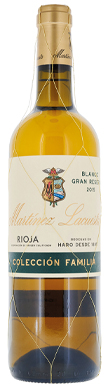
- Martínez Lacuesta, Colección Familia Gran Reserva Blanco, Rioja, Spain 2015: From a historic estate founded in 1895, this wine comes from a single plot of Viura in Haro at 430m-500m, emphasizing the importance of site-specific winemaking.
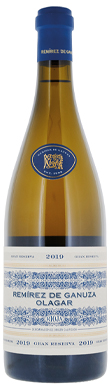
- Remírez de Ganuza, Olagar Gran Reserva, Rioja, Spain 2019: "Olagar" is a single Viura vineyard planted in 1978 at 620m in San Vicente de la Sonsierra, first produced in 2013, highlighting commitment to single-vineyard expressions.
- Monopole, Clásico Reserva Blanco Seco, Rioja, Spain 2021: This wine was praised for its distinctive flor and earthy orchard fruit aromas with a hint of vanilla, and a palate enlivened by lemon, grapefruit, and green apple, showcasing the traditional oxidative styles that can develop.
- Ysios, Finca El Nogal Blanco, Rioja, Spain 2023: Described as elegant, fragrant with musk and dried rose, this white Rioja offers concentrated orchard fruit with a nutty edge, assertive oak, stony freshness, and a saline thread, indicating a sophisticated balance of elements.
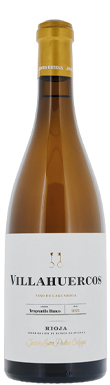
- Javier San Pedro Ortega, Villahuercos, Rioja Alavesa, Spain 2023: Javier, a fifth-generation winemaker in Laguardia, created this wine from his father’s winery, demonstrating a blend of tradition and personal vision.
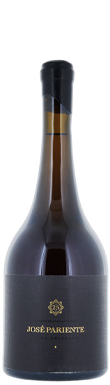
- José Pariente, 25 Años en Barricas, Rueda, Spain 2001: This unique Rueda Verdejo, founded by Victoria Parente in honor of her father, includes barrels from his last Verdejo harvest, showcasing the incredible longevity and evolution potential of old Verdejo.
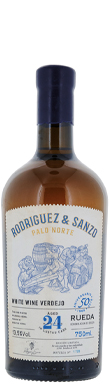
- Rodriguez & Sanzo, Palo Norte Verdejo, Rueda, Spain 2020: Launched in 2025 (likely a typo in the original, perhaps 2015 or 2025 release of 2020 vintage), this Verdejo comes from old vines (some planted in 1942) across two distinct Rueda sub-zones, emphasizing vine age and regional diversity.
Catalonia and Beyond: Garnacha Blanca and Unique Styles
Catalonia’s Terra Alta and Priorat regions, known for their powerful reds, are also producing captivating white wines, often from Garnacha Blanca.
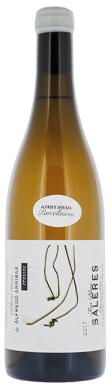
- Clos del Portal, Tros Blanc Saleres Garnacha Blanca, Montsant, Spain 2017: Architect Alfredo Arribas, who acquired Clos del Portal in 2001, also revived old vines in Montsant for this Garnacha Blanca, reflecting a dedication to regional heritage.
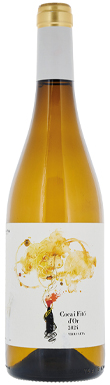
- Coca i Fitó, d’Or, Terra Alta, Spain 2024: Brothers Toni and Miquel, with their Coca i Fitó project launched in 2006, focus on Catalan terroirs. This white wine represents their commitment to quality.
- Edetària, La Terrenal, Terra Alta, Spain 2022: This Garnacha Blanca offered camomile, hay, and subtle woody spice over white peach, pear, and lemon curd, with a generous, waxy palate and fresh acidity.
- LaFou, De Rams Garnatxa Blanca, Terra Alta, Spain 2021: Noted for inviting orange zest, quince, and tarte tatin aromas, with a mature depth reminiscent of a savory orange wine, and a palate enriched by pear peel and honeyed almond.
- Terroir al Límit, Pedra de Guix, Priorat, Catalonia, Spain 2023: This wine exhibited fragrant almond blossom and linden with an expressive savory edge, offering quince, pear, and russet apple sharpened by grapefruit pith and stony freshness.
Other Regions and Varietals:
- Astobiza, Malkoa Hondarrabi Zuri, Txakolí, de Álava, Spain 2019: This wine presents Hondarrabi Zuri in a unique light, grown on clay and slate soils in Okondo, moving beyond the typical spritzy Txakolí style.
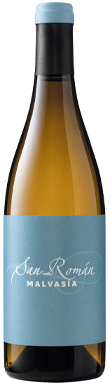
- San Román, Malvasía, Toro, Castilla y León, Spain 2024: Established by Mariano García (Bodegas Mauro founder) in 1995, this Toro estate with 140ha of organic vineyards (converting to biodynamic) showcases Malvasía from a region known for Tinta de Toro.
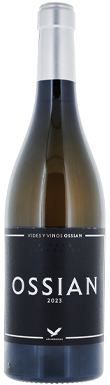
- Ossian Vides y Vinos, Ossian Verdejo, Segovia, Castilla y León, Spain 2023: From the southern Rueda region in Segovia, Ossian utilizes extremely old Verdejo vines, some up to 200 years old, contributing immense character and complexity.
- Ximénez-Spínola, Fermentación Lenta, Jerez, Spain 2024: A truly unique wine made from overripe Pedro Ximénez harvested 21 days later than usual, gently pressed, and slowly fermented, offering a distinctive expression from Jerez.
Supporting Data and Market Dynamics
The accolades from DWWA arrive at a time when Spanish wine exports continue to perform robustly, with white wines increasingly contributing to this growth. According to recent reports from the Spanish Wine Market Observatory (OeMv), white wine sales have shown consistent upward trends in key international markets, driven by consumer demand for lighter, aromatic, and food-friendly options. Regions like Rías Baixas (Albariño) have already established a strong foothold, but the success of Godello from Valdeorras, Verdejo from Rueda, and Garnacha Blanca from Terra Alta and Montsant signals a broadening appreciation for Spain’s diverse white wine portfolio. The focus on indigenous varietals resonates with a global trend towards authenticity and unique regional expressions, distinguishing Spanish whites from more ubiquitous international grapes. Furthermore, the commitment to sustainable and organic viticulture, as seen in estates like San Román, aligns with growing consumer preferences for environmentally conscious wines.
Official Perspectives and Industry Reactions
While direct statements from Decanter officials or specific winemakers were not provided in the original text, the implications of such strong results are clear. Decanter’s recognition of 21 "Outstanding" Spanish white wines sends a powerful message to the global wine community. Experts within Decanter would likely emphasize the maturation of Spain’s white wine sector, highlighting the significant investments in vineyard management, winemaking technology, and talent. The judges, including Beth Willard, known for her advocacy of Spanish wines, would undoubtedly praise the increasing consistency and quality across different price points and regions. Winemakers, in turn, would view these awards as validation of their hard work and dedication, reinforcing their efforts to elevate Spain’s white wine profile on the international stage. These accolades often translate into increased visibility, enhanced marketability, and a boost in consumer confidence for the awarded wines and regions.
Broader Impact and Future Implications
The outstanding performance of Spanish white wines at DWWA 2024 carries significant implications across several fronts:
- Enhanced Global Reputation: This strong showing elevates Spain’s standing as a producer of world-class white wines, challenging existing perceptions and placing it firmly alongside traditional white wine powerhouses.
- Market Growth and Export Opportunities: The international recognition can lead to increased demand and new export markets for Spanish white wines. Consumers and trade buyers often rely on DWWA medals as a stamp of quality.
- Regional Economic Development: For specific regions like Valdeorras, Ribeiro, Rueda, and Terra Alta, these awards can stimulate local economies through increased wine sales, wine tourism, and investment in viticultural infrastructure.
- Encouragement for Innovation: The success of diverse varietals and styles encourages winemakers to continue experimenting, exploring lesser-known indigenous grapes, and refining their techniques.
- Consumer Education and Exploration: The publicity generated by these awards introduces consumers to the incredible diversity of Spanish white wines, prompting them to explore beyond familiar options and discover new favorites.
In conclusion, the Decanter World Wine Awards 2024 results for Spanish white wines are a landmark achievement, signaling a vibrant and dynamic sector poised for even greater global recognition. The dedication of winemakers to their unique terroirs and indigenous varietals, coupled with rigorous quality control, has positioned Spain as a formidable force in the world of fine white wines. This success is not merely a collection of individual accolades but a collective triumph that will undoubtedly shape the future trajectory of Spanish viticulture for years to come.