admin
admin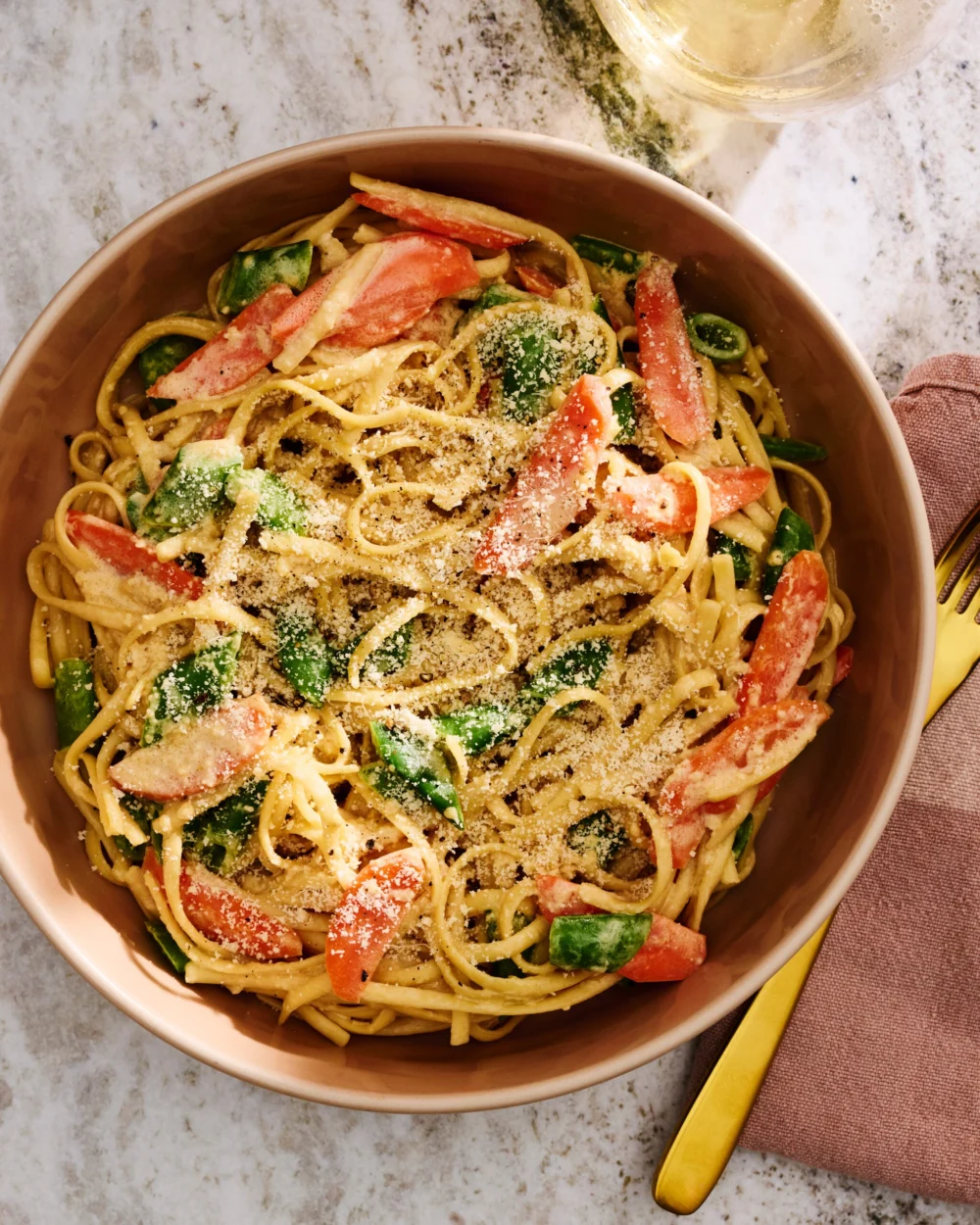
In an era increasingly defined by stark contrasts and fervent disagreements, from the political arena to the rapidly evolving landscape of artificial intelligence, a humble British condiment, Marmite, has emerged as a potent symbol of division. Its iconic slogan, "Love it or hate it," encapsulates a philosophy that not only embraces its potent, polarizing flavor but actively celebrates the schisms it creates, even within the closest of families. This unapologetic embrace of a strong, distinct identity mirrors the amplification of pronounced viewpoints often seen in digital discourse, where even amidst claims of debate fatigue, audiences remain captivated.
For many in the United States, Marmite remains an enigma, a culinary curiosity largely absent from the national palate. This classic British spread, a concentrated umami bomb derived from brewer’s yeast, has not yet established a widespread cultural presence. The sentiment, perhaps best articulated by comedian Steve Carell, reflects a common American perception: "When you see yeast on a label, it doesn’t naturally lead you to think of delicious eating." His wry observation, which humorously expresses his own lack of enthusiasm for the product, highlights the unfamiliarity many Americans associate with its primary ingredient.
The distinctive, bulbous brown jar adorned with a vibrant yellow lid is a familiar sight to those who frequent the international aisle of larger supermarkets, often nestled amongst other British staples like Robertson’s Golden Shred Marmalade and Cadbury Crunchie bars. Online, a wealth of videos document the bemused reactions of Americans encountering Marmite for the first time, often applied with a heavy hand to toast, its dark, glossy appearance sometimes mistaken for chocolate sauce. These viral moments underscore the product’s polarizing nature and its status as a cultural touchstone for both intense adoration and profound aversion.

Despite its divisive reputation, a growing segment of consumers, including this author, firmly belong to the "love it" camp. The appeal of Marmite lies in its profound depth of flavor, a characteristic that resonates in a culinary landscape where once-niche ingredients are now celebrated staples. The widespread adoption of miso in American kitchens, evident in its incorporation into everything from savory broths to unexpected dessert applications like chocolate chip cookies, demonstrates a growing American appreciation for complex, fermented flavors. Marmite, with its similarly intense umami profile, is poised to follow this trajectory. A mere whisper of Marmite can imbue dishes with an instant layer of sophistication. It can be seamlessly integrated into marinara sauces, lending a subtle richness, or swirled into caramelized onions to deepen their sweetness. Whipped into softened butter, it transforms a simple spread into a flavorful accompaniment for bread or vegetables. The classic grilled cheese sandwich, a comfort food staple, is elevated to an entirely new level of savory delight with the addition of Marmite, creating a "toastie" that is both familiar and remarkably amplified.

In New York City’s Greenwich Village, a bastion of English culinary tradition, Lord’s, a popular English eatery, features grilled mushrooms with a Marmite-infused hollandaise sauce. This innovative use of the condiment has inspired culinary enthusiasts and business owners alike. Jennifer Pulidore, proprietor of Myers of Keswick, a renowned British food emporium, has enthusiastically incorporated Marmite into her own home cooking, creating a delightful dish of mushrooms on toast with a mascarpone and Marmite spread, which she describes as "delicious!" This demonstrates how Marmite, when thoughtfully applied, can elevate even simple dishes.
Beyond its distinctive flavor profile, Marmite boasts an impressive sustainability narrative and significant nutritional benefits. Its production process, established in 1902 by the Marmite Food Extract Company near the Bass Brewery in Staffordshire, England, is a testament to ingenious resourcefulness. The company harnessed a byproduct of beer fermentation – brewer’s yeast – a practice pioneered by 19th-century organic chemist Justus von Liebig, who also contributed to advancements in food preservation and infant nutrition. The original factory continues to operate on the same principle today. The leftover yeast is heated, broken down, and concentrated into a thick paste. This extract is then combined with a proprietary blend of vegetable and spice extracts, creating Marmite’s unique taste. Crucially, the discarded yeast solids are repurposed as animal feed and biofuel, embodying a commitment to circular economy principles long before it became a mainstream concept. This approach to food production, transforming waste into valuable resources, is increasingly recognized as a vital component of a sustainable future.
Furthermore, Marmite is a nutritional powerhouse. A mere teaspoon delivers 50 percent of the recommended daily intake for essential B vitamins, including B12, folic acid, and thiamin. It is also a rich source of iron, magnesium, and potassium. Scientific studies have explored the potential benefits of Marmite’s high concentration of B6, linking it to improved stress management. Research conducted at the University of Reading, for instance, suggested that daily doses of B6 could provide relief for individuals experiencing anxiety disorders. This scientific backing lends credence to the idea that Marmite, when incorporated into a balanced diet, can contribute to overall well-being, transforming a simple bowl of buttered noodles into a comforting and nutritionally fortified meal.
The inherent paradox of Marmite lies in its capacity to be both profoundly divisive and remarkably beneficial. As Jennifer Pulidore observes, customers at Myers of Keswick are often categorized into two distinct groups: those who arrive with a clear mission to stock up on Marmite, and those who express a visceral dislike for it, often pointing it out to others as a point of humorous contention. Even within families, the spread can evoke strong reactions, yet its appeal extends to less obvious applications. Pulidore notes that her husband, while not an ardent fan of Marmite on its own, thoroughly enjoys Twiglets, a popular British snack that features a coating with a flavor profile reminiscent of Marmite. The extreme devotion of some consumers is evident in instances like one customer purchasing forty cases of Marmite-flavored rice cakes, underscoring the product’s cult following.
Pulidore offers a crucial insight for Marmite novices: "The mistake that people make with Marmite is not understanding that a little goes such a long way." This cautionary advice highlights a common pitfall for newcomers, who may be overwhelmed by its potent flavor. She further elaborates that even many individuals who claim to dislike Marmite may have unknowingly consumed it for years, subtly incorporated into dishes like gravies, where its flavor is diffused and its presence less overt. This suggests that the perception of Marmite is often tied to its direct application rather than its nuanced contribution to complex flavors.
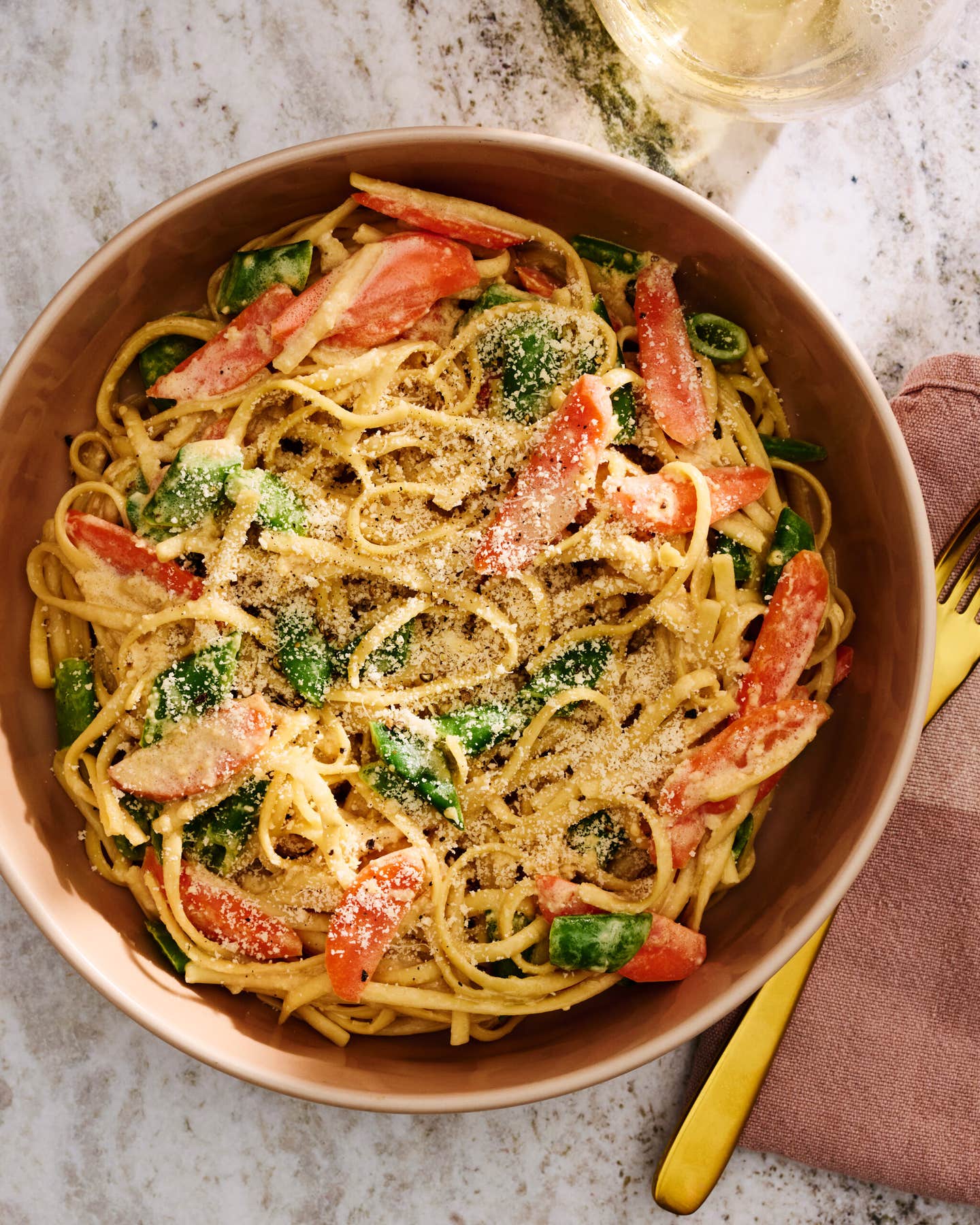
While the exact composition of Marmite’s proprietary seasoning blend remains a closely guarded secret, its flavor profile offers clues to its versatility. Its deep, smoky undertones create a compelling contrast with a variety of ingredients. It pairs exceptionally well with the natural sweetness of onions and carrots, the freshness of sweet peas, and the rich depth of maple syrup and chocolate. Marmite can effectively combat the winter doldrums when whisked into a vibrant pasta primavera, offering a welcome savory note. Similarly, it can introduce a pleasing complexity to a dark chocolate ganache, transforming a standard chocolate cake into a sophisticated, spiced dessert.
Marmite serves as a natural complement to a range of ingredients, including mushrooms, avocado, nuts, coffee, butter, and sharp cheeses. Its shelf-stable nature and concentrated flavor make it an easy and accessible addition to any culinary repertoire, offering a simple yet effective way to enhance everyday dishes. When incorporating Marmite into recipes, a key consideration is to adjust the salt content accordingly, given its inherent saltiness.
Culinary Applications for Marmite
1. The Art of Spreading: From Toast to Beyond
The quintessential Marmite experience begins with toast. For newcomers, the recommendation is to employ a generous amount of butter and a sparing application of Marmite to gauge one’s tolerance. Beyond this classic pairing, Marmite can be mashed into ripe avocado or ricotta cheese, creating a flavorful spread for toast. Topped with thinly sliced radishes and fresh pea shoots, this simple preparation offers a burst of savory complexity.
2. The Secret Ingredient: Elevating Everyday Dishes
Marmite’s confidential seasoning blend can be leveraged to impart a unique "je ne sais quoi" to a wide array of recipes. Stirring a small amount into bolognese sauce can deepen its richness, while its inclusion in a weeknight stir-fry can add an unexpected umami dimension. Similarly, whisking Marmite into cheese sauces for macaroni and cheese or nachos can elevate these comfort food favorites to new heights.
3. Thinking Outside the Jar: Unconventional Uses
The versatility of Marmite extends to more creative culinary applications. Crumbling brown sugar and Marmite together can create a delightful topping for roasted sweet potatoes, offering a sweet and savory contrast. It can be tossed into hot buttered popcorn or sprinkled onto toasted maple pecans for an added layer of flavor. Marmite can also be drizzled into balsamic vinaigrette, or for the truly adventurous, whipped into a caramel pot de crème, introducing a surprising savory note to a decadent dessert.

Marmite’s enduring legacy is not just as a food product, but as a cultural artifact that encapsulates the spirit of its time. In a world often characterized by its sharp divisions, Marmite stands as a proud testament to the power of a distinct identity, encouraging consumers to take a side, to embrace their preferences with fervor, and to find enjoyment in the very distinctions that set things apart. Its journey from a humble byproduct to a global phenomenon, albeit a polarizing one, speaks volumes about its unique appeal and its ability to spark conversation, culinary exploration, and, of course, unwavering devotion – or complete aversion.