admin
admin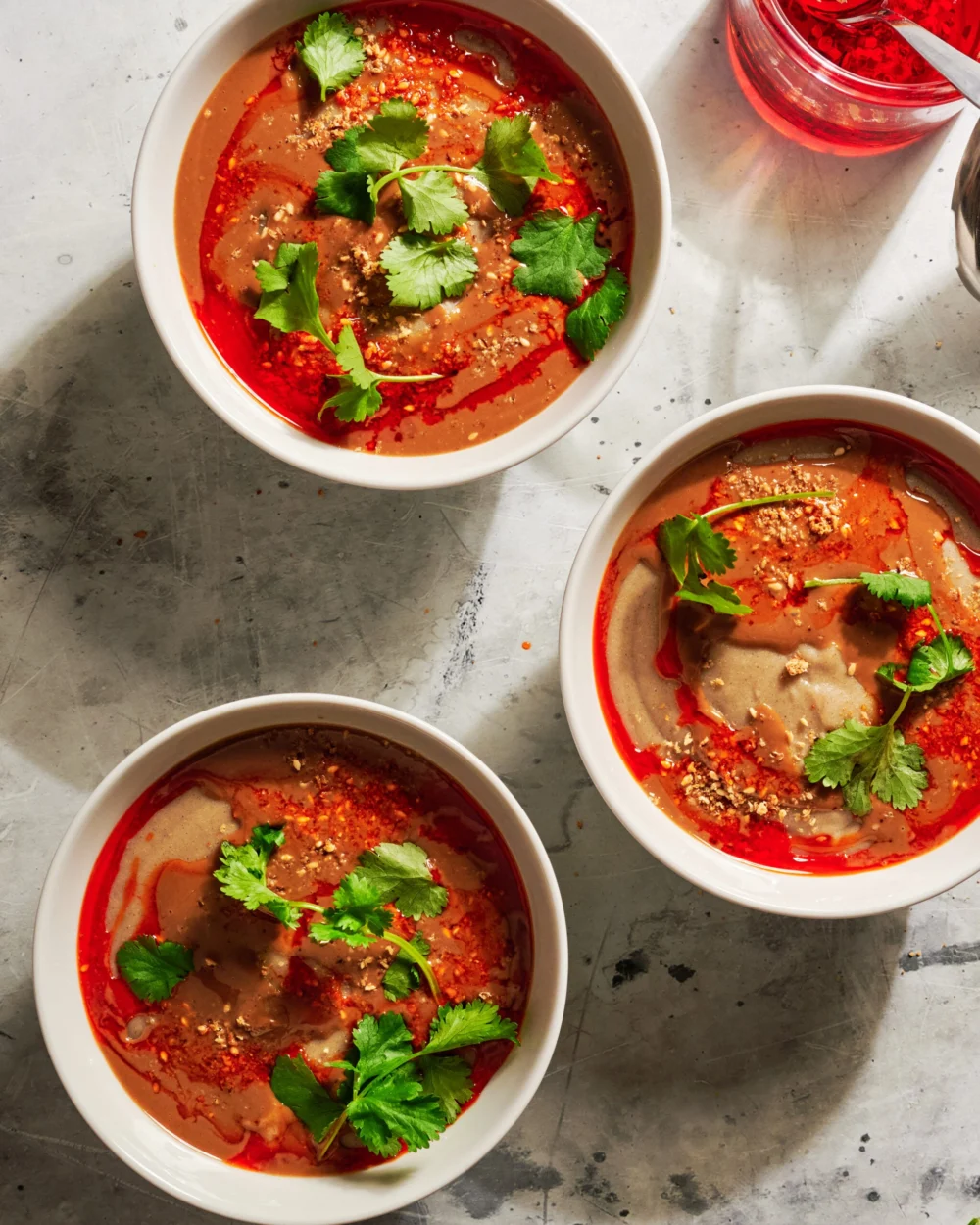
The humble bowl of millet porridge, a breakfast staple deeply woven into the fabric of Beijing’s historic hutong neighborhoods, offers more than just sustenance; it provides a flavorful portal to the city’s rich culinary heritage. This seemingly simple dish, characterized by its mild, earthy millet base, is elevated by a generous swirl of rich, toasted sesame paste and a scattering of crunchy toasted sesame seeds. For those seeking an extra layer of complexity, vendors often introduce vibrant cilantro and fiery chile oil, transforming the porridge into a more robust and nuanced culinary experience. The art of preparing this breakfast classic lies in the careful selection and preparation of its key components, particularly the toasted sesame paste and the specific grade of corn flour, which are crucial for achieving its signature velvety texture and deep flavor profile.
The foundation of this beloved Beijing breakfast is the millet, a grain that has been cultivated for millennia and forms the backbone of many traditional diets across Asia and Africa. Its mild flavor and relatively quick cooking time make it an ideal base for a comforting morning meal. However, it is the accompaniments that truly define the hutong millet porridge. The toasted sesame paste, a distinctly Chinese condiment, plays a pivotal role. Unlike its Middle Eastern cousin, tahini, which is typically made from hulled sesame seeds and has a smoother, lighter character, Chinese sesame paste is crafted from whole, toasted seeds. This toasting process unlocks a more profound, nutty depth and a subtly coarser texture, contributing significantly to the porridge’s overall sensory appeal. Furthermore, sesame paste is best enjoyed fresh, as its complex flavors can diminish with age, a characteristic that underscores the importance of its daily preparation in bustling market stalls and home kitchens alike.
The Art of Toasting and Grinding
The preparation of the toasted sesame seeds, a critical element for both the topping and, in some cases, the sesame paste itself, requires a delicate touch. Raw sesame seeds, when spread in a single layer in a medium skillet over medium-low heat, need to be stirred frequently. This constant agitation prevents scorching and ensures even toasting, transforming the pale seeds into a rich, golden hue within approximately five minutes. Once toasted to perfection, they must be allowed to cool completely to room temperature before being ground. This cooling period is essential for preserving their delicate oils and preventing them from clumping into an undesirable paste during the grinding process. The texture of the ground seeds, whether coarsely ground for a textural contrast or finely ground for a smoother integration, is a matter of personal preference and culinary tradition.
The Importance of Corn Flour
Equally vital to the porridge’s success is the type of corn flour used. The recipe specifically calls for fine corn flour, a distinction that cannot be overstated. Coarse cornmeal, with its larger particles, would result in a grainy, less appealing texture. Cornstarch, while fine, is a pure starch extract and would yield a jelly-like consistency rather than the desired creamy, velvety mouthfeel. Fine corn flour, often referred to as corn flour or cornmeal in some regions, contains more of the germ and bran of the corn kernel, contributing to a smoother, more integrated texture when cooked. The precise ratio of flour to liquid, coupled with consistent stirring during the simmering process, is what transforms simple ingredients into a comforting and satisfying breakfast.
A Glimpse into Hutong Culinary Traditions
The hutongs of Beijing, with their labyrinthine alleyways and traditional courtyard homes (siheyuan), represent the historical heart of the city. For generations, these neighborhoods have been centers of community life, where traditional culinary practices have been preserved and passed down. The millet porridge, in this context, is not merely a breakfast item; it is a symbol of continuity, a connection to ancestral ways of eating, and a testament to the resourcefulness of urban dwellers who relied on readily available, nutritious ingredients. The ubiquity of this dish in hutong eateries and homes speaks to its enduring appeal, a comfort food that has weathered the tides of modernization and changing urban landscapes.
Recipe Breakdown: Crafting Beijing’s Beloved Porridge
The process of creating this classic millet porridge, as detailed in culinary guides, involves several distinct stages, each contributing to the final harmonious dish.
Step 1: The Flour Base
The initial step involves combining the millet and fine corn flours in a small bowl. This dry mixture is then gradually incorporated with one cup of water, stirred vigorously until a smooth, lump-free slurry is achieved. This slurry acts as the thickening agent for the porridge, and its smooth consistency at this stage is paramount to avoiding lumps later in the cooking process. This mixture is then set aside, ready for its integration into the simmering liquid.
Step 2: The Sesame Paste Emulsion
Concurrently, in a separate small bowl, the Chinese sesame paste is whisked together with a touch of oil. This emulsification process helps to loosen the thick sesame paste, making it easier to incorporate into the finished porridge and ensuring a more even distribution of its rich flavor. This mixture is also set aside, awaiting its final flourish.
Step 3: Preparing the Seed Topping
The toasted sesame seeds, having been prepared and cooled, are then coarsely ground using a spice grinder or a mortar and pestle. This achieves a pleasant textural contrast against the smooth porridge. A pinch of salt is then stirred into the ground seeds, enhancing their nutty flavor and providing a subtle savory counterpoint. This seasoned seed mixture is then set aside.
Step 4: Simmering the Porridge
In a small pot, two cups of water are brought to a rolling boil. Once boiling, the heat is reduced to low, and the flour and water slurry from Step 1 is gradually whisked in. Continuous whisking is crucial during this stage to prevent the porridge from sticking to the bottom of the pot and to ensure a uniformly thick and smooth consistency. The porridge is then left to simmer gently, with frequent whisking, for approximately fifteen minutes, or until it reaches the desired thickness and velvety texture.
Step 5: Assembling and Serving
The final step involves the artful assembly of the dish. The thickened millet porridge is divided equally among four serving bowls. A generous dollop of the reserved sesame paste mixture is then swirled into each bowl, followed by a sprinkle of the seasoned toasted sesame seeds. For those who desire a more complex flavor profile, a drizzle of chile oil and a scattering of fresh cilantro are added as optional garnishes. Served hot, this hutong millet porridge offers a comforting and deeply satisfying start to the day, embodying the simple yet profound culinary wisdom of Beijing.
Data on Millet Consumption and Sesame Paste Production
Millet, a globally significant grain, plays a vital role in food security for millions, particularly in arid and semi-arid regions. Globally, millet production has seen fluctuations, with figures from the Food and Agriculture Organization of the United Nations (FAOSTAT) indicating consistent annual harvests in the tens of millions of metric tons. While specific data on its consumption as a breakfast porridge in Beijing is not readily available in broad statistical databases, its deep entrenchment in the local diet is evident through its presence in traditional recipes and street food culture. Similarly, sesame paste production is a significant agricultural industry in many parts of the world, with China being a major producer and consumer of sesame seeds and their derivatives. The quality and taste of Chinese sesame paste are directly linked to the agricultural practices of sesame cultivation and the methods of seed processing, including toasting and grinding.
Broader Implications: Culinary Heritage and Urban Development
The continued popularity of hutong millet porridge in contemporary Beijing highlights a broader trend of urban populations seeking to reconnect with their culinary heritage amidst rapid development. As traditional neighborhoods are redeveloped, the food stalls and small eateries that serve these time-honored dishes often become cultural touchstones, offering a sense of continuity and authenticity. The preservation of such culinary traditions is increasingly recognized not only for its cultural value but also for its potential to support local economies and tourism. The simple act of enjoying a bowl of millet porridge can therefore be seen as a quiet act of cultural preservation, a way of supporting the vendors and the way of life that has characterized these historic urban areas for generations. The enduring appeal of this dish suggests that, despite the influx of globalized food trends, the foundational flavors and textures of traditional Chinese cuisine continue to hold a powerful and cherished place in the hearts and stomachs of its people.