admin
admin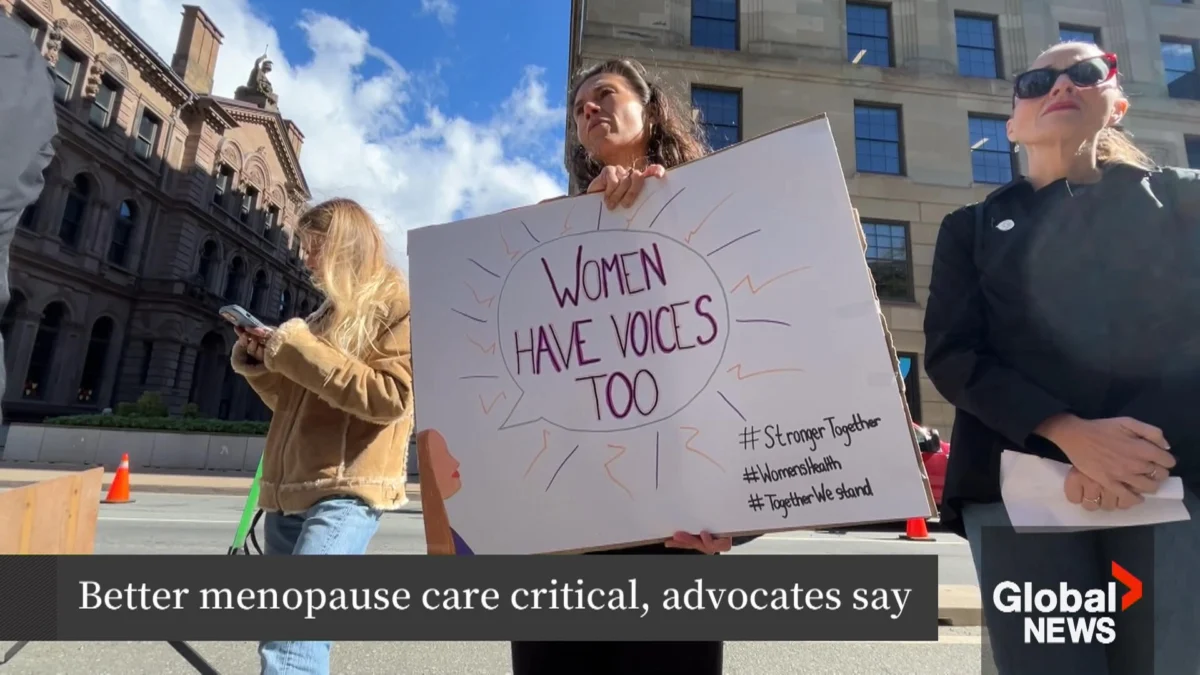
Women’s health advocates in Nova Scotia are intensifying their calls for improved menopause care across the Maritimes, expressing a mix of hope and skepticism regarding the provincial government’s promised Menopause Centre of Excellence. As World Menopause Month approaches in October, the advocacy group Women’s Access to Care & Health (WATCH) is urging the province to prioritize comprehensive education for primary care providers to ensure that the planned centre genuinely addresses systemic gaps in access and quality of care rather than becoming an isolated specialty hub.
A Critical Juncture for Women’s Health in Nova Scotia
The discussion around menopause care in Nova Scotia has reached a critical juncture, driven by persistent advocacy and a growing awareness of the significant impact inadequate support has on millions of women. Menopause, a natural biological transition, typically occurs between the ages of 45 and 55, marking the end of a woman’s reproductive years. However, its symptoms—ranging from debilitating hot flashes, night sweats, and sleep disturbances to mood swings, anxiety, cognitive changes, and musculoskeletal pain—can severely affect quality of life, professional productivity, and overall well-being. Despite its universality, menopause has historically been under-researched, under-diagnosed, and often poorly managed within healthcare systems worldwide, and Canada, including the Maritimes, is no exception.

Globally, over 1.2 billion women are expected to be post-menopausal by 2030, underscoring the immense scale of this health challenge. In Canada, with a population of over 20 million women, millions are currently navigating or will soon navigate this transition. The economic implications of inadequate menopause care are substantial, with studies in other developed nations estimating billions in lost productivity annually due to women being forced to reduce work hours, leave employment, or operate at reduced capacity because of unmanaged symptoms. This economic burden extends to increased healthcare costs from misdiagnoses or treatment of secondary health issues exacerbated by menopause.
Elizabeth Smith-McCrossin, the Cumberland-North MLA and a prominent member of WATCH, underscored the pervasive nature of this health phase, stating, "Every woman is going to go through menopause in some fashion, everyone in this province. What the (health) minister should be working on, is improving the education of our primary care providers so that every primary care provider in the province is comfortable treating menopause." Her sentiment encapsulates the core concern of WATCH: that while a specialized centre is a welcome step, it must not detract from the fundamental need to uplift the baseline knowledge and confidence of general practitioners, who are often the first, and sometimes only, point of contact for women seeking help.
The Provincial Pledge: A Centre of Excellence
The Nova Scotia government initially announced its ambitious plans for a Menopause Centre of Excellence last October, touting it as a Canadian first. This initiative was presented as a significant move to close long-standing care gaps and alleviate arduous wait times for women experiencing menopausal symptoms. The commitment was further solidified in the subsequent spring budget, which allocated $4.7 million towards the centre’s initial phase, covering both operating and capital costs. This financial injection signaled a serious provincial intent to address a long-neglected area of women’s health.

According to provincial statements, the centre is designed to offer a blend of in-person and virtual care, aiming to extend its reach across Nova Scotia. The inclusion of virtual care is particularly critical in a region like the Maritimes, where rural populations often face significant barriers to accessing specialized medical services due to geographical distance and transportation challenges. In February, the government issued a public Request for Proposals (RFP) to secure suitable clinic space, indicating a tangible step towards operationalization. The envisioned staffing model for the centre highlighted a multidisciplinary approach, proposing a team comprising a gynecologist, a pelvic floor physiotherapist, a registered nurse, and a general practitioner. This composition suggests an intention for comprehensive, holistic care, acknowledging that menopause symptoms can affect various bodily systems and require diverse therapeutic interventions. The province had initially slated the clinic for a winter opening, creating considerable anticipation among patients and advocates alike, who saw this as a beacon of hope for improved care.
Advocates’ Frustration: "Crickets. Nothing."
Despite the initial fanfare and substantial budgetary commitment, WATCH members are expressing growing frustration over what they perceive as a conspicuous lack of tangible progress and transparent communication. As the promised winter opening draws nearer, concrete updates on the centre’s development have been conspicuously absent from the provincial government. This silence has fueled concerns that the project may be encountering unforeseen delays or that its implementation strategy is not as robust as initially portrayed.
Smith-McCrossin voiced her exasperation, remarking, "Crickets. Nothing. Listen, I’ve started a clinic. It does not take this long to get a clinic started up and get professionals available for people. I think they need to show Nova Scotians it’s not just something on paper, words. We need action." Her statement suggests a deep-seated concern that the government’s commitment might be more rhetorical than practical, especially given her own experience with establishing healthcare facilities. The operational complexities of setting up a specialized clinic, including securing appropriate space, recruiting a multidisciplinary team, establishing referral pathways, and integrating virtual care infrastructure, are considerable. However, advocates argue that these challenges should be communicated openly.

This sentiment is echoed by Patsy Smith, another prominent WATCH member, who emphasized the importance of accountability and reassurance. "I think we would love to hear a status report," she stated. "If it’s transparent, if progress reports are announced, if status updates are provided, I think it would reassure all of us that we’re in good hands." The lack of consistent updates not only fuels suspicion but also leaves thousands of women suffering from menopausal symptoms in a state of uncertainty, unsure when, or if, the promised specialized care will materialize. In response to these growing concerns, the Nova Scotia Department of Health and Wellness has, however, maintained that while there is no new update currently available, more news will be shared "very soon" and that the clinic remains "on track" for its winter launch. This reassurance, while welcome, has yet to be substantiated with concrete details or a revised timeline.
The Menopause Care Gap: A National and Global Issue
The challenges highlighted by WATCH in Nova Scotia are not isolated incidents but reflect a broader national and international struggle to adequately address menopause within existing healthcare frameworks. Studies and patient surveys consistently reveal that many healthcare providers, particularly general practitioners, receive insufficient training in menopause management during their medical education. A 2022 survey by the Canadian Menopause Society, for instance, indicated that a significant percentage of Canadian primary care physicians felt unprepared to manage complex menopausal cases, often relying on outdated information or limited resources. This knowledge gap often leads to misdiagnosis, under-treatment, or a dismissive approach to symptoms, leaving women feeling unheard and unsupported. Common scenarios include symptoms being attributed solely to aging, stress, or other conditions, delaying appropriate menopausal treatment.
The consequences of this pervasive care gap are far-reaching. Women often face long waitlists for gynecologists or endocrinologists, specialists who are already stretched thin in regions like the Maritimes, which historically struggle with physician recruitment and retention. Untreated menopausal symptoms can exacerbate chronic health conditions, such as cardiovascular disease and osteoporosis, and significantly impair mental health, contributing to increased rates of anxiety and depression. Furthermore, the impact on professional lives is profound; many women report reduced work performance, needing to take extended leaves, or even leaving the workforce prematurely, leading to a substantial loss of talent and experience from the economy. This contributes to the estimated global economic burden of menopause symptoms, which due to lost productivity and direct healthcare expenditures, runs into billions annually. Addressing this care gap is not just a matter of individual well-being but also a critical public health and economic imperative.

Beyond the Centre: The Imperative of Primary Care Education
While a specialized Centre of Excellence is undoubtedly a positive step towards providing advanced care for complex cases and potentially serving as a training and research hub, WATCH’s core argument centers on the need for a foundational shift in primary care education. A centralized clinic, no matter how well-staffed, cannot realistically cater to the millions of Canadian women transitioning through menopause. The sheer volume dictates that general practitioners must be equipped with the knowledge and confidence to diagnose, counsel, and treat the majority of menopausal women effectively. Without this broad educational uplift, the centre risks becoming an overwhelmed bottleneck, accessible to only a fraction of those who need care, while the vast majority continue to struggle in silence or with inadequate support.
Implementing a robust strategy for primary care education would involve several key components:
- Mandatory, comprehensive menopause education: Integrating updated, evidence-based curricula into medical school programs to ensure future doctors are well-versed in menopausal health.
- Ongoing professional development: Providing accessible workshops, seminars, and online resources for existing primary care providers to update their knowledge and skills, focusing on symptom recognition, diagnostic tools, and various treatment modalities, including hormone therapy, non-hormonal options, and lifestyle interventions.
- Integration of "menopause champions": Establishing dedicated menopause champions or specialized clinics within larger primary care networks, allowing for easier consultation, referral, and peer support among practitioners.
- Dispelling myths and reducing stigma: Actively combating misinformation surrounding menopause and hormone therapy, fostering an environment where women feel comfortable discussing their symptoms and seeking appropriate medical advice.
Such a comprehensive approach would empower general practitioners to manage most routine menopause cases, allowing specialized centres to focus on complex, atypical, or severe presentations. This tiered approach is vital for achieving equitable and accessible care across the province, particularly in underserved rural areas where specialist access is already limited.

The Rally for Change and World Menopause Month
In an effort to amplify their message and galvanize public support, WATCH has organized a rally scheduled for September 16 at Grand Parade in Halifax. The group is extending an open invitation to anyone concerned about the state of women’s health care, particularly regarding menopause, to participate. Such public demonstrations are crucial tools in democratic societies, effectively drawing media attention, pressuring policymakers, and fostering community solidarity around health issues that have long been relegated to private suffering. The rally aims to demonstrate the widespread demand for action and transparency from the provincial government.
The timing of these advocacy efforts is particularly significant as they precede World Menopause Month in October. This international observance, supported by organizations like the International Menopause Society, aims to raise global awareness about menopause and the support options available for improving health and well-being. Each year, it focuses on a specific theme, encouraging education and discussion. WATCH’s actions align perfectly with the global initiative, placing Nova Scotia’s specific challenges within a broader narrative of women’s health empowerment. It provides an opportune moment for the provincial government to not only deliver on its promises for the Centre of Excellence but also to showcase a progressive, patient-centered approach to a critical phase of women’s lives. By demonstrating tangible progress during World Menopause Month, the province could turn a moment of critique into an opportunity for leadership.
Implications and Future Outlook

The situation unfolding in Nova Scotia carries significant implications, reflecting the broader challenges faced by women’s health initiatives when under-resourced or lacking transparent execution. A continued lack of transparent communication regarding the Menopause Centre of Excellence risks eroding public trust and undermining the very purpose of the initiative. Should the centre fail to open on time, prove to be inadequate in scope, or not be complemented by broader primary care education, it could further entrench the perception that women’s health issues are not given the priority they deserve within the provincial healthcare system. This would be a missed opportunity, particularly given the initial promise and budgetary commitment.
Conversely, a successfully implemented centre, coupled with a robust and well-communicated strategy for primary care education, could position Nova Scotia as a leader in comprehensive menopause care in Canada. This would not only significantly improve health outcomes and quality of life for thousands of women but also potentially attract healthcare professionals specializing in women’s health to the region, addressing existing recruitment challenges. The multidisciplinary approach envisioned for the centre—incorporating gynecology, physiotherapy, and nursing—is a model that, if scaled and supported, could set a new standard for holistic women’s health care. It would acknowledge the multifaceted impact of menopause and provide a more integrated approach to treatment.
However, the immediate challenge lies squarely in the province’s ability to move from promises and budgetary allocations to tangible, operational results. The coming weeks, leading up to the anticipated winter opening and coinciding with World Menopause Month, will be crucial. The eyes of women’s health advocates, patients, and indeed, the entire province, will be on the Department of Health and Wellness, awaiting the "very soon" updates that will either reassure them of concrete progress or confirm their fears of further delays in essential care. The demand from WATCH and the broader community is clear: women in Nova Scotia deserve accessible, informed, and compassionate menopause care, and advocates are determined to hold the government accountable for delivering on that vital promise. The rally on September 16 will serve as a potent reminder of this unwavering demand for action and transparency in addressing a fundamental aspect of women’s health.