admin

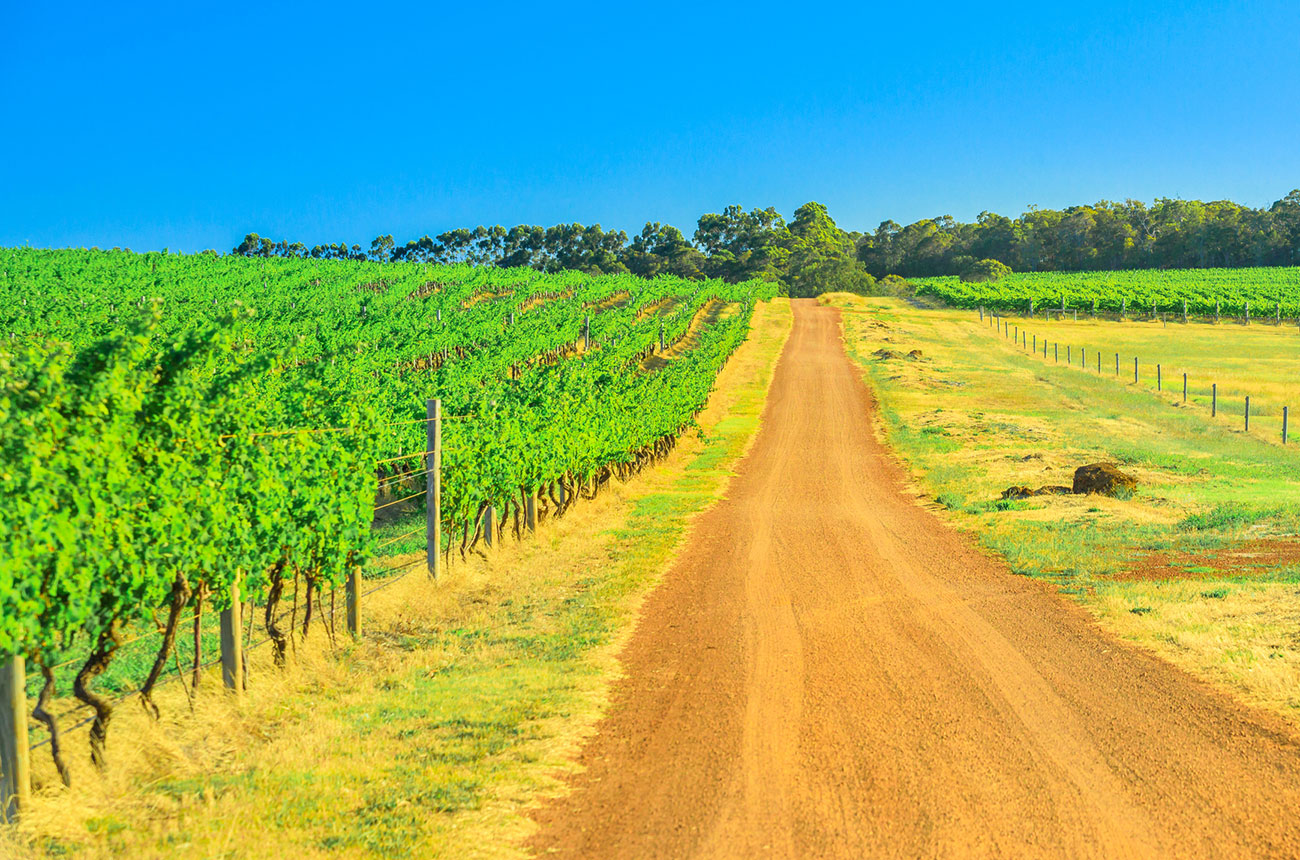
Western Australia’s Margaret River region, often characterised by its vibrant red dirt, the ubiquitous presence of four-wheel-drives, long stretches of raw desolation, and an unmistakably no-nonsense culture, presents a striking contrast to the stiff-lipped formality traditionally associated with the world of fine wine. Yet, in an era where modern drinkers increasingly challenge established fine-wine taboos and the global wine industry scrambles to adapt to evolving consumer preferences, this very informality is emerging as one of the region’s most potent and enduring strengths. Far from being a detractor, Margaret River’s authentic, unpretentious identity is proving to be a significant asset, allowing it to resonate powerfully with a new generation of wine enthusiasts seeking quality without the pomp.
The Genesis of a Viticultural Icon: A Chronological Journey
The story of Margaret River’s rise to international prominence as a wine region is relatively recent, yet remarkably swift. Its viticultural potential was first scientifically identified in 1965 by Dr. John Gladstones, a brilliant agricultural scientist who published a seminal report highlighting the region’s extraordinary similarities to Bordeaux, France, in terms of climate, rainfall, and soil composition. Gladstones’ foresight, based on meticulous meteorological and geological analysis, pinpointed the area as ideally suited for premium grape growing, particularly for classic varieties like Cabernet Sauvignon and Chardonnay.
Following Gladstones’ groundbreaking report, the first commercial vineyard, Vasse Felix, was established in 1967 by Dr. Tom Cullity, a Perth cardiologist. This pioneering venture laid the groundwork for what would become a flourishing industry. The early 1970s saw the establishment of other foundational wineries, including Cullen Wines (1971), Moss Wood (1969), and Leeuwin Estate (1972). These visionary individuals, often driven by passion and a pioneering spirit rather than extensive wine backgrounds, were instrumental in proving the region’s capability to produce world-class wines.
Throughout the 1980s, Margaret River steadily gained recognition within Australia, largely for its exceptional Cabernet Sauvignon and Chardonnay. The region’s unique maritime climate, influenced by the Indian Ocean on three sides, provides a long, cool ripening period, allowing grapes to develop complex flavours and fine acidity. This period also saw an increase in smaller, boutique wineries, each contributing to the region’s diverse character while upholding a collective commitment to quality. By the 1990s and early 2000s, Margaret River wines were consistently achieving critical acclaim on the international stage, winning awards and capturing the attention of influential wine critics and sommeliers worldwide, firmly cementing its reputation as one of the New World’s most exciting fine wine regions.
Terroir and Varietals: The Foundation of Distinctive Quality
The geological and climatic conditions of Margaret River are truly exceptional, contributing directly to the distinctive quality and style of its wines. The region is characterised by ancient, undulating landscapes with predominantly gravelly loam soils over clay subsoils, providing excellent drainage and moderate water retention. This unique soil profile, combined with a Mediterranean climate – warm, dry summers and mild, wet winters – creates an ideal environment for viticulture. The pervasive maritime influence, particularly the cooling sea breezes that temper summer heat, extends the ripening period, allowing for the slow and even development of fruit flavours while retaining crucial acidity.
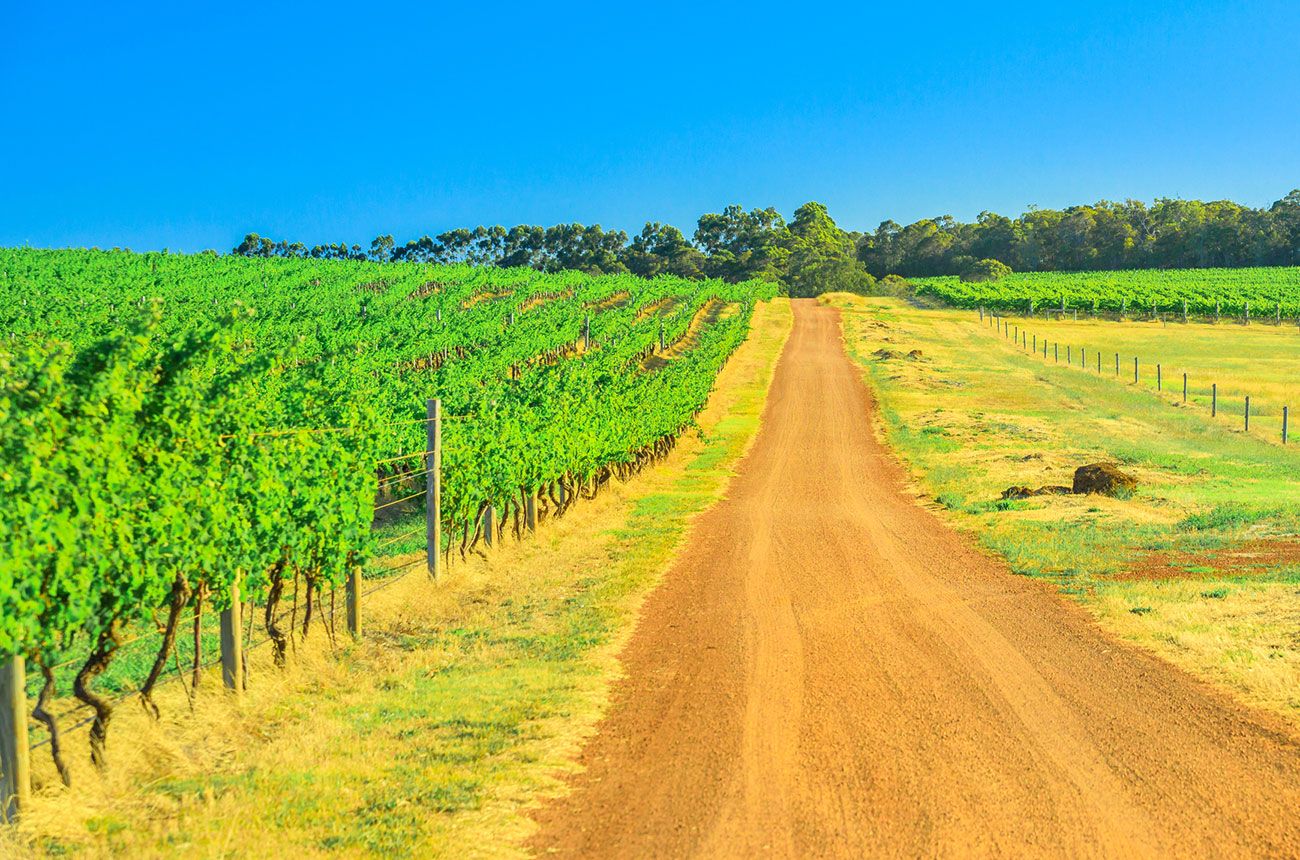
While many grape varieties thrive here, Margaret River has become particularly celebrated for a select few:
- Cabernet Sauvignon: Often considered the region’s flagship red grape, Margaret River Cabernet Sauvignon is renowned for its elegance, structure, and longevity. It typically displays a beautiful balance of dark fruit flavours (blackcurrant, plum), savoury notes (cedar, tobacco, dried herbs), and fine-grained tannins. Critics frequently draw parallels between Margaret River Cabernet and the finest wines of Bordeaux, highlighting its capacity for complexity and age-worthiness.
- Chardonnay: The region’s Chardonnay has carved out a distinct identity, moving away from heavily oaked styles to embrace elegance, minerality, and vibrant fruit. It often exhibits a sophisticated profile of citrus, stone fruit, and sometimes nutty or biscuity notes from careful oak integration and lees stirring. The best examples are lauded for their purity, balance, and ability to age gracefully, often drawing comparisons to premium Burgundian Chardonnays.
- Sauvignon Blanc/Semillon Blends: This blend is another regional specialty, producing wines that are typically aromatic, crisp, and refreshing. They range from vibrant, zesty styles with passionfruit and gooseberry notes to more textural, barrel-fermented versions that offer greater complexity and depth, often with hints of lanolin and beeswax.
- Shiraz and Merlot: While not as dominant as Cabernet and Chardonnay, these varieties also produce high-quality wines in Margaret River, contributing to the region’s diverse offerings. Shiraz here often leans towards a more elegant, peppery style rather than the rich, robust expressions found in other Australian regions.
The "No-Nonsense" Culture: A Strategic Market Advantage
The inherent informality and down-to-earth ethos of Margaret River, born from its remote location and pioneering spirit, has inadvertently become a powerful marketing tool in the contemporary wine landscape. As consumer preferences shift, there’s a growing demand for authenticity, transparency, and experiences that are accessible rather than exclusive.
This "no-nonsense" approach manifests in several key ways:
- Challenging Traditional Elitism: Many consumers, particularly younger generations, are wary of the perceived snobbery and arcane rituals often associated with traditional fine wine. Margaret River offers a refreshing alternative, presenting high-quality wines in a context that feels approachable and welcoming. The region’s vibrant surfing culture, stunning natural landscapes, and focus on artisanal food products complement the wine experience, making it less about formal tasting notes and more about lifestyle.
- Authenticity and Terroir Expression: The emphasis on honest winemaking, allowing the unique terroir to shine through, resonates with consumers seeking genuine products. Winemakers in Margaret River often speak passionately about their connection to the land and their commitment to sustainable practices, fostering a sense of trust and authenticity.
- Engaging Cellar Door Experiences: Unlike regions where winery visits might feel intimidating, Margaret River’s cellar doors are generally designed to be friendly, educational, and engaging. Visitors can often meet the winemakers, learn directly about the process, and enjoy tastings in a relaxed atmosphere. This direct interaction builds a stronger connection between the consumer and the brand, demystifying fine wine.
- Innovation within a Classic Framework: While deeply respecting classic varietals and traditional winemaking techniques, Margaret River also exhibits a spirit of innovation. The absence of centuries-old appellation rules allows winemakers the freedom to experiment with different fermentation vessels, blending techniques, and sustainable farming methods, pushing boundaries while maintaining quality. This blend of tradition and modernity appeals to a diverse consumer base.
Economic Contribution and Supporting Data
The wine industry is a cornerstone of the Margaret River region’s economy, extending far beyond the vineyards and cellars. While it accounts for a relatively small percentage of Australia’s total wine production by volume (approximately 3-5%), its contribution in terms of value and premium positioning is disproportionately significant. The region boasts over 200 wineries, ranging from small, family-run operations to larger, internationally recognised estates, collectively producing some of Australia’s most highly acclaimed wines.
- Production and Value: In 2023, the Australian wine industry, including premium regions like Margaret River, contributed significantly to the national economy. While specific, granular data for Margaret River alone can fluctuate, it consistently commands some of the highest average bottle prices in Australia, reflecting its premium status. Exports of Australian wine, though facing recent challenges in certain markets, continue to be a vital component, with Margaret River wines having strong footholds in key international markets such as the UK, USA, Canada, and various Asian countries. The focus is on high-value, rather than high-volume, exports.
- Tourism as an Economic Driver: Wine tourism is inextricably linked to the region’s identity and economic prosperity. Margaret River attracts over 1.5 million visitors annually, many of whom are drawn by the allure of its wineries, gourmet food scene, stunning coastline, and natural attractions like ancient caves and pristine forests. The economic impact of this tourism is substantial, supporting a wide array of businesses including accommodation providers, restaurants, tour operators, retail outlets, and artisanal producers. A 2022 report on regional tourism highlighted that food and wine experiences are among the top motivators for visitors to Western Australia, with Margaret River being a prime destination for these activities.
- Employment: The wine and tourism sectors are major employers in the region, providing direct employment in vineyards, wineries, cellar doors, and hospitality, as well as indirect employment through related industries like logistics, marketing, and agricultural support services. This creates a vibrant, self-sustaining local economy.
Industry Perspectives and Expert Commentary
The unique positioning of Margaret River is widely recognised and celebrated within the wine industry. Winemakers in the region often express a shared philosophy that balances a deep respect for their exceptional terroir with a pragmatic, hands-on approach to winemaking.
Vanya Cullen, Chief Winemaker at Cullen Wines, a pioneer of biodynamic practices in the region, has often articulated the importance of letting the land speak through the wine, eschewing excessive intervention. Her philosophy embodies the region’s commitment to purity and expression of place, aligning perfectly with consumer desires for authentic, sustainably produced goods.
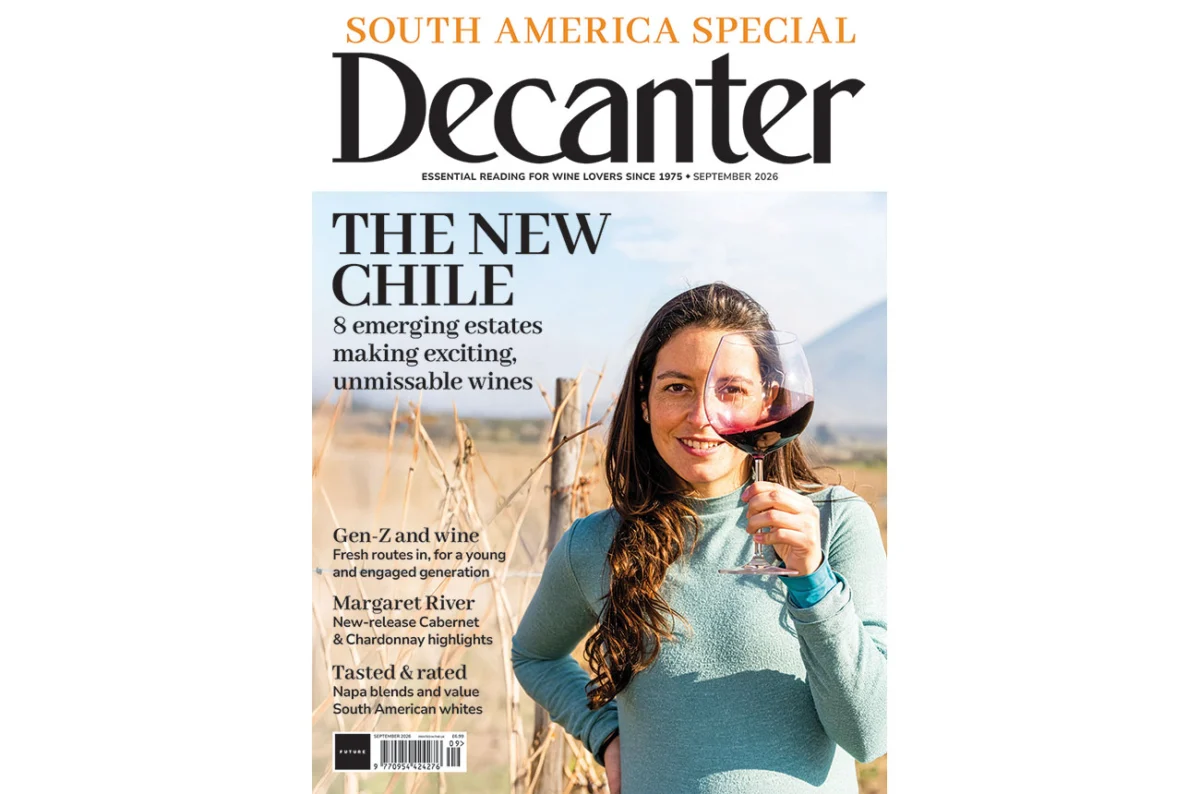
International wine critics have consistently lauded Margaret River for its consistent quality and distinctive style. Jancis Robinson MW, a leading authority, has frequently praised the region’s ability to produce world-class Cabernet and Chardonnay, noting their elegance and age-worthiness. Decanter magazine, another influential publication, often features Margaret River wines prominently in its reviews, highlighting their value and potential for collectors.
Market analysts and industry bodies like Wine Australia observe a global trend towards "experiential luxury" and a rejection of ostentatious displays. Andrew Caillard MW, a prominent Australian wine commentator, has noted that regions like Margaret River, with their strong sense of place and genuine hospitality, are perfectly positioned to capitalise on this shift. The informality is not seen as a lack of sophistication, but rather as a confident expression of a distinct identity. Wine Australia actively promotes Margaret River internationally as a prime example of Australia’s premium wine offering, emphasising its unique blend of quality and lifestyle.
Challenges and Future Outlook
Despite its strong position, Margaret River, like any dynamic wine region, faces a range of challenges and opportunities that will shape its future trajectory.
- Climate Change Adaptation: Climate change presents a significant long-term challenge. While the maritime influence offers some buffering, rising temperatures and changes in rainfall patterns could impact grape ripening and water availability. The region is actively exploring adaptation strategies, including improved water management techniques, research into drought-resistant clones, and potentially experimenting with new varietals that are better suited to warmer conditions, all while maintaining its signature styles.
- Market Competition and Global Brand Building: The global fine wine market is highly competitive. Margaret River must continue to differentiate itself and strengthen its brand identity against established European regions and other emerging New World producers. This requires sustained investment in marketing, education, and fostering strong relationships with international distributors and critics. The focus on its unique "informal elegance" and sustainable practices can be a key differentiator.
- Sustainability and Environmental Stewardship: There is a growing global demand for sustainably produced wines. Many Margaret River wineries are already leaders in organic and biodynamic viticulture, reflecting a deep respect for their pristine environment. Further embracing and communicating these practices will be crucial for maintaining consumer trust and appeal, particularly in environmentally conscious markets.
- Balancing Growth with Identity: As the region continues to grow in popularity, there’s a delicate balance to strike between expanding production and preserving the unique character and boutique charm that define Margaret River. Careful urban planning, responsible tourism development, and a continued focus on quality over quantity will be essential to prevent over-commercialisation.
- Engaging New Demographics: Reaching younger consumers who are often more open to exploring diverse wine styles and less bound by traditional conventions is a key opportunity. The region’s approachable image, coupled with its vibrant lifestyle offerings, positions it well to attract these new wine drinkers. Digital marketing, social media engagement, and innovative product offerings will be vital.
In conclusion, Margaret River stands as a compelling testament to the evolving nature of fine wine. Its distinct identity, rooted in the rugged beauty of Western Australia and a refreshingly unpretentious culture, is not merely a regional quirk but a strategic asset. By embracing its informality and combining it with an unwavering commitment to quality and sustainable practices, Margaret River is carving out a unique and increasingly influential position on the global stage, proving that true elegance can indeed thrive beyond the confines of traditional formality. As the wine world continues to democratise, Margaret River’s blend of world-class wines and an accessible, authentic experience will undoubtedly continue to captivate and inspire drinkers worldwide.