admin
A Tale of Two Terroirs: Contrasting Landscapes, Unified Vision
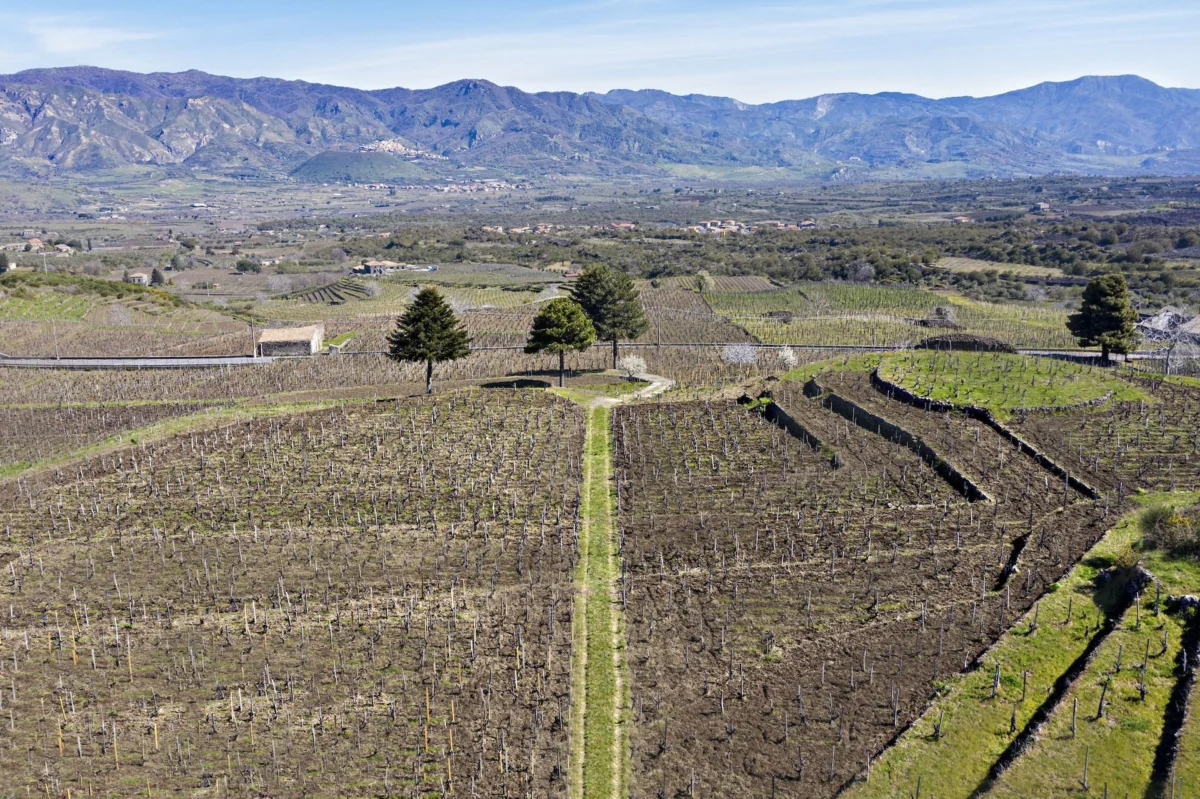
The geographical disparity between Etna and Marsala is stark, offering a microcosm of Sicily’s diverse viticultural potential. Mount Etna, Europe’s most active volcano, provides a dramatic, mineral-rich canvas for winemaking. Vineyards cling to its slopes at elevations ranging from 400 to over 1,000 meters above sea level, benefiting from significant diurnal temperature shifts and volcanic soils composed of ancient lava flows, ash, and basalt. These unique conditions foster a prolonged ripening period, imparting a distinct minerality, freshness, and complex aromatic profile to the wines. The climate is often described as continental within a Mediterranean setting, with cold winters, warm summers, and substantial rainfall.

Conversely, Marsala’s viticultural identity is intrinsically linked to the sea. Situated on Sicily’s western coast, it is characterized by low-lying vineyards, often just meters from the Mediterranean. The Stagnone lagoon, with its salt pans and constant sea breezes, imbues the terroir with a saline influence that is unmistakably reflected in the wines. The climate here is archetypally Mediterranean, featuring hot, dry summers and mild winters, with viticulture heavily reliant on the moderating effects of the sea and the persistent winds that prevent disease and concentrate flavors. The soils are predominantly calcareous and sandy, a stark contrast to Etna’s volcanic substrate.
Despite these profound differences, both regions faced similar challenges in the latter half of the 20th century, primarily stemming from a focus on high-volume production that often overshadowed their potential for quality. Etna’s red wines, primarily from Nerello Mascalese, were frequently blended into larger Sicilian wines, while Marsala became synonymous with its fortified wine, which, by the 1970s and 80s, had largely fallen out of fashion and was often produced to lower quality standards. The narrative of their rebirth is one of rediscovery, investment, and a fervent commitment to indigenous grape varieties and sustainable practices.

Etna’s Volcanic Revival: From Bulk to Burgundy of the Mediterranean
The renaissance of Etna began in earnest in the late 1990s and early 2000s, spearheaded by visionary producers who recognized the unparalleled potential of its ancient vineyards and indigenous grapes. For centuries, Etna’s viticulture was characterized by small, often family-owned parcels, with grapes frequently sold to cooperatives or used for local consumption. The unique ‘alberello’ (bush vine) training system, common on the steep slopes, and the presence of pre-phylloxera vines (due to the volcanic soils’ resistance to the pest) hinted at a profound, untapped legacy.
The primary grape varieties driving Etna’s red wine revolution are Nerello Mascalese and, to a lesser extent, Nerello Cappuccio. Nerello Mascalese, with its thin skin and high acidity, yields wines often compared to Pinot Noir or Nebbiolo, characterized by delicate aromas of red berries, floral notes, and a distinctive mineral, sometimes ferrous, undertone derived from the volcanic soil. The 2024 vintage, as exemplified by Girolamo Russo’s Feudo and Passopisciaro’s Passorosso, has been particularly lauded for its energy and freshness, showcasing "ferrous, mineral-soaked red berries." These wines highlight the elegant yet structured nature that has captivated critics and consumers alike. Producers like I Vigneri, under the guidance of Salvo Foti, have been instrumental in preserving traditional viticultural practices, including the use of restored palmenti (ancient stone presses), reinforcing the region’s commitment to its heritage. Benanti, another pioneering estate, contributes to this narrative with wines like their Contrada Calderara Sottana, offering "succulent cherry and forest berries accompanied by balsamic notes," revealing the complexity possible from different volcanic crus.
For white wines, Carricante is the undisputed queen of Etna. Flourishing at higher altitudes, it produces wines of striking acidity, citrus notes, and profound minerality, often developing a complex tertiary character with age. The region’s commitment to quality is further evidenced by a move towards single-contrada (vineyard site) expressions, akin to Burgundy’s cru system, allowing consumers to explore the subtle differences imparted by specific lava flows and microclimates. This focus on terroir has led to a significant increase in land values and attracted both domestic and international investment, solidifying Etna’s reputation as one of Italy’s most exciting and rapidly evolving wine regions.
Marsala’s Coastal Comeback: Beyond Fortification to Exquisite Dry Whites
Marsala’s journey back to prominence has taken a different path, primarily through the re-evaluation and reinvention of its indigenous white grape varieties for still, dry wines. For nearly two centuries, Marsala was dominated by its eponymous fortified wine, a product that enjoyed immense popularity in the 19th century but suffered a precipitous decline in quality and consumer interest throughout much of the 20th. The challenge for modern Marsala producers was to shed this historical baggage and demonstrate the region’s capacity for producing world-class dry wines.
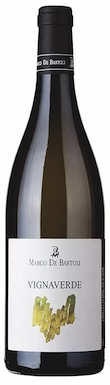
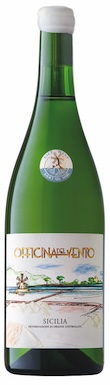
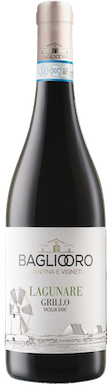
The star of this transformation is Grillo, a versatile grape that was historically a key component of fortified Marsala. Now, Grillo is celebrated for its ability to produce rich, aromatic, and often saline-infused dry white wines. Its thick skin allows it to withstand the intense Mediterranean sun and coastal winds, while retaining acidity and developing complex flavors of citrus, stone fruit, and often a distinctive herbal or mineral note. The 2024 vintage of Officina del Vento, crafted by Italy’s first three MWs, exemplifies this evolution, described as a "weighty and persistent wine, partially fermented and aged" – a clear departure from its fortified past. Similarly, De Bartoli’s Vignaverde Grillo from the 2025 vintage is lauded for its "exceptional quality," showcasing "creamy hints mingled with pineapple and stone fruits." Baglio Oro’s Lagunare Grillo, also from 2025, specifically highlights the influence of the Stagnone lagoon, yielding a "refined Grillo" with "floral touches" that embody the local character.
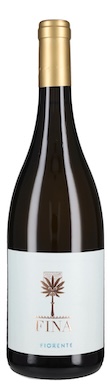
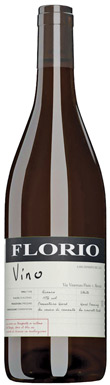
Another crucial indigenous white grape is Catarratto, historically Sicily’s most planted variety, primarily used for bulk wine. However, forward-thinking producers like Cantine Fina are demonstrating its potential for quality. Their Fiorente Catarratto from 2024, sourced from seaside vines that benefit from a "constant, vigorous breeze," underscores how site selection and careful winemaking can elevate this grape to new heights, producing fresh, vibrant wines. Even historic Marsala houses, like Florio, founded in 1833, are embracing this new direction. Their NV Vino Grillo, "unfiltered, concrete-vinified," offers "bold apple, lime, peach and jasmine," showcasing balance, texture, and structure – a testament to the region’s adaptive spirit.
The shift in Marsala represents a strategic pivot from a singular, often misunderstood, product to a diverse portfolio of high-quality, terroir-driven dry wines. This has required significant investment in vineyard management, modern winemaking facilities, and aggressive marketing to re-educate consumers about the region’s renewed identity. The influence of the sea, the intense sunlight, and the unique Grillo and Catarratto varieties combine to create a compelling and distinctive profile for Marsala’s new generation of wines.
Broader Implications for Sicilian Viticulture
The transformations in Etna and Marsala are not isolated incidents but rather symptomatic of a larger, island-wide commitment to elevate Sicilian wine on the global stage. For decades, Sicily, despite being Italy’s largest wine-producing region, struggled with an image problem, often perceived as a source of inexpensive, high-alcohol wines. The success stories of Etna and Marsala have provided powerful blueprints for other Sicilian regions and grape varieties to follow.
Supporting Data and Trends:
- Vineyard Acreage: While specific regional figures fluctuate, overall premium vineyard acreage in Sicily has seen a steady increase, with a notable shift away from high-yielding international varieties towards indigenous grapes. For instance, Etna’s DOC area has seen consistent growth in vineyard plantings over the last two decades, reflecting increased demand.
- Export Value: The export value of premium Sicilian wines, particularly those from Etna, has grown significantly, often outstripping growth in volume, indicating a successful move upmarket. Wines from these regions command higher average prices per bottle than the Sicilian average.
- Tourism: Wine tourism has surged in both Etna and Marsala, contributing significantly to local economies. Wineries have invested in hospitality infrastructure, attracting international visitors eager to experience the unique landscapes and taste the terroir firsthand.
- Sustainability: Both regions have seen an increased adoption of organic and biodynamic farming practices. The rugged terrain of Etna, with its small parcels and traditional methods, lends itself naturally to sustainable viticulture, while Marsala’s strong winds help reduce the need for chemical treatments.
Official Responses and Industry Perspectives:
Industry experts widely acknowledge the pivotal role of these regions. Consortiums for both Etna DOC and Sicilia DOC have actively promoted quality standards, supported research into indigenous varieties, and implemented stricter regulations to protect the integrity of their wines. Leading wine critics and sommeliers worldwide have championed the "new Sicily," praising its diversity, quality, and distinctive character. Winemakers in both regions consistently emphasize their dedication to expressing their unique terroir, often speaking of their wines as liquid landscapes that convey the essence of their origin. This collective effort has resulted in increased critical acclaim, with Sicilian wines regularly featuring in top international wine publications and competitions.
Challenges and Future Outlook:
Despite the successes, challenges remain. Climate change poses a significant threat, particularly in the warmer Marsala region, necessitating adaptive viticultural strategies. Market competition is fierce, and maintaining premium pricing requires continuous innovation and quality assurance. Furthermore, educating consumers about the nuances of indigenous Sicilian grapes, particularly beyond the well-known Nero d’Avola, remains an ongoing effort.
However, the future appears bright. The commitment to indigenous varieties (Grillo, Catarratto, Nerello Mascalese, Carricante), coupled with a deep respect for traditional practices and a willingness to embrace modern, quality-focused winemaking, positions Etna and Marsala at the forefront of Italy’s wine evolution. They serve as powerful reminders that even regions with challenging histories can transform, proving that authenticity, terroir, and relentless dedication to quality are the ultimate drivers of viticultural success. Their ongoing renaissance not only enriches the global wine landscape but also redefines the very perception of Sicilian wine, firmly establishing the island as a treasure trove of diverse and exceptional terroirs.