admin
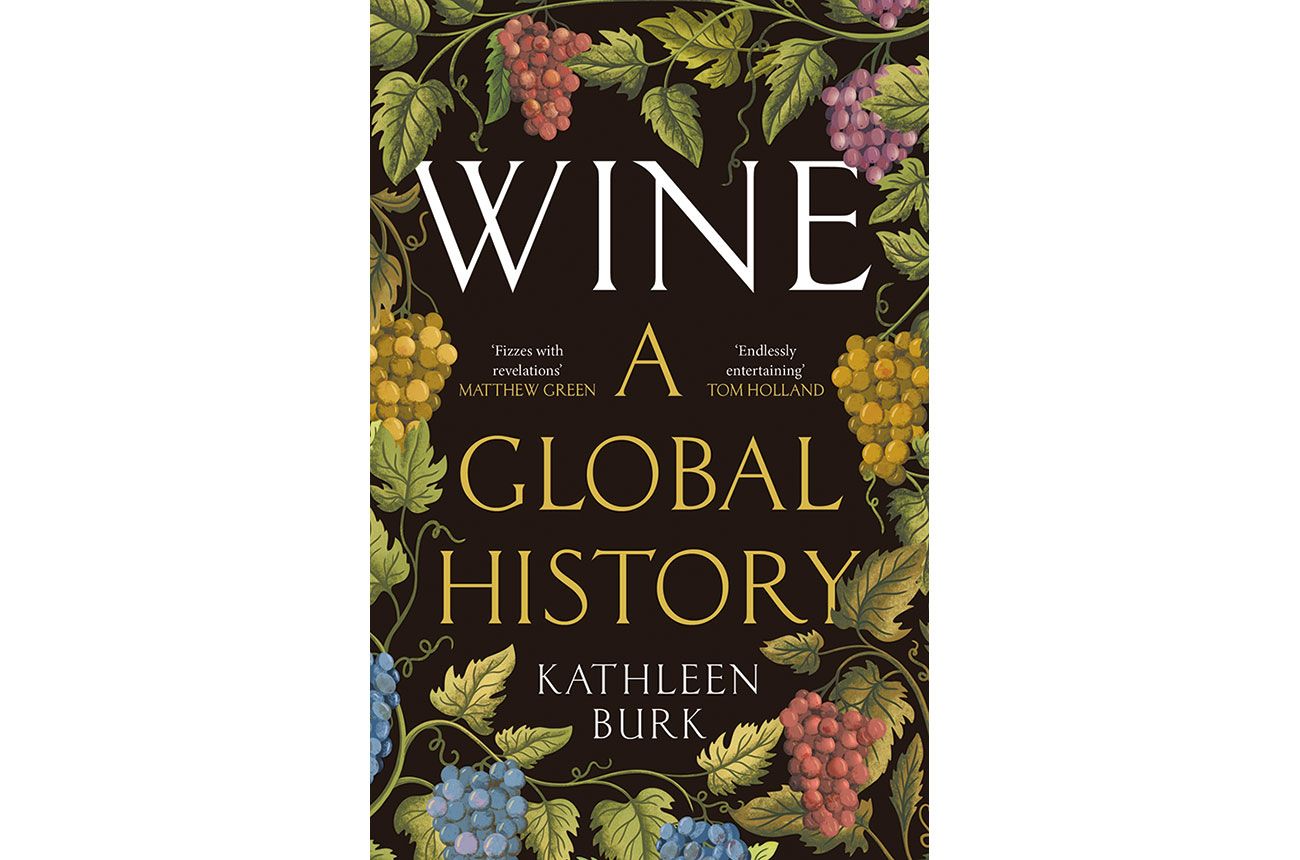
The publishing world anticipates a significant contribution to wine literature with Kathleen Burk’s forthcoming volume, Wine: A Global History, slated for release in October 2026 by Profile Books at a price point of £30. This extensive work, spanning over 600 pages, promises an ambitious journey through eight millennia of wine’s intricate past, a prospect that has generated considerable interest among scholars and enthusiasts alike, though with a cautious optimism tempered by past experiences with broad historical surveys.
Kathleen Burk’s "Wine: A Global History": An Ambitious Scholarly Endeavor
Kathleen Burk is not a newcomer to rigorous academic inquiry. Her credentials underscore a formidable background, commencing with her formative years on a California farm enveloped by vineyards, a direct experiential link to the subject matter. Her academic trajectory includes studies at the prestigious University of California, Berkeley, followed by further scholarly pursuits at Oxford University. This foundational education paved the way for a distinguished academic career, culminating in her current status as Professor Emerita of Modern and Contemporary History at University College London. Throughout her extensive tenure, Burk has authored numerous articles and books, predominantly focusing on historical subjects, establishing her as a respected voice in her field.
Beyond her primary academic discipline, wine has clearly transcended the realm of a mere casual interest for Burk, evolving into a profound passion and an area of significant expertise. Her engagement with the wine world is multifaceted and deep-seated, evidenced by her early visits to Napa Valley’s renowned wineries during her time at UC Berkeley. This practical immersion was complemented by formal education, as she pursued and successfully obtained her Wine & Spirit Education Trust (WSET) diploma, a globally recognized qualification signifying a comprehensive understanding of wine. Further cementing her standing, Burk has served as a judge for the International Wine & Spirit Competition (IWSC), one of the most influential and respected international wine competitions, and has contributed her insights to The World of Fine Wine, a leading publication for serious wine connoisseurs. This dual mastery – a historian’s analytical rigor combined with a seasoned wine professional’s practical knowledge – positions her uniquely to undertake a project of such immense scope as Wine: A Global History.
The sheer ambition of tracing wine’s trajectory across eight millennia, from its earliest known origins to the contemporary global market, within the confines of a single volume, is noteworthy. The book’s structure reflects this broad historical sweep, commencing with a chronological narrative that gradually transitions into a regional focus. Subsequent chapters delve into the specific wine histories of pivotal regions, such as France and the Spanish Empire, and even venture into more contemporary geopolitical contexts, exemplified by a chapter dedicated to "post-Soviet Union wine-producing countries." This structural approach aims to provide both a longitudinal perspective and a detailed geographical examination of wine’s evolution, underscoring its intertwined relationship with human civilization, culture, economics, and politics across diverse landscapes.
Strengths in Early Chapters: A Deep Dive into Antiquity
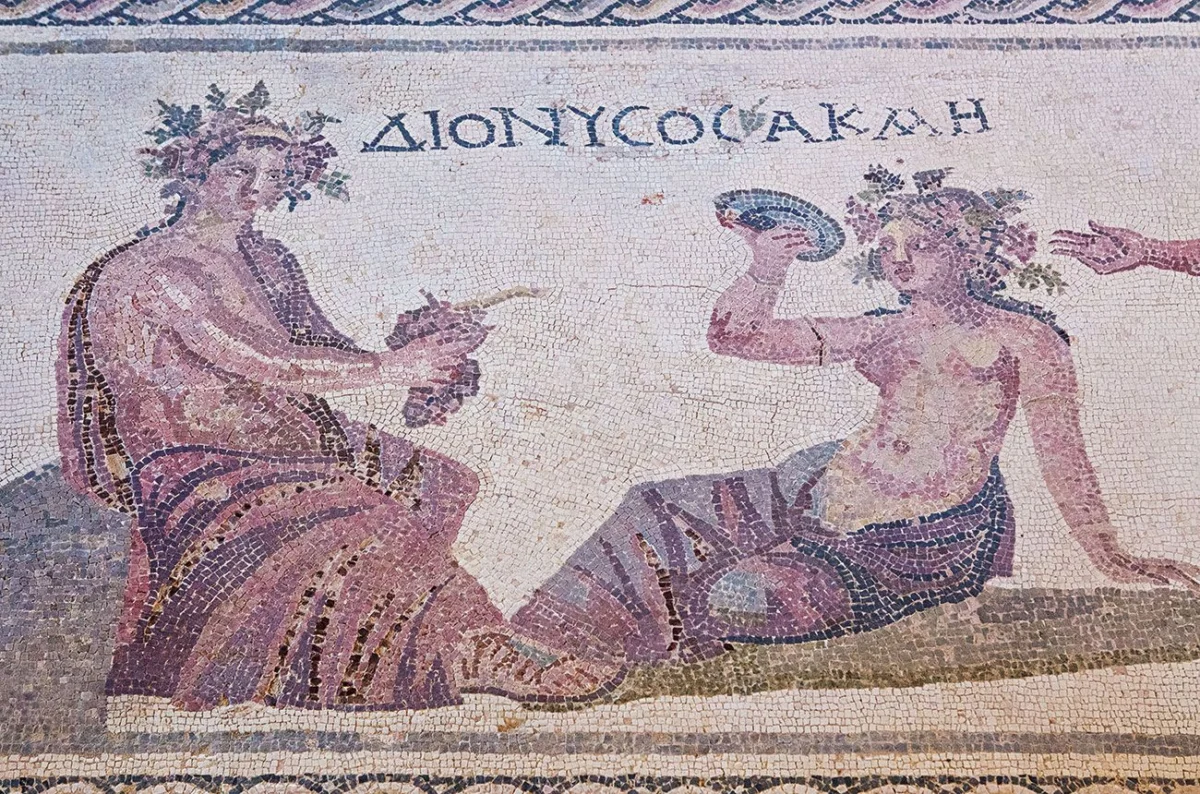
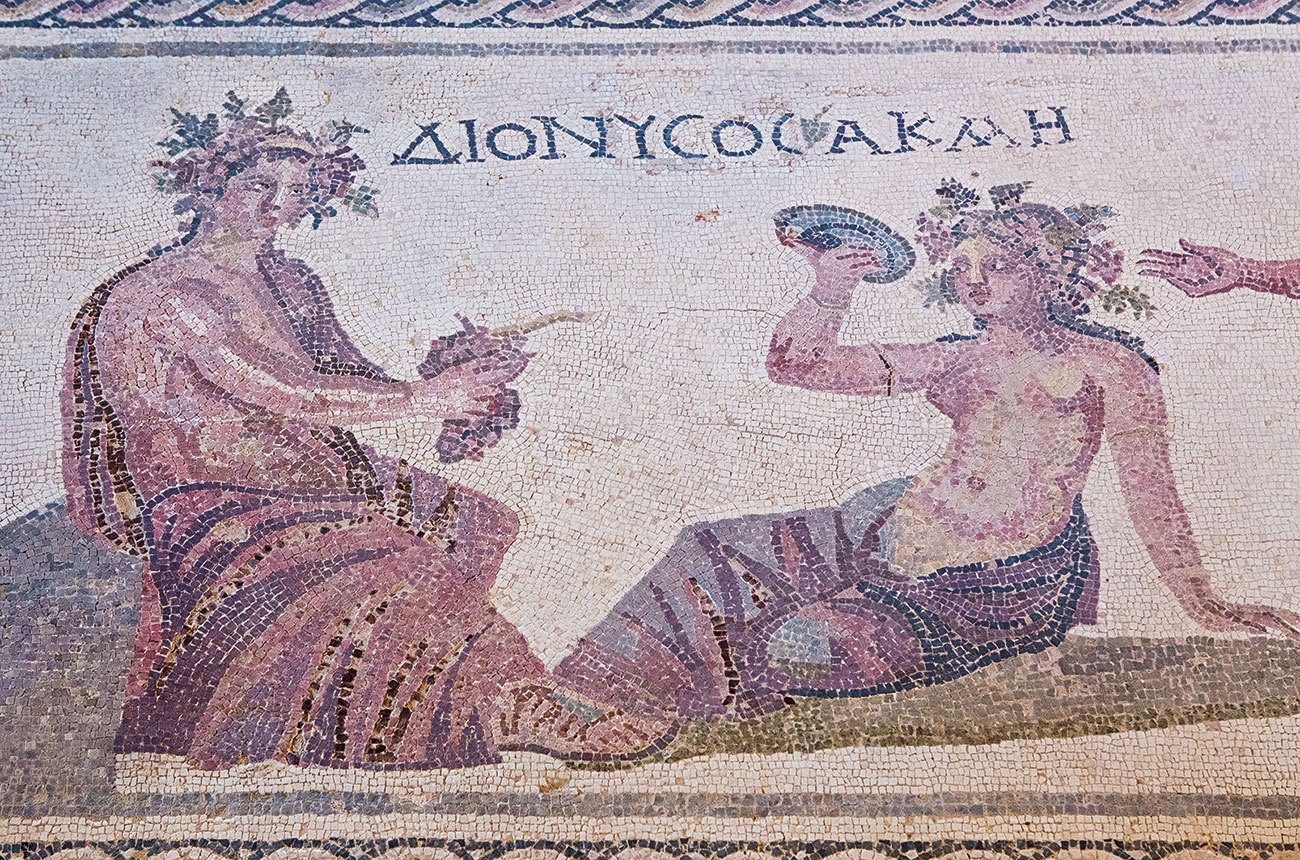
Initial reception of the book highlights its early sections as particularly compelling. The first 150 pages, dedicated to wine’s ancient origins, have been praised for their captivating detail and narrative depth. These chapters meticulously trace wine’s emergence and significance in pivotal early civilizations, including Ancient Greece and Rome. Here, Burk delves into the cultural, religious, and economic roles that wine played, from its embodiment in deities like Dionysus and Bacchus to its function as a staple beverage and a symbol of status.
The narrative skillfully explores wine’s subsequent expansion, facilitated by the intertwined forces of religion and war. The spread of Christianity, for instance, carried winemaking traditions across Europe, as wine became central to liturgical practices. Similarly, military conquests often introduced viticulture and winemaking techniques to new territories. Burk also navigates the complex and often paradoxical relationship between wine and Islam, a religion whose strictures typically forbid alcohol consumption, yet whose historical context reveals periods of artistic and scientific engagement with viticulture, particularly in medicinal and scholarly contexts. These early chapters are rich with fascinating information, offering a panoramic view of wine’s foundational journey. Had these initial explorations been further expanded and enriched with detailed maps and illustrative materials, they could conceivably form a compelling standalone work, offering a more exhaustive and immersive account of wine’s profound impact on the ancient and early medieval worlds. This observation underscores the potential depth within Burk’s research, even as the broader book aims for a more encompassing, though necessarily condensed, overview.
Critical Examination of Detail and Execution
Despite the monumental scope and scholarly depth, Wine: A Global History is not without its areas for refinement, particularly in its execution and presentation of vinous detail. One recurring observation pertains to the "spotlight" sections at the end of each chapter, which focus on a specific wine. While these inclusions are ostensibly symbolic, their precise purpose within the broader narrative often remains unclear. The wines selected for these spotlights are frequently not from current vintages, which might limit their relevance for contemporary readers seeking to connect with the subject matter through direct tasting experience. Furthermore, the accompanying tasting notes are described as rather formulaic, adhering to a WSET-style framework, which, while technically accurate, might lack the evocative or analytical depth expected in a comprehensive historical work. This approach can sometimes create a disconnect between the rich historical context provided in the chapter and the somewhat detached, technical description of the chosen wine.
Further scrutiny reveals instances where the vinous detail within the book occasionally "jars" with industry-standard terminology or lacks sufficient context for a broader readership. Phrases such as "un-cloned vines," for example, might be technically imprecise or require additional explanation for those not intimately familiar with viticultural practices. In viticulture, clones refer to grapevines propagated from a single mother vine, ensuring genetic consistency. The term "un-cloned" might imply a historical or naturally occurring genetic diversity, but without explicit contextualization, it can be confusing or appear to be an oversimplification. Such instances suggest a potential gap between academic historical language and the nuanced vocabulary of modern enology, indicating areas where further editorial precision or explanatory notes could enhance clarity.
Moreover, the book occasionally falls into an academic trap common in scholarly writing, wherein the author explicitly outlines what will be discussed, proceeds to discuss it, and then reiterates what has just been covered. While this structural repetition is a staple of academic discourse, designed to ensure clarity and reinforce key arguments, it can impede the flow of a narrative intended for a wider, though educated, audience. For readers accustomed to a more fluid, engaging journalistic style, this pedagogical approach might feel somewhat didactic or even redundant, potentially impacting the overall readability and immersion experience.
The concluding chapter, titled "The contemporary wine world," has been noted for its rather abrupt ending. It transitions rapidly from presenting statistics on dwindling wine consumption trends to a remarkably brief, three-sentence conclusion. This swift culmination leaves the reader with a sense of incompleteness, prompting questions as to whether the extensive historical journey deserved a more comprehensive and reflective denouement. The brevity could be attributed to various factors, including editorial constraints on word count, the inherent difficulty of summarizing a rapidly evolving global industry, or a strategic decision to focus the bulk of the narrative on historical foundations rather than current dynamics. Regardless of the reason, the condensed conclusion feels somewhat disproportionate to the magnitude of the preceding historical exploration.
Broader Implications for Wine Scholarship
Despite these critiques, Wine: A Global History should not be entirely dismissed. It is undeniably packed with a wealth of fascinating information, serving as a testament to Burk’s diligent research and broad knowledge base. The book’s ambitious scope and the author’s unique blend of historical and vinous expertise make it a valuable, if imperfect, contribution to the field of wine scholarship. It offers a comprehensive reference point for understanding the vast trajectory of wine across civilizations and epochs, providing a framework upon which more specialized studies can build. The critical observations, rather than undermining the work entirely, serve to highlight the inherent challenges of synthesizing such an immense topic into a single volume and underscore the perpetual tension between academic rigor and accessible narrative. For scholars and serious enthusiasts, it provides a valuable synthesis, opening avenues for deeper engagement with specific historical periods or regional developments.
The Evolving Landscape of Wine Communication: ‘The Wine Store’ Phenomenon
In a stark contrast to the scholarly depth of Burk’s historical tome, the contemporary wine world is also witnessing an exciting evolution in how wine culture is communicated and consumed, particularly through digital platforms. One such phenomenon gaining considerable traction is "The Wine Store," an Instagram series that epitomizes the blend of humor, education, and accessibility now defining digital wine content. For those whose social media algorithms have yet to present this engaging series, seeking it out via @thewinestoreshow is highly recommended.
"The Wine Store" is the brainchild of Dave Ahdoot, who also stars as the central character, Jean-Luc. Jean-Luc is a gloriously pretentious sommelier and salesman, instantly recognizable by his impeccably donned tastevin strung around his neck – a traditional silver cup used for wine tasting. Each episode features Jean-Luc engaging with a new, often bewildered, customer and their specific wine requests, creating a comedic interplay that is both witty and mildly educational. The series masterfully lampoons the often-intimidating aspects of high-end wine culture while subtly imparting valuable information about varietals, regions, and tasting notes.
The creative force behind "The Wine Store" extends beyond Ahdoot, involving Matan Zrachia and Nadav Pessach, who contribute to the writing and production. A crucial element contributing to the series’ authenticity and sharp wit is the involvement of Nico J Snyman, a sommelier from the acclaimed HaSalon restaurant, who serves as a consultant. Snyman’s expertise ensures that while the humor is exaggerated, the underlying wine facts and industry insights remain credible. This blend of comedic talent and professional wine knowledge elevates the series beyond mere parody, making it a solid and enriching use of screentime for its growing audience. New episodes are consistently released each Friday, building a loyal following and fostering a community around its unique brand of wine-centric comedy.
Impact and Future Potential in Wine Communication
"The Wine Store" represents a significant shift in wine communication, moving away from traditional, often didactic, educational formats towards more engaging, short-form digital content. Its success highlights a growing appetite among consumers for approachable and entertaining ways to learn about wine, democratizing an area often perceived as exclusive or intimidating. The series’ ability to combine humor with genuine, albeit brief, educational insights makes it an effective tool for broadening wine appreciation among a diverse audience, including younger demographics who primarily consume content on platforms like Instagram.
This digital phenomenon has broader implications for wine marketing and education. It demonstrates that expert knowledge can be delivered in unconventional and highly shareable formats, potentially influencing how wineries, educators, and retailers engage with their audiences. As attention spans shorten and digital media consumption grows, innovative approaches like "The Wine Store" are likely to become increasingly influential in shaping consumer perceptions and interests in wine. Its rising popularity suggests a strong potential for greater recognition and even funnier, more impactful content in the future, marking it as a notable development in the evolving landscape of wine culture communication.
Conclusion
The contemporary wine world is a vibrant tapestry woven from diverse threads of historical scholarship and modern digital engagement. Kathleen Burk’s Wine: A Global History stands as a testament to the enduring appeal of wine as a subject for rigorous academic inquiry, offering an expansive, albeit occasionally uneven, journey through its eight-millennia past. While its ambition occasionally outstrips its narrative consistency in parts, the book undeniably provides a rich historical foundation, particularly in its earlier chapters.
Concurrently, "The Wine Store" series on Instagram illustrates the dynamic and evolving nature of wine communication in the digital age. Through wit, humor, and a touch of authentic expertise, it dismantles pretension and makes wine culture accessible and entertaining for a broad audience. Together, these two disparate yet complementary works underscore the multifaceted ways in which wine continues to captivate, educate, and entertain, proving its enduring relevance as both a subject of profound historical significance and a source of contemporary cultural fascination. From the hallowed halls of academia to the scrollable feeds of social media, wine remains a powerful conduit for storytelling, learning, and connection.