admin
admin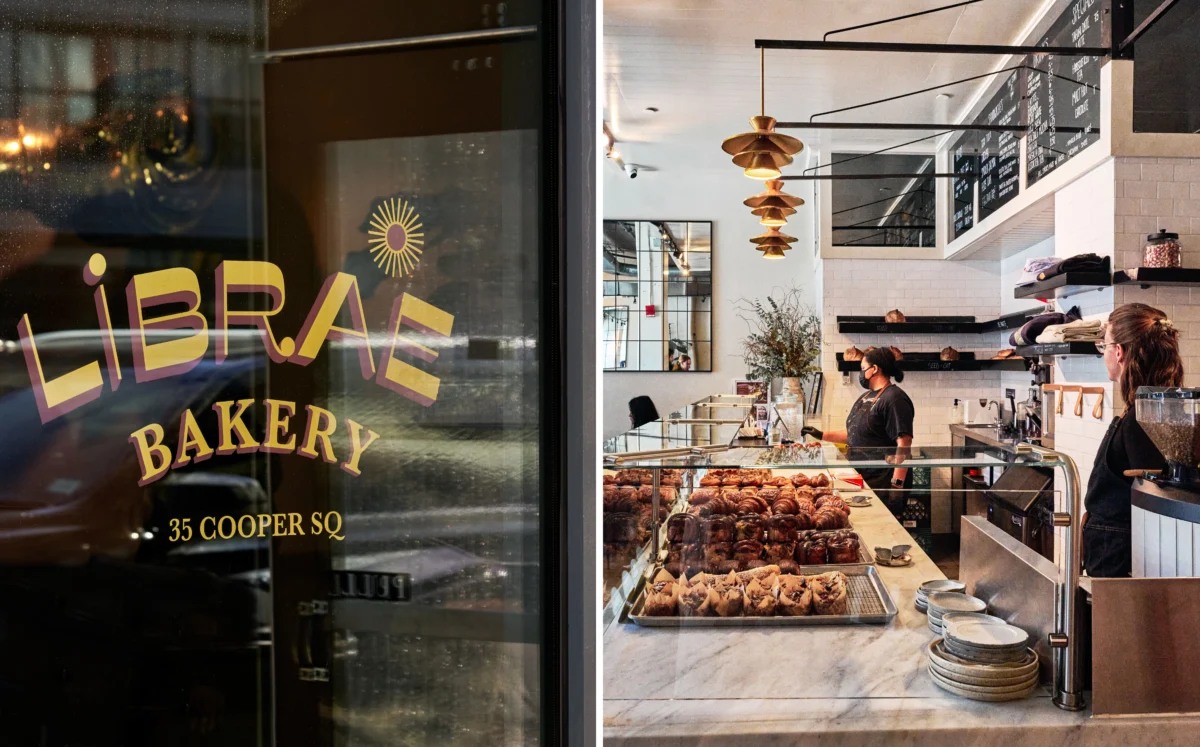
Dona Murad, co-founder of New York City’s acclaimed Librae Bakery, embodies the spirit of Eid al-Fitr not just through personal celebration, but through the very essence of her culinary creations. Whether observing the holiday’s sacred rhythms and rituals behind the counter of her bustling bakery or amidst the familiar embrace of her mother’s home in Dubai, the profound sense of belonging to multiple worlds remains a constant. Murad’s perspective challenges the often rigid perception of borders, suggesting that the vibrant flow of cultures transcends physical boundaries, a fluidity that persists even amidst the somber realities of war that restrict movement and imperil daily life. At Librae, this cultural permeability is artfully transformed into something both communal and deeply sustaining, a testament to the unifying power of food.

The Genesis of Librae Bakery: A Fusion of Flavors
Librae Bakery, born from Murad’s rich heritage, stands as a testament to her Bahraini and Indian roots. The pervasive influence of sesame in Bahraini cuisine is a signature, while the unexpected yet harmonious marriage of Indian spices and desserts, a concept that might initially surprise, is expertly woven into the bakery’s offerings. This unique fusion results in pastries that feel both comfortingly familiar and delightfully surprising.
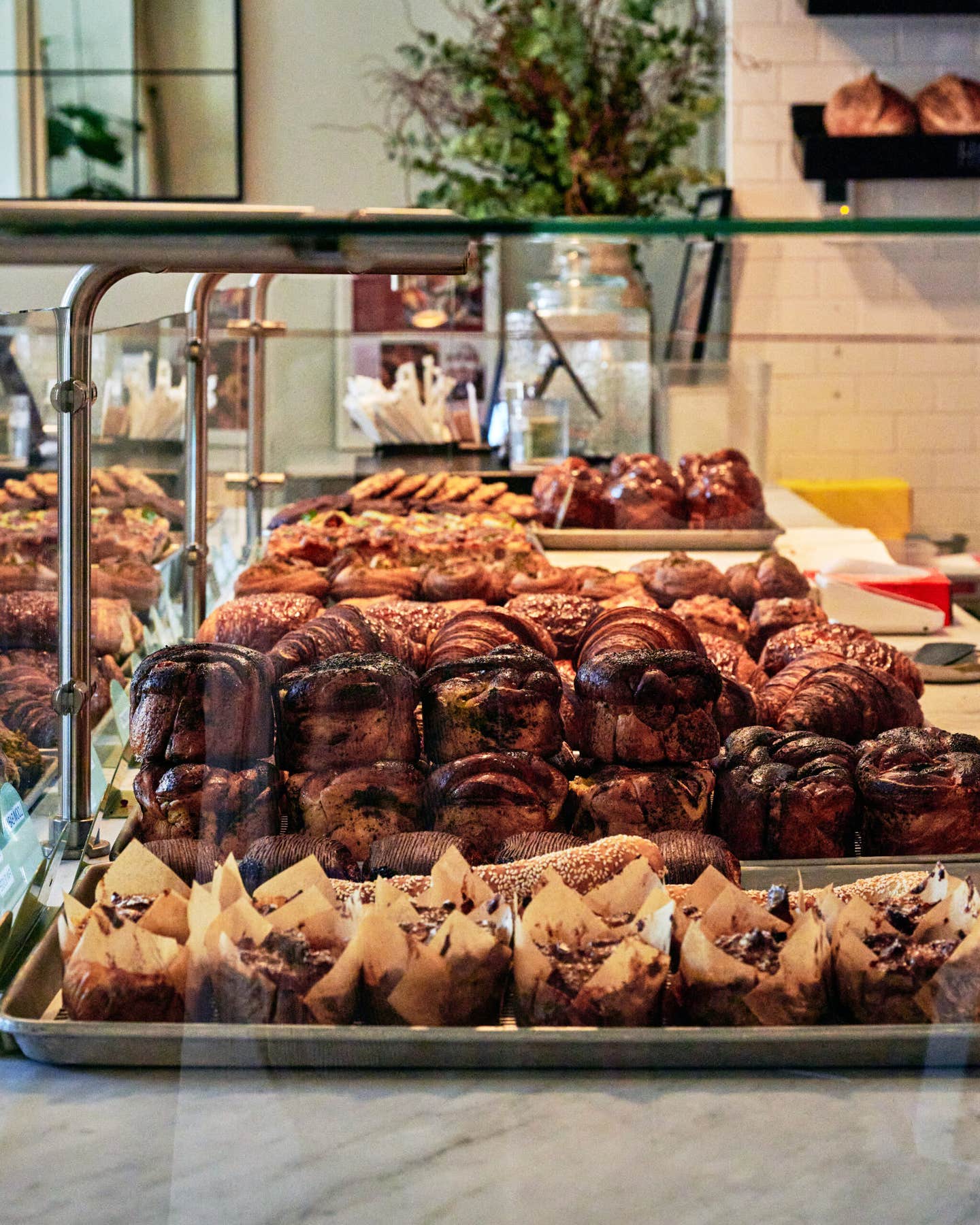
A prime example of this innovative approach is the popular loomi babka. This reimagined classic is infused with the distinctive tang of black lime, a staple in savory Middle Eastern, Persian, and Gulf dishes, and complemented by a bright lemon curd filling. The journey of black lime to Librae’s kitchen is itself a story of dedication, with Murad personally bringing the ingredient back from Bahrain in her suitcase during the pastry’s development phase. Similarly, the rose pistachio croissant is an aromatic masterpiece, perfumed with rose water, an ingredient so deeply ingrained in the culinary and cosmetic traditions of the Middle East and South Asia that it represents a fundamental element of sensory experience. Further showcasing this cross-cultural dialogue, a twice-baked croissant filled with chocolate and halva—the iconic Middle Eastern sesame confection—is elegantly finished with a scattering of black and white sesame seeds. This detail is a subtle, yet poignant, nod to New York City’s beloved black and white cookie, demonstrating a thoughtful integration of local culinary touchstones.
Eid Mornings Reimagined: From Family Tradition to Bakery Innovation
The chocolate and halva croissant, a weekend special at Librae, draws direct inspiration from Murad’s cherished Eid mornings in Bahrain. These mornings were a prelude to the day’s festivities, before the constant stream of guests for brunch, afternoon tea, or dinner. Her father’s simple yet profound ritual involved splitting warm flatbread from the local bakery, tucking generous slabs of halva—known locally as rahash—inside, and drizzling honey over the top. The warmth of the bread would melt the halva into a soft, sweet, and subtly nutty delight, marking the joyful end of Ramadan and the preceding thirty days of fasting.
Murad has taken the essence of this beloved childhood treat and reinterpreted it for the Librae experience. "This is how we evolve and adapt our traditional foods for our tables," she explains. This philosophy permeates her kitchen, where ingredients like garam masala and black lime coexist in her pantry, and tahini finds its way into delicate laminated Danish dough. This continuous exploration of flavor and texture underscores a commitment to honoring tradition while embracing contemporary culinary trends.
The Art of Evolution: Family Recipes and Shared Secrets
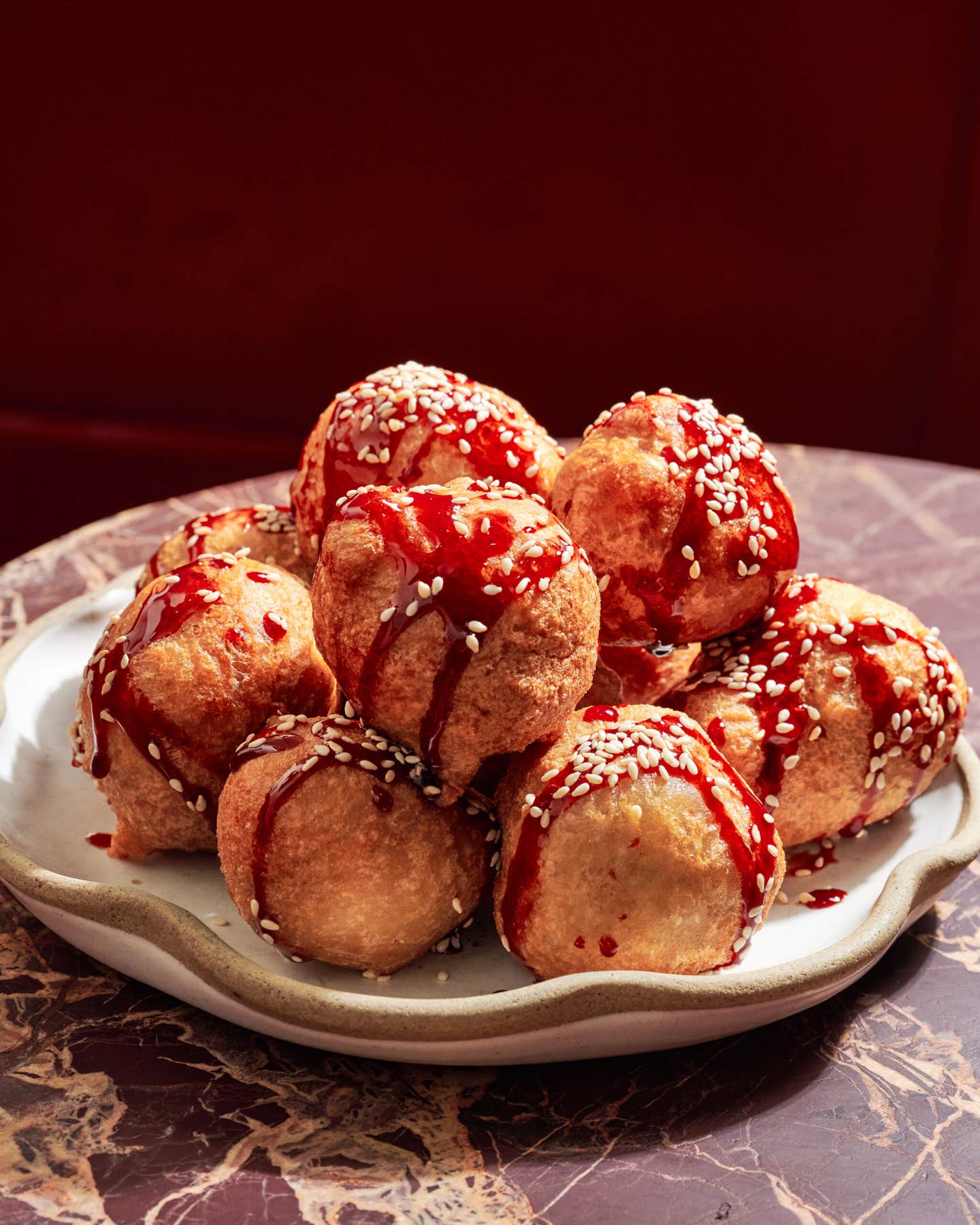
The concept of evolving traditional recipes is not a new one for Murad; it’s a practice deeply embedded in her family history. Her mother, for instance, has her own distinctive take on luqaimat, the sweet, doughy fritters popular throughout the Persian Gulf. "Every household makes things a little differently," Murad observes. "In mine, the luqaimat are drenched in floral honey instead of date syrup, and my mother adds ground fennel seeds to the batter instead of saffron or cardamom. She also adds a couple of tablespoons of yogurt." Murad shares this culinary secret with a playful laugh, acknowledging the personal touch that makes each family’s interpretation unique. This familial approach to cooking highlights the deeply personal and evolving nature of culinary traditions, passed down through generations with subtle modifications that reflect individual tastes and experiences.
A Modern Eid Table: Translating Tradition into Dessert
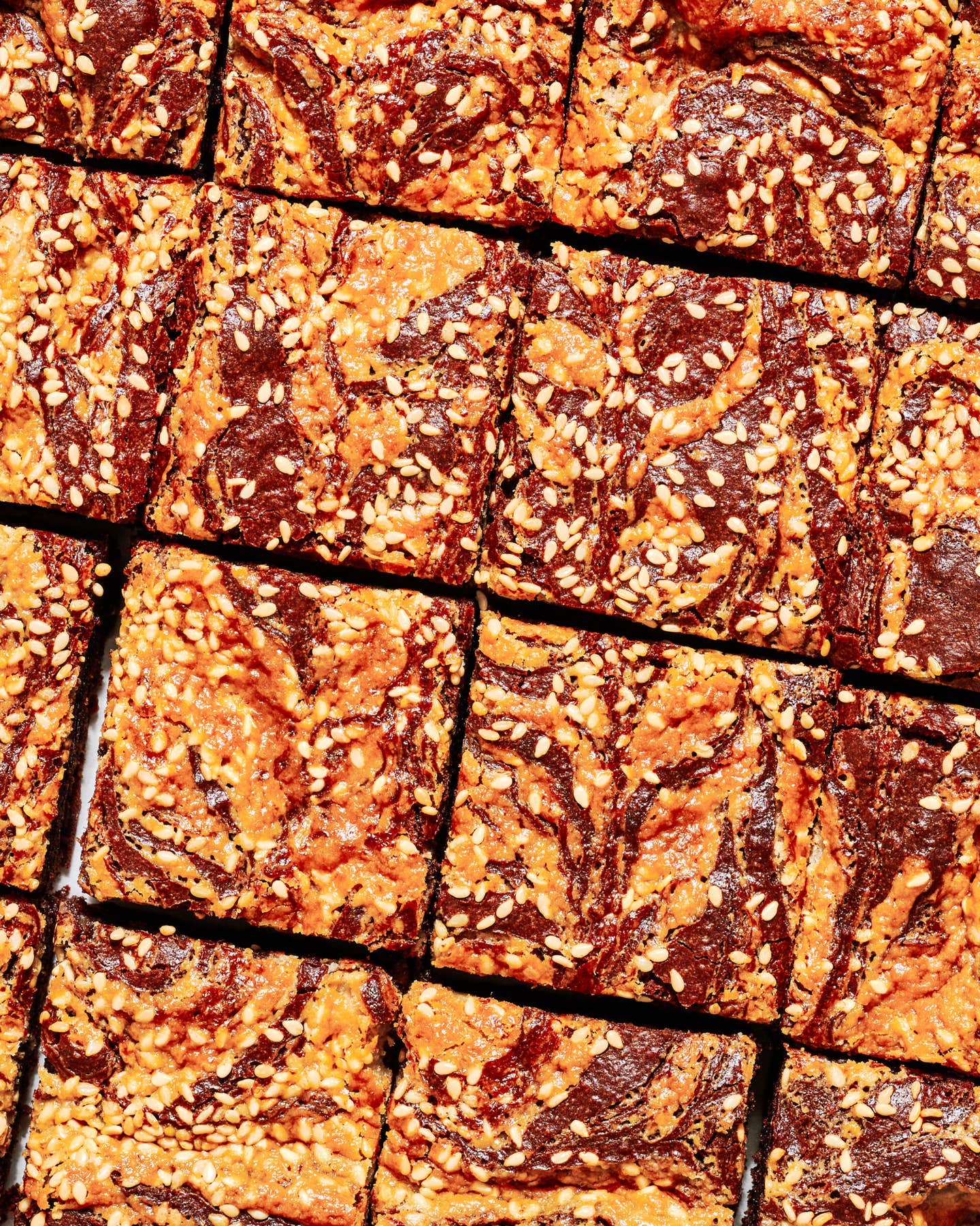
This year, Murad is bringing her vision of evolving traditional foods to her own Eid table with a trio of distinct desserts: luqaimat with saffron date syrup, halva swirl brownies, and a muhallabia Basque cheesecake. Her luqaimat recipe represents a deliberate departure from her mother’s cherished version, embracing a different, yet equally resonant, flavor profile.
The halva swirl brownie, Murad is quick to clarify, is not an attempt to "modernize" the brownie itself. "A brownie is a brownie," she states with conviction. Instead, the creation is an exercise in using familiar flavors to evoke specific moments in time or cherished memories. By artfully folding halva into a rich dark chocolate base with the distinct nutty notes of sesame, she crafts a nostalgic confection for those who grew up with rahash, brownies, or, as is frequently the case for Librae’s diverse clientele, both. The resulting brownie is less a radical reinvention and more a thoughtful translation—a way of honoring a beloved Eid dessert through a universally understood and adored format. This approach allows for the celebration of tradition in a manner that is accessible and deeply resonant for a wide audience.
The Textural Harmony of Muhallabia and Basque Cheesecake
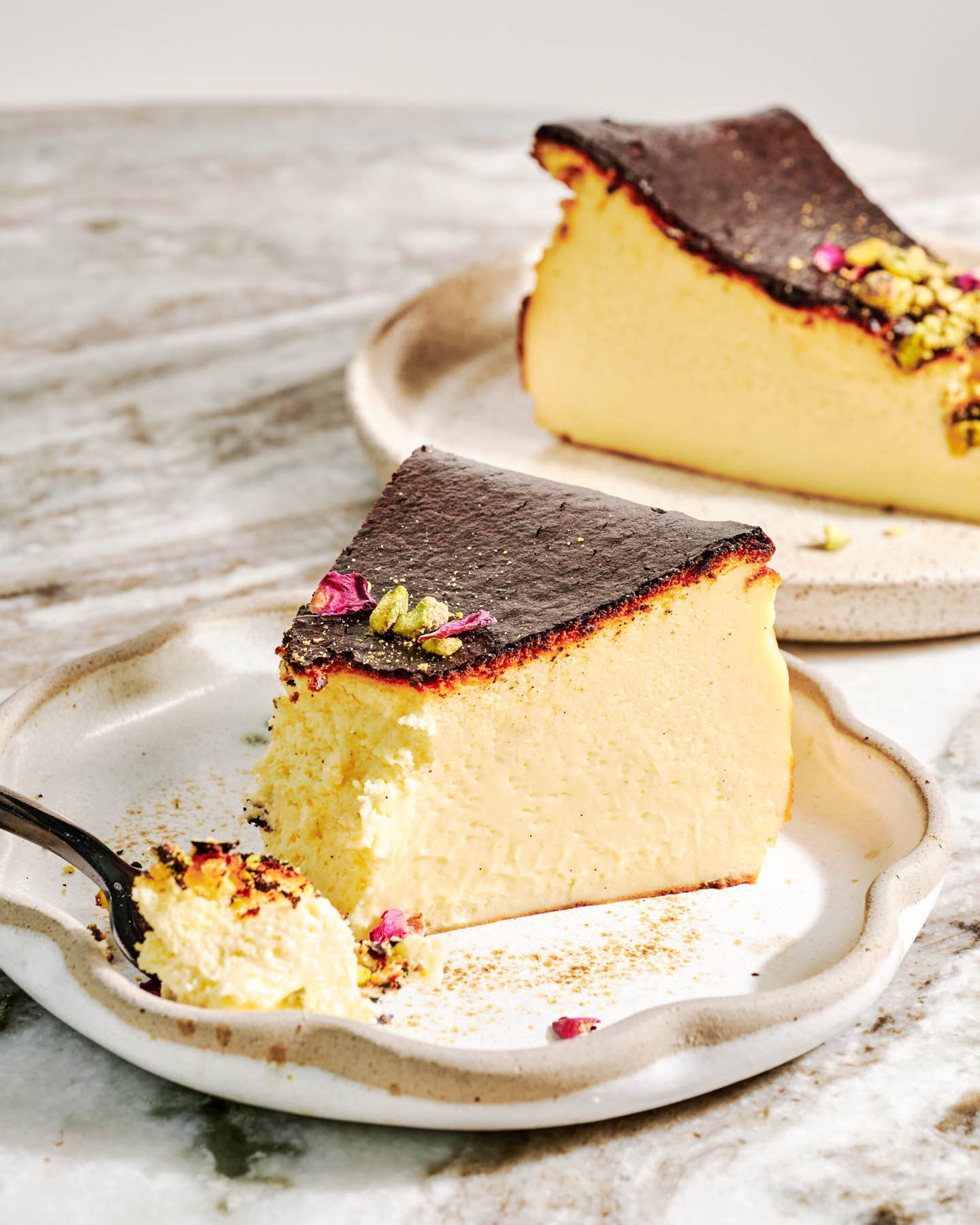
The muhallabia Basque cheesecake follows a similar logic of sensory and textural resonance. The classic Basque cheesecake is already a celebrated staple at Librae, lauded for its beautifully caramelized, crackled top and its luxuriously custardy interior. For Murad, the dessert’s allure lies not only in its flavor but also in its sublime texture. "It’s beautiful because it’s creamy," she describes, drawing a parallel between the cheesecake’s soft, yielding center and the silken smoothness of muhallabia. Muhallabia, a delicate milk pudding often perfumed with rose or orange blossom water, is a common celebratory dessert found in homes across the Middle East, signifying a shared cultural experience of sweetness and festivity. By infusing the Basque cheesecake with these muhallabia-inspired qualities, Murad creates a dessert that bridges familiar European patisserie with the comforting essence of Middle Eastern celebratory traditions.
A Sense of Belonging, A Celebration of Community
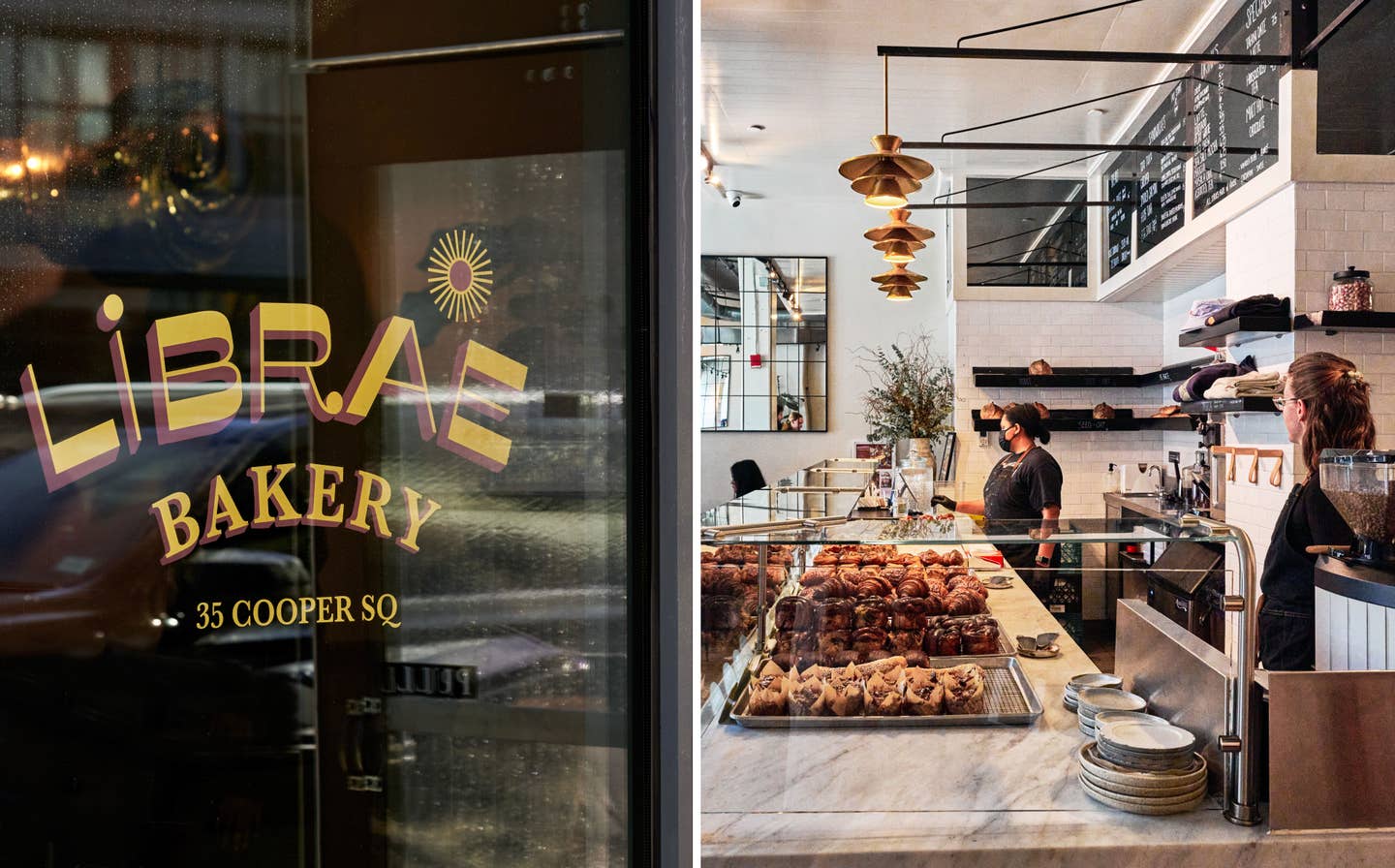
While Murad will be celebrating Eid this year at her parents’ home in Dubai, her fondest Eid morning memories are often made in New York City, behind the counter at Librae. "There’s something so sweet about seeing everyone in their traditional dress after prayers, enjoying one of our Eid specials together," she reflects. "I’m so grateful for those moments." These instances highlight the profound sense of community that Librae fosters, a place where cultural traditions are not only preserved but celebrated and shared, creating a vibrant tapestry of belonging for all who walk through its doors. The bakery serves as a physical manifestation of Murad’s belief that cultural exchange enriches, rather than divides, offering a sweet and delicious testament to the interconnectedness of our globalized world.
The Broader Implications of Culinary Diplomacy
Murad’s work at Librae Bakery transcends mere pastry-making; it functions as a form of culinary diplomacy. In an era where geopolitical tensions can create significant barriers to human connection and understanding, the simple act of sharing food, particularly food that tells a story of heritage and adaptation, can foster empathy and bridge cultural divides. The popularity of Librae’s unique offerings suggests a growing public appetite for authentic, culturally rich experiences, demonstrating that consumers are increasingly seeking out businesses that reflect diverse perspectives and traditions.
This trend has significant implications for the food industry, encouraging a move away from homogenous offerings towards more nuanced and globally inspired menus. As consumers become more aware of the stories behind their food, bakeries and restaurants that can authentically represent a fusion of cultures are poised for success. Murad’s approach, rooted in personal experience and a deep respect for her heritage, serves as a powerful model for how businesses can contribute to a more inclusive and understanding society through the universal language of food. The continued success of Librae Bakery signifies a broader societal shift towards appreciating and celebrating the richness that cultural exchange brings to our daily lives.