admin
admin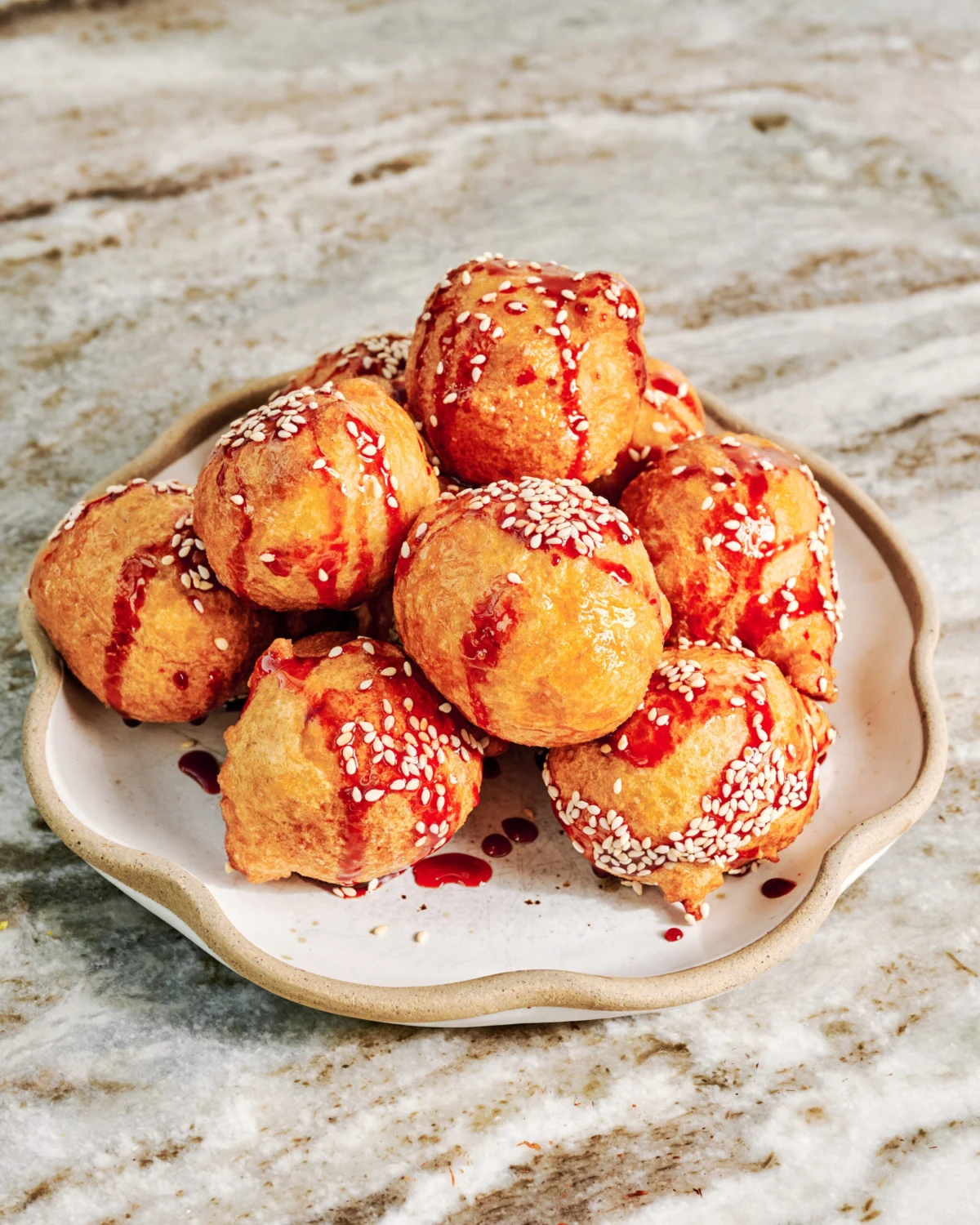
The intricate and time-honored tradition of preparing luqaimat, a beloved Middle Eastern sweet, was recently showcased through a detailed culinary demonstration, offering a profound insight into the delicate balance of ingredients and techniques that define this delectable treat. The process, broken down into three distinct stages, highlights the meticulous care and specific methods required to achieve the perfect luqaimat, from the careful formulation of the dough to the final, syrupy embrace. This culinary exploration not only serves as a practical guide for aspiring home cooks but also underscores the cultural significance of such dishes in communal gatherings and festive occasions across the region.
The Foundation: Crafting the Perfect Luqaimat Batter
The journey begins with the creation of the luqaimat batter, a seemingly simple yet critical step that lays the groundwork for the final product’s texture and flavor. In a generously sized bowl, a precise blend of all-purpose flour, granulated sugar, cornstarch, active dry yeast, and a pinch of salt is combined. The inclusion of cardamom, though noted as optional, speaks to the regional variations and personal preferences that enrich the culinary landscape. Cardamom, a spice with a warm, slightly sweet, and aromatic profile, has been a staple in Middle Eastern and South Asian cuisines for centuries, often used to impart a subtle complexity to both sweet and savory dishes. Its presence in luqaimat can elevate the flavor from merely sweet to intriguingly spiced.
The dry ingredients are then thoroughly mixed using a silicone spatula, ensuring an even distribution of each component. This uniformity is crucial for the yeast to activate effectively and for the batter to develop the desired consistency. The next stage involves the gradual incorporation of warm water. This is not a mere addition; it’s a carefully controlled process, with approximately one cup of warm water added while stirring. The goal is to achieve a thick, stretchy batter that exhibits no lumps. This elasticity is a key indicator of gluten development, which will contribute to the airy, puffed texture of the fried dough. The consistency is described as "slightly thicker than pancake batter," a relatable benchmark for many home cooks, suggesting a pourable yet substantial mixture.
A unique ingredient that sets this particular recipe apart is the addition of labneh. Labneh, a strained yogurt product that is thick and creamy, similar to a soft cheese, introduces a subtle tang and a richer mouthfeel to the batter. Its inclusion can also contribute to the batter’s ability to achieve a delicate crispness on the outside while remaining soft and doughy on the inside. The labneh is mixed in, and if the batter is too thick, up to three additional tablespoons of water can be incorporated to reach the ideal consistency. This adaptability acknowledges that flour absorption can vary, and environmental factors like humidity can influence dough texture.
Once the batter reaches its desired state, it is covered with a damp kitchen towel. This seemingly small detail is vital for maintaining moisture and preventing a dry crust from forming on the surface of the batter. The bowl is then left to rest at room temperature for a period of 45 to 60 minutes. During this time, the yeast will work its magic, fermenting the sugars in the batter and producing carbon dioxide gas. This process, known as proofing, causes the batter to bubble and double in size, creating the airy pockets that are essential for the characteristic lightness of fried dough. The visual cue of a "bubbly and doubled in size" batter signifies that it is ready for the next transformative step. The history of yeast-leavened doughs dates back thousands of years, with evidence suggesting its use in ancient Egypt. Its application in luqaimat is a testament to the enduring principles of fermentation in creating desirable textures and flavors.
The Sweet Embrace: Crafting the Saffron Date Syrup
While the luqaimat batter undergoes its crucial resting period, attention shifts to the creation of the saffron date syrup, the luscious accompaniment that elevates the fried dough to a true delicacy. This syrup, with its rich, natural sweetness and aromatic saffron, provides a counterpoint to the slight crispness of the luqaimat. The process begins in a small pot, where date syrup is gently heated over low heat. The emphasis is on heating it through, not simmering. This typically takes between three to four minutes. Overheating could lead to caramelization and a burnt flavor, which would detract from the delicate balance of the dish.
Once the date syrup is warm, it is removed from the heat. At this point, a pinch of saffron is whisked in. Saffron, derived from the stigma of the Crocus sativus flower, is one of the world’s most expensive spices by weight, prized for its distinctive flavor, aroma, and vibrant color. Its inclusion in the date syrup not only imparts a subtle floral and earthy note but also lends a beautiful golden hue, visually enhancing the overall presentation of the dessert. The act of whisking ensures that the saffron threads are evenly dispersed, allowing their essence to permeate the syrup. The syrup is then set aside, ready to be generously drizzled over the freshly fried luqaimat. The use of dates as a sweetener has deep roots in the Middle East, where date palms have been cultivated for millennia. Date syrup, or ‘dibs,’ is a traditional sweetener that offers a complex, caramel-like sweetness and a wealth of nutrients.
The Fiery Transformation: Frying and Finishing the Luqaimat
The final stage of the luqaimat-making process is the most dramatic: the deep-frying. A large pot is prepared, fitted with a deep-fry thermometer to ensure precise temperature control. This is paramount for achieving the correct texture. Three to four inches of neutral-flavored oil, such as vegetable or canola oil, are poured into the pot, and the heat is set to medium-high. The target temperature for frying luqaimat is between 320 and 330 degrees Fahrenheit (160-165 degrees Celsius). Maintaining this specific temperature range is critical. If the oil is too cool, the luqaimat will absorb too much oil and become greasy. If the oil is too hot, the exterior will brown too quickly before the interior has a chance to cook through and puff up properly.
Working in batches is essential to avoid overcrowding the pot, which can cause the oil temperature to drop significantly and lead to uneven cooking. Using a tablespoon measure, rounds of the prepared batter are carefully dropped into the hot oil. The batter, once it hits the hot oil, will begin to expand and puff up due to the leavening action of the yeast and the rapid expansion of steam. The frying process requires constant attention and stirring. This continuous motion ensures that each luqaimat cooks evenly on all sides, developing a uniform deep golden-brown color and a delightful crisp exterior. This stage typically lasts for four to five minutes. The visual cues are important here: the luqaimat should be puffed, rounded, and a rich, appetizing golden-brown.
As soon as the luqaimat are perfectly fried, they are carefully transferred to a wire rack set over paper towels. This allows any excess oil to drain away, preserving the crispness of the outer shell. The draining process should be brief, as the next step is to immediately imbue them with the prepared saffron date syrup. This immediate application is key; the warm, freshly fried luqaimat are porous and will readily absorb the syrupy sweetness, allowing the flavors to meld beautifully. The warm date syrup is generously drizzled over the hot luqaimat, and the dish is then sprinkled with sesame seeds. Sesame seeds, with their nutty flavor and satisfying crunch, add another layer of texture and taste, a common garnish for many Middle Eastern sweets. The final instruction is to serve them warm, when their texture and flavor are at their peak.
The Cultural Significance and Broader Impact
The meticulous preparation of luqaimat, as outlined in these steps, transcends a simple recipe. It represents a deeply ingrained culinary heritage, passed down through generations. Luqaimat, also known as "sweet dumplings" or "lokma," are a staple during religious holidays like Ramadan, as well as other celebratory gatherings. The act of preparing and sharing these sweet treats fosters a sense of community and togetherness. The detailed breakdown of the recipe provides a valuable resource for individuals seeking to recreate authentic Middle Eastern flavors in their own kitchens.
The inclusion of labneh and saffron in this particular rendition suggests a nuanced approach, perhaps reflecting a regional specialty or a modern interpretation of a classic dish. Labneh’s presence adds a creamy tang, a departure from the more common water-based batter, potentially resulting in a more complex flavor profile and a more tender interior. Saffron, a spice historically associated with luxury and special occasions, elevates the date syrup to an even more refined level. The historical context of date cultivation in the Arabian Peninsula, dating back thousands of years, underscores the deep connection between the land and its cuisine. Dates were not only a vital food source but also held cultural and religious significance.
The global appreciation for Middle Eastern cuisine has been steadily growing, with dishes like luqaimat gaining wider recognition. This detailed culinary guide contributes to this broader understanding by demystifying the preparation process and highlighting the specific techniques involved. The economic implications, though perhaps minor in the context of a single recipe, are part of a larger trend. The increasing demand for authentic international foods fuels the growth of specialty food markets and supports businesses involved in sourcing unique ingredients like high-quality saffron and date syrup. Furthermore, such detailed recipes can inspire culinary tourism, encouraging individuals to experience these flavors in their place of origin.
The structured approach to preparing luqaimat—from proofing the dough to controlling the frying temperature—mirrors the precision often found in professional culinary arts. This level of detail can be educational for aspiring chefs and home cooks alike, emphasizing the importance of understanding the science behind cooking. The ability to consistently achieve perfectly puffed, golden-brown luqaimat speaks to a mastery of fundamental cooking techniques. The accompanying saffron date syrup, with its fragrant aroma and rich sweetness, exemplifies how thoughtful flavor pairings can transform simple ingredients into an extraordinary dessert. The use of sesame seeds as a garnish is a common practice across many cultures, adding a nutty depth that complements the sweetness of the syrup and the fried dough. The overall impression is one of a dish that is both comforting and sophisticated, a testament to the enduring appeal of well-executed traditional recipes. The continued interest in such culinary heritage suggests a desire to connect with cultural roots through food, a trend that is likely to persist as global interconnectedness increases. The detailed steps provided offer a tangible way for individuals to engage with and appreciate this rich culinary tradition, ensuring its preservation and continued enjoyment.